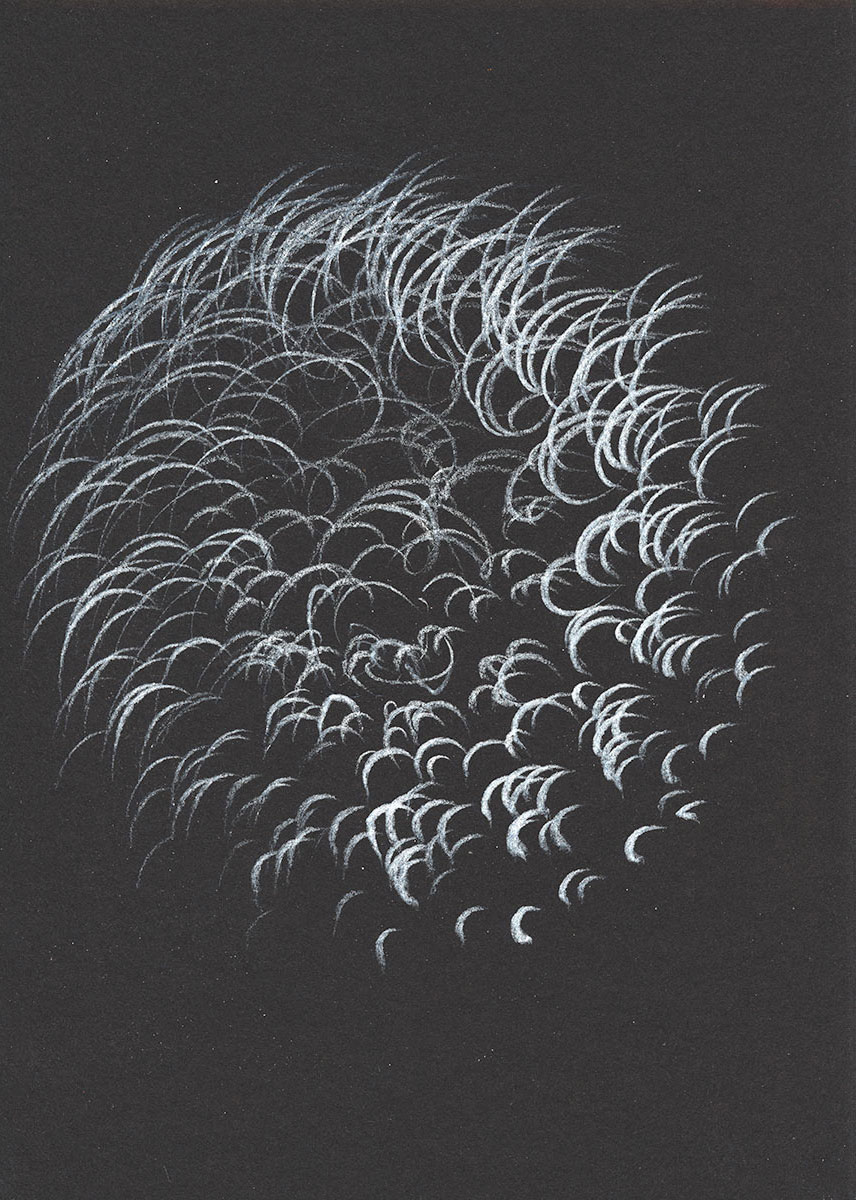
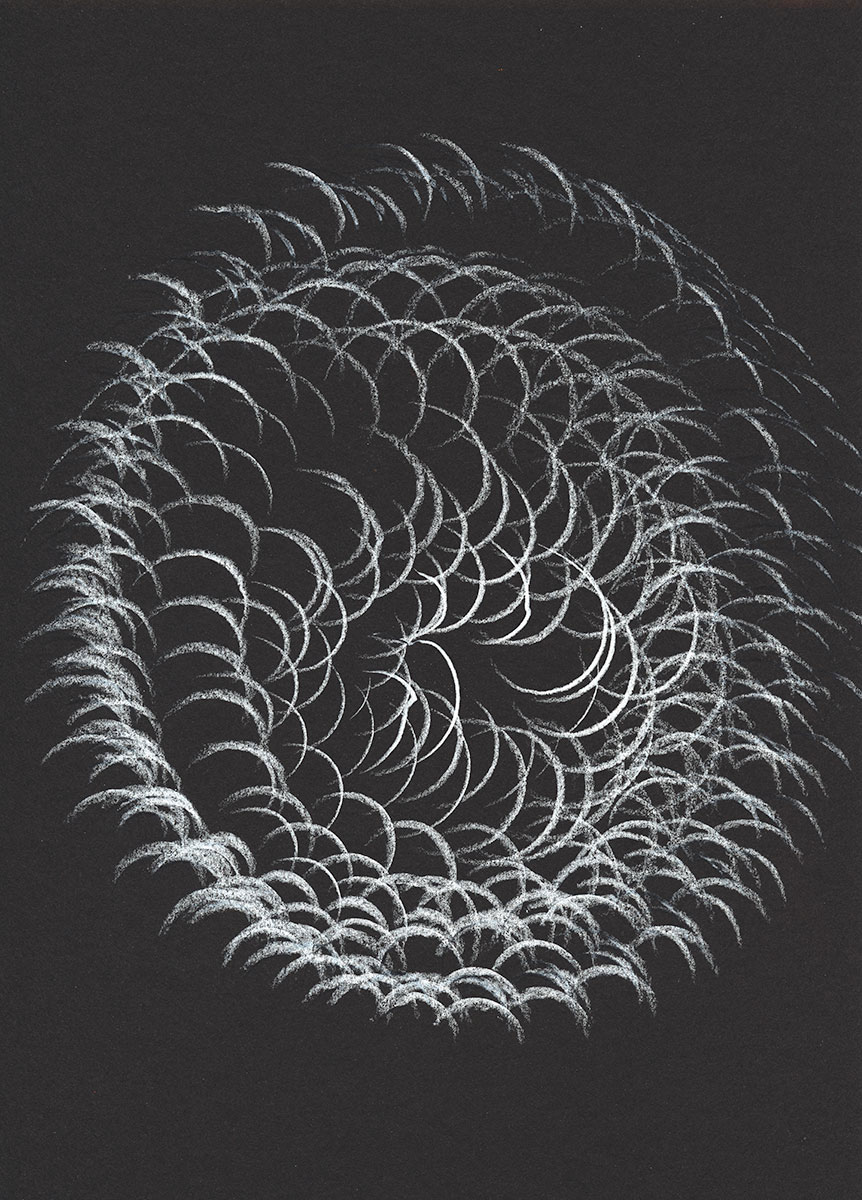
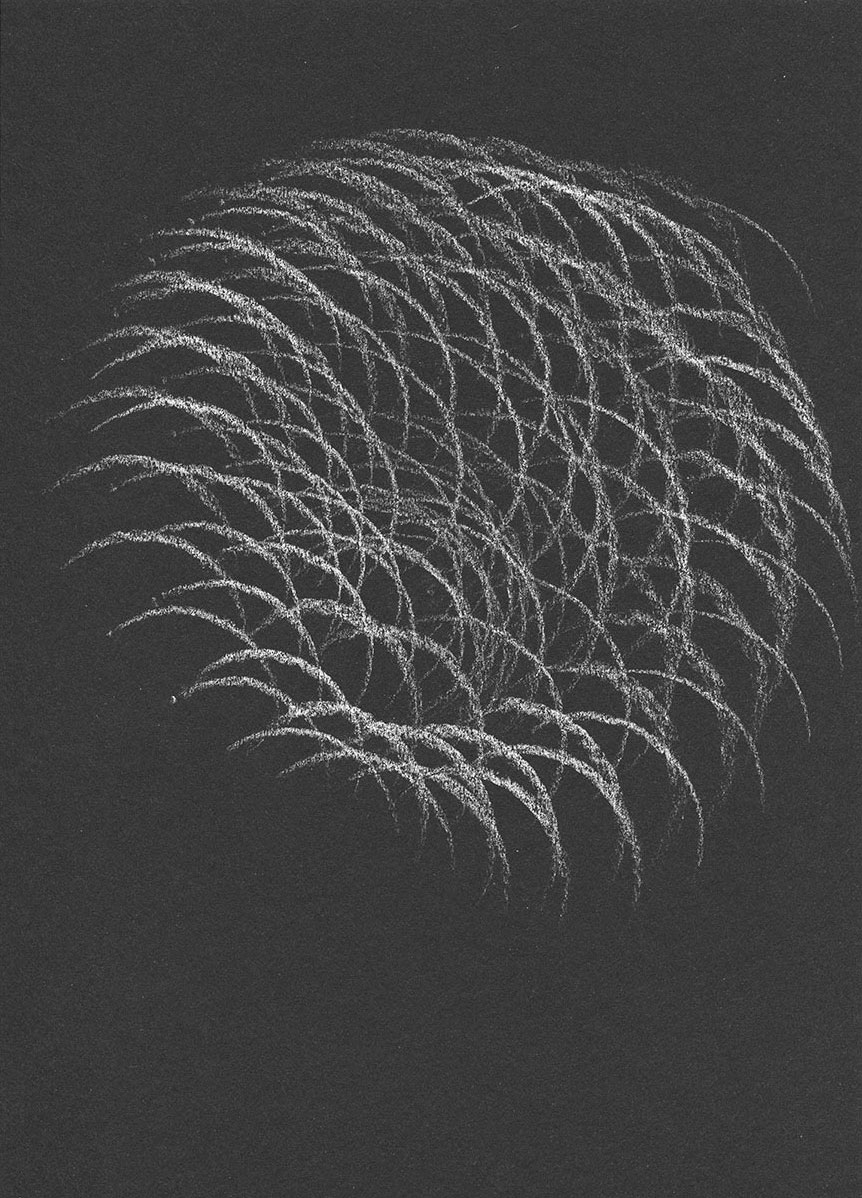
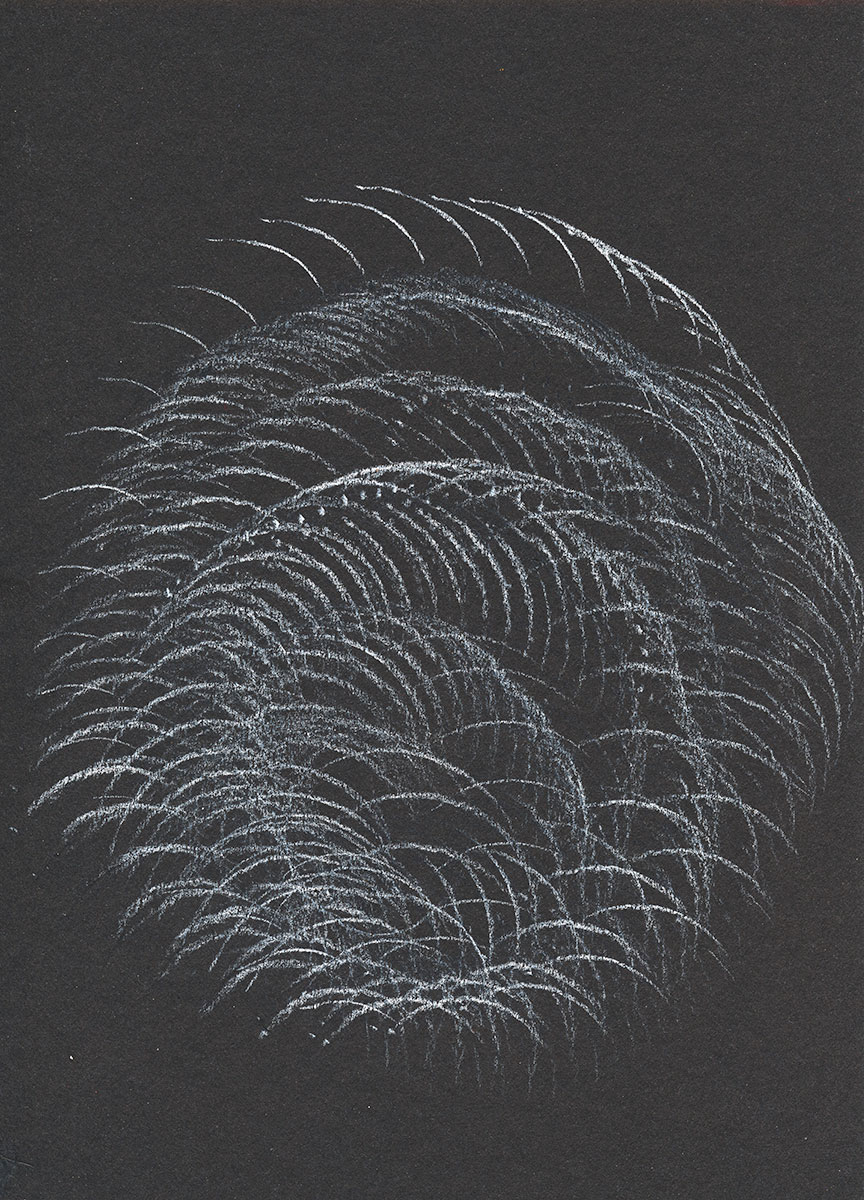
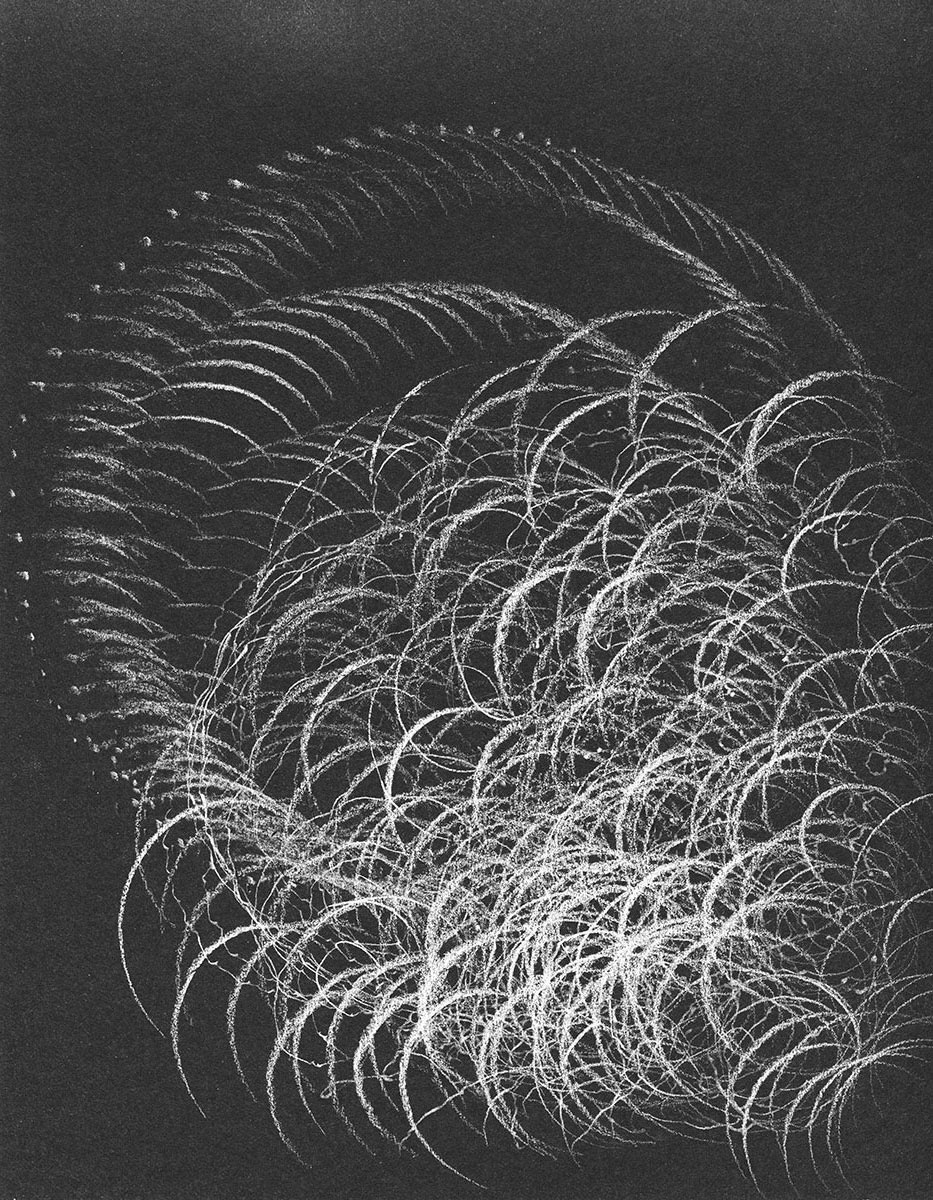
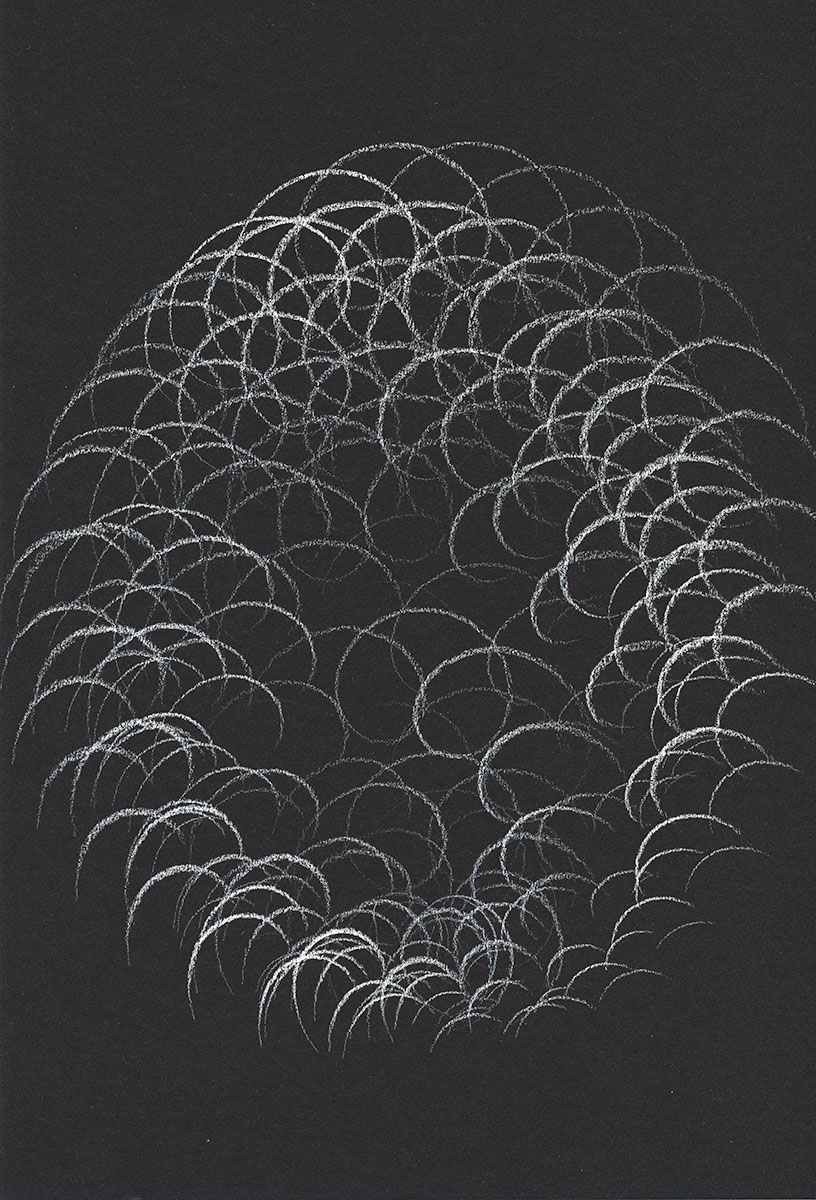
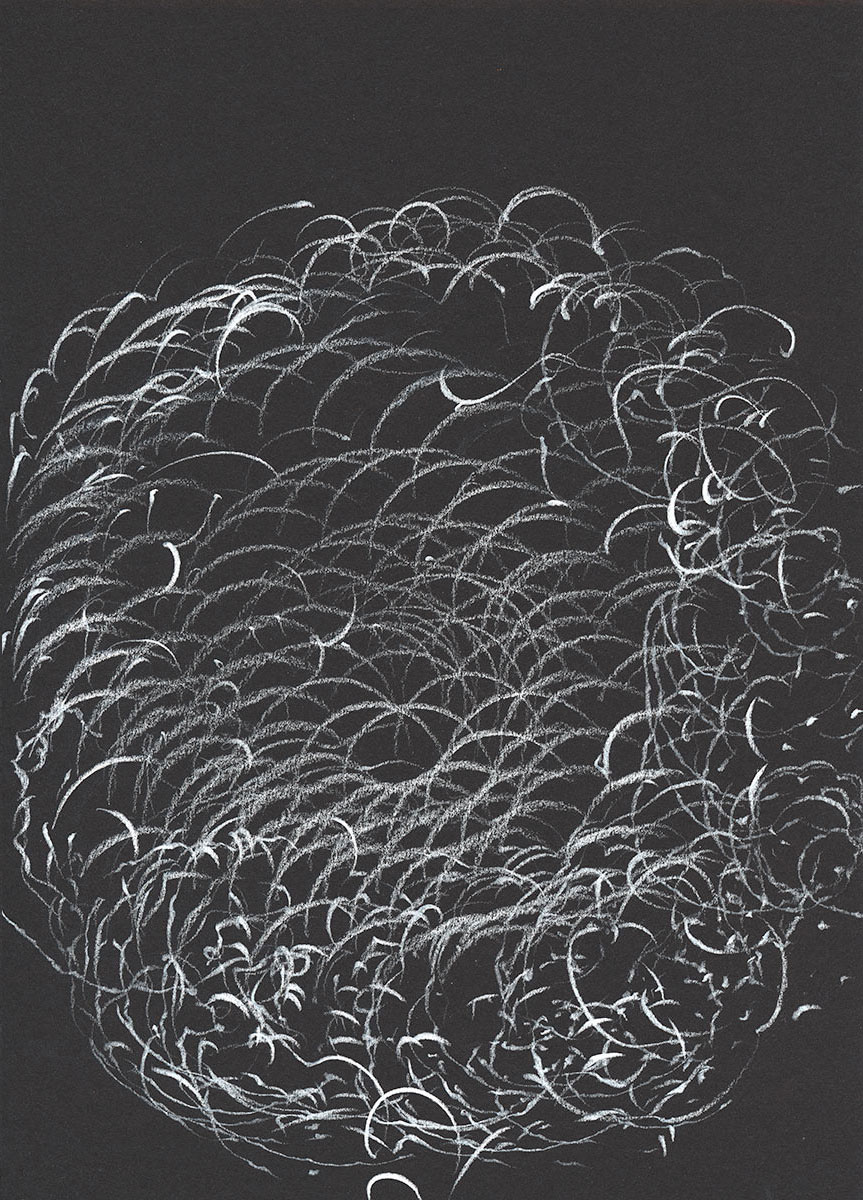
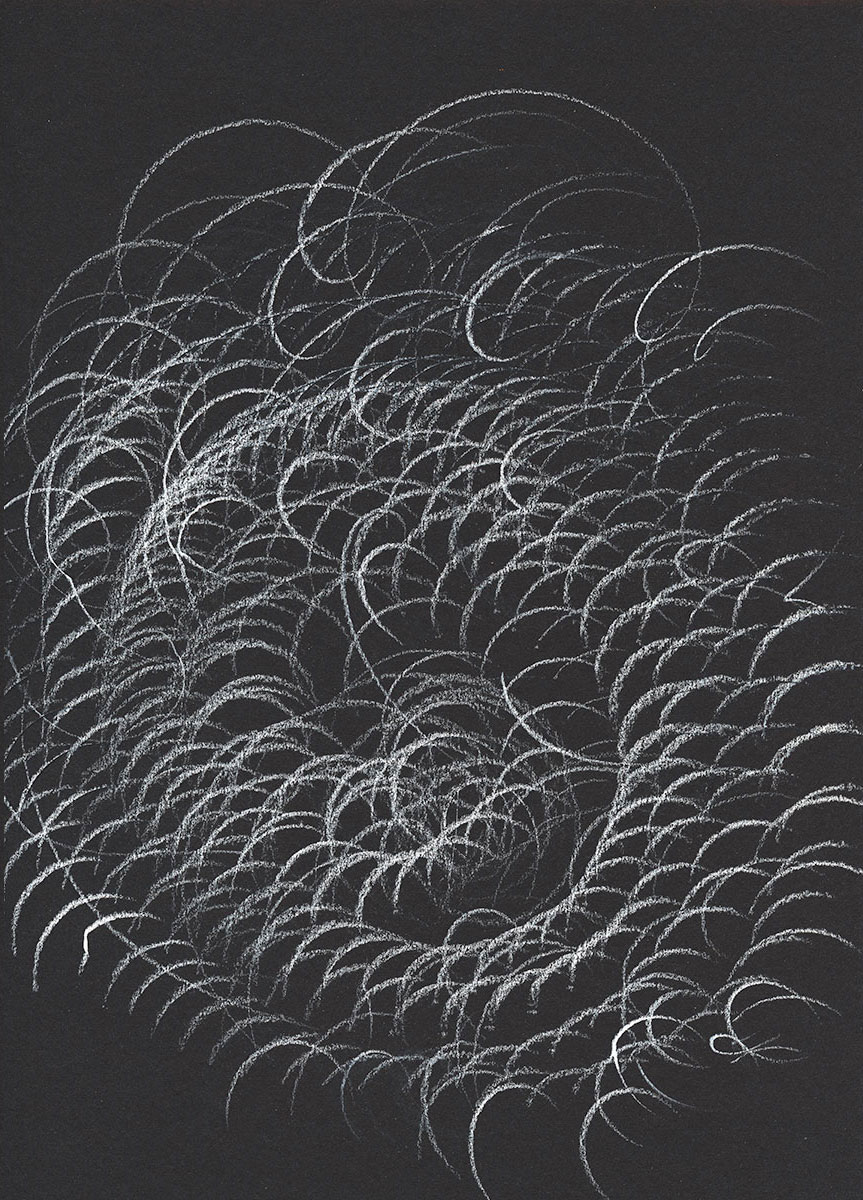
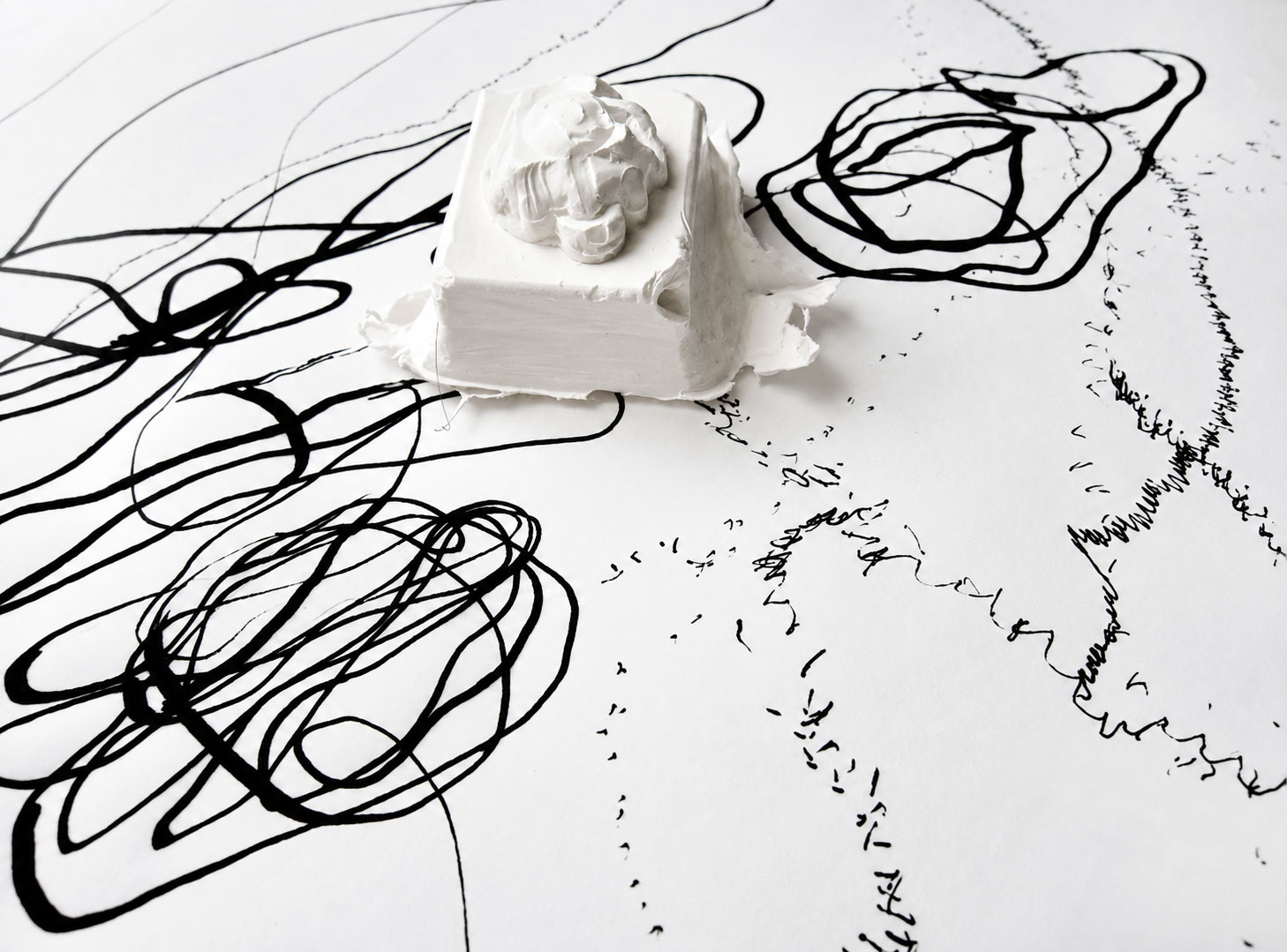
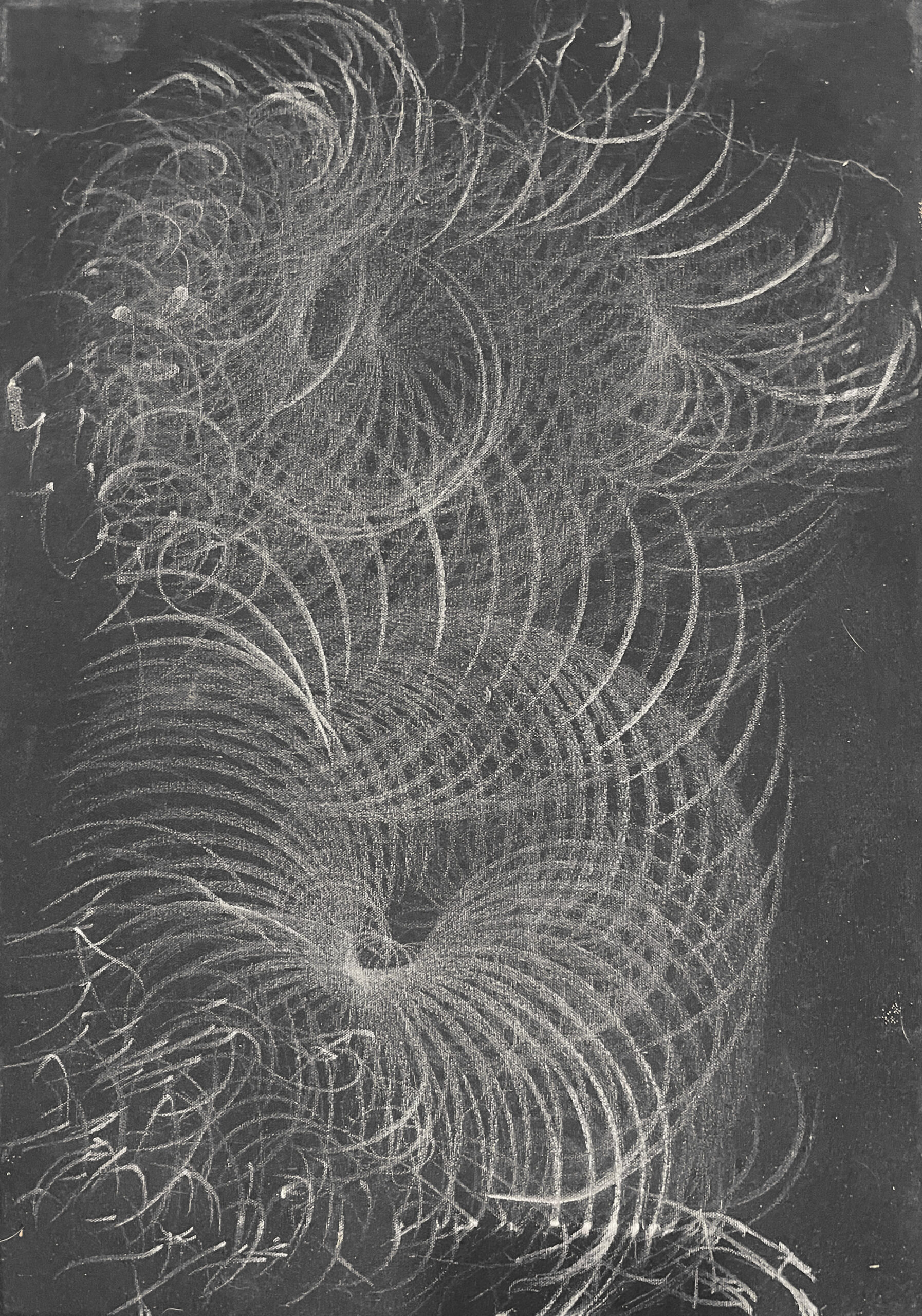
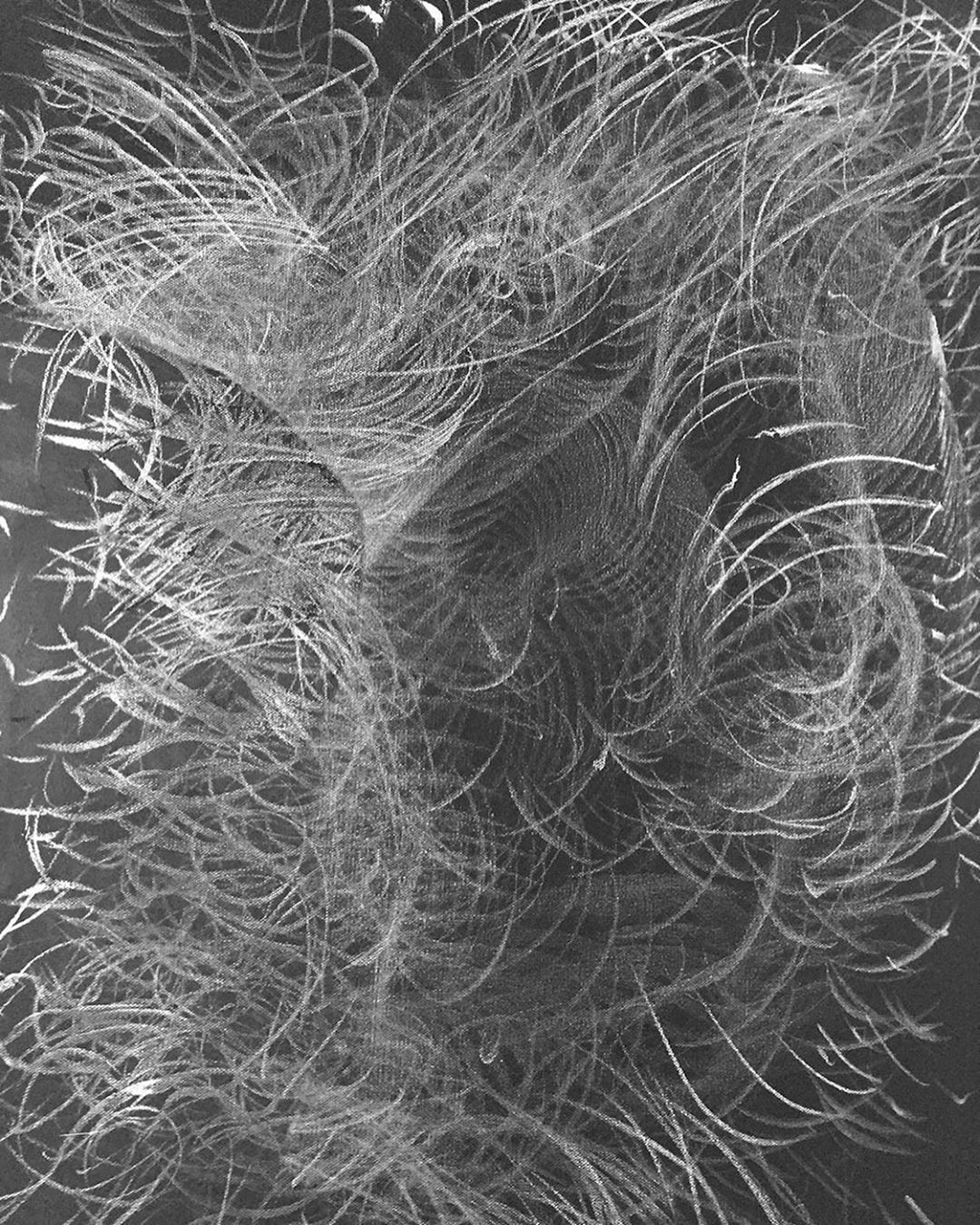
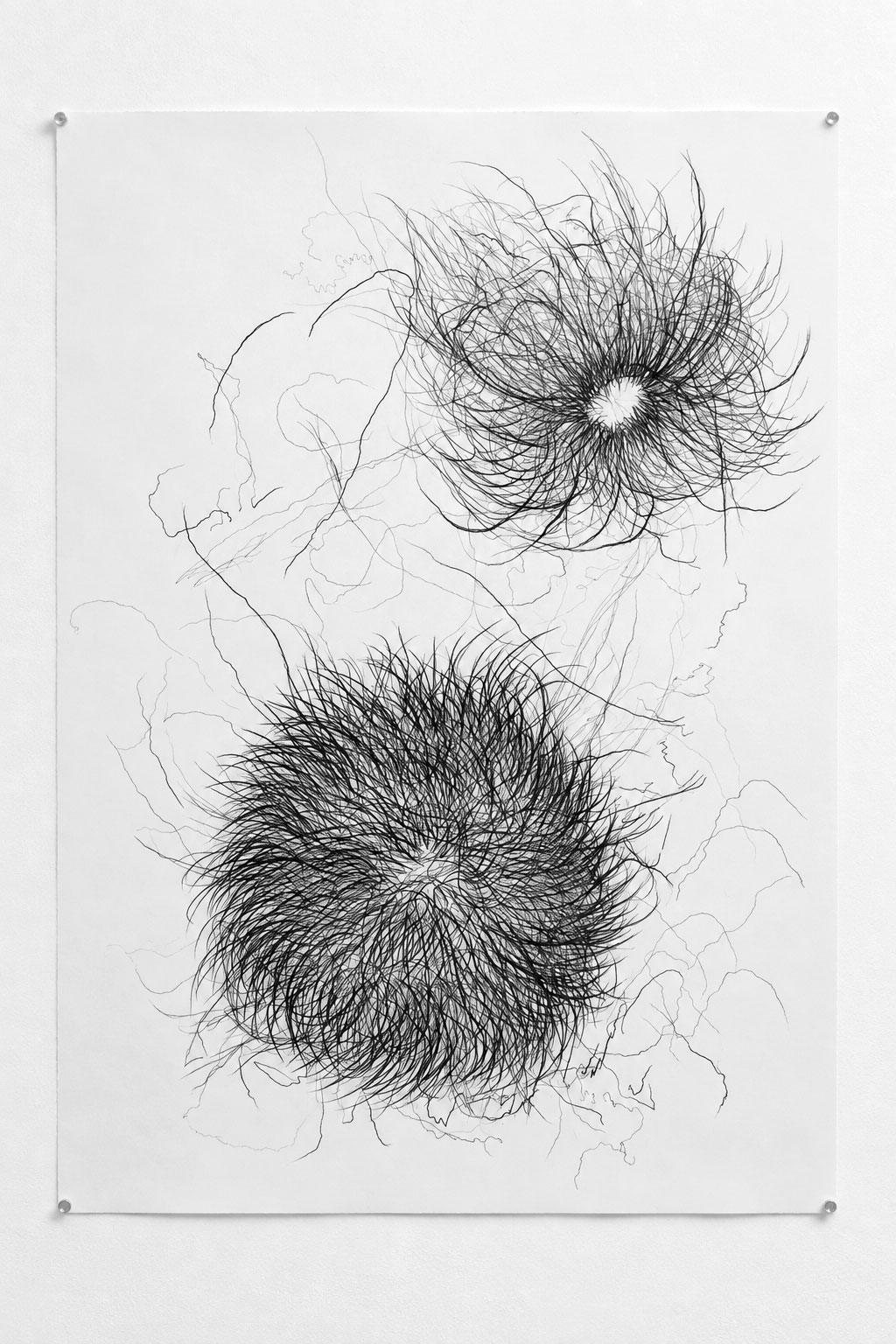
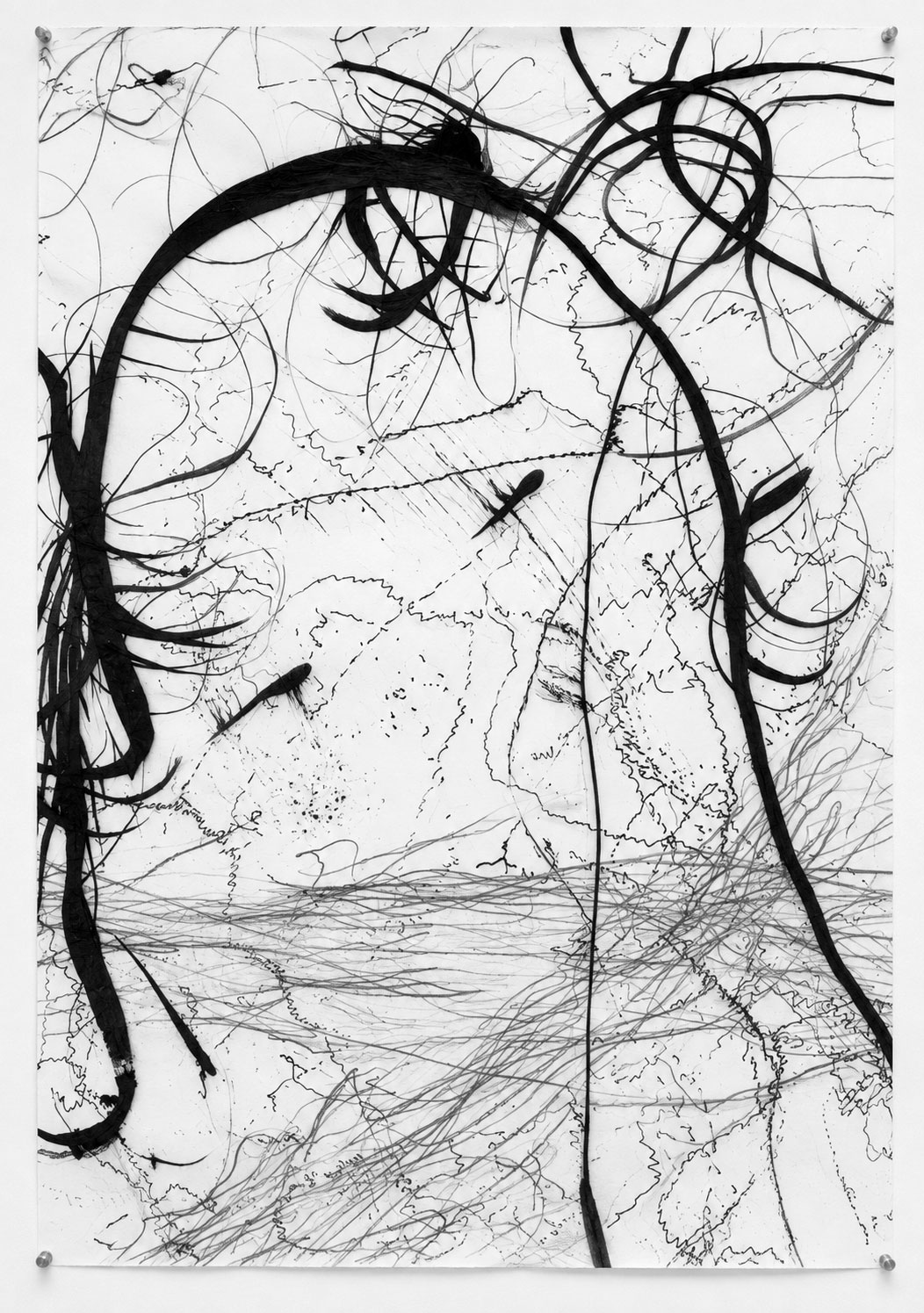
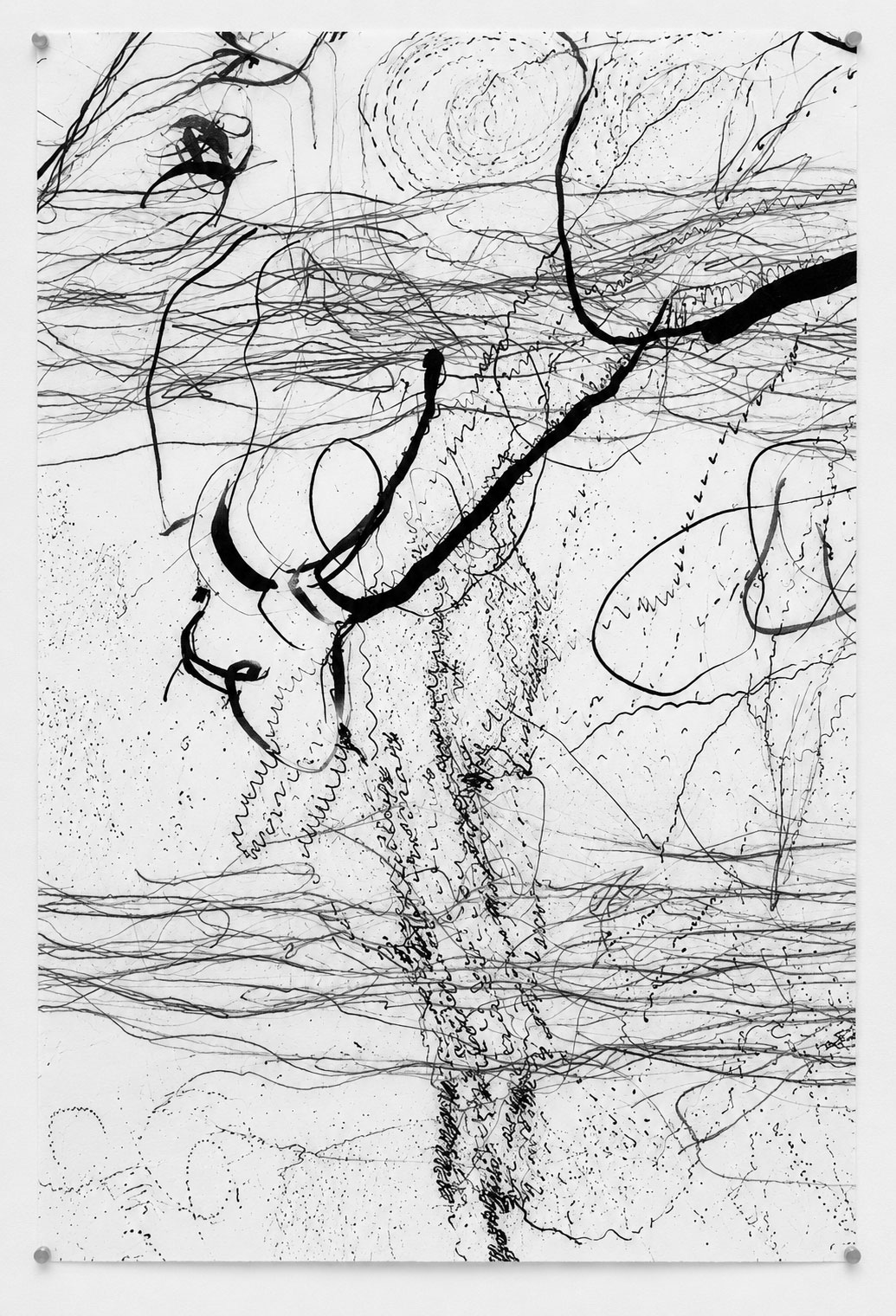
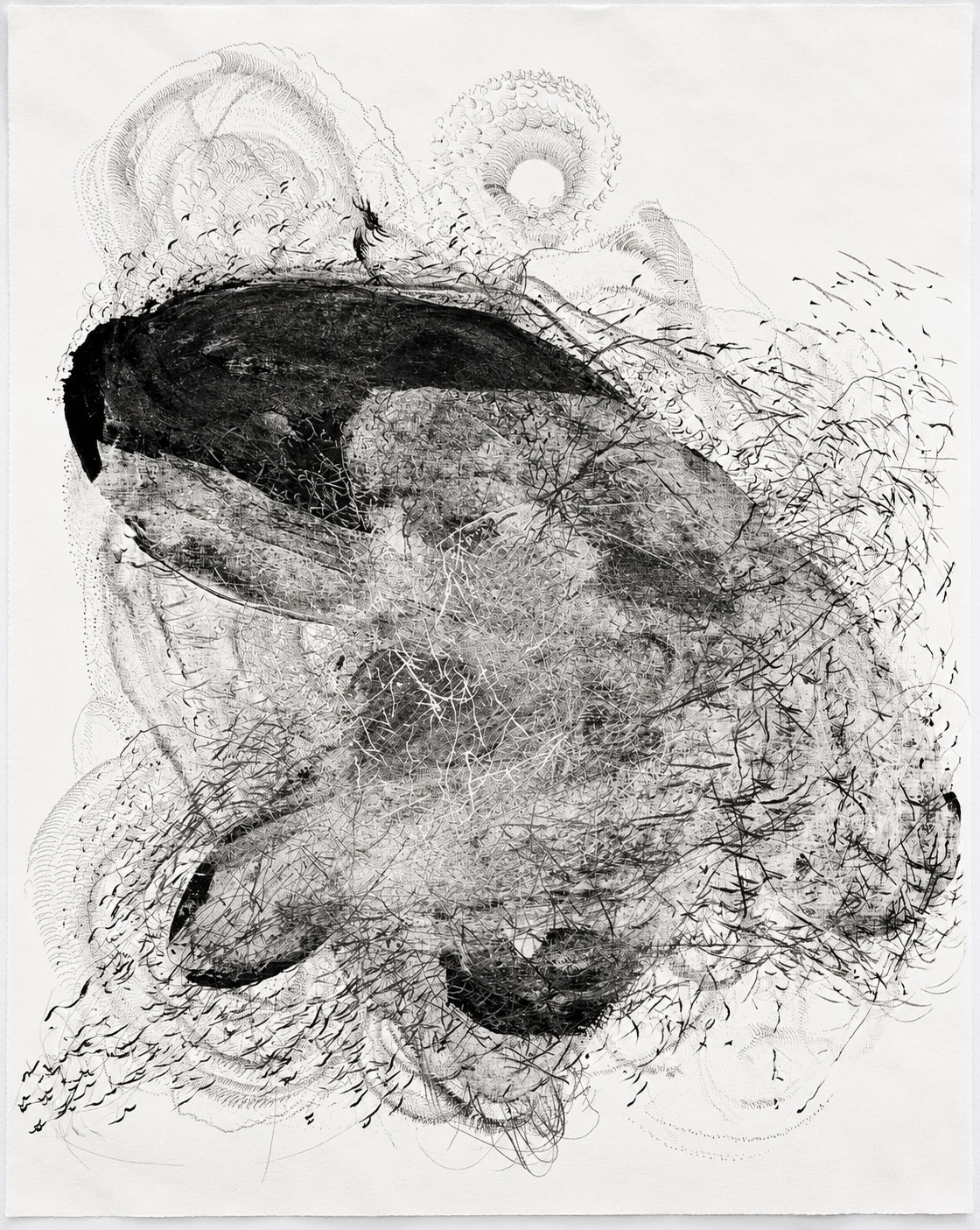
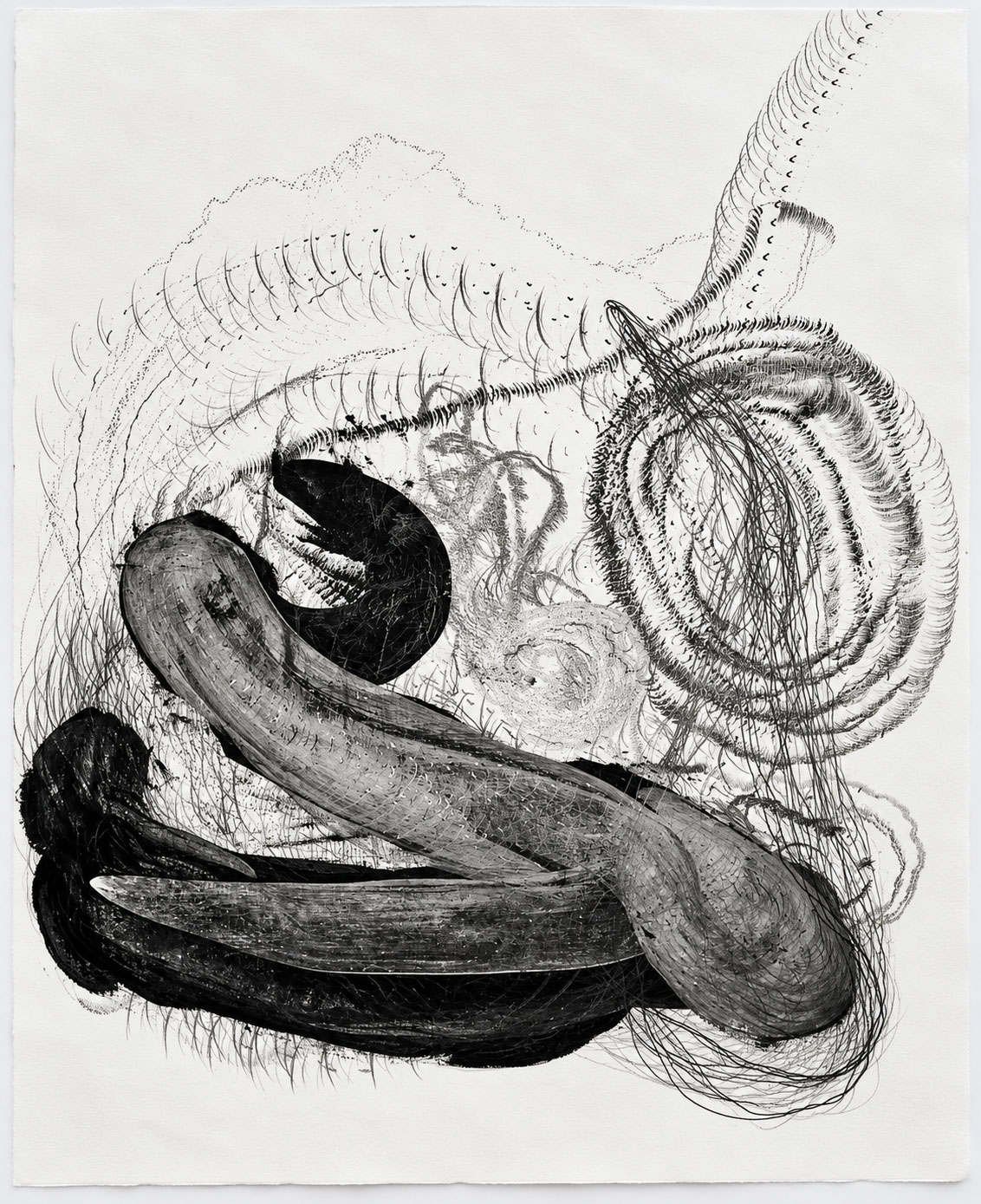
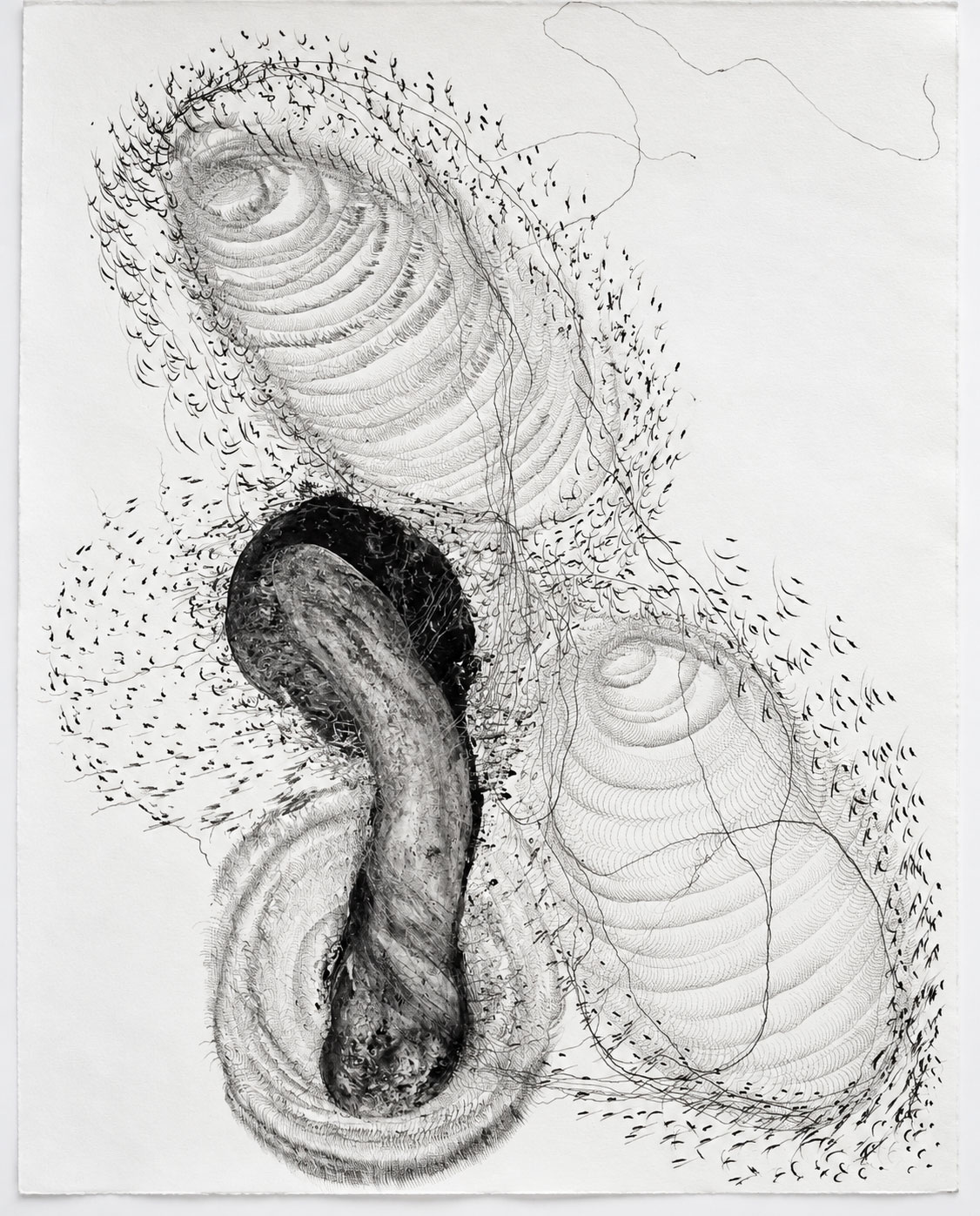
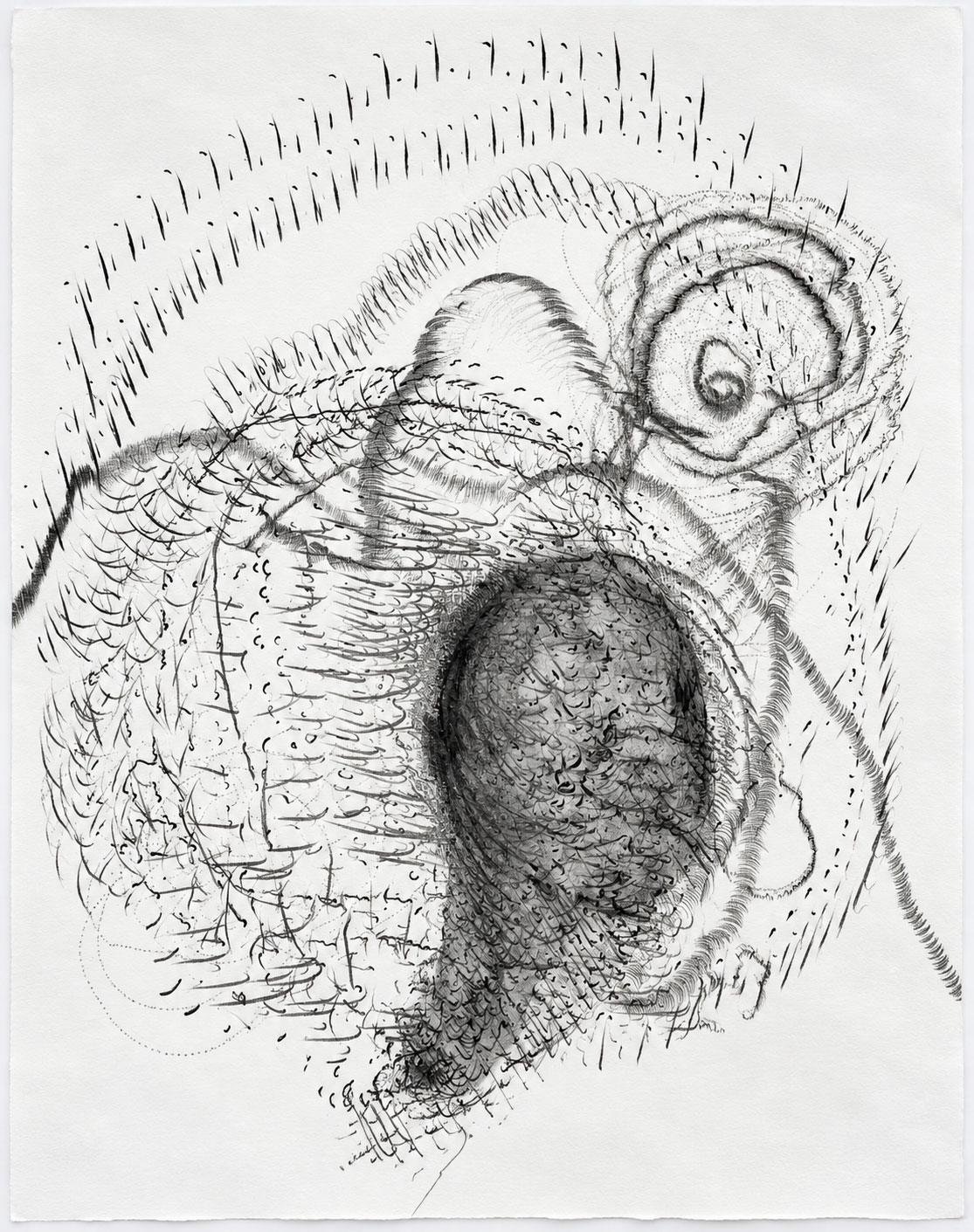
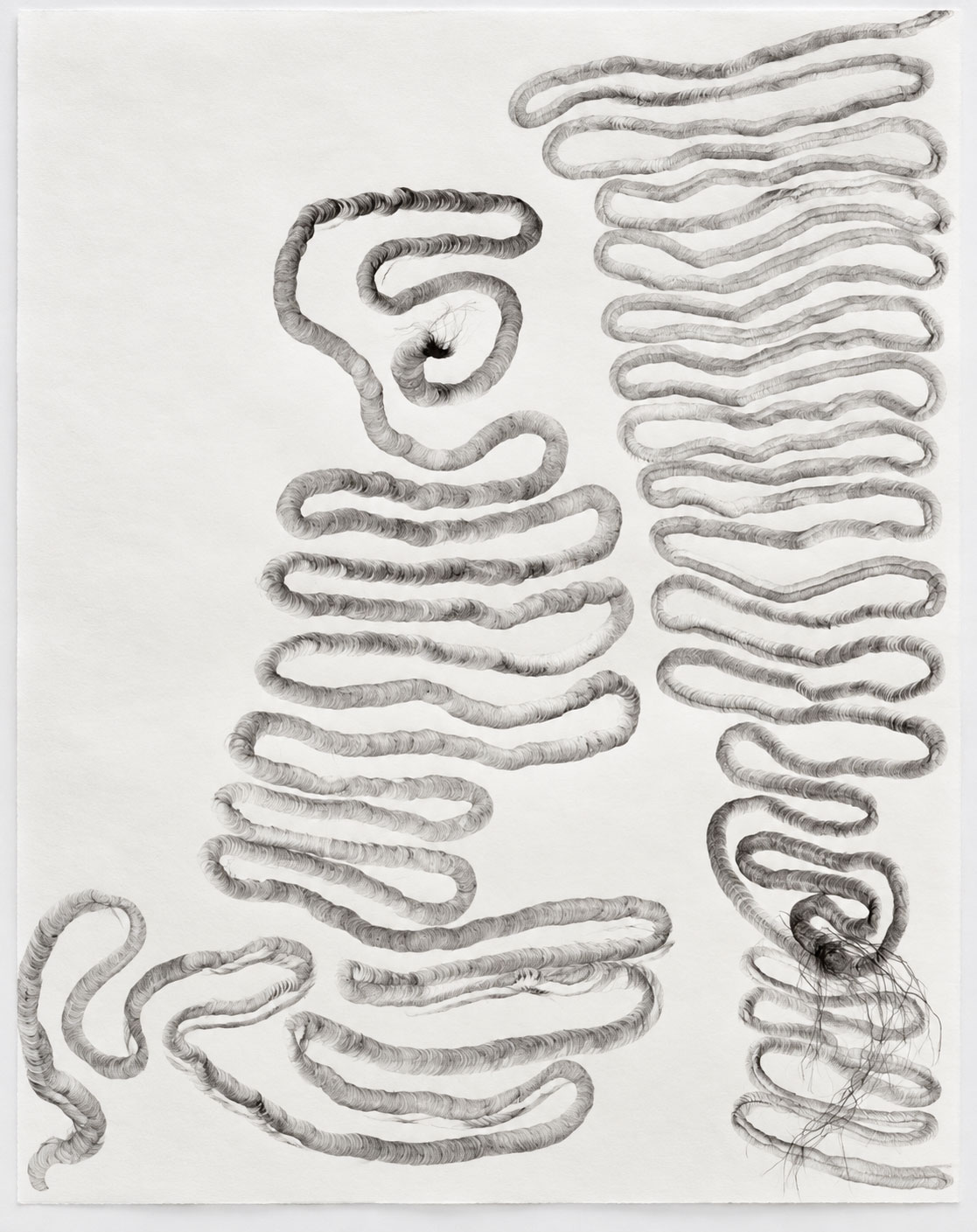
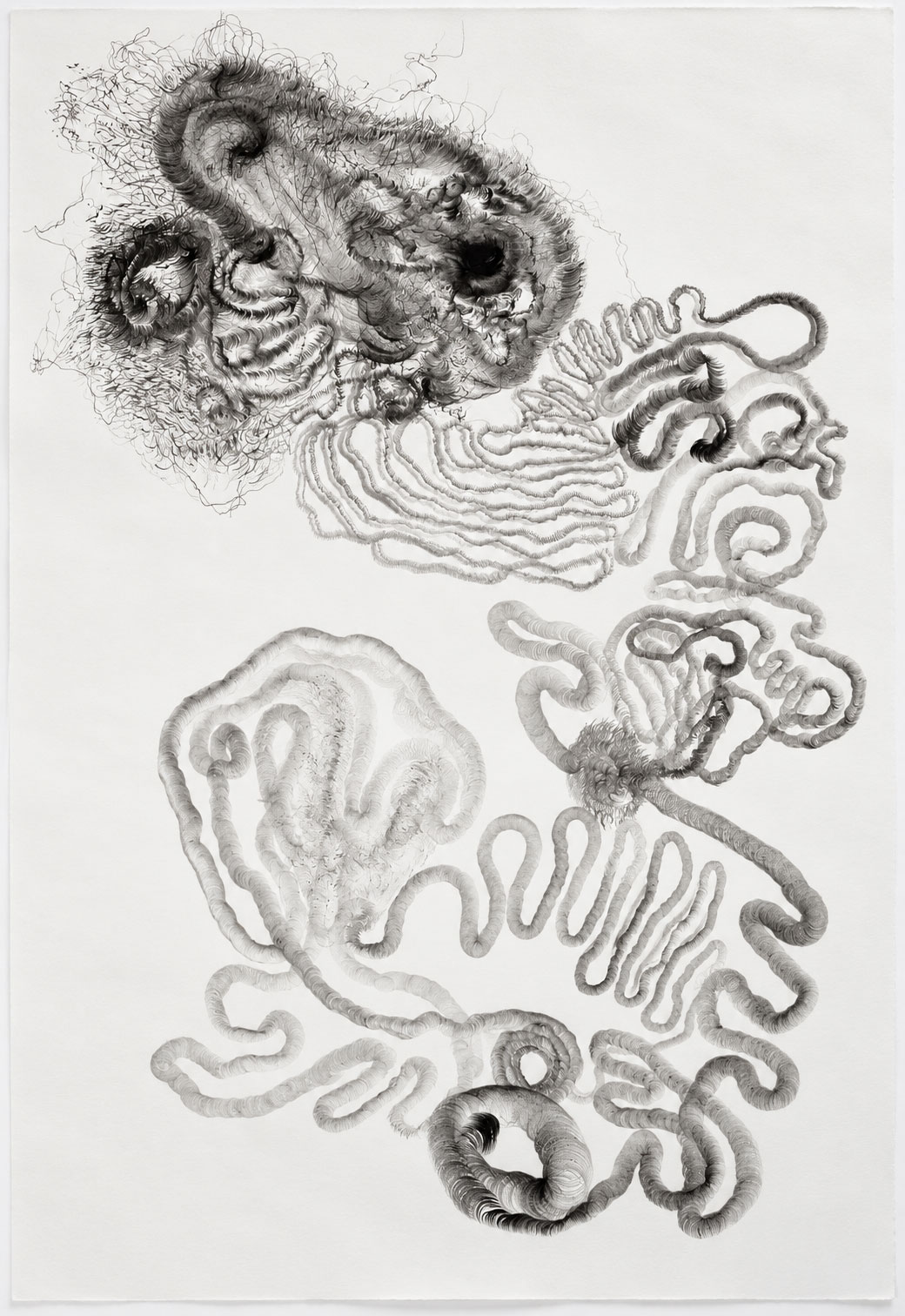
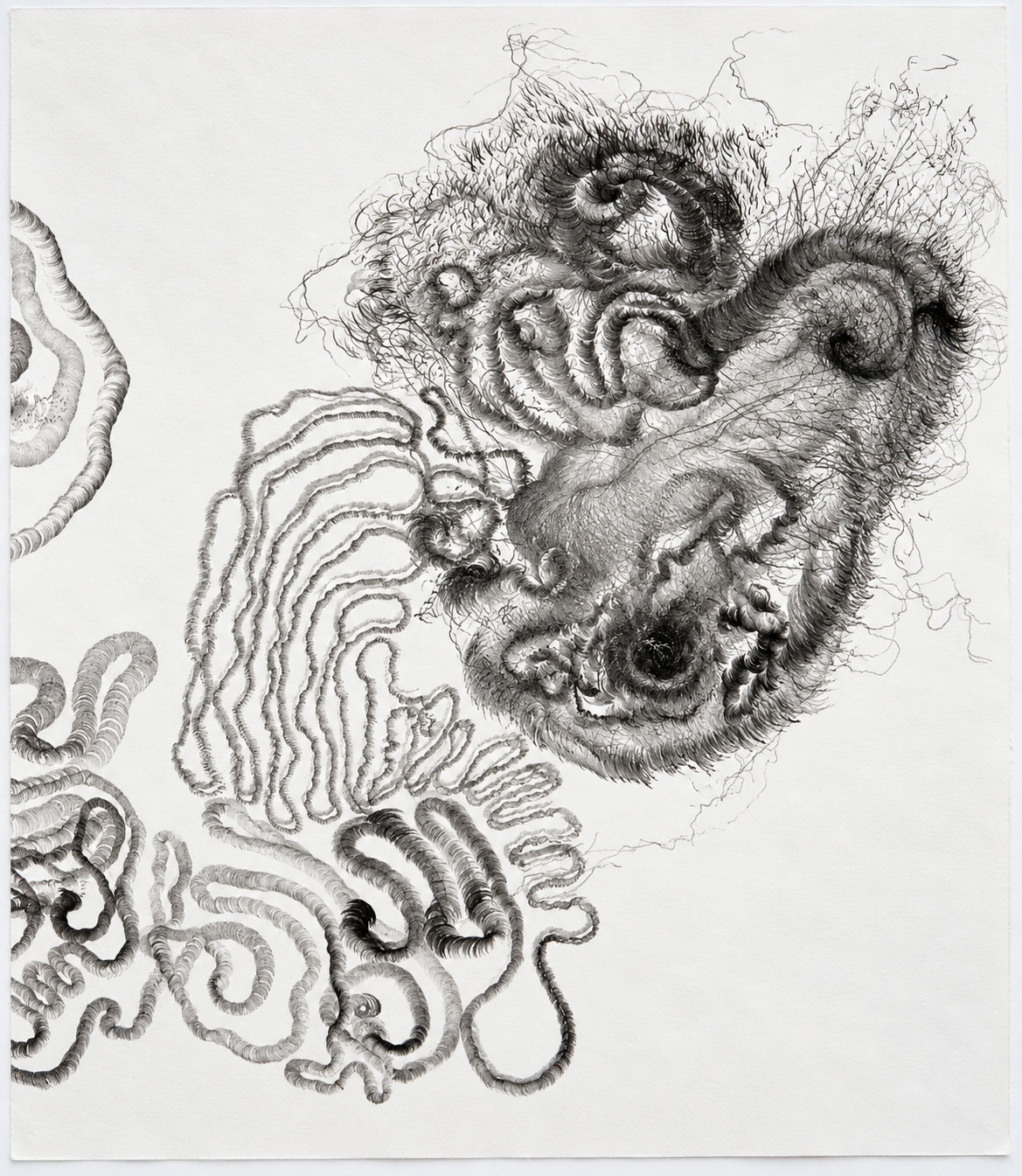
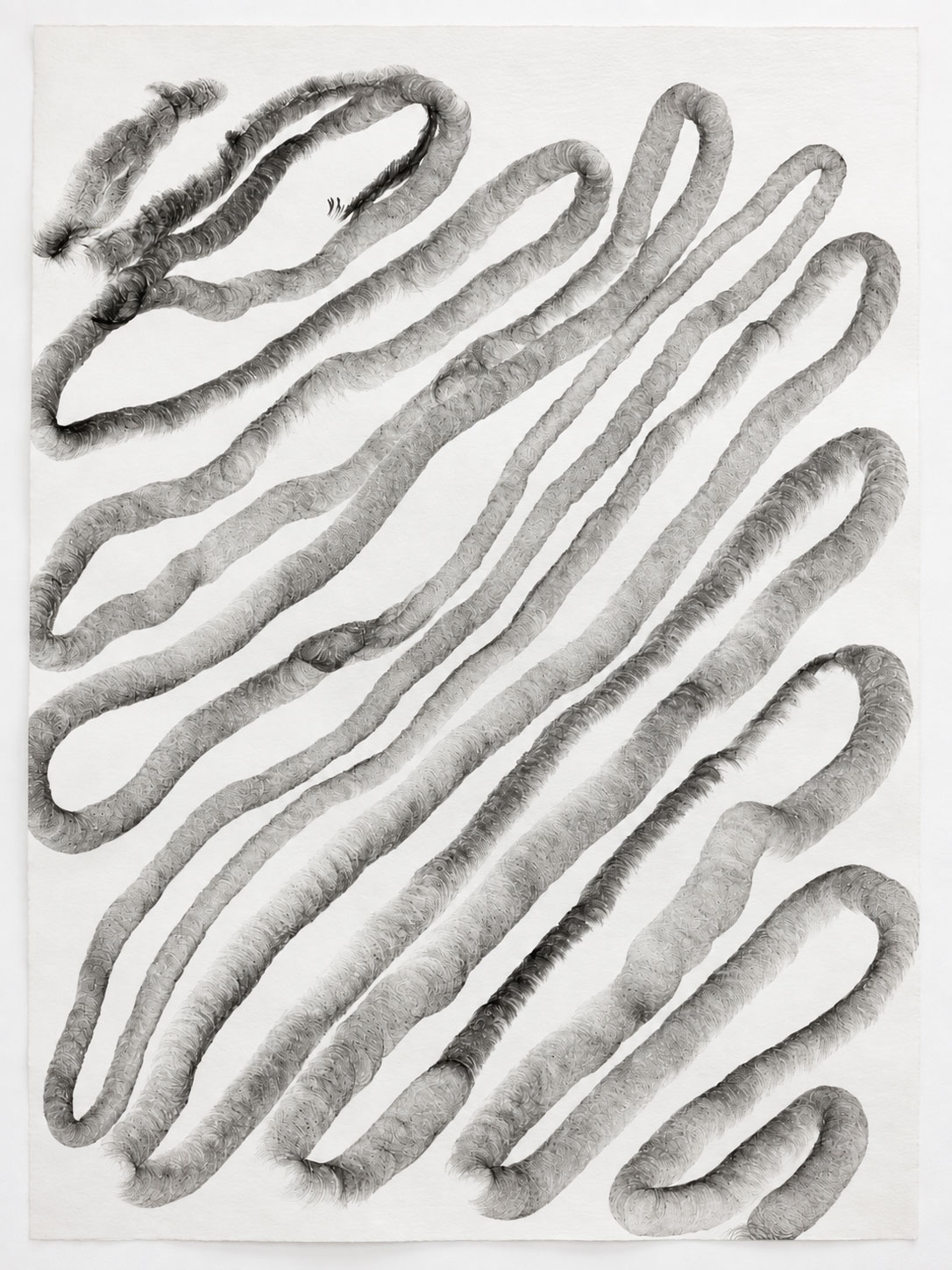
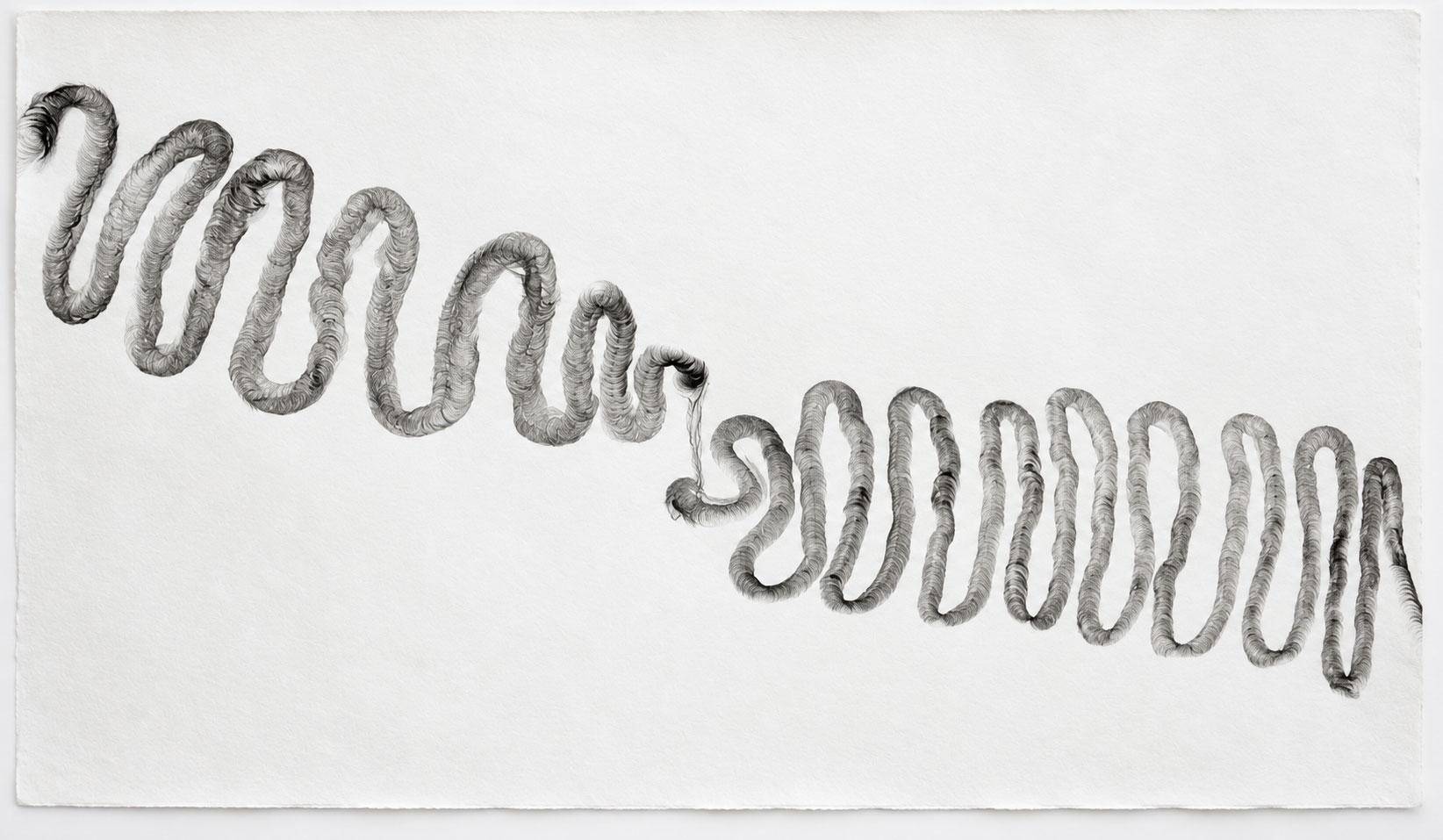
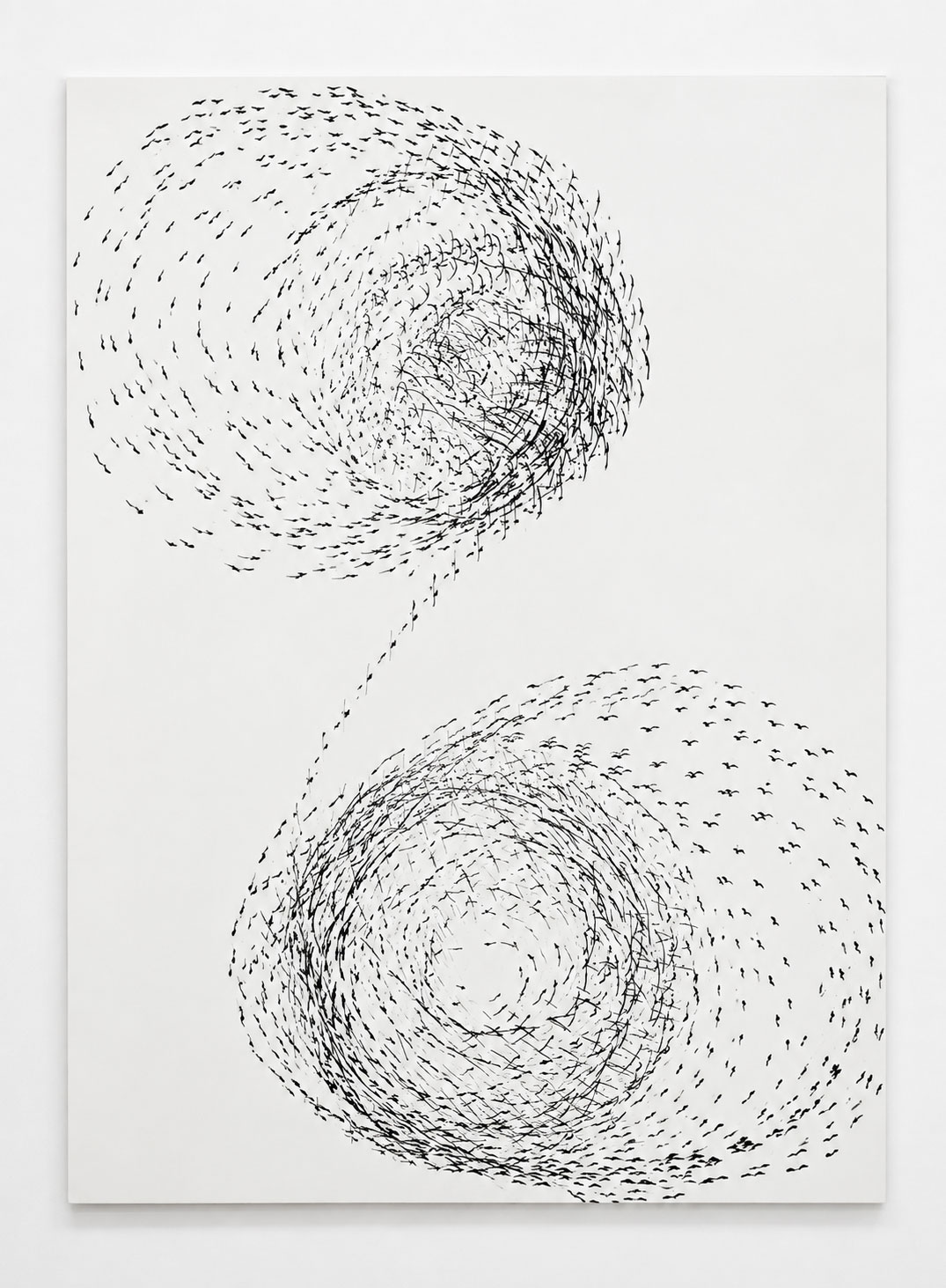
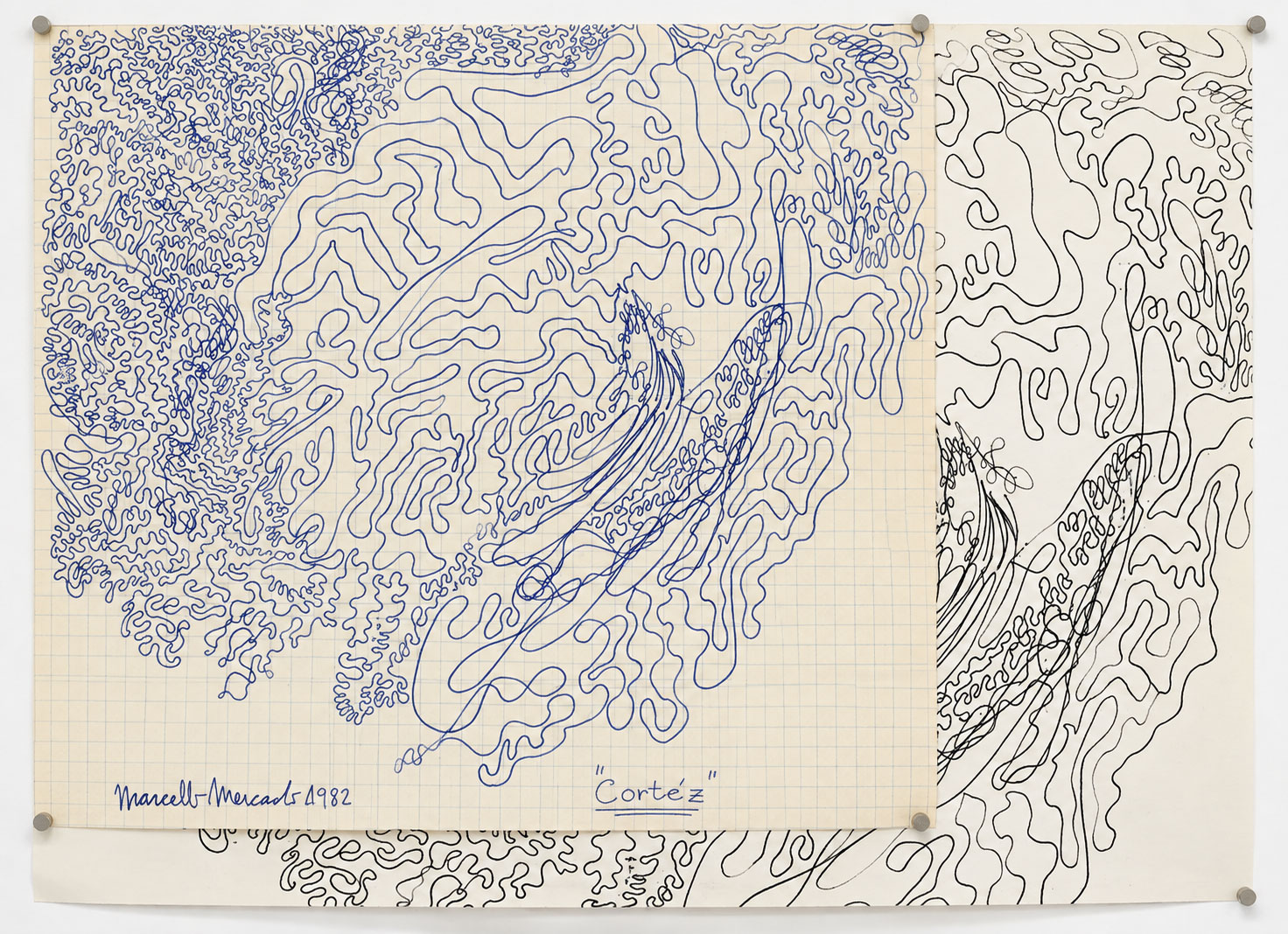
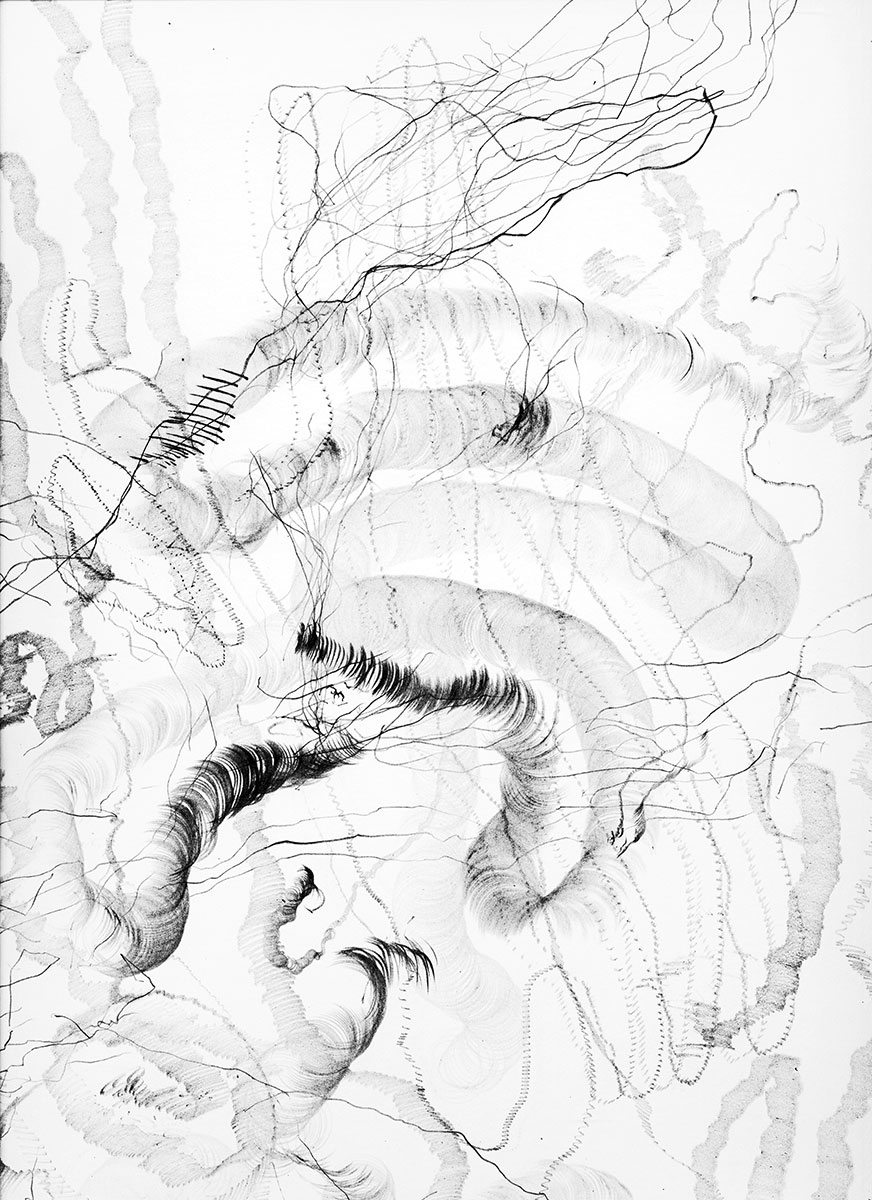
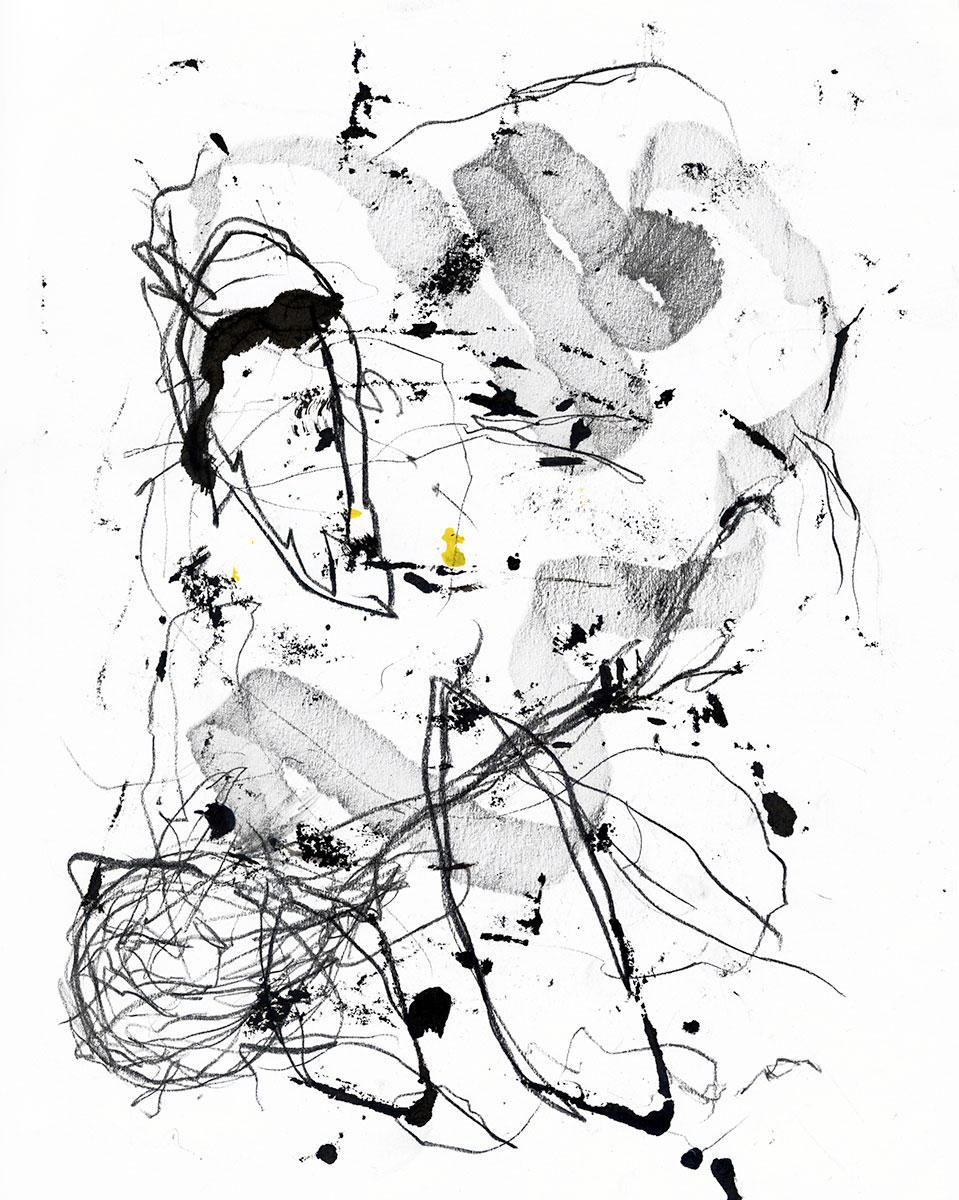
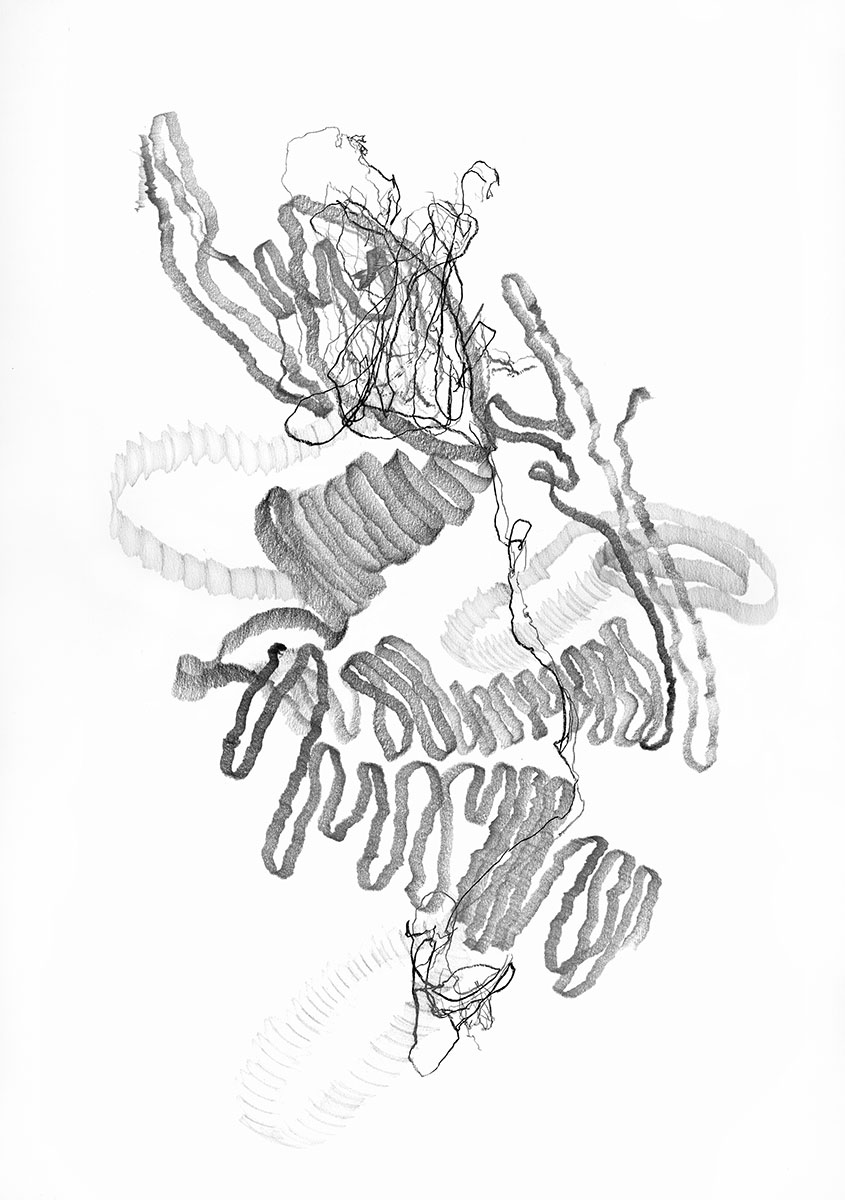
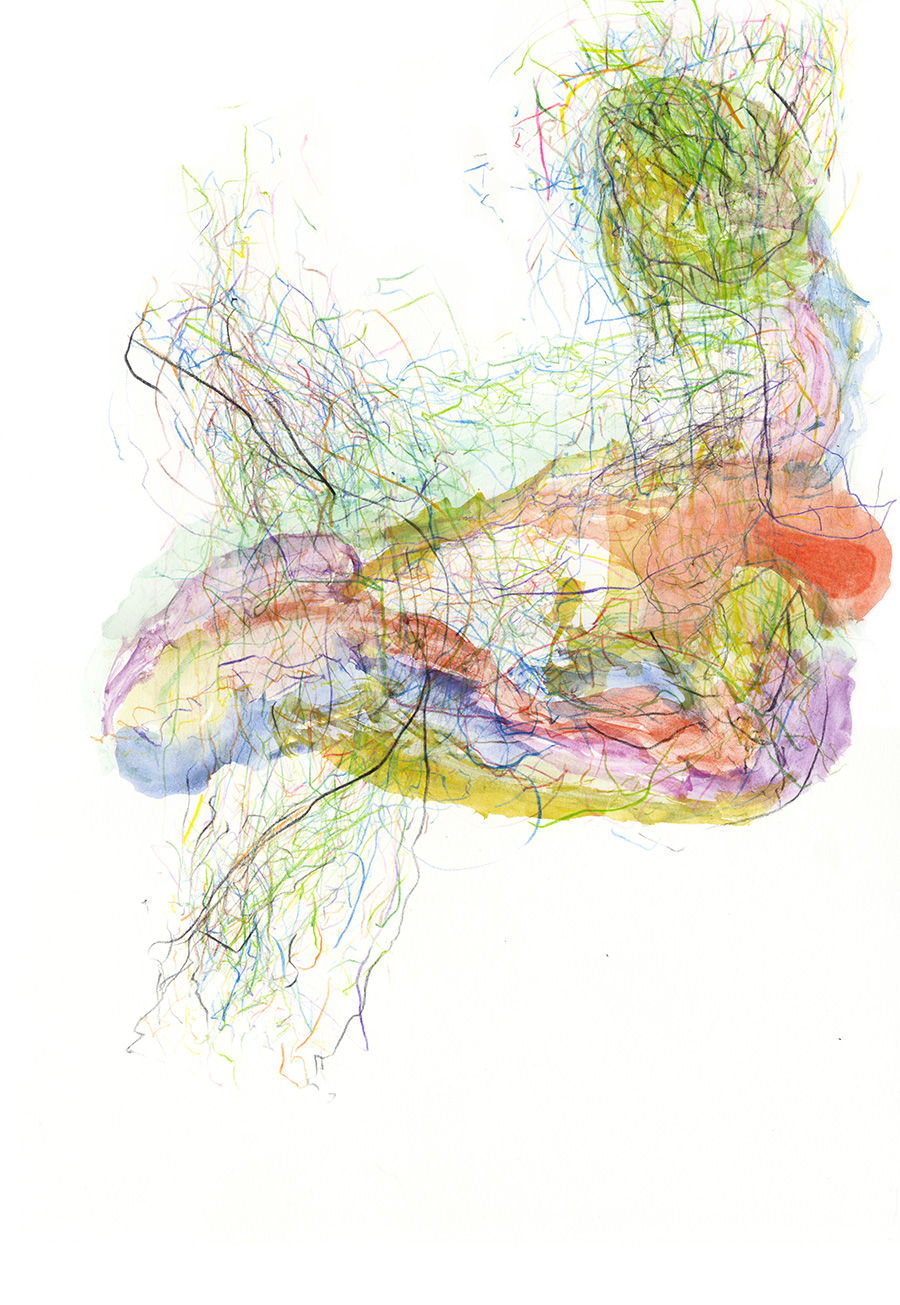
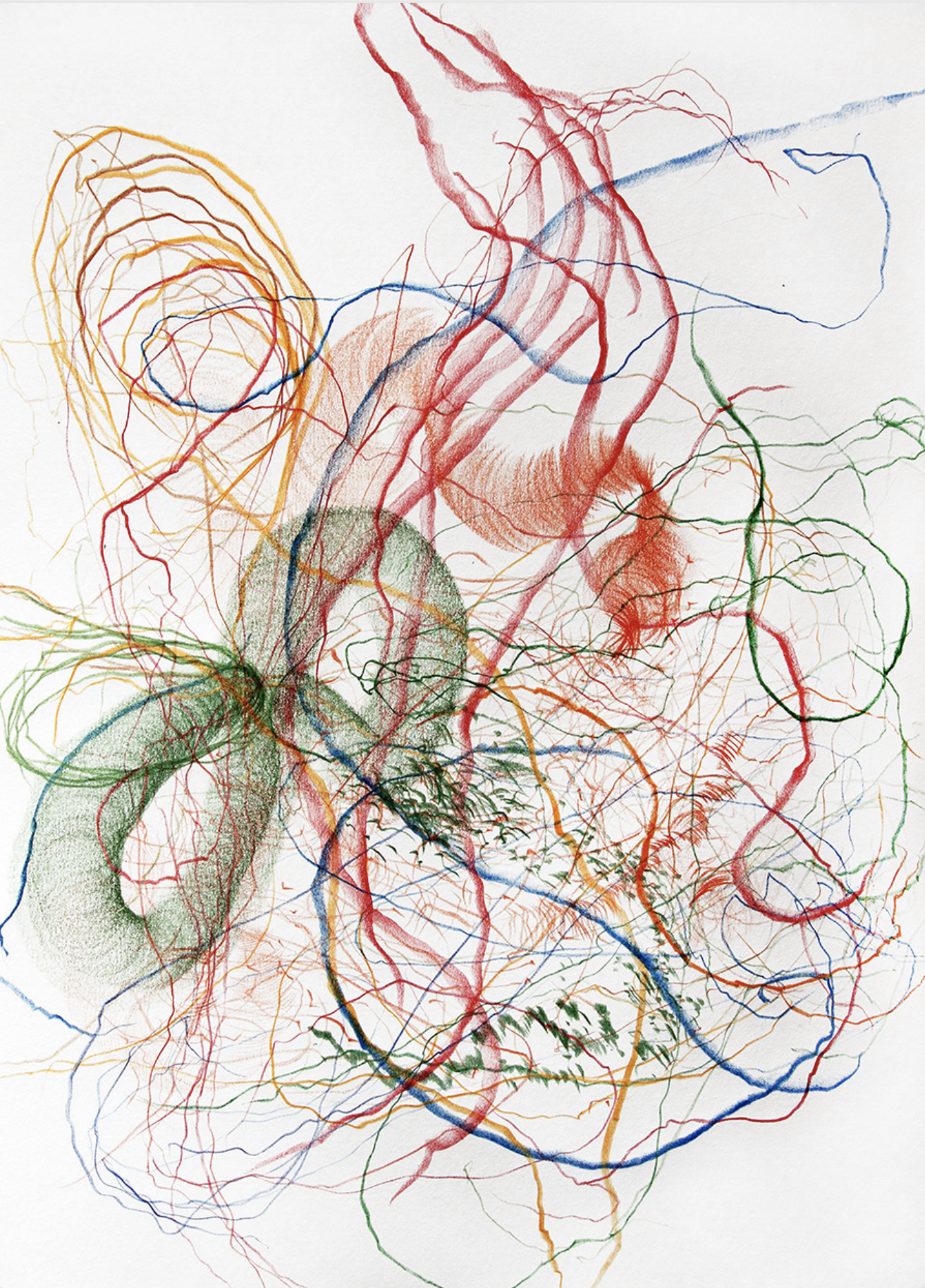
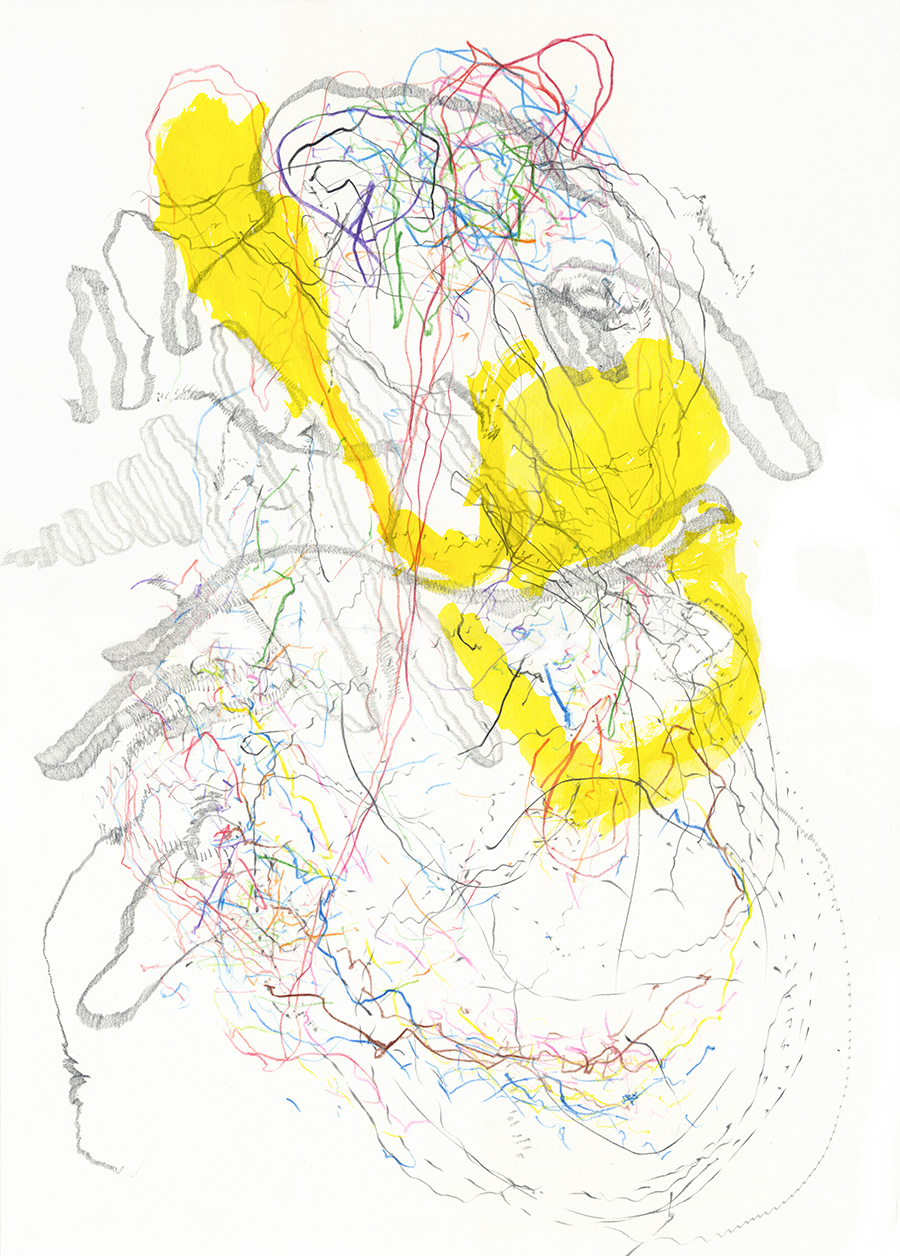
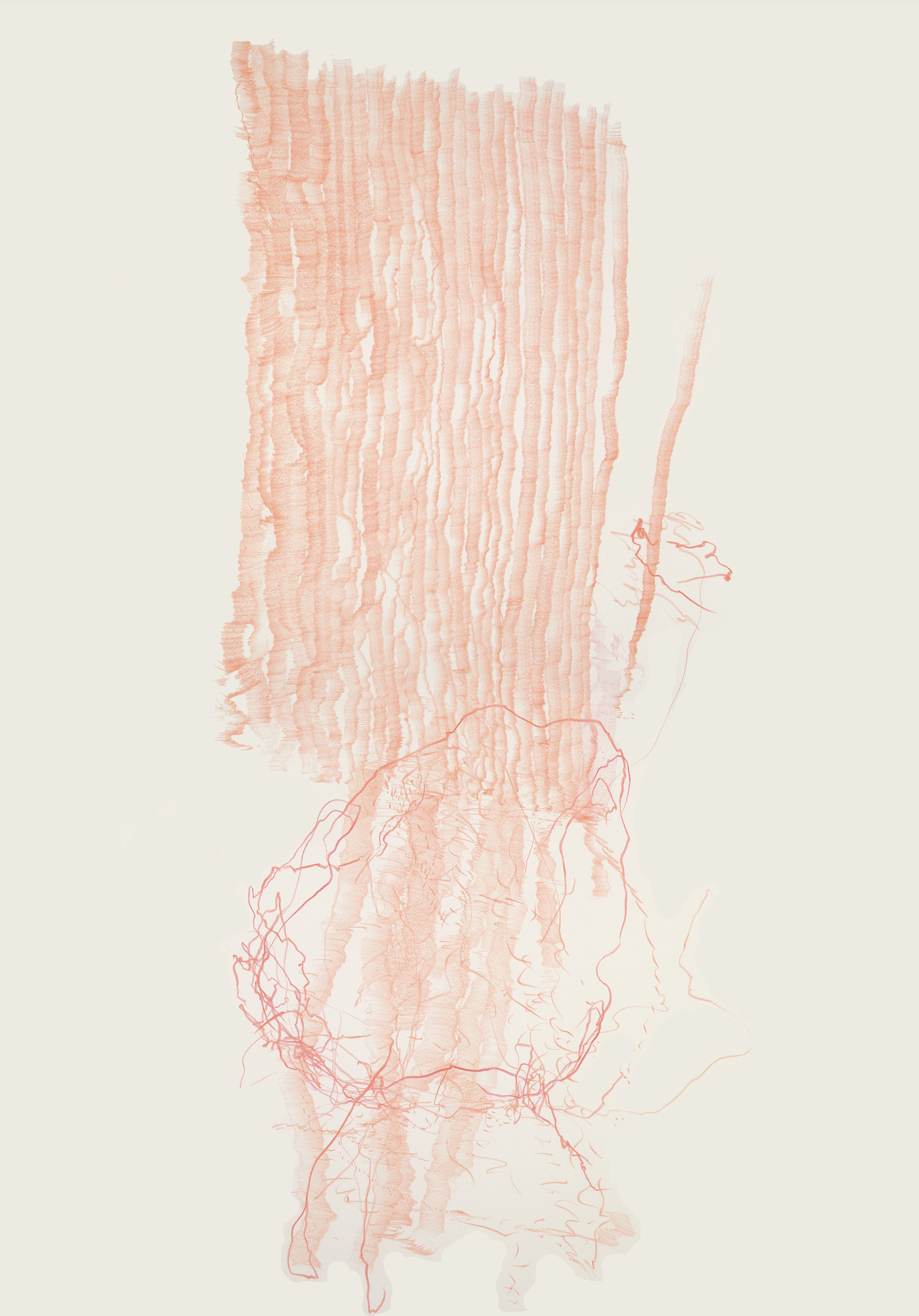
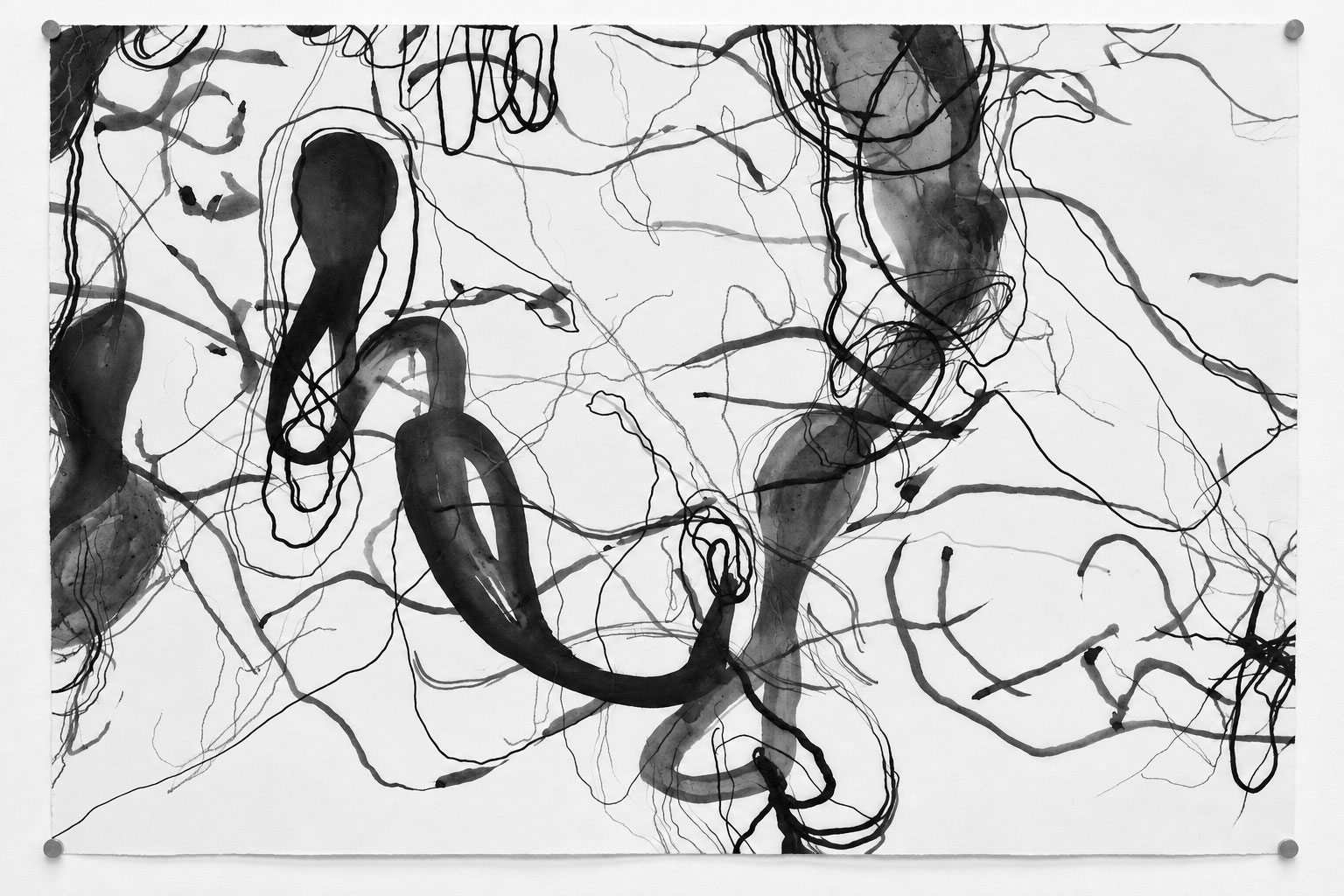
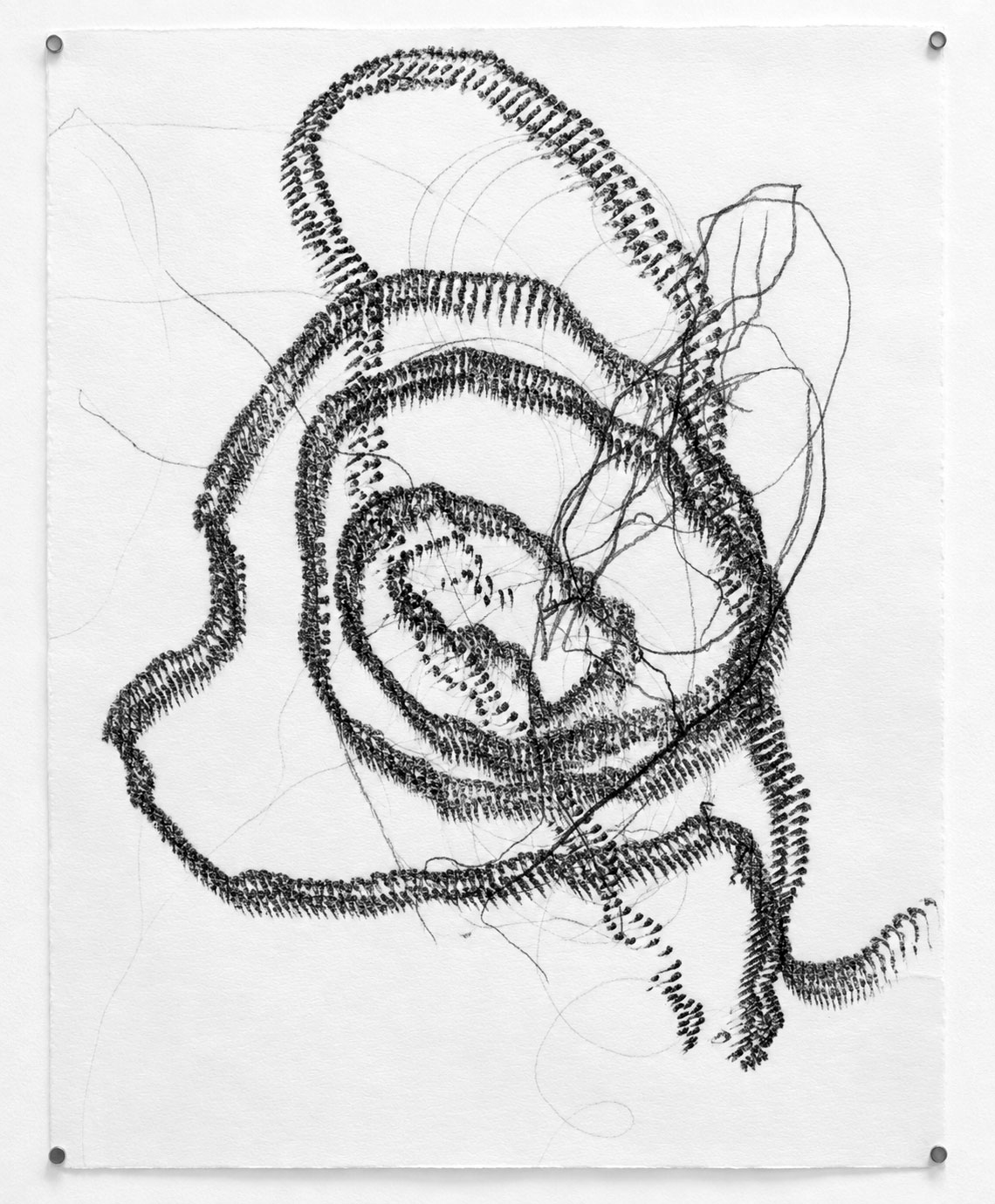
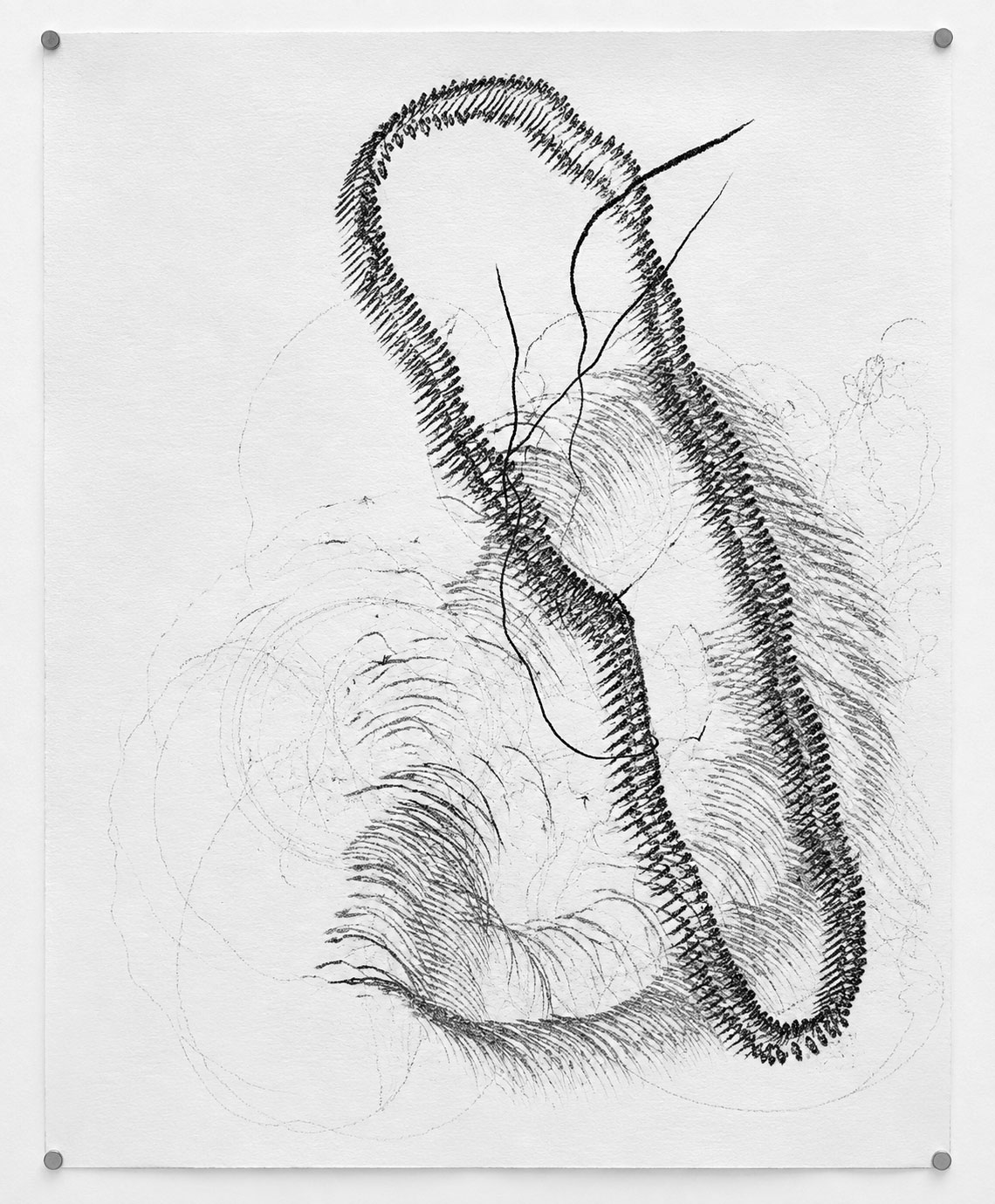
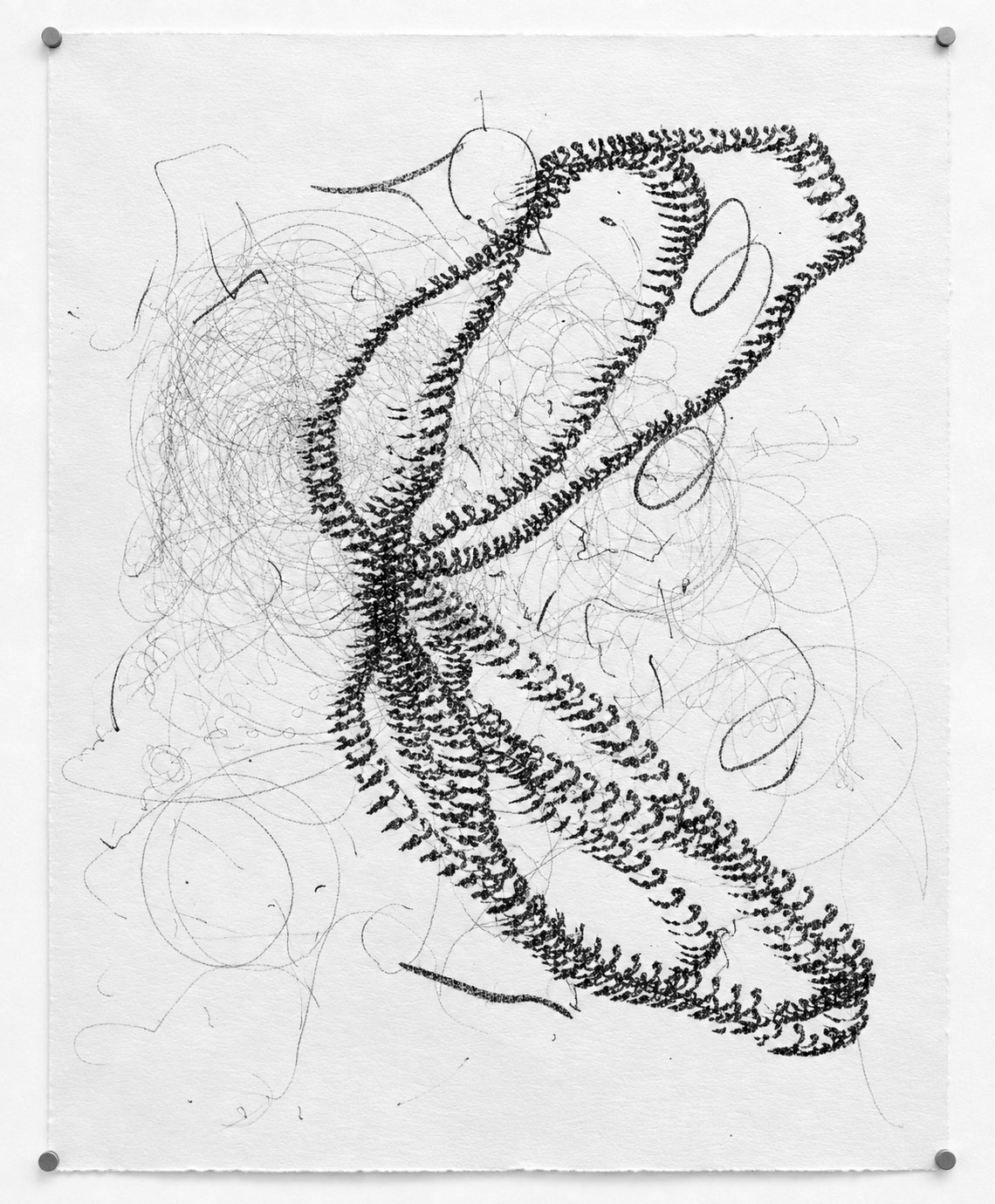
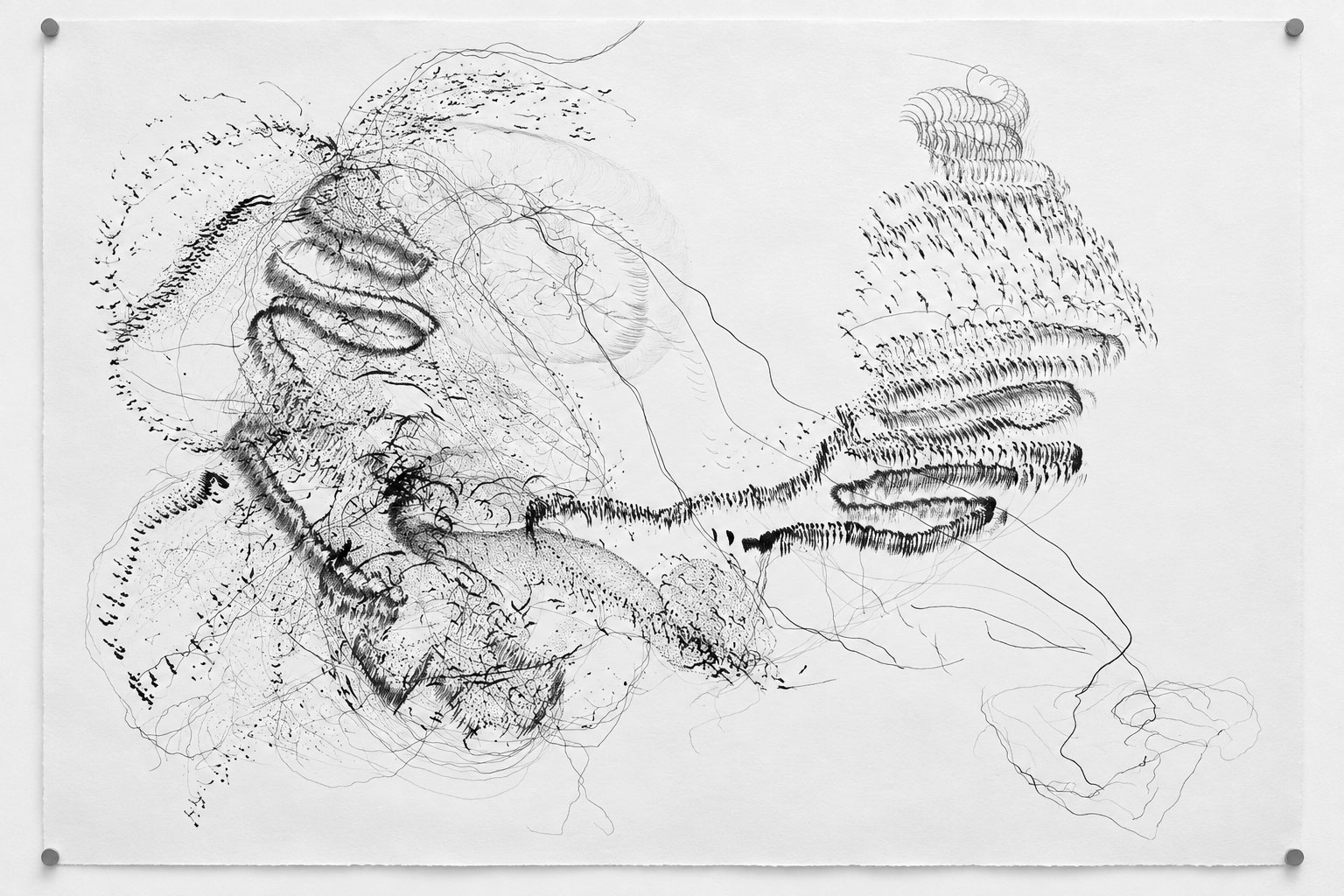
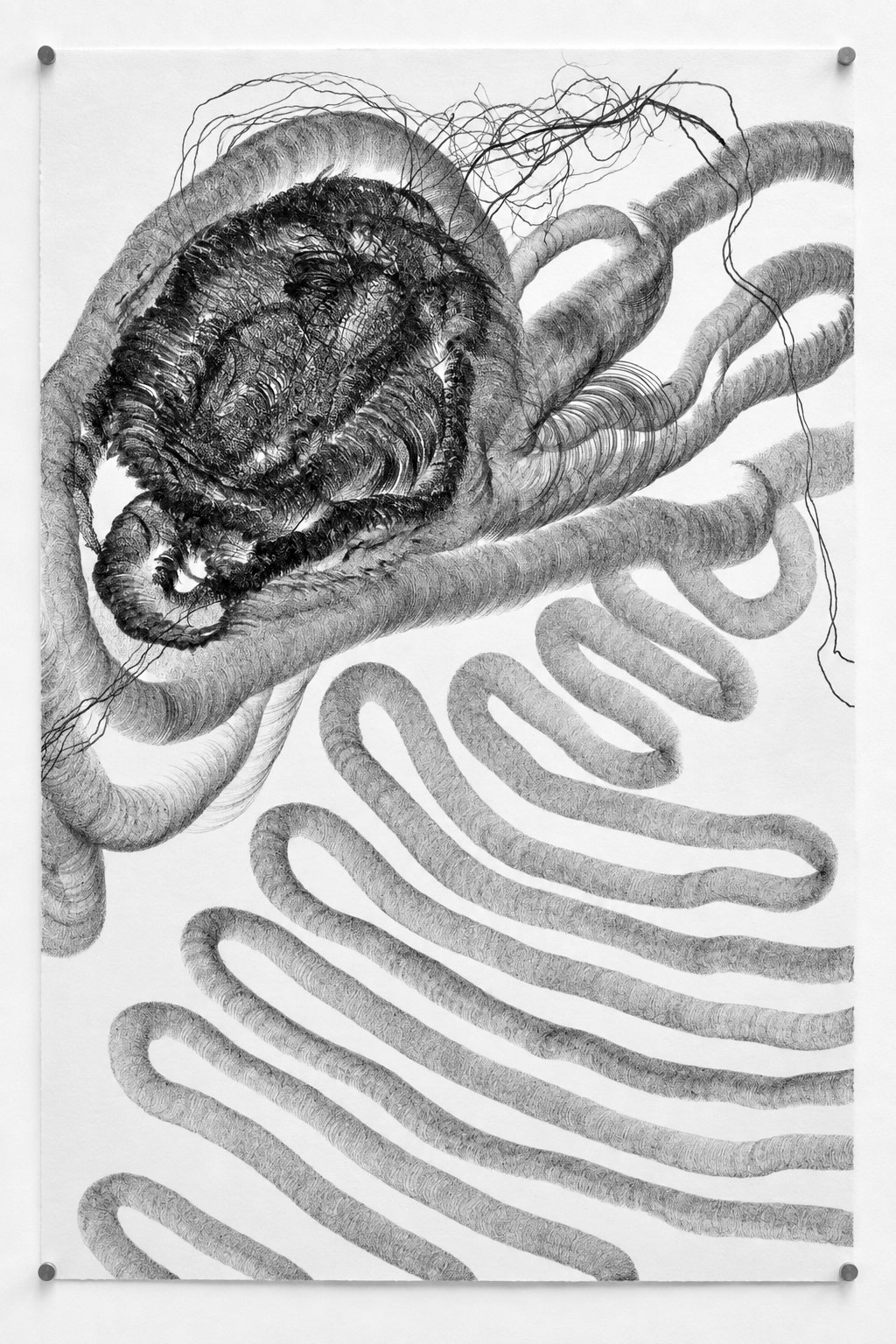
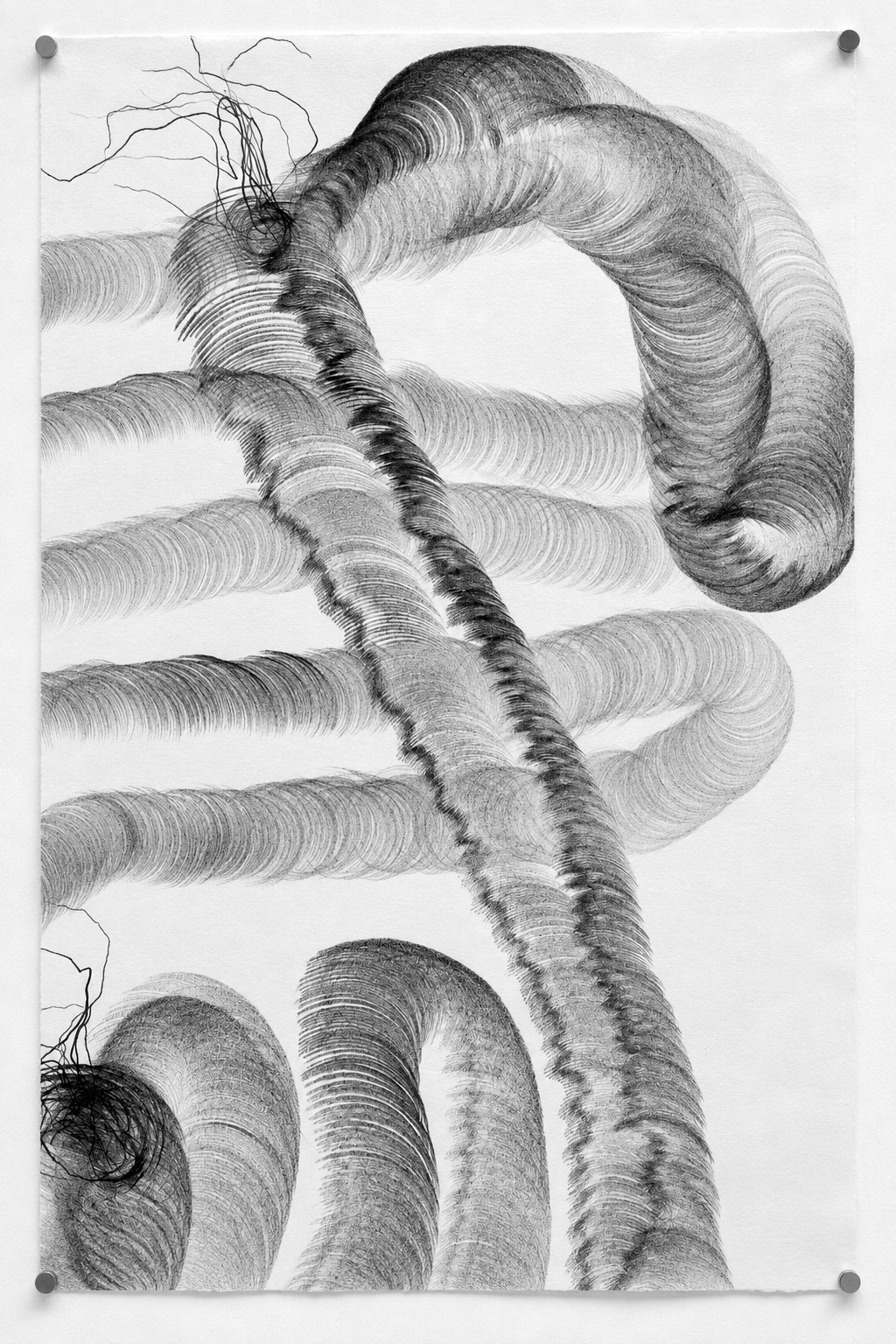
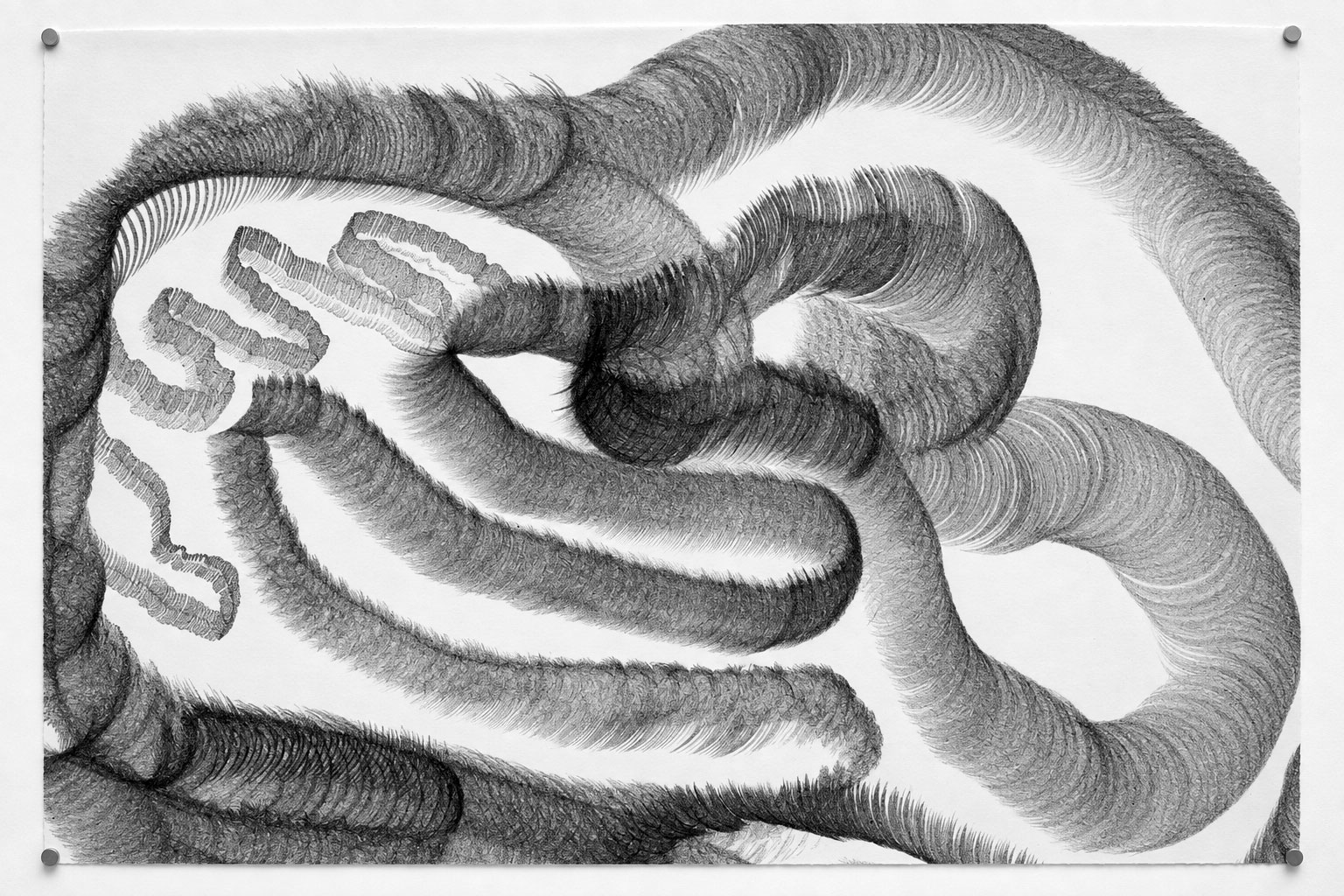
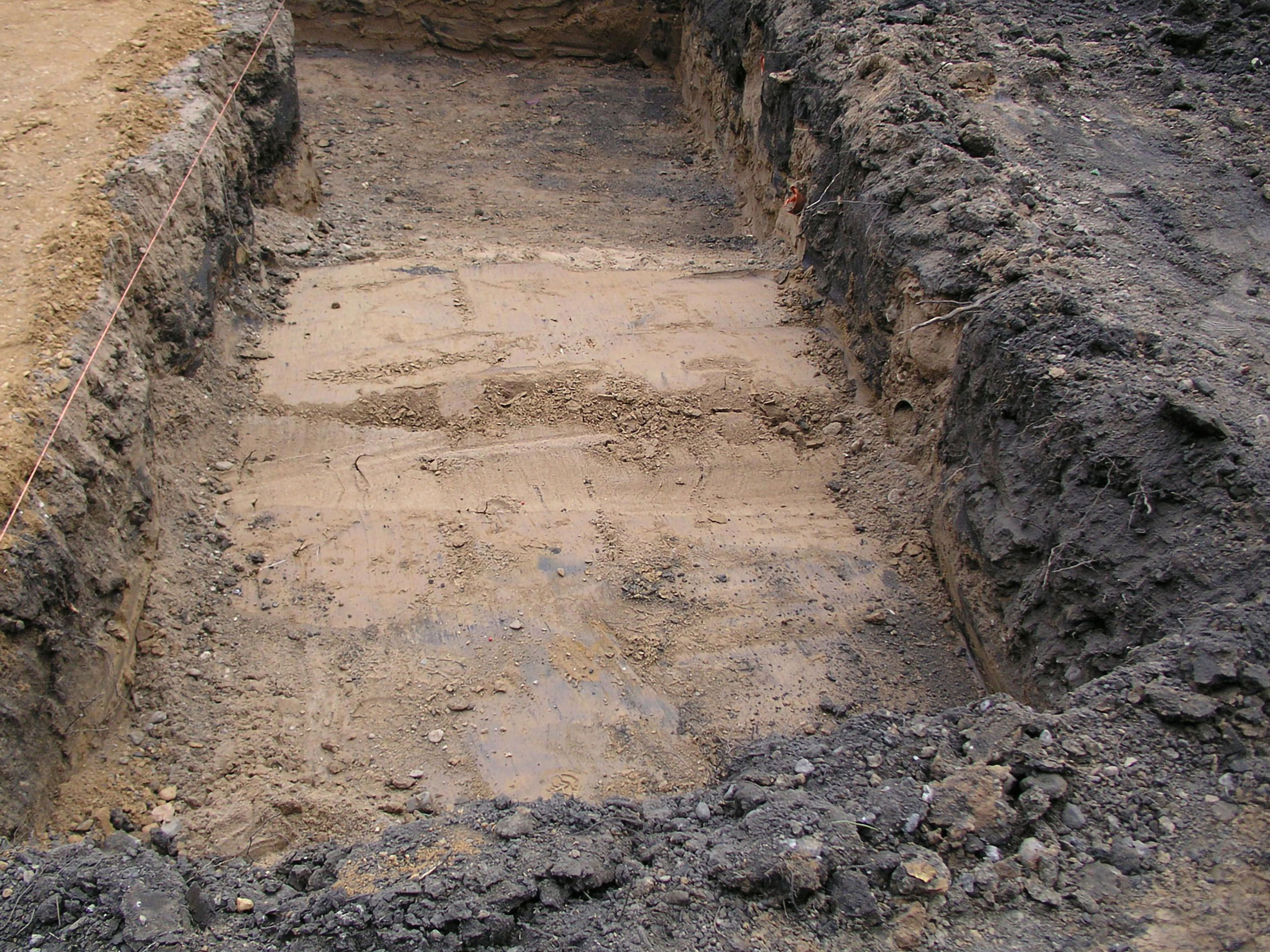
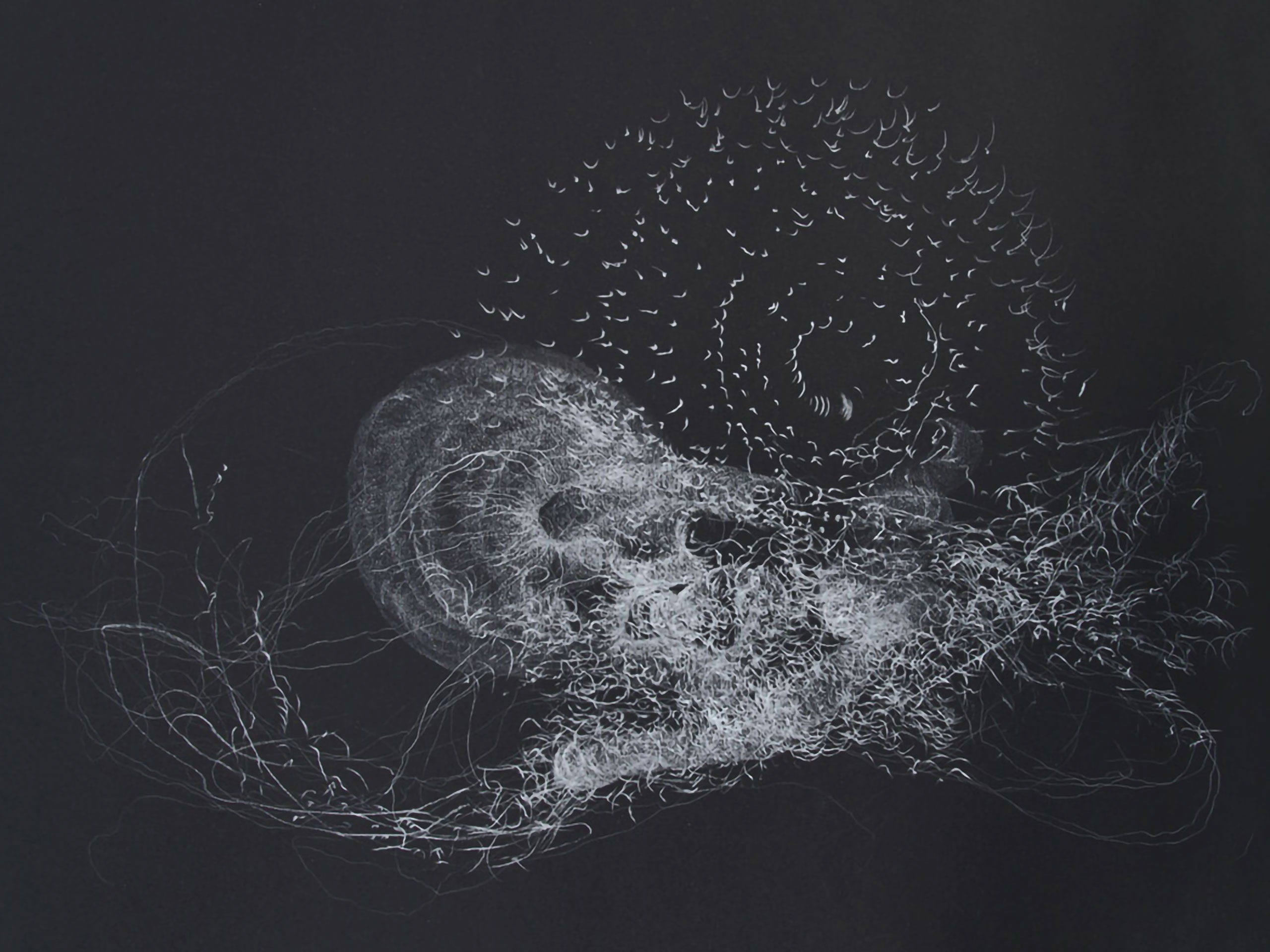
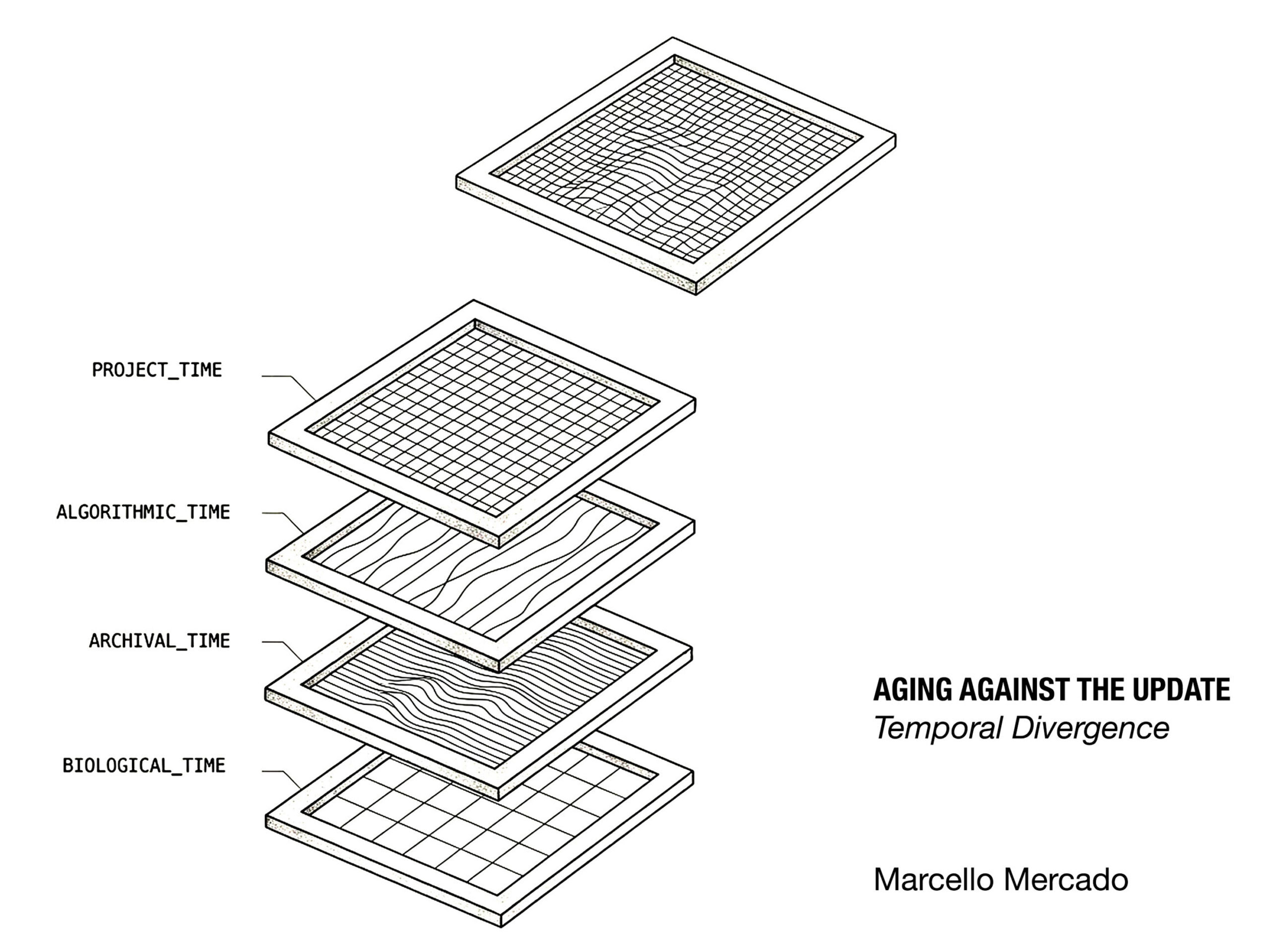
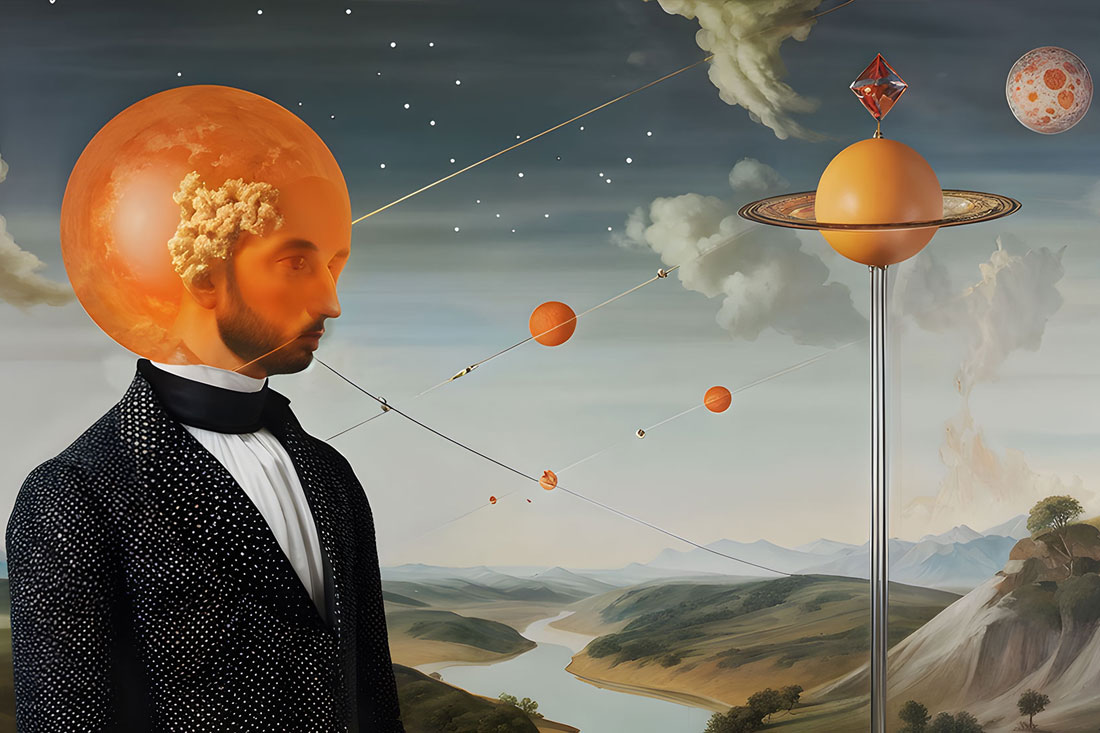
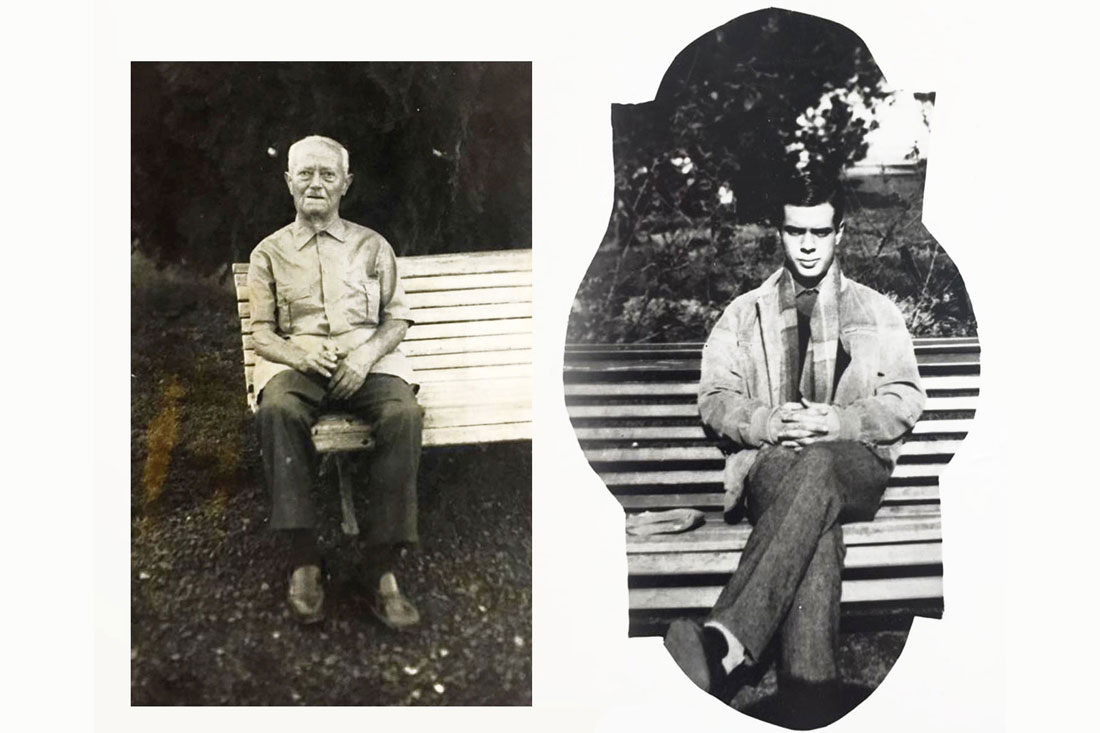
What happens when an elementary action is repeated enough times to produce a form that no longer appears to have been directly drawn?

What happens when an elementary action is repeated enough times to produce a form that no longer appears to have been directly drawn?

Marcello Mercado
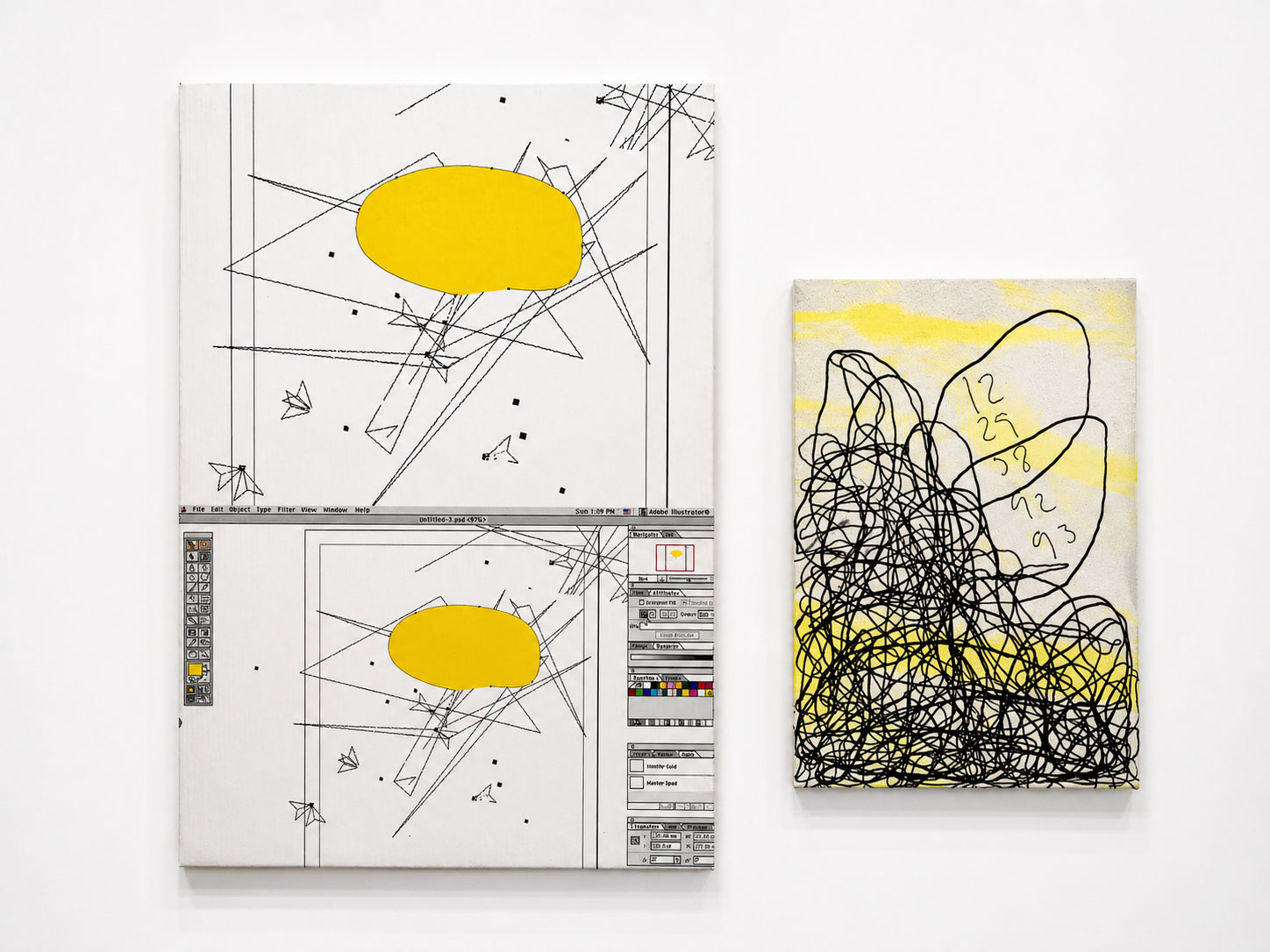
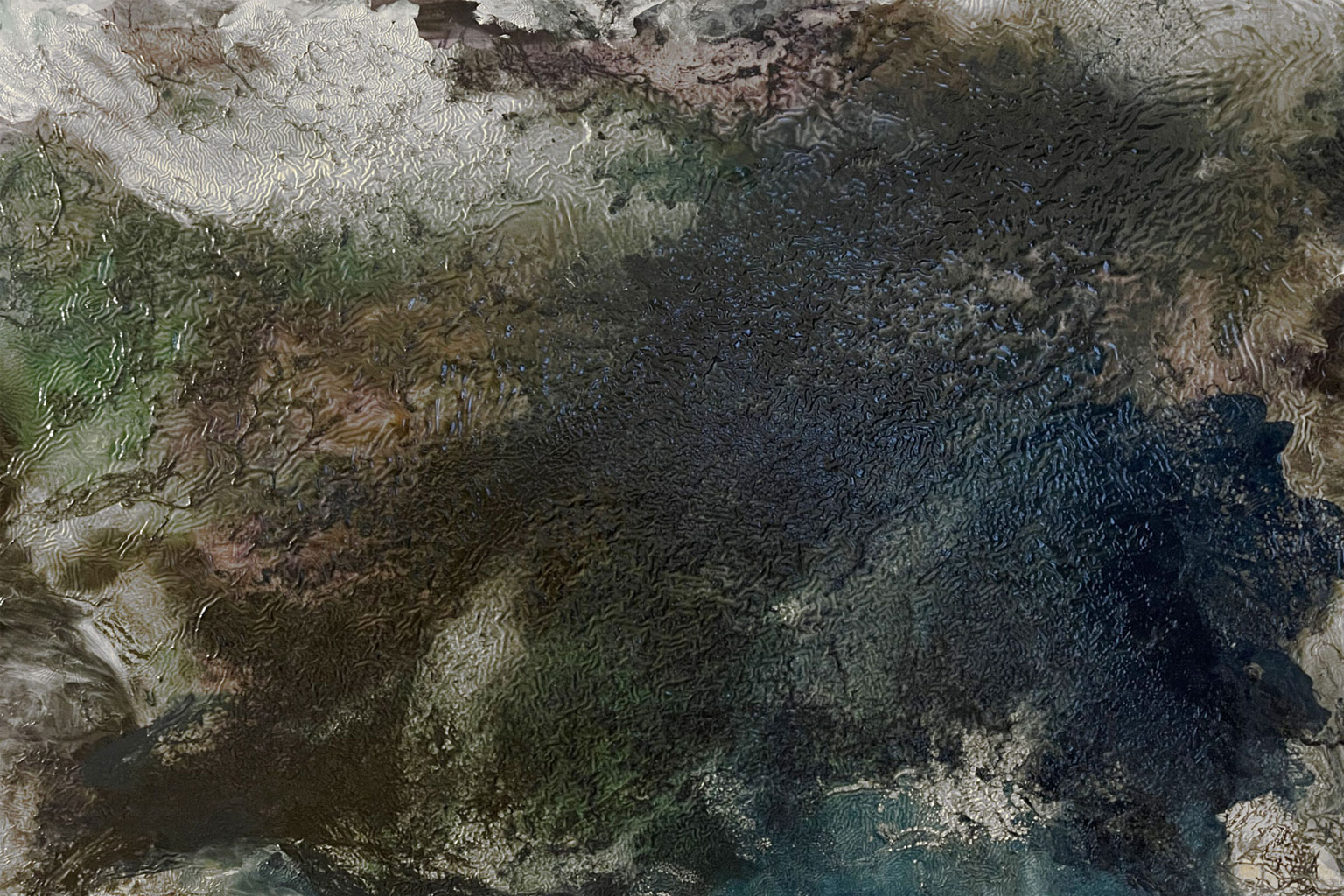
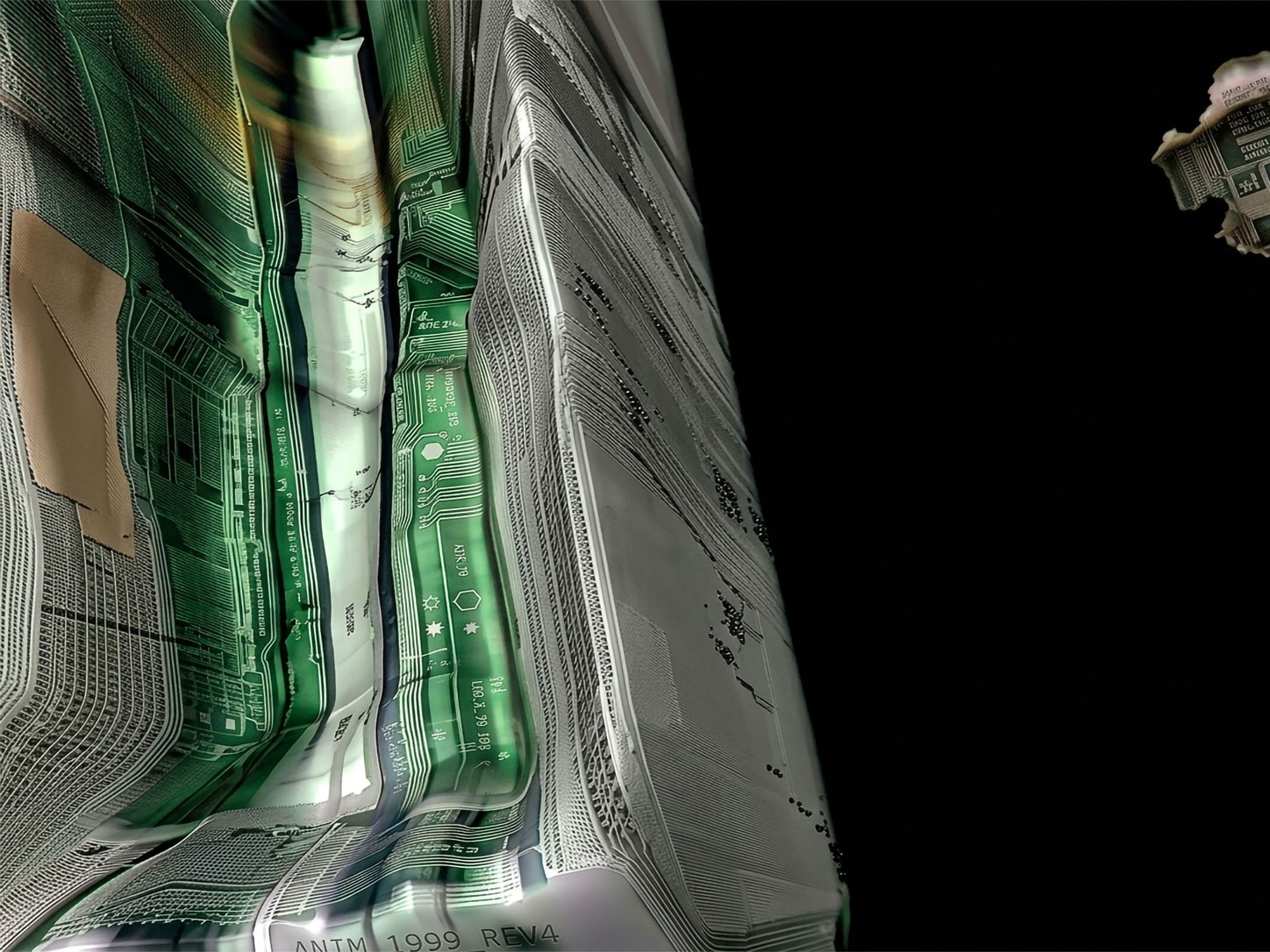
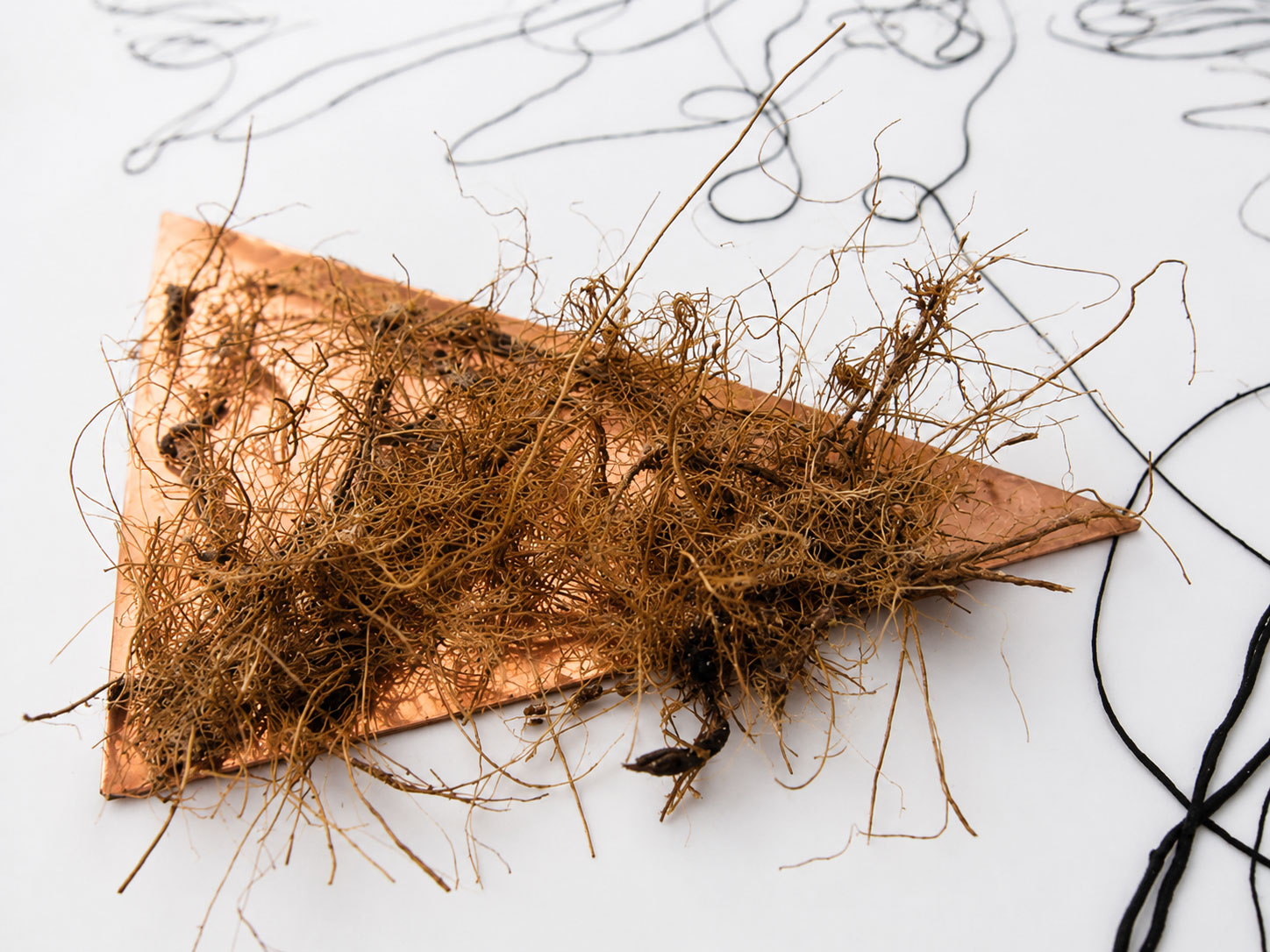
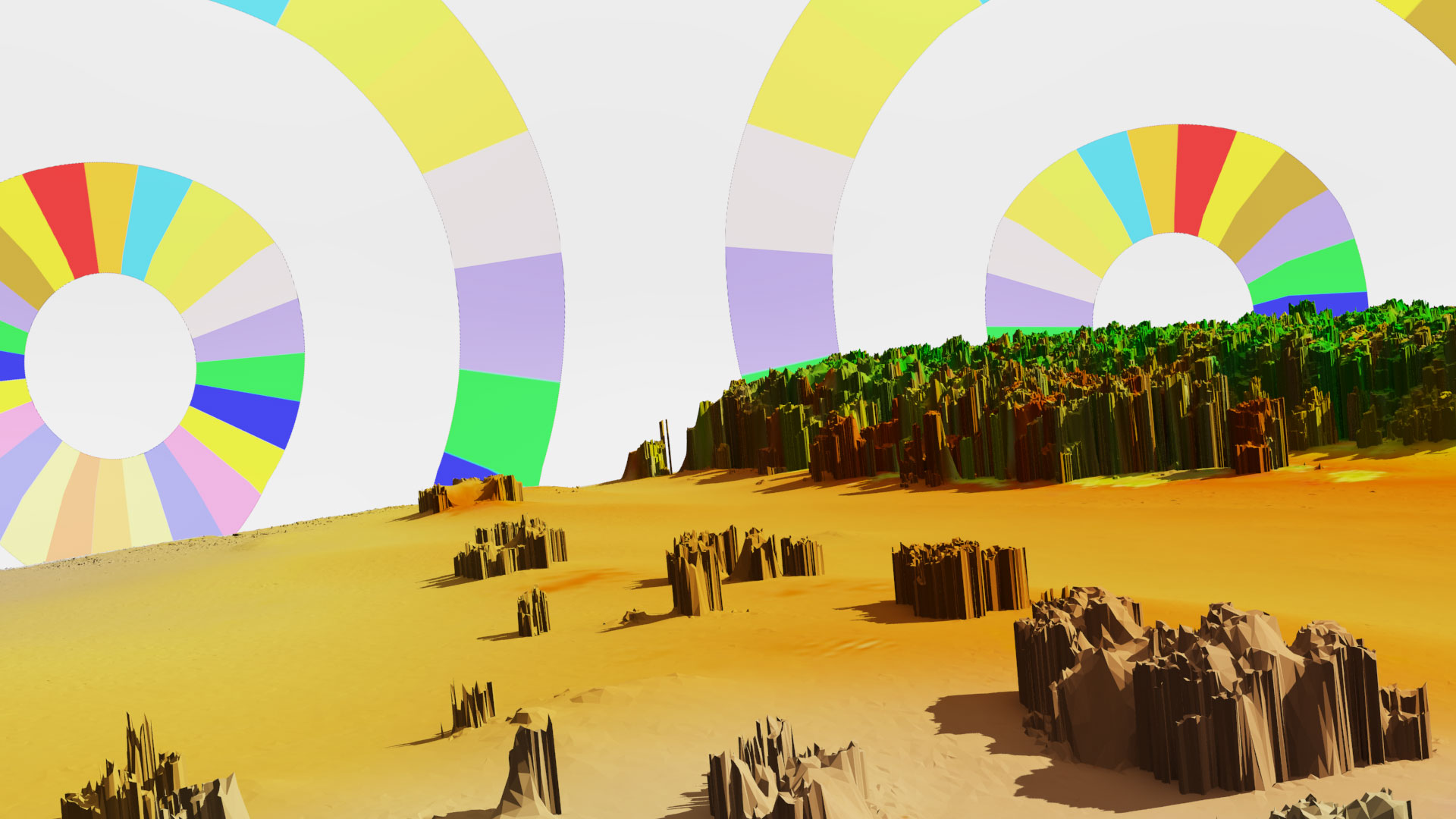
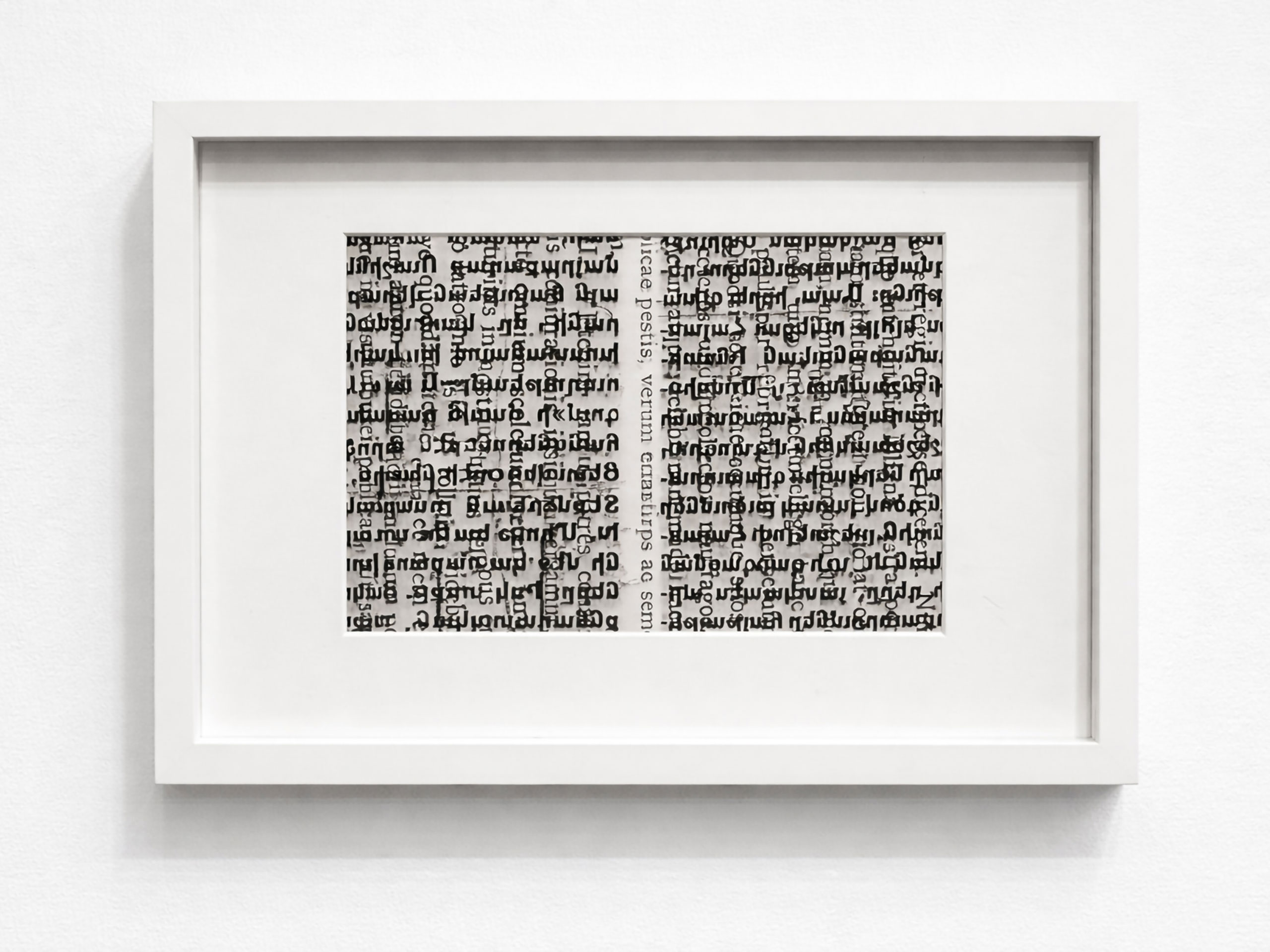
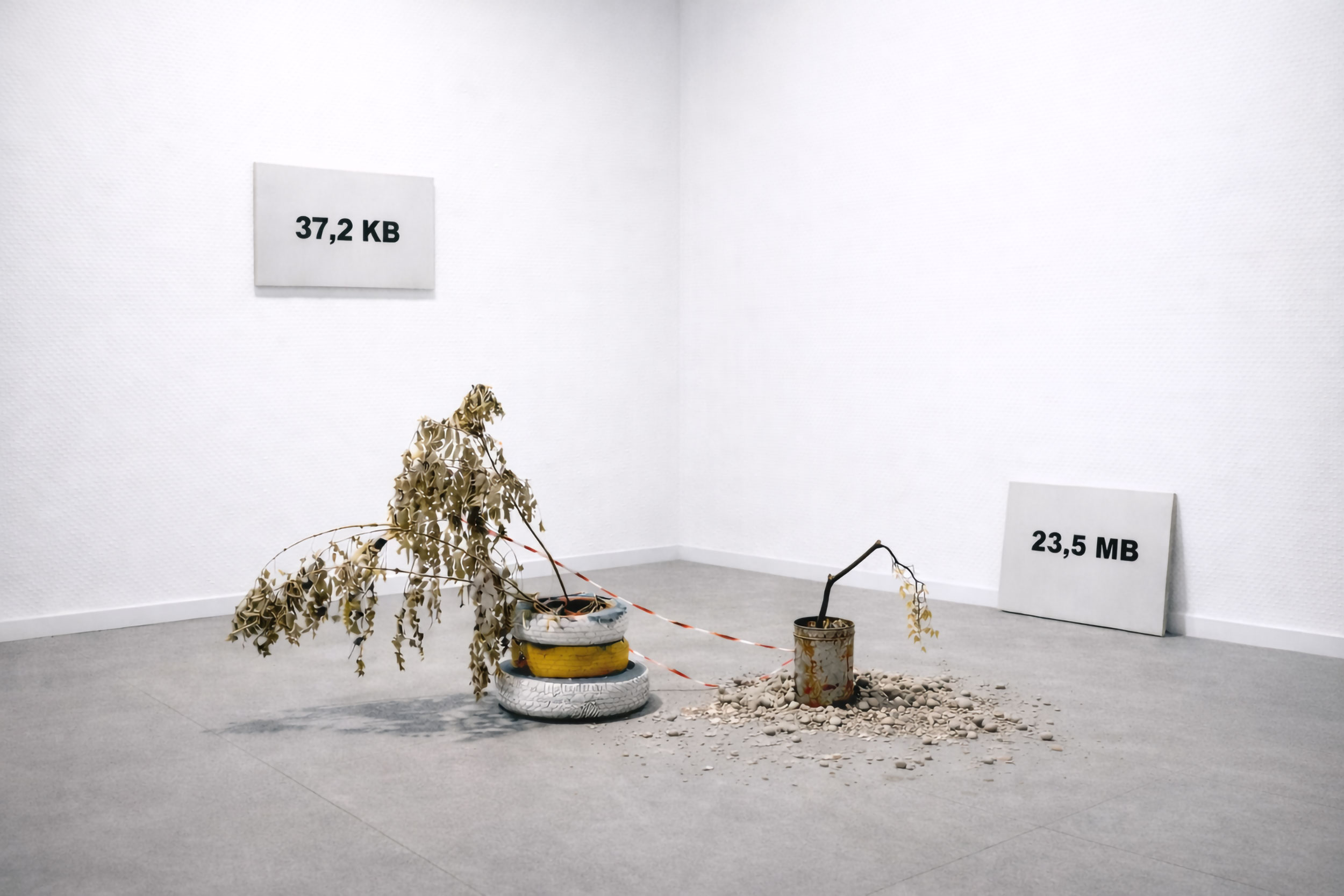
UNSTABLE EVIDENCE brings together works that operate as traces, specimens, and material remains. Across drawing, painting, photography, objects, installation, and computational processes, forms are continually translated, displaced, and transformed. What appears as evidence never stabilizes what it records.

Marcello Mercado
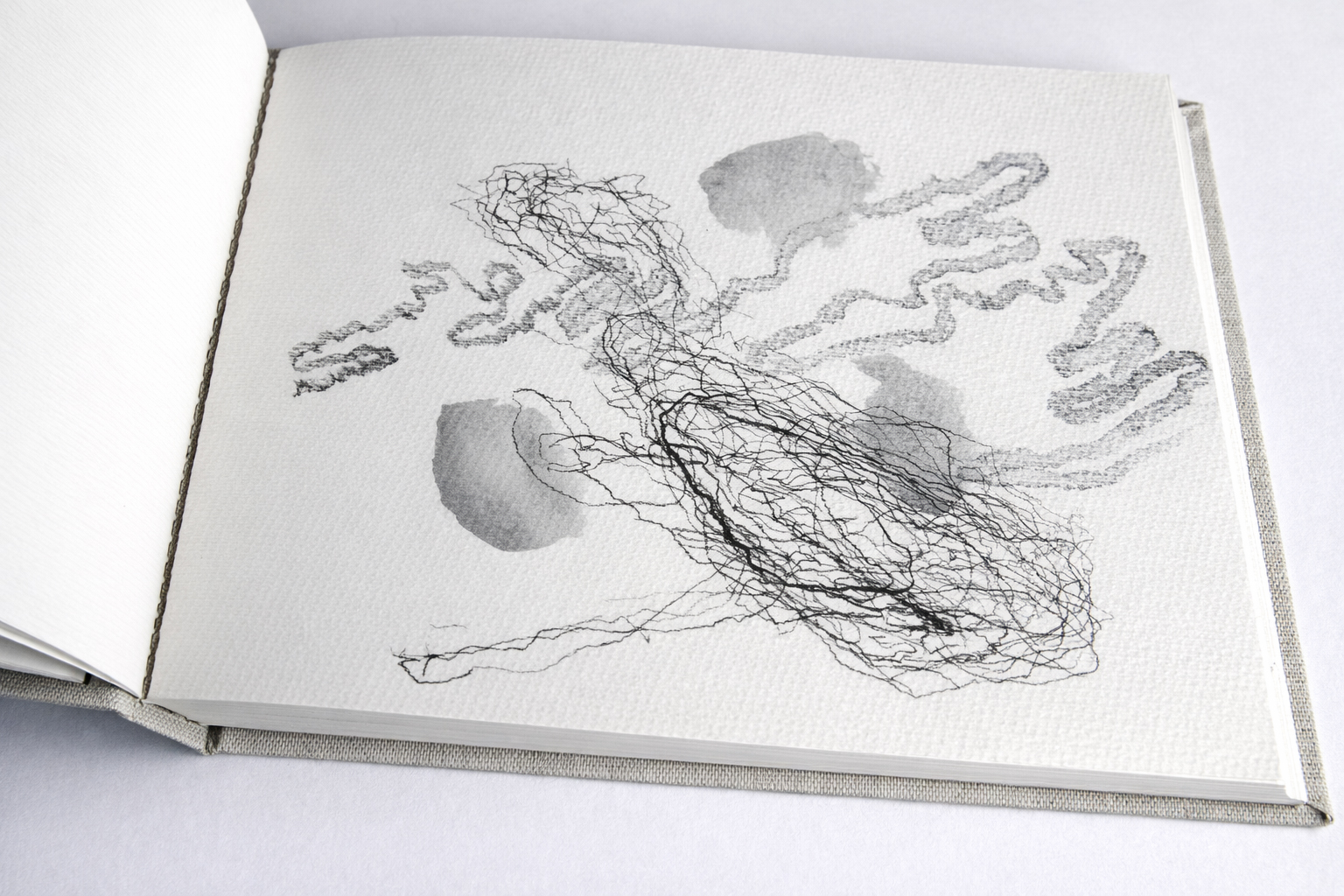
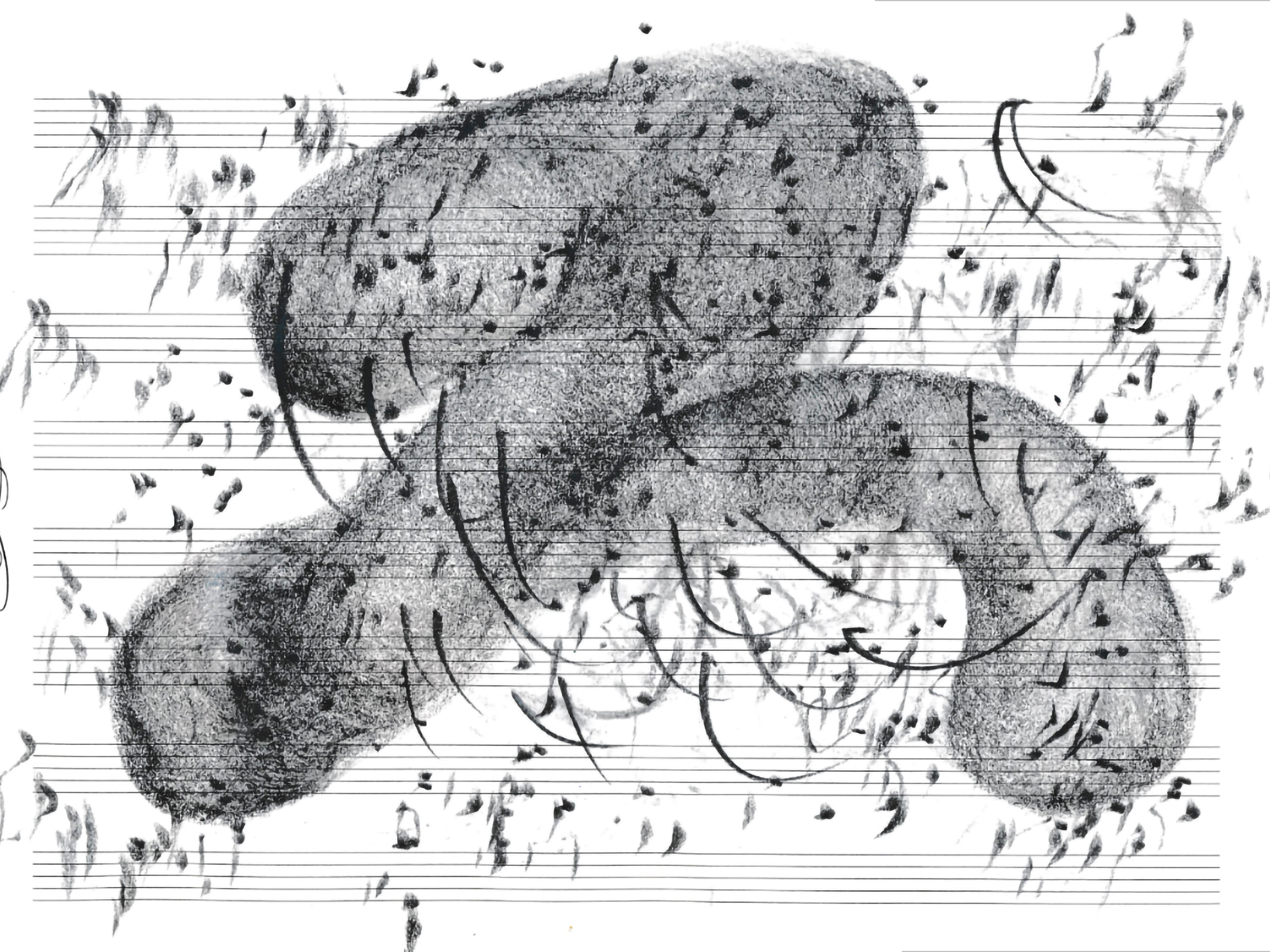
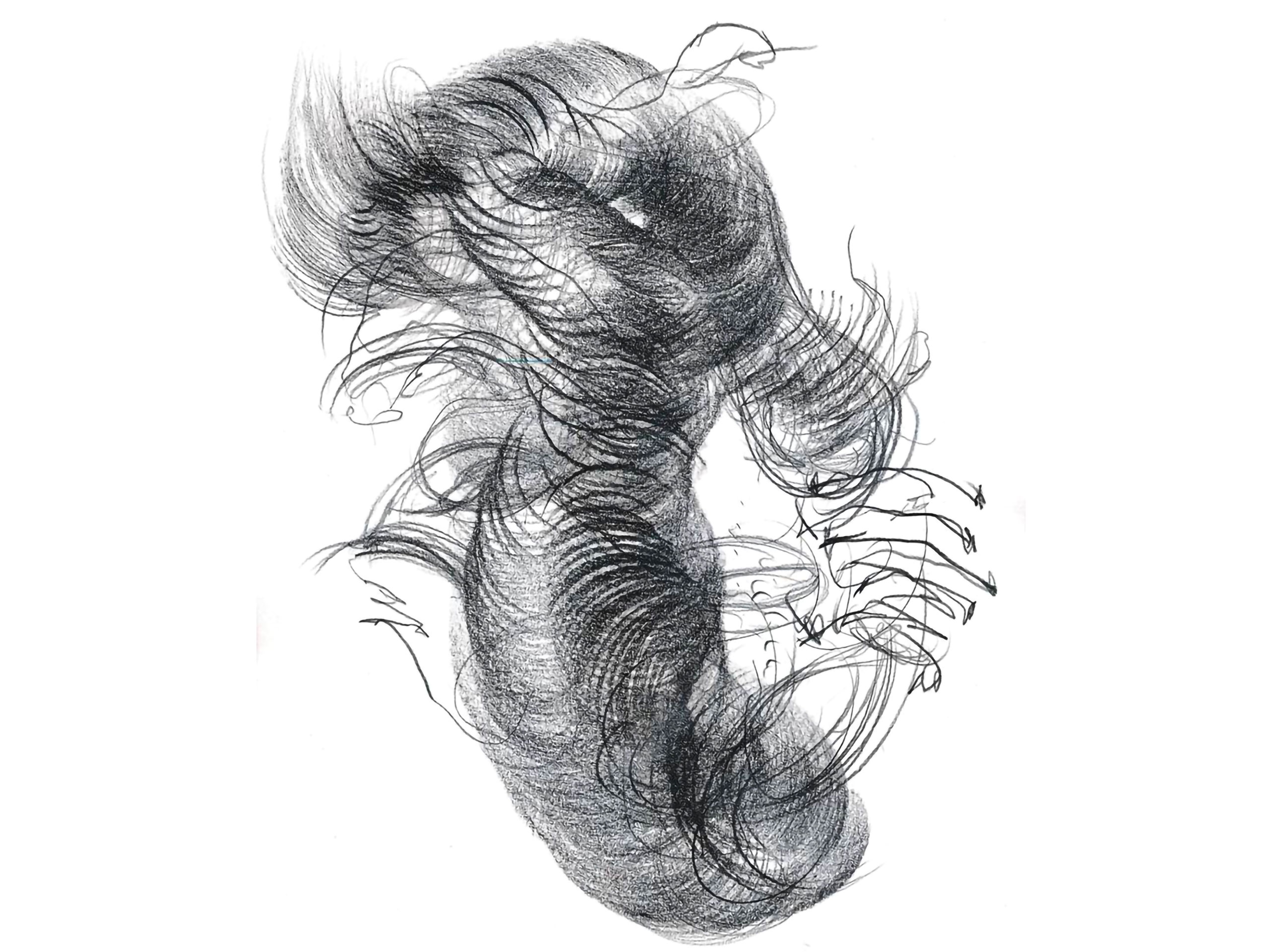
Biological matter becomes information. Sound becomes drawing. Language becomes code. Images can become objects, archives, signals or physical traces. A book can become a navigational device, a landscape can become a recording system and a body can become a surface for inscription.
These works do not depict transitions between media. They operate through them.
Here, material is not understood as a stable substance, but as something temporarily held within a form — capable of being transferred, translated, encoded and reorganised.

Marcello Mercado
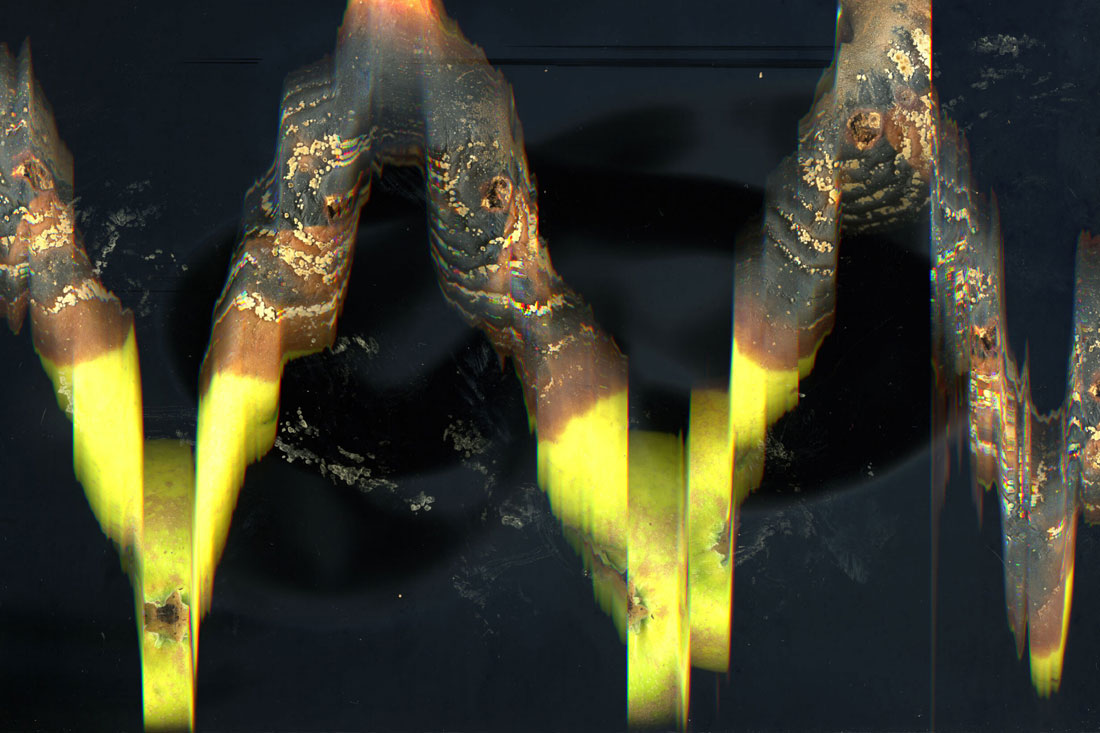
Photography operates here as a system of translation. Images move between archives, drawing, matter, data, and computational processes, changing as they pass from one material state to another.
These works treat images as temporary states within processes of transformation, erosion, and reconstruction.

![]()
![]()
![]()
![]()
IA Film, color, sound, 73 minutes 03″
Music, Edition and Animation: Marcello Mercado
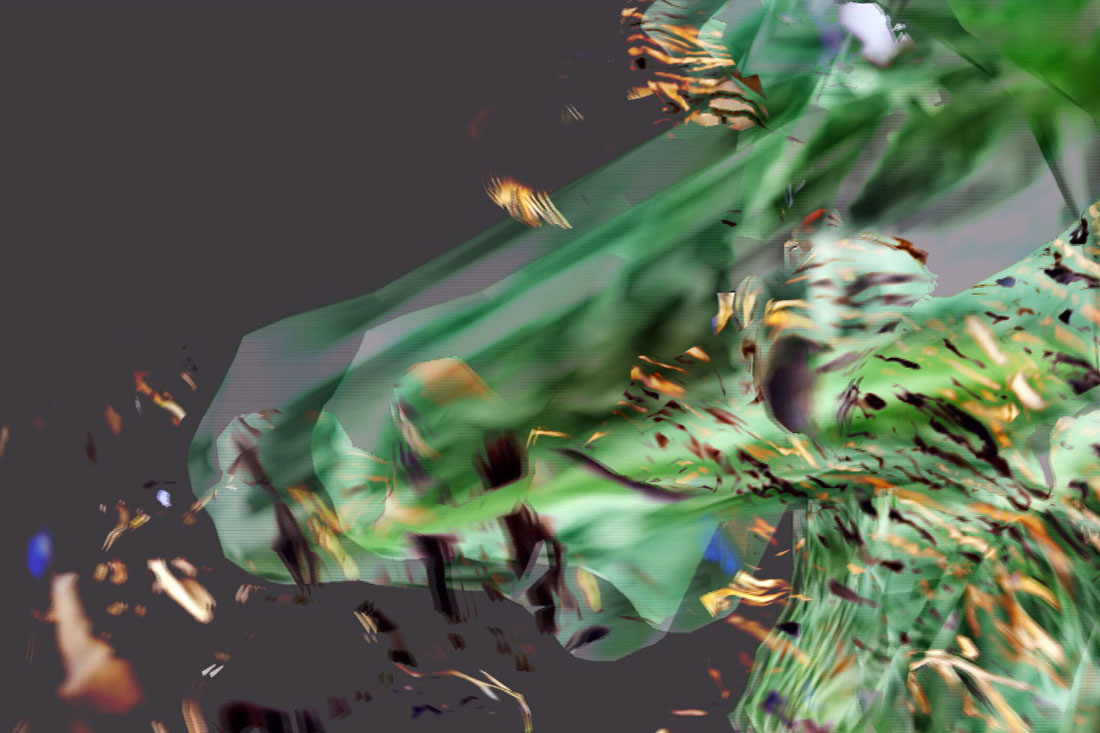
The Hypergaussian Wars is an autonomous AI-driven audiovisual system that examines contemporary
warfare as a computational event—accelerated, non-narrative and detached from human intention.
The work replaces representation with overload, using algorithmic repetition, synthetic noise and visual
saturation to erode meaning. Conflicts unfold without dialogue, protagonists or moral framing, revealing war as
a self-propelling system of perception and data.
Developed from non-existent game simulations and procedural synthetic environments, the images accumulate
until language, agency and temporality begin to collapse. The project extends a line of inquiry initiated in Delete,
shifting from erasure to excess as a strategy for making technological violence and algorithmic vision perceptible.
![]()
![]()
The film reconstructs and recombines the historical evolution of digital game imagery:
8-bit and 16-bit sprites (1970s–1980s)
16/32-bit animation from 1990s consoles
Early polygonal 3D (1995–2000)
Motion-capture realism (2000s)
AI-enhanced photorealism (2010–2020)
These incompatible aesthetic epochs appear simultaneously, creating a hybrid visual field where obsolete avatars and
high-definition bodies operate in the same algorithmic battlefield.
The result is a layered temporality in which technological residues and contemporary machine vision contaminate one another.
Hypergaussian functions form both the conceptual and technical foundation of the work. Operating in high-dimensional spaces,
they generate complex transformations that structure the chaotic yet coherent choreography of war. They enable:
Procedural motion synthesis for erratic but fluid character behaviors
Controlled algorithmic glitches introducing distortions and disruption
Audio-visual coupling, allowing sonic and visual glitches to mutate in parallel
The title refers to this mathematical model of conflict: a war fought inside algorithmic space.
The film integrates AI-driven editing with the imperfections of early cinema—unstable tracking, mechanical
crane errors, degraded textures and contaminated frames. These artefacts anchor the digital violence within the
memory of analogue failure, creating a temporal loop between the past and future of image-making.
The Hypergaussian Wars negotiates the boundary between computation and vision, proposing a speculative
archaeology of digital warfare. It positions conflict not as a narrative to be told, but as a system of automated
seeing—where obsolete forms, emergent AI logics and overloaded image systems are forced to coexist.
For screenings, research presentations or institutional inquiries:

Still from The Hypergaussian Wars (2025); algorithmic interaction between obsolete and AI-generated forms.

Marcello Mercado
Installation
1990 – 2025




.
(Spanish)
Anatomías de código muerto
Instalación
1990 – 2025
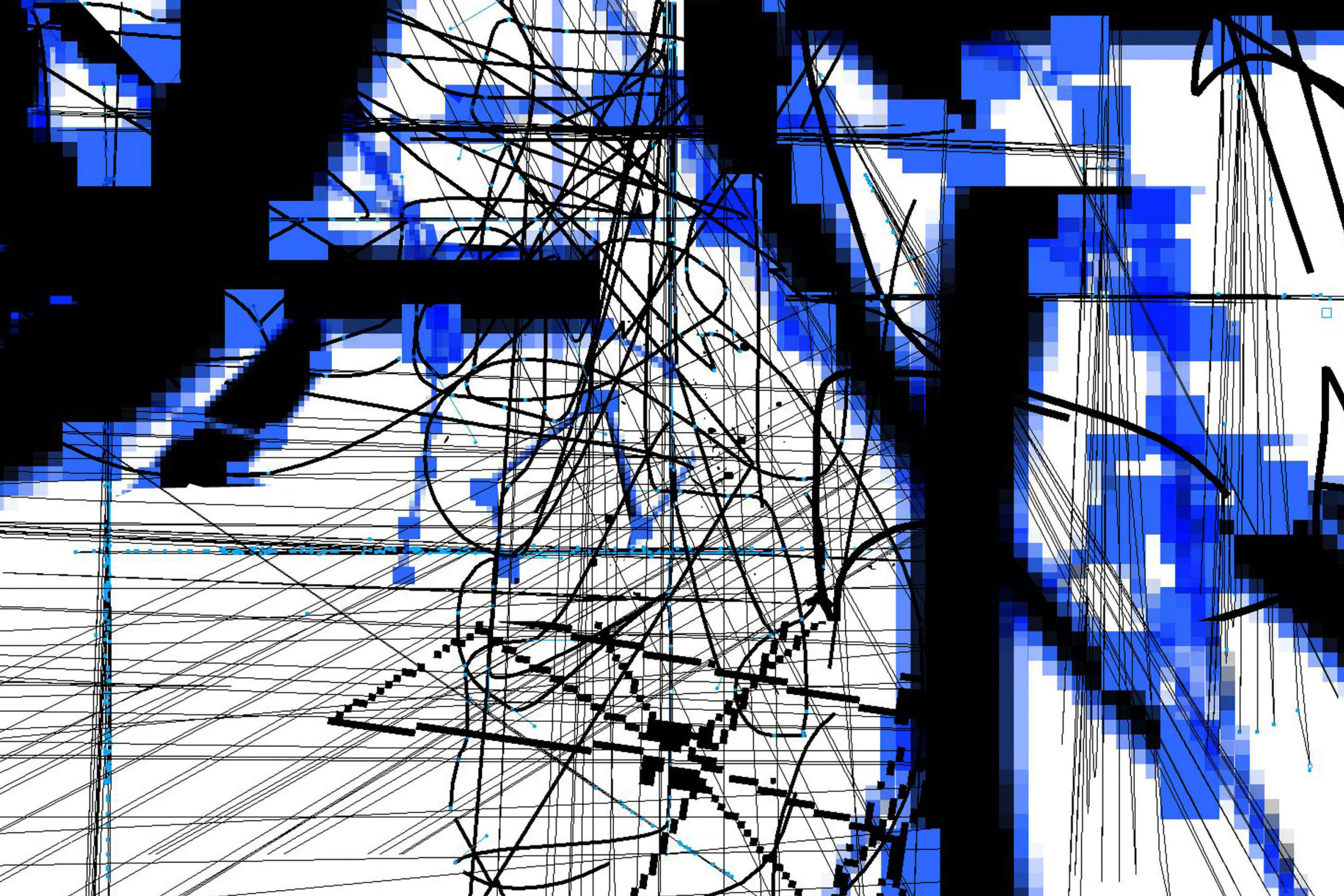
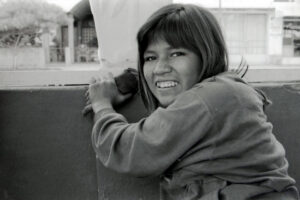
Anatomías de código muerto es una serie de cuatro scripts algorítmicos que abordan los mecanismos mediante los cuales la violencia física es filtrada, refractada y suprimida por sistemas de representación procedimental. Cada obra parte de una fotografía analógica en blanco y negro tomada en 1990 con película Kodak Plus-X 125. Las imágenes retratan a cuatro personas indígenas de la comunidad Qom en Roque Sáenz Peña, Chaco, Argentina. En el momento de la toma, tres de los niños sonreían. Su madre, en cambio, se negó a ser fotografiada; su imagen aparece movida debido a su desplazamiento al ocultarse.
Treinta y cinco años más tarde, estas imágenes en blanco y negro son reproducidas visualmente y también reprocesadas mediante código algorítmico. Esta reescritura no reconstruye el momento analógico: lo distorsiona y codifica su persistencia. Los algoritmos no articulan un testimonio, sino una latencia sistémica. La violencia no se muestra, sino que se ejecuta; se convierte en procedimiento, filtrada a través de estructuras de malfunción, excepción y colapso de protocolos. Las obras resultantes generan lo que puede denominarse restos algorítmicos: residuos estructurales del trauma almacenados en funciones no resueltas, rutas de ejecución abortadas y entornos de error controlado.
Cada algoritmo se imprime en papel, se enmarca en negro y se presenta detrás de un vidrio. Los cuatro marcos se disponen en línea sobre una pared blanca. Debajo de cada marco, la fotografía analógica correspondiente, tomada en 1990, se adhiere directamente a la pared con cinta adhesiva visible. Las fotografías conservan su formato y escala originales. El espacio expositivo está iluminado con luz blanca difusa. El piso es de hormigón gris. La instalación es mínima pero precisa: subraya la tensión entre materialidad, evidencia y abstracción procedimental.
Esta configuración —la copresencia física de código e imagen— sitúa el trabajo dentro del campo de la instalación fotográfica algorítmica. Las fotografías analógicas sugieren un momento pasado de aparente calma o incluso alegría; las capas algorítmicas introducen una prognosis especulativa, pero históricamente fundamentada: una en la que los cuerpos fotografiados pudieron haber sido objeto de abandono institucional, violencia racializada o negligencia sistémica.
Los scripts simulan diferentes modos de fallo institucional:
Parte I mapea el trauma en regiones faciales y desestabiliza la coherencia clínica.
Parte II codifica signos de abuso pero colapsa por sobrecarga semántica, activando un modo de silencio.
Parte III refiere a la violencia sexual, generando sintaxis ilegible y salida fragmentada.
Parte IV activa protocolos de censura cuando se detectan umbrales de resistencia o ruptura.
El tiempo en esta serie no es lineal, sino procedimental. El intervalo de 35 años funciona como latencia: un ajuste diferido procesado a través de protocolos mediáticos, disfunción archivística y demora institucional. La violencia no se archiva: se codifica. Y lo que permanece no es memoria, sino código muerto.
.
.
(German)
Toter Code Anatomien
Installation
1990 – 2025
Toter Code Anatomien ist eine Serie von vier algorithmischen Skripten, die die Mechanismen untersuchen, durch welche physische Gewalt von prozeduralen Repräsentationssystemen gefiltert, gebrochen und unterdrückt wird. Jede Arbeit basiert auf einer analogen Schwarzweiß-Fotografie, die 1990 mit Kodak Plus-X 125-Film aufgenommen wurde. Die Fotografien zeigen vier indigene Personen des Qom-Volkes aus Roque Sáenz Peña, Chaco, Argentinien. Zum Zeitpunkt der Aufnahme lächelten drei der Kinder. Die Mutter weigerte sich jedoch, fotografiert zu werden; ihr Bild ist verwischt, da sie sich während der Aufnahme verbarg.
Fünfunddreißig Jahre später werden diese Schwarzweiß-Bilder sowohl visuell reproduziert als auch durch algorithmischen Code neu verarbeitet. Diese Umschreibung rekonstruiert nicht den analogen Moment – sie verzerrt und codiert sein Nachleben. Die Algorithmen formulieren kein Zeugnis, sondern eine systemische Latenz. Gewalt wird nicht gezeigt, sondern ausgeführt; sie wird prozedural, gefiltert durch Strukturen des Fehlverhaltens, der Ausnahme und des Protokollzusammenbruchs. Die resultierenden Werke erzeugen sogenannte algorithmische Überreste: strukturelle Rückstände von Trauma, gespeichert in ungelösten Funktionen, abgebrochenen Ausführungspfaden und kontrollierten Fehlerumgebungen.
Jeder Algorithmus wird auf Papier gedruckt, schwarz gerahmt und hinter Glas präsentiert. Die vier Rahmen sind in linearer Anordnung an einer weißen Wand montiert. Unter jedem Rahmen ist das entsprechende analoge Foto von 1990 direkt mit sichtbarem Klebeband an die Wand geklebt. Die Fotografien behalten ihr ursprüngliches Format und Maß bei. Der Ausstellungsraum ist mit weichem, diffusem Weißlicht beleuchtet. Der Boden ist aus grauem Beton. Die Installation ist minimal, aber präzise – sie betont die Spannung zwischen Materialität, Evidenz und prozeduraler Abstraktion.
Diese Konfiguration – die physische Ko-Präsenz von Code und Bild – verankert die Arbeit im Feld der algorithmischen fotografischen Installation. Die analogen Fotografien deuten auf einen vergangenen Moment scheinbarer Ruhe oder sogar Freude hin; die algorithmischen Schichten hingegen führen eine spekulative, aber historisch fundierte Prognose ein: eine, in der die abgebildeten Körper institutionellem Verlassen, rassifizierter Gewalt oder systemischer Vernachlässigung ausgesetzt gewesen sein könnten.
Die Skripte simulieren verschiedene Formen institutionellen Versagens:
Teil I kartiert Traumata in Gesichtsregionen und destabilisiert klinische Kohärenz.
Teil II codiert Anzeichen von Missbrauch, kollabiert jedoch unter semantischer Überlastung und aktiviert einen Schweigemodus.
Teil III verweist auf sexuelle Gewalt, erzeugt jedoch unlesbare Syntax und fragmentierte Ausgaben.
Teil IV setzt Zensurprotokolle in Gang, sobald Widerstands- oder Bruchschwellen erkannt werden.
Zeit ist in dieser Serie nicht linear, sondern prozedural. Das 35-jährige Intervall fungiert als Latenz: eine verzögerte Auseinandersetzung, verarbeitet durch mediale Protokolle, Archivdysfunktionen und institutionelle Verzögerung. Gewalt wird nicht archiviert – sie wird codiert. Und was bleibt, ist nicht Erinnerung, sondern toter Code.
Marcello Mercado
Poly-Auto-Portraits: Drifting Selves Between Scanners, Color, and Algorithms
Photography
2025

(Spanish)

(German)


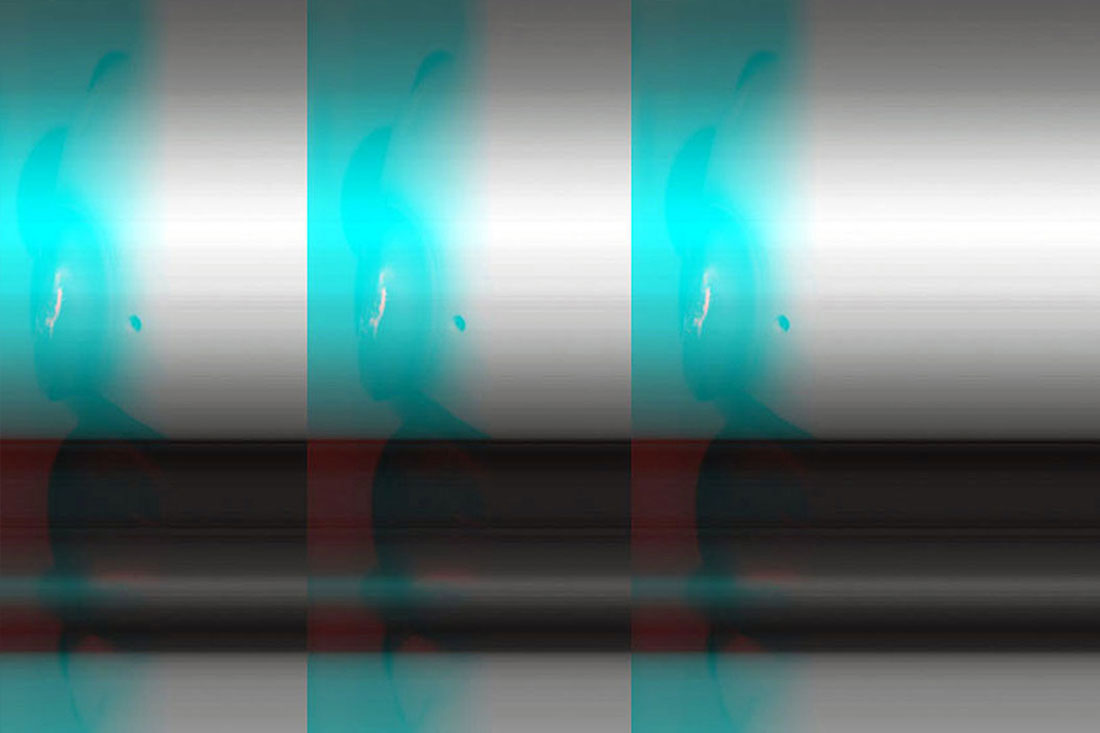
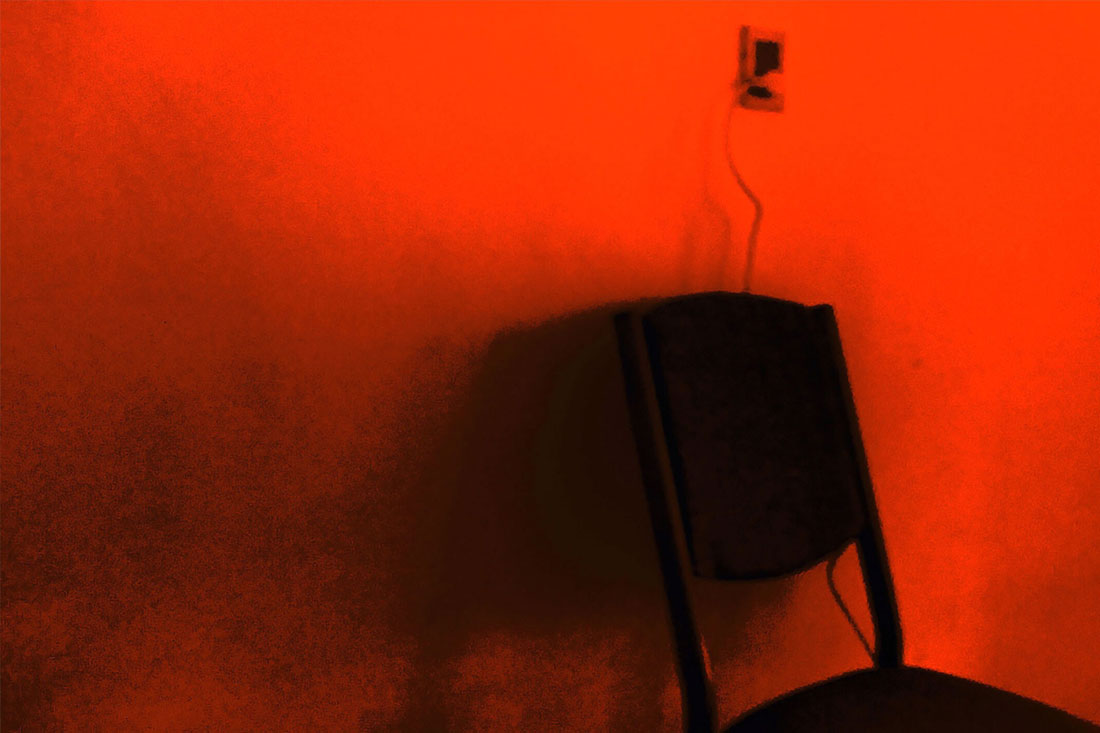
Hybrid image created through 3D scanning, algorithmic processes, and artificial intelligence.

Hybrid image created through 3D scanning, algorithmic processes, and artificial intelligence.

Hybrid image created through 3D scanning, algorithmic processes, and artificial intelligence.

Hybrid image created through 3D scanning, algorithmic processes, and artificial intelligence.
(Spanish)
Marcello Mercado
Los Neutros
Serie fotográfica generada por IA y scanner 3D
Impresión ink jet sobre papel fotográfico Ultra Satin
enmarcadas con varilla de pino pintadas de blanco
Tamaño 53cm x 66cm y 62cm x 62cm
2025
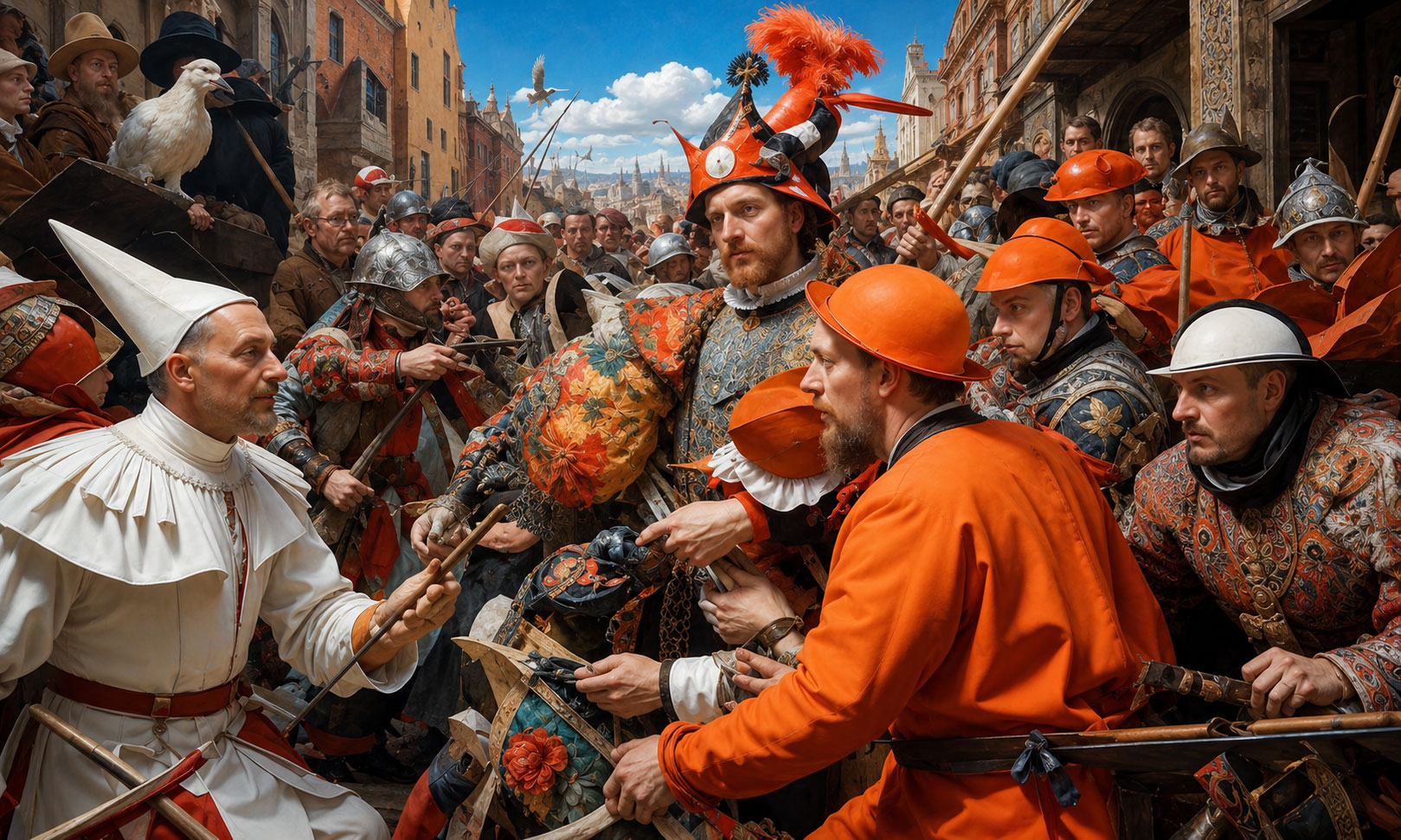
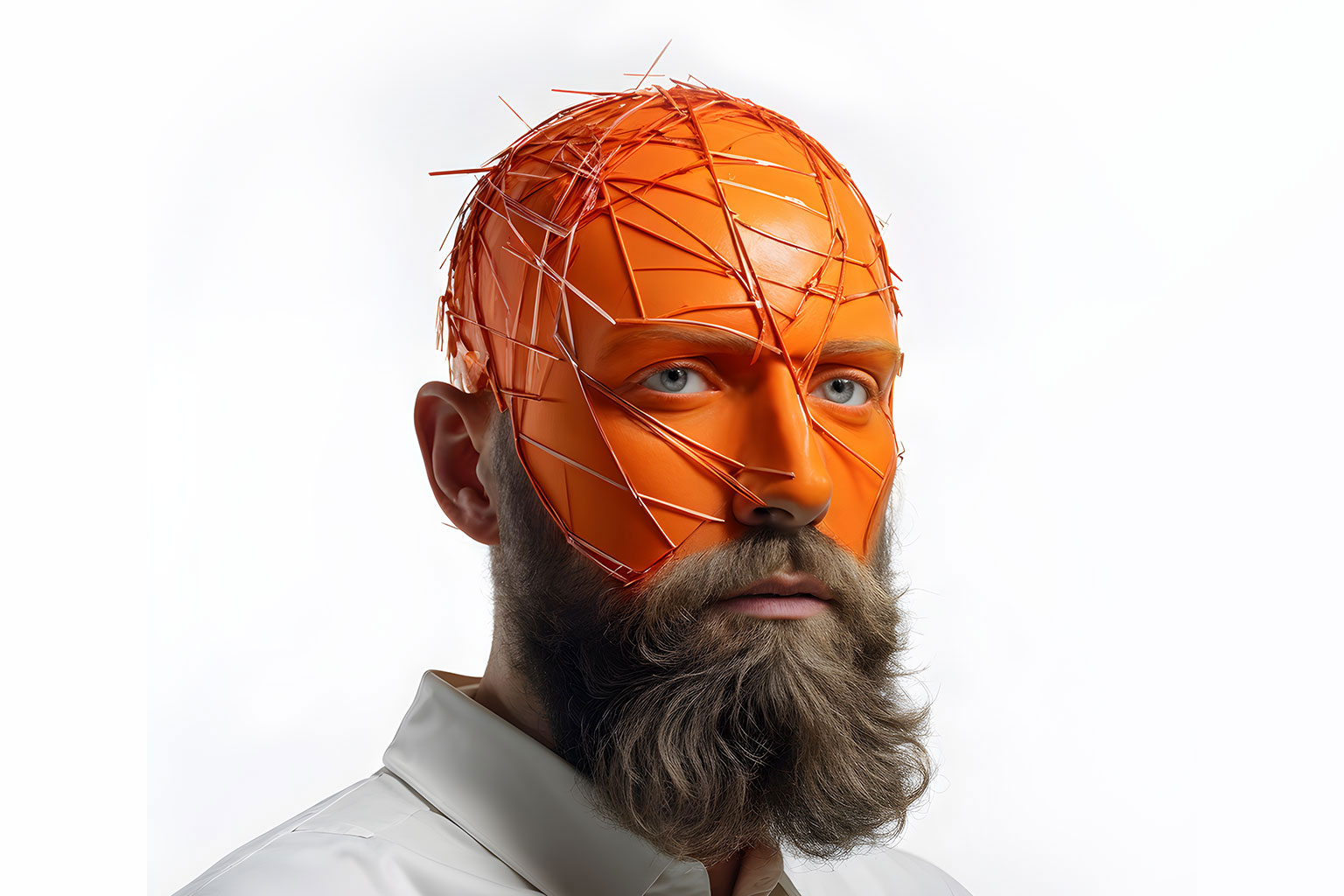
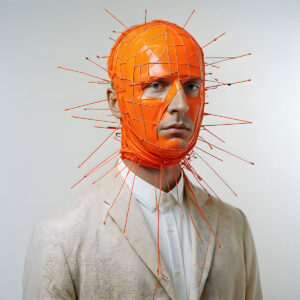
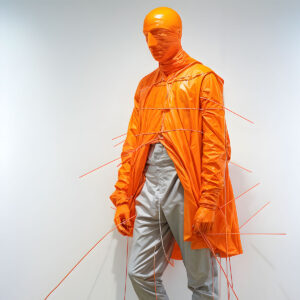
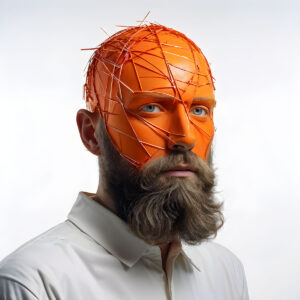
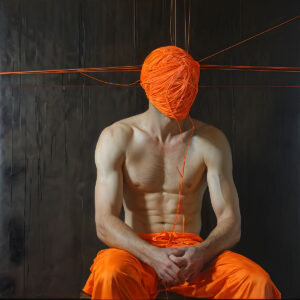
Esta serie fotográfica presenta una secuencia de intervenciones sobre el rostro y el cuerpo mediante materiales industriales: polímeros brillantes, hilos tensores y recubrimientos plásticos. Las imágenes funcionan como registros de configuraciones específicas, orientadas a explorar la relación entre superficie, estructura facial y dispositivos de contención visual.
El proceso de trabajo parte del escaneo tridimensional de un modelo humano mediante 3D Scanner de alta resolución. A partir de este escaneo se genera un conjunto de variaciones faciales modeladas por algoritmos de inteligencia artificial, entrenados para explorar modificaciones morfológicas dentro de parámetros definidos. Estas variaciones se materializan en estructuras plásticas aplicadas directamente sobre el rostro o producidas como extensiones portables en polímero.
El color naranja, presente de forma dominante, responde a una elección cromática de alta visibilidad. Su función es operativa: genera contraste, segmentación y delimita zonas de la imagen con precisión.
Los rostros están cubiertos o modificados por capas plásticas tensadas, en algunos casos adheridas, en otros atravesadas por filamentos que generan presión o distorsión facial. No hay expresividad ni gesto: se suprime toda gestualidad para favorecer una observación centrada en la técnica de aplicación, el encuadre, la tensión de los materiales y el grado de inmovilización de la superficie cutánea.
Las composiciones están cuidadosamente calibradas. Las líneas que atraviesan los retratos y cuerpos tienen funciones estructurales: estabilizan el campo visual, generan vectores de fuerza y definen zonas de activación dentro de la imagen. La iluminación frontal y la elección de fondos neutros eliminan interferencias visuales, permitiendo un análisis preciso de textura, brillo, volumen y ajuste del polímero al rostro.
La serie es una colección de estudios visuales sobre el tratamiento del cuerpo mediante técnicas de encapsulamiento, modelado externo y sustitución de la identidad facial por estructuras plásticas. No hay narrativa, no hay representación: cada imagen constituye un módulo autónomo de observación material.
En conjunto, estas fotografías plantean un enfoque técnico sobre el cuerpo intervenido, ubicándolo en una zona liminar entre la carne y el polímero, entre el volumen biológico y la superficie sintética.

Hybrid DNA Performance / Bio-Installation / Video, 2010–2011
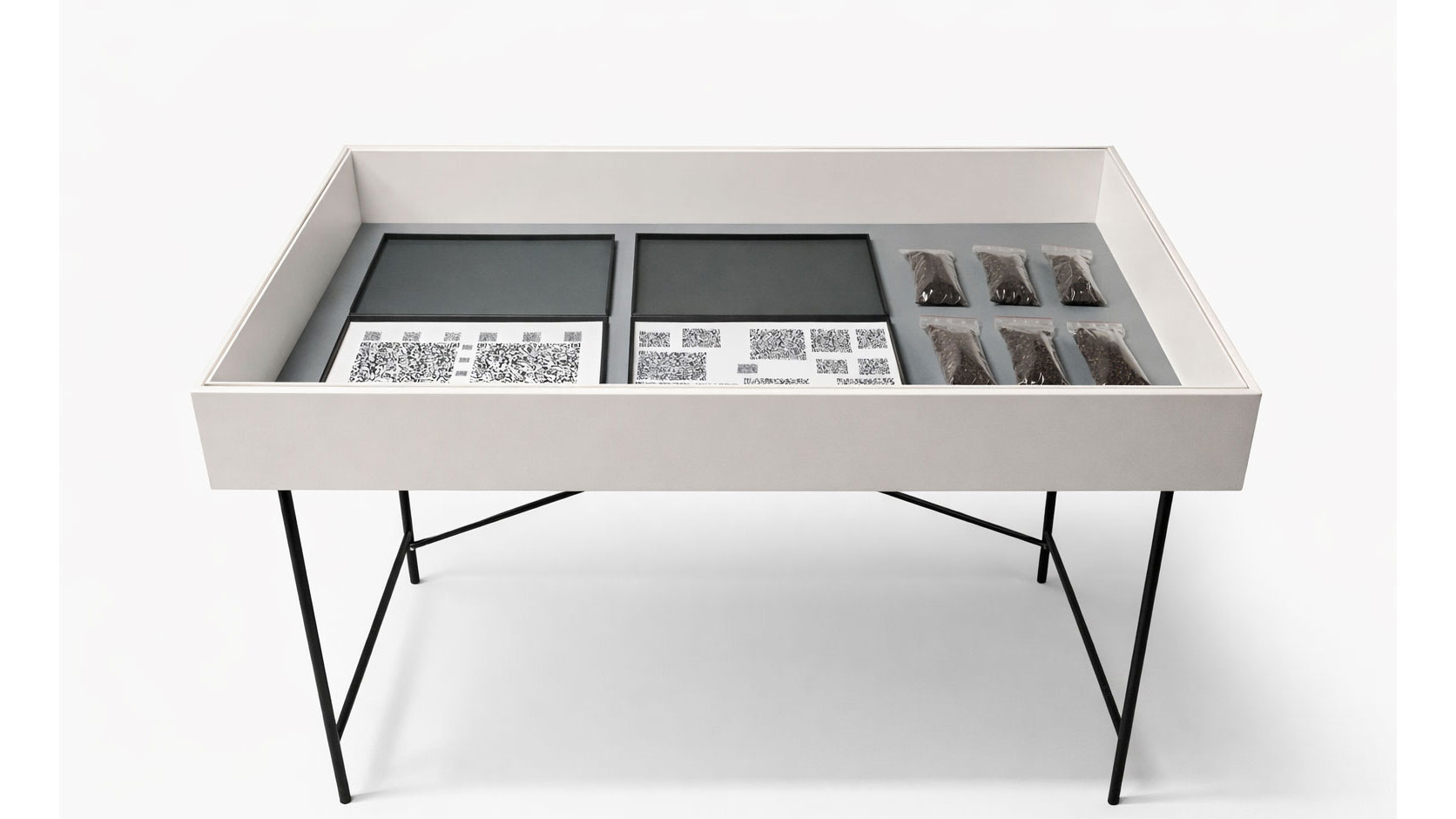
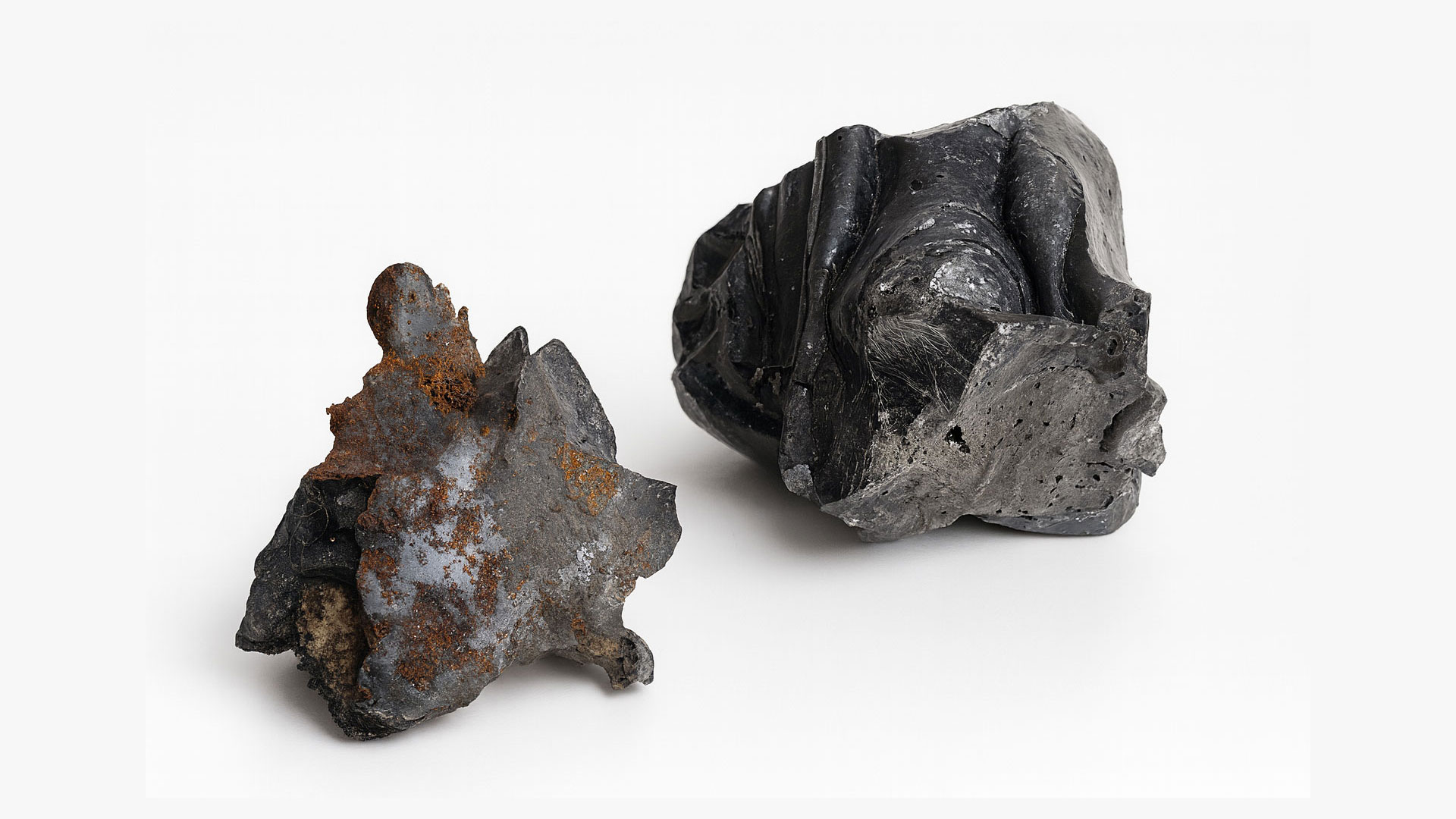
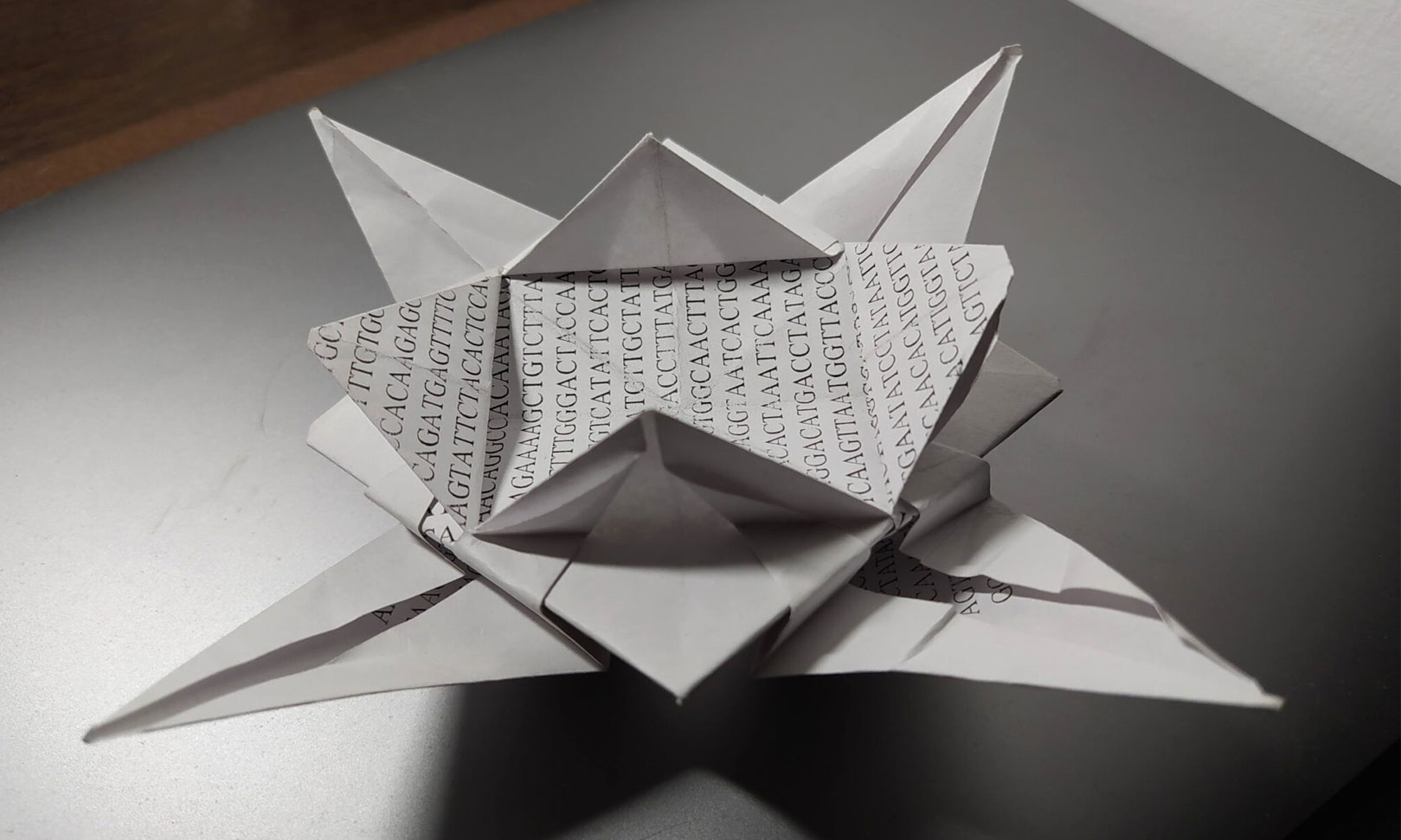
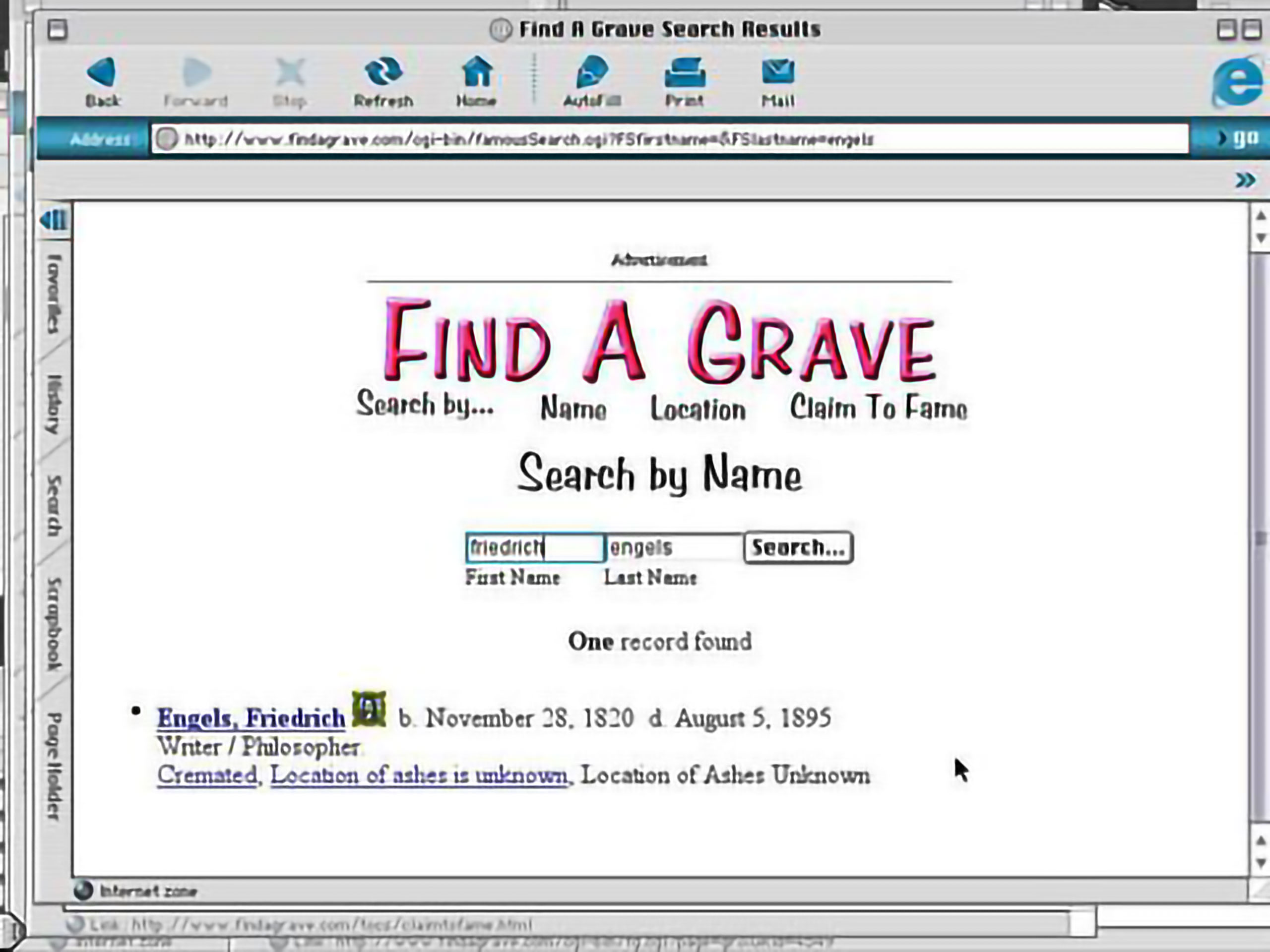
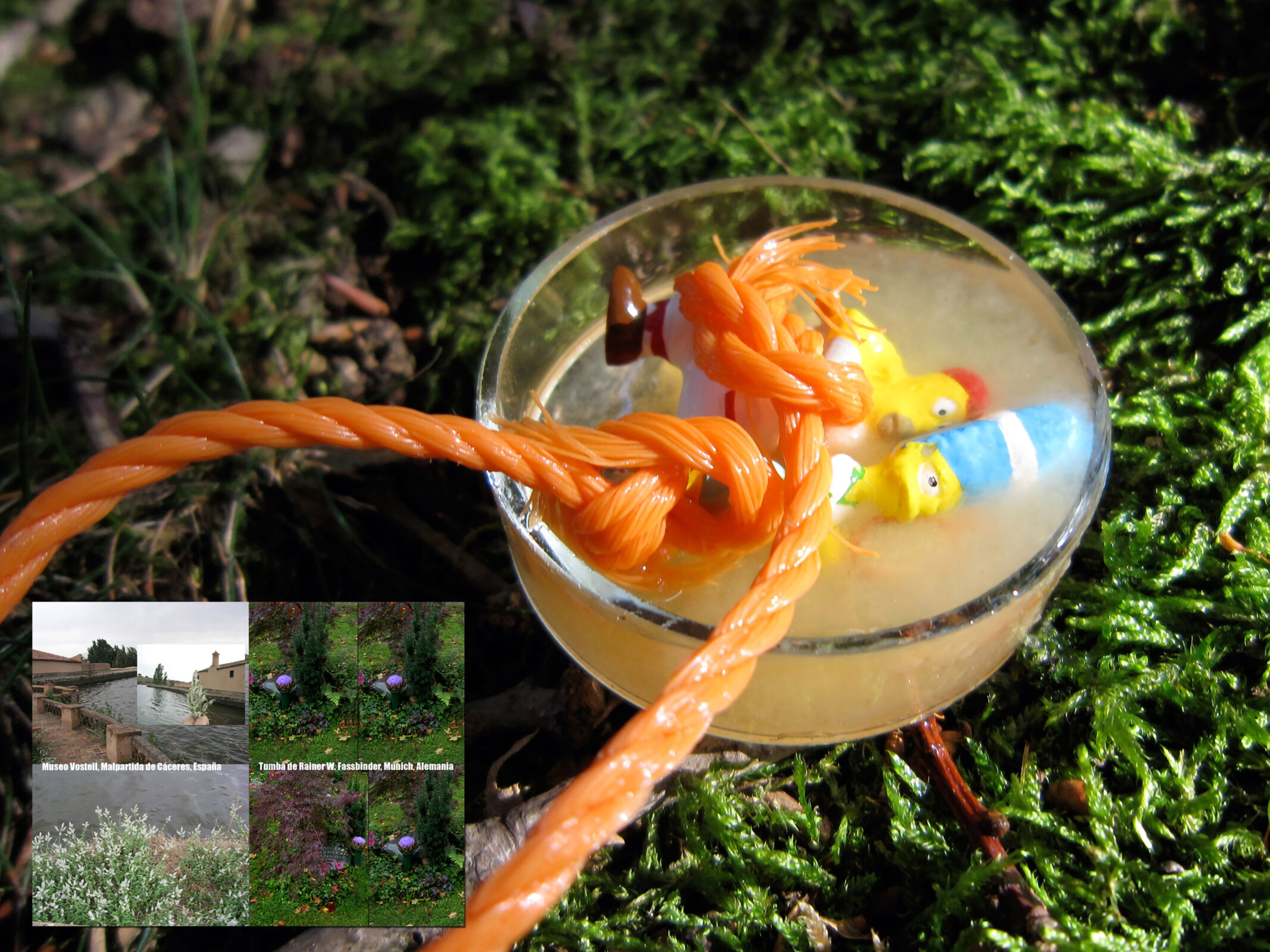
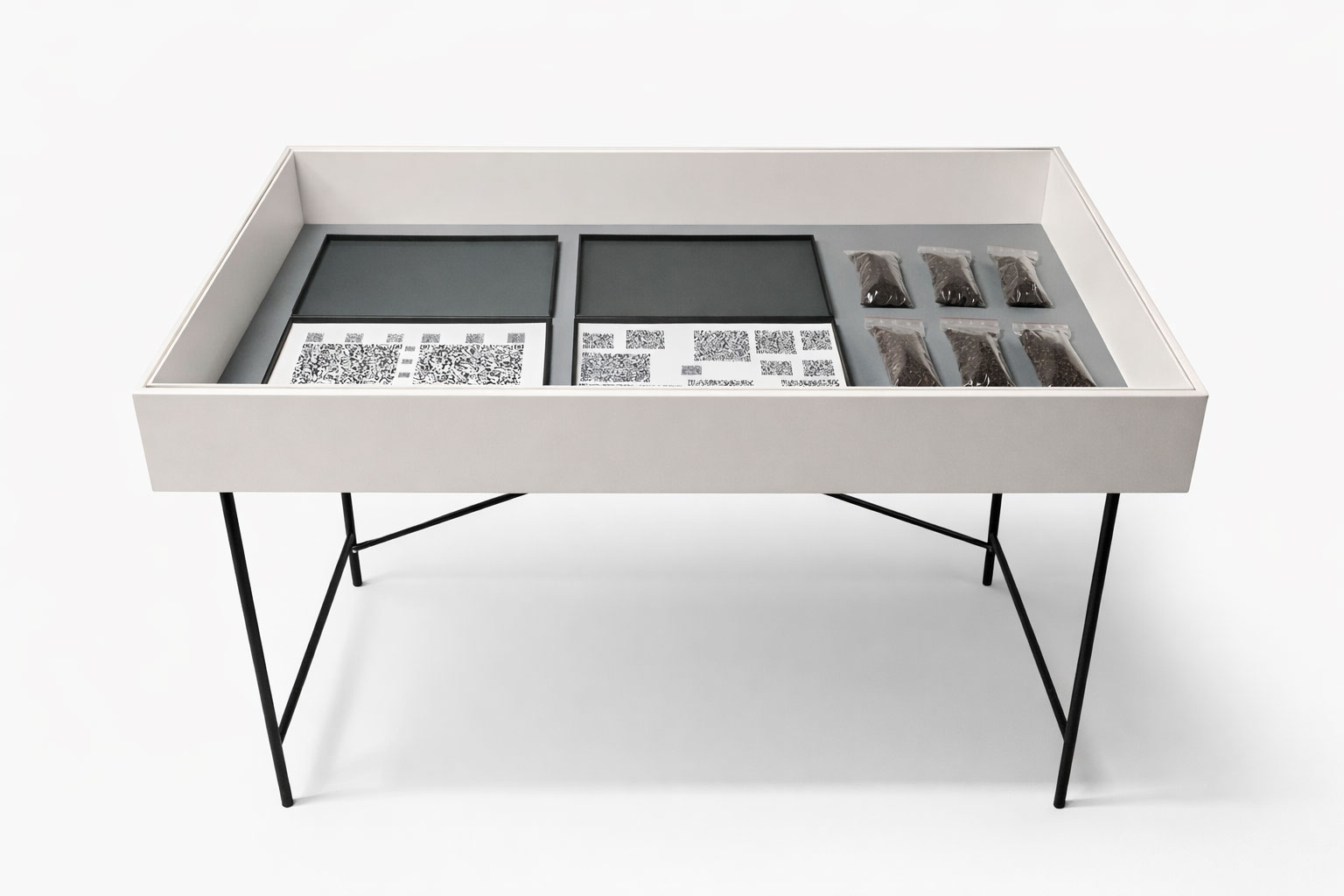
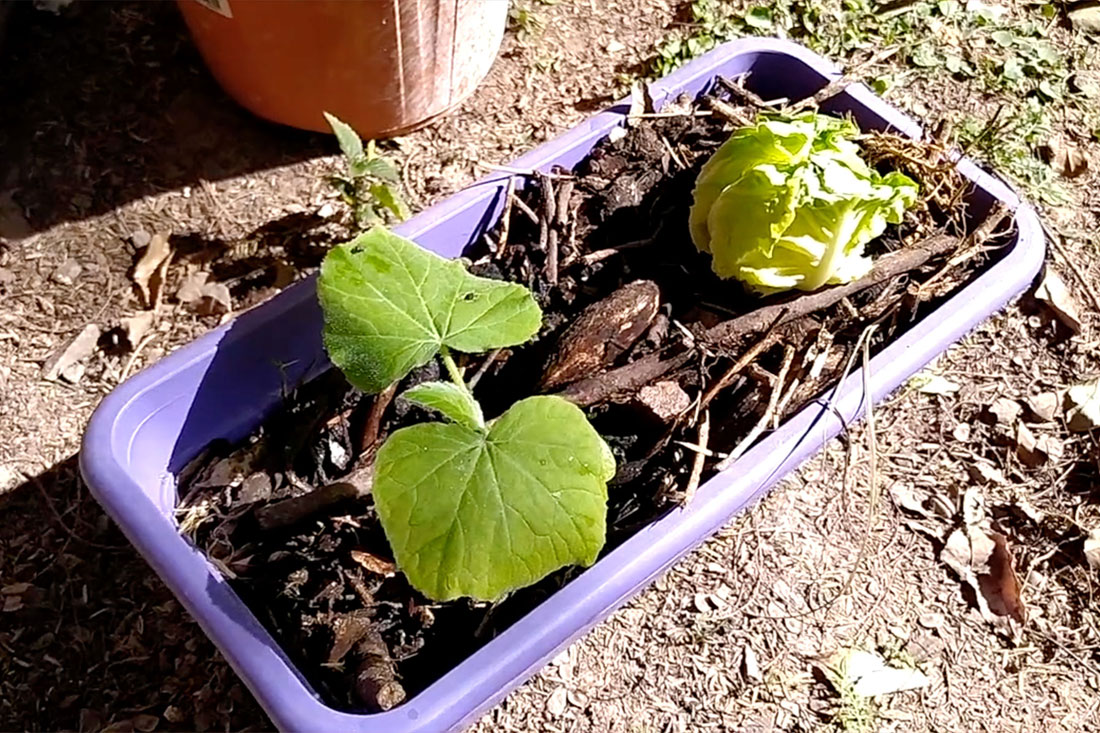
Transferring, Storing, Sharing and Hybriding: The Perfect Humus (2010–2011) constructs a circulation system between biological matter, cultural objects and digital information. Human and plant DNA, films, television series, paintings, photographs, online accounts and computer files are converted into sequences, storage sizes, sounds, QR codes and physical materials.
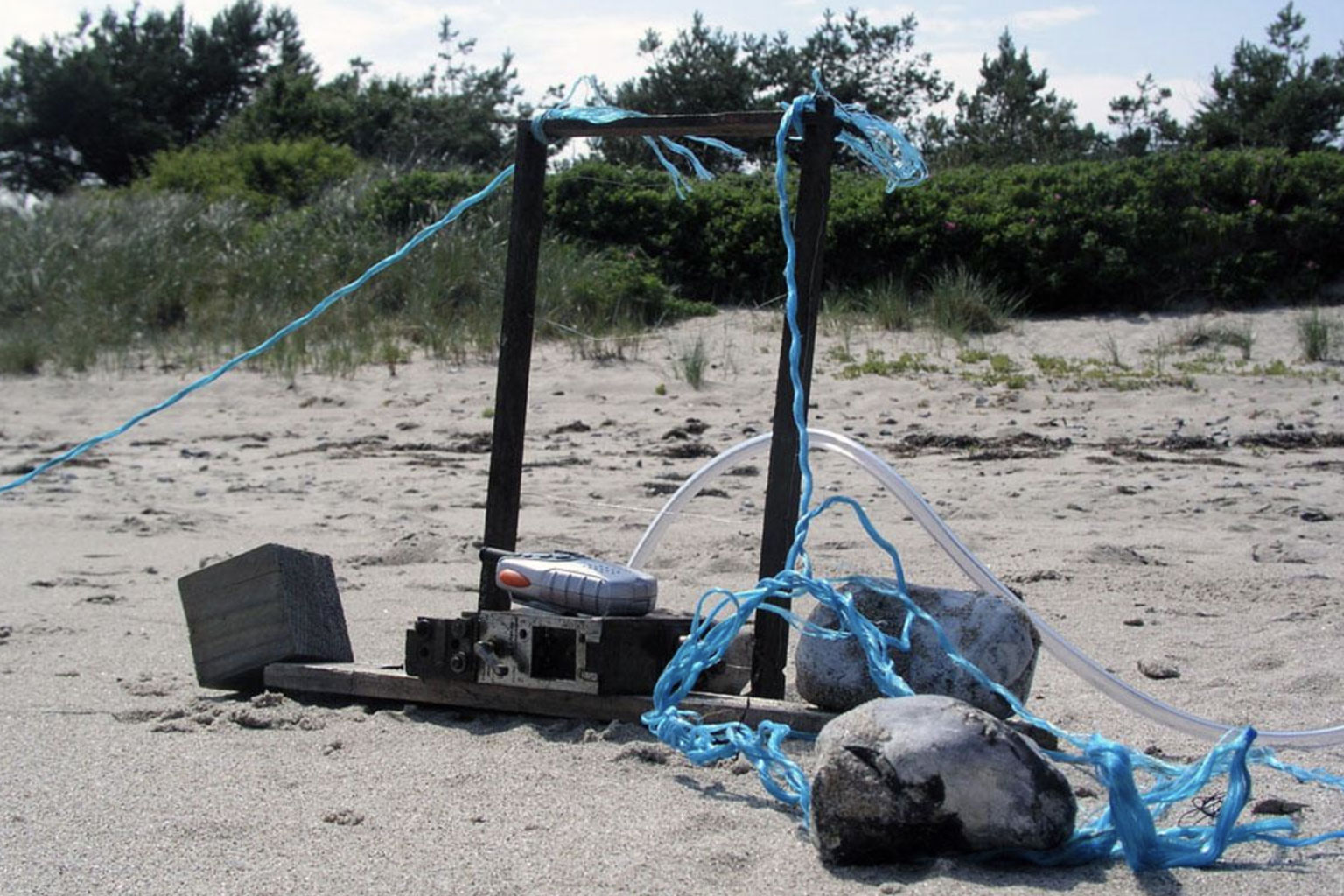
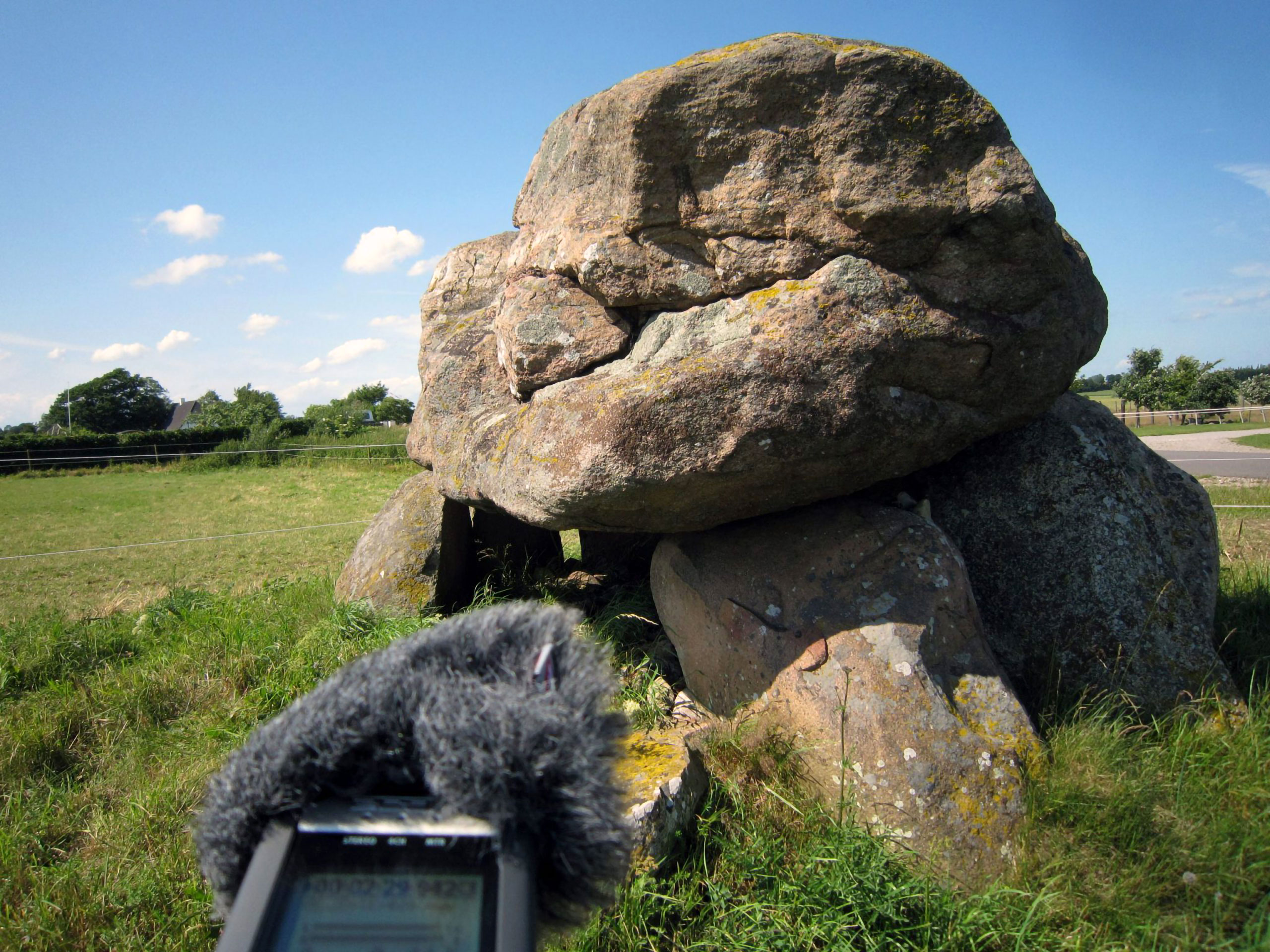
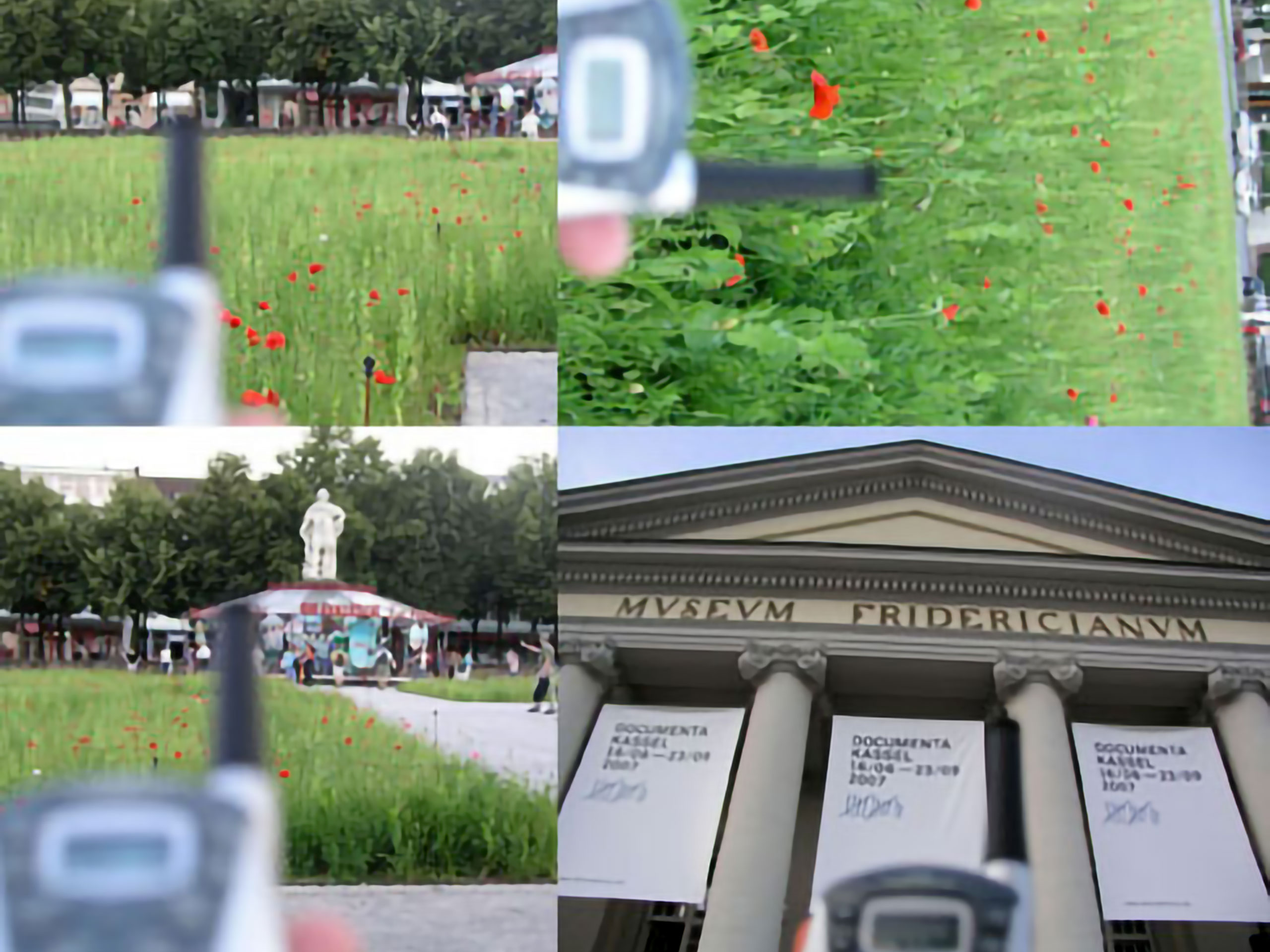
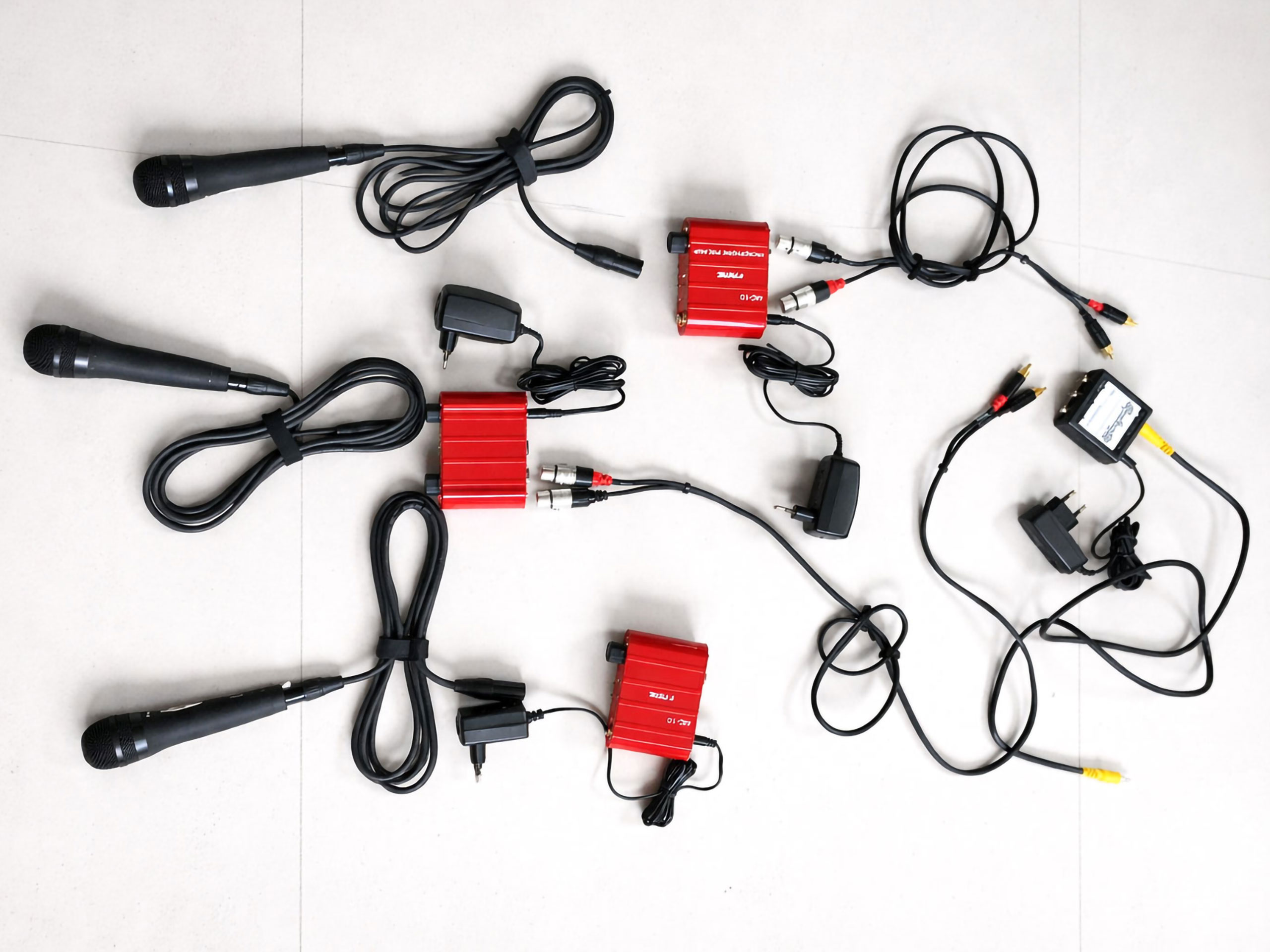
Small loudspeakers transmit encoded information through trees; DNA is extracted from plant matter; printed data is introduced into containers with soil and worms; digital errors, inaccessible files and corrupted characters appear alongside genetic sequences and cultural archives.
The work treats these materials not as stable objects to be preserved, but as substances capable of being transferred, decomposed and recombined. “The perfect humus” is the resulting substrate: a mixture in which biological code, cultural memory and digital residue lose their original hierarchy and become material for further transformations.
Rather than opposing nature and technology, the work constructs temporary circuits between them. Information moves repeatedly from organism to code, from code to sound or image, and from those representations back into physical and biological processes. What is stored is therefore never identical to what entered the system.
.
https://vimeo.com/37691031
Marcello Mercado
transferring, storing, sharing, and hybriding: The perfect humus
Hybrid-DNA-Performance-Bio-installation
2010-2011, Germany
Running time: 16’23»
4:3
Colour/B/W
Music by Marcello Mercado
Hybrid DNA Performance / Bio-Installation / Video, 2010–2011
In transferring, storing, sharing, and hybriding: The Perfect Humus, Marcello Mercado constructs a speculative ecology in which biological material, digital information and cultural memory circulate through the same system. The work brings together fragments drawn from the human genome, satellite transmissions, digital archives, databases, networked communication and environmental recording, treating them not as separate categories but as equivalent forms of matter capable of being stored, displaced, transformed and recombined.
The installation departs from a simple but unsettling question: what is accumulated every second within the contemporary world? Human memory stores images, words and affects; hard drives and servers accumulate immense quantities of data; genetic material preserves biological instructions; satellites register the surface of the planet; databases classify and reorganize existence. Rather than presenting these systems independently, Mercado imagines them as layers of a single informational terrain.
The “perfect humus” of the title is not an agricultural substance but a conceptual and material substrate formed through the continuous sedimentation of data, memory and organic residue. Information extracted from multiple sources—digital files, genome sequences, network activity, sound recordings and environmental traces—is hybridized until distinctions between archive and organism, technology and ecology, body and machine become unstable.
Throughout the work, processes of transfer and translation play a central role. Data becomes sound, sound becomes action, action becomes biological trace. QR codes, databases, networked interfaces, mobile technologies and public-space interventions appear not as neutral tools but as mechanisms that reorganize how information circulates and how bodies are connected to larger technological systems. The piece proposes that contemporary existence is defined less by fixed identities than by permanent states of exchange, contamination and mutation.
At the same time, The Perfect Humus addresses the increasingly fragile status of privacy and memory in a world saturated by surveillance and permanent recording. Genetic information, online activity, satellite imaging and personal archives are all treated as materials that can be stored, copied, appropriated and redistributed. The work asks what kind of ecosystem emerges when every form of life and every fragment of experience can be transformed into transferable information.
Combining bioart, performance, generative systems, sound, network art and installation, Mercado develops an environment in which the archive ceases to function as a static repository. Instead, it becomes a living, unstable and transgenic field: an ecology of signals, residues and hybrid forms in continuous transformation.


.

Marcello Mercado
Interactive Video Installation
.
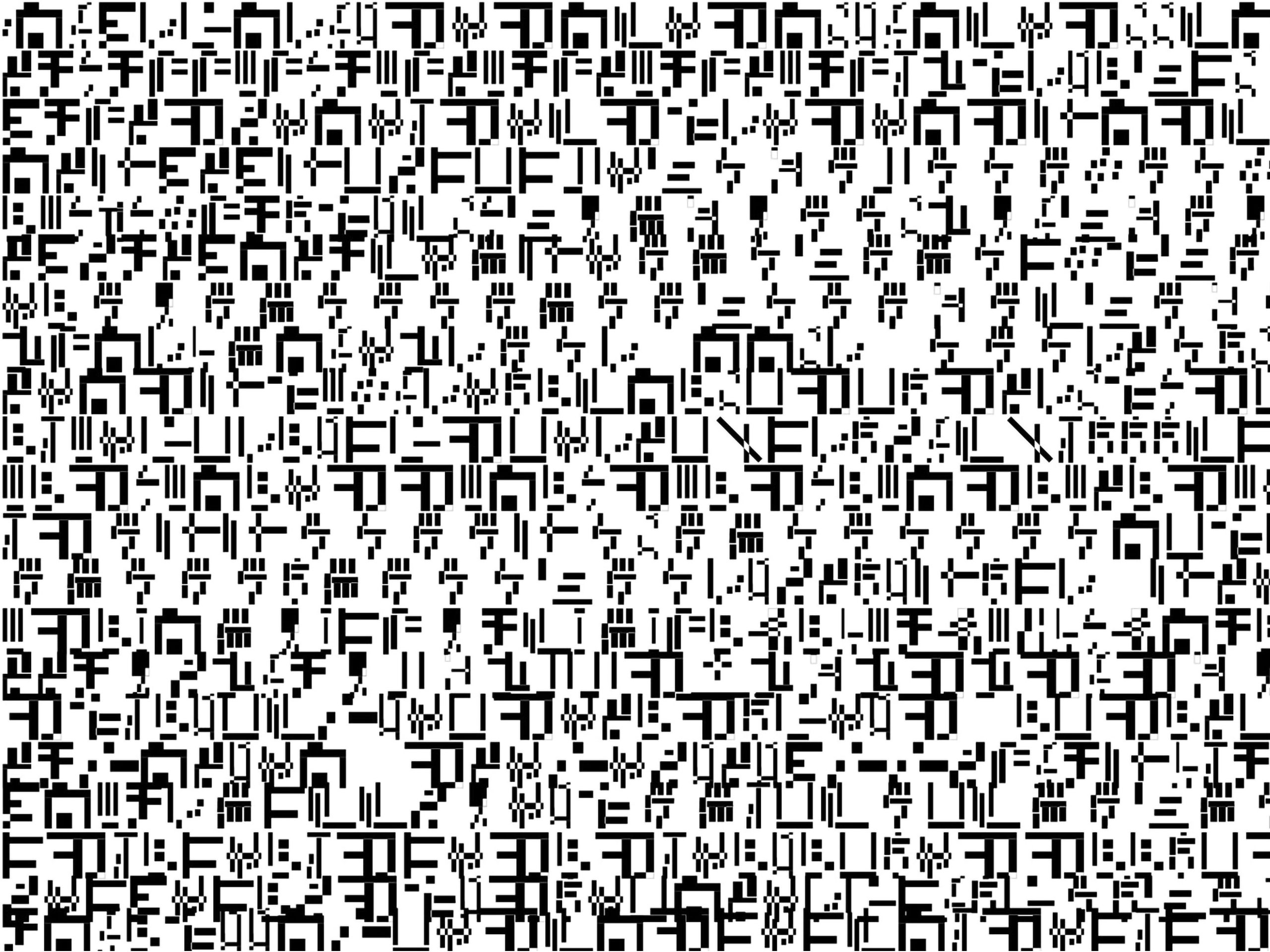
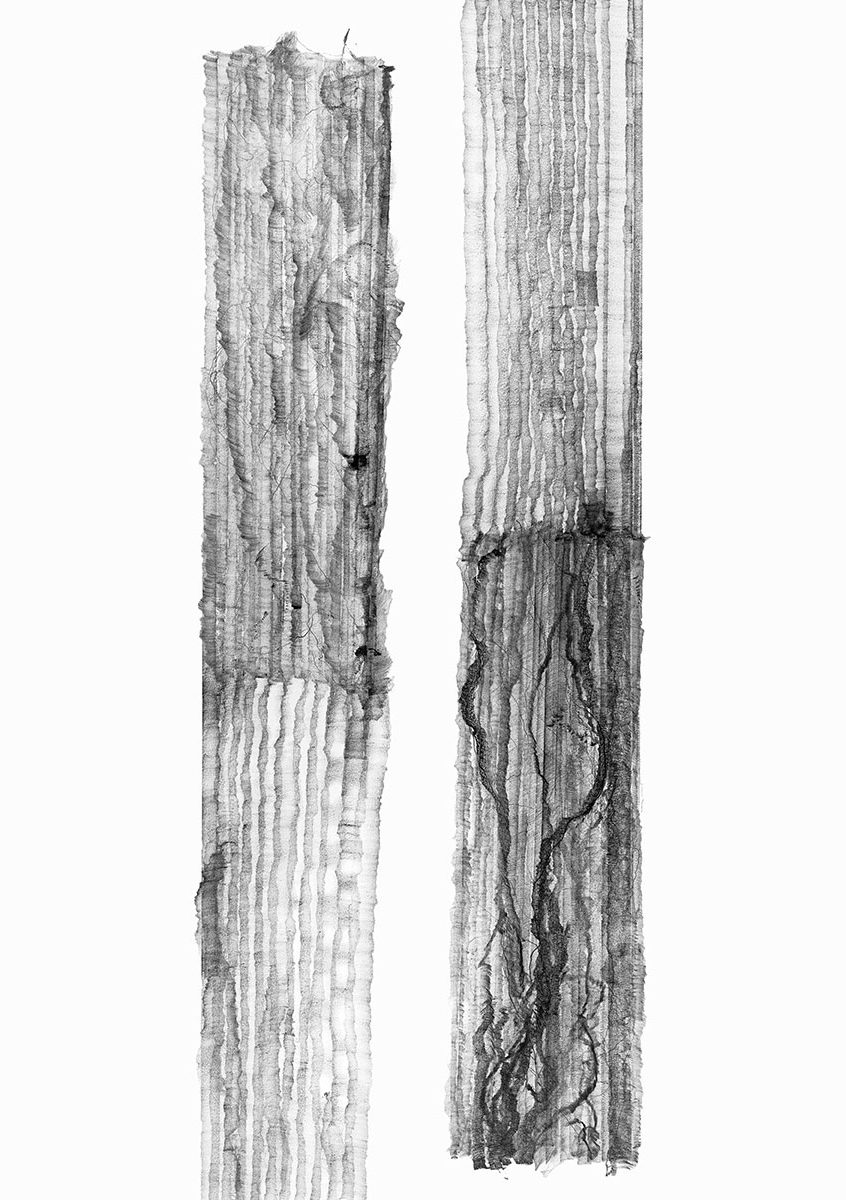
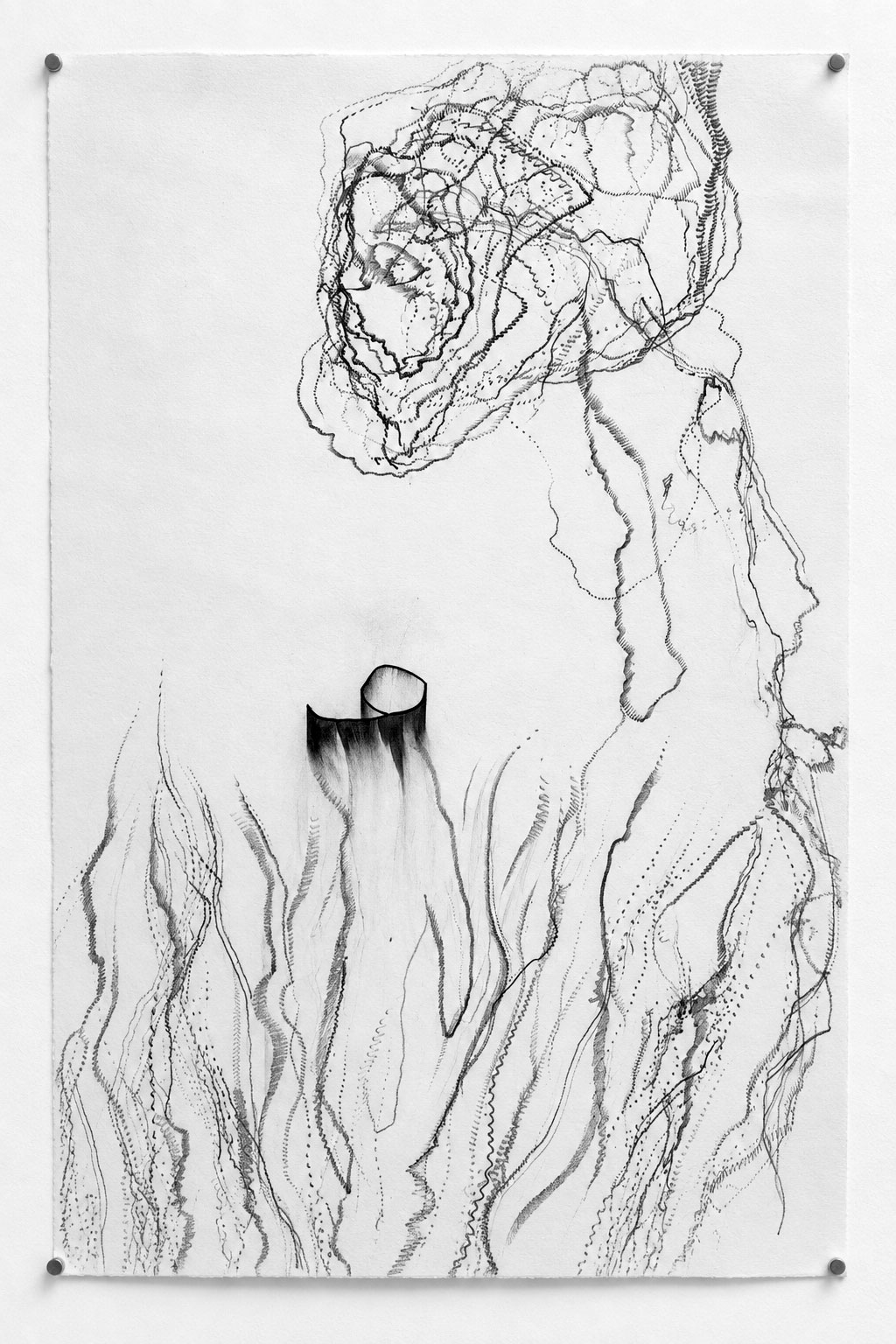
In DELETE, language ceases to be a transparent medium for communication and becomes both subject and residue. Conceived in 2012 as an interactive video installation, the project reflects on the impossibility of truly erasing information within digital and mental architectures. Instead, it proposes the invention of a maintenance-language: an operational system that paradoxically seeks to erase by generating a new linguistic code.
.
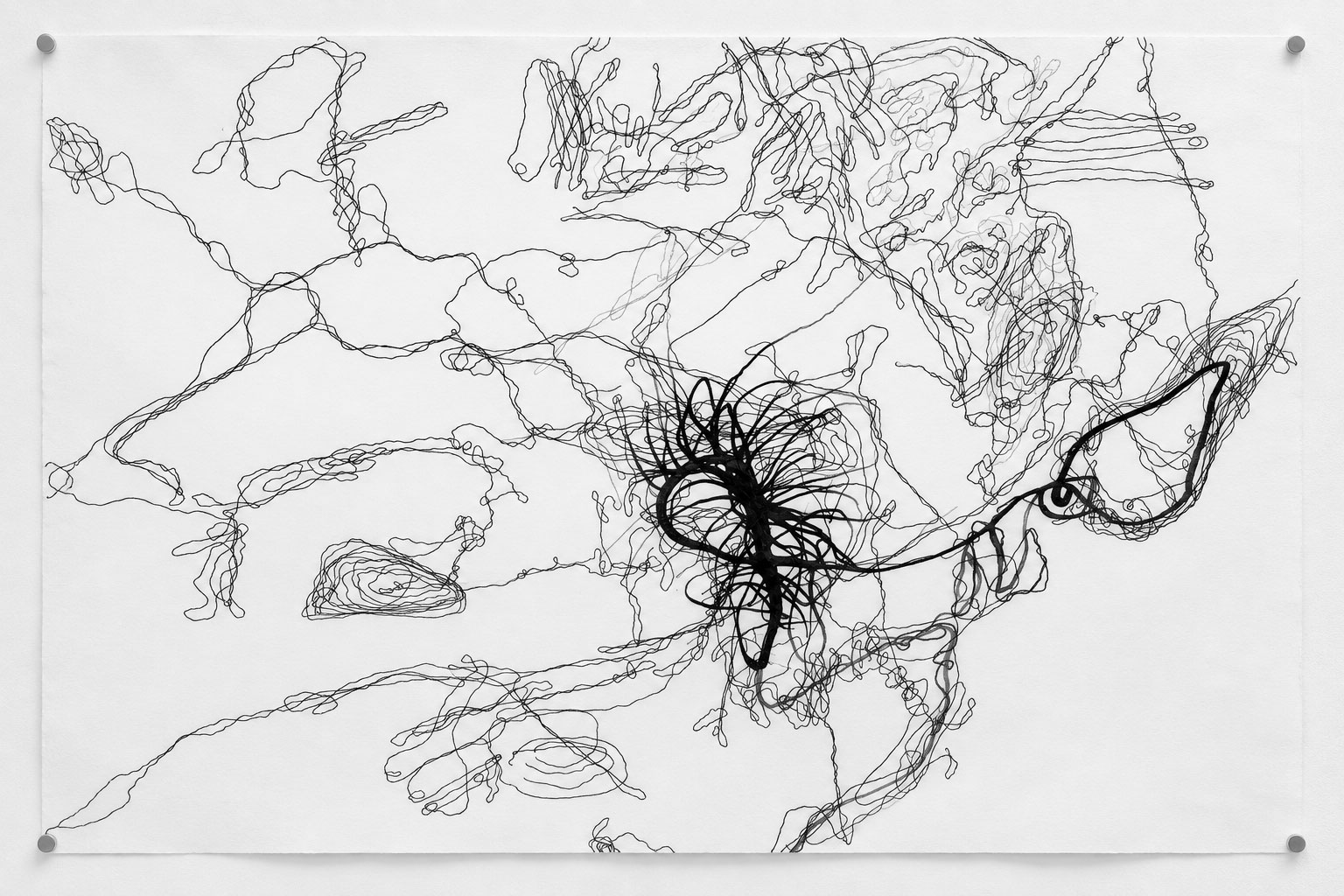
At the core of the installation lies a speculative alphabet composed of 210 graphemes, each detached from conventional meaning. A grapheme in DELETE is not an «A» or a «B,» but a carrier of fluid semantic densities—philosophical texts, visual data, noise, or pure absence. The work articulates what Simon Sheikh has termed a “linguistic act,” wherein the action of writing, speaking, or coding constitutes an autonomous mode of being rather than a tool of communication. In this context, DELETE manifests not merely as a representation of language, but as an ongoing event of linguistic exhaustion and reconfiguration.
.
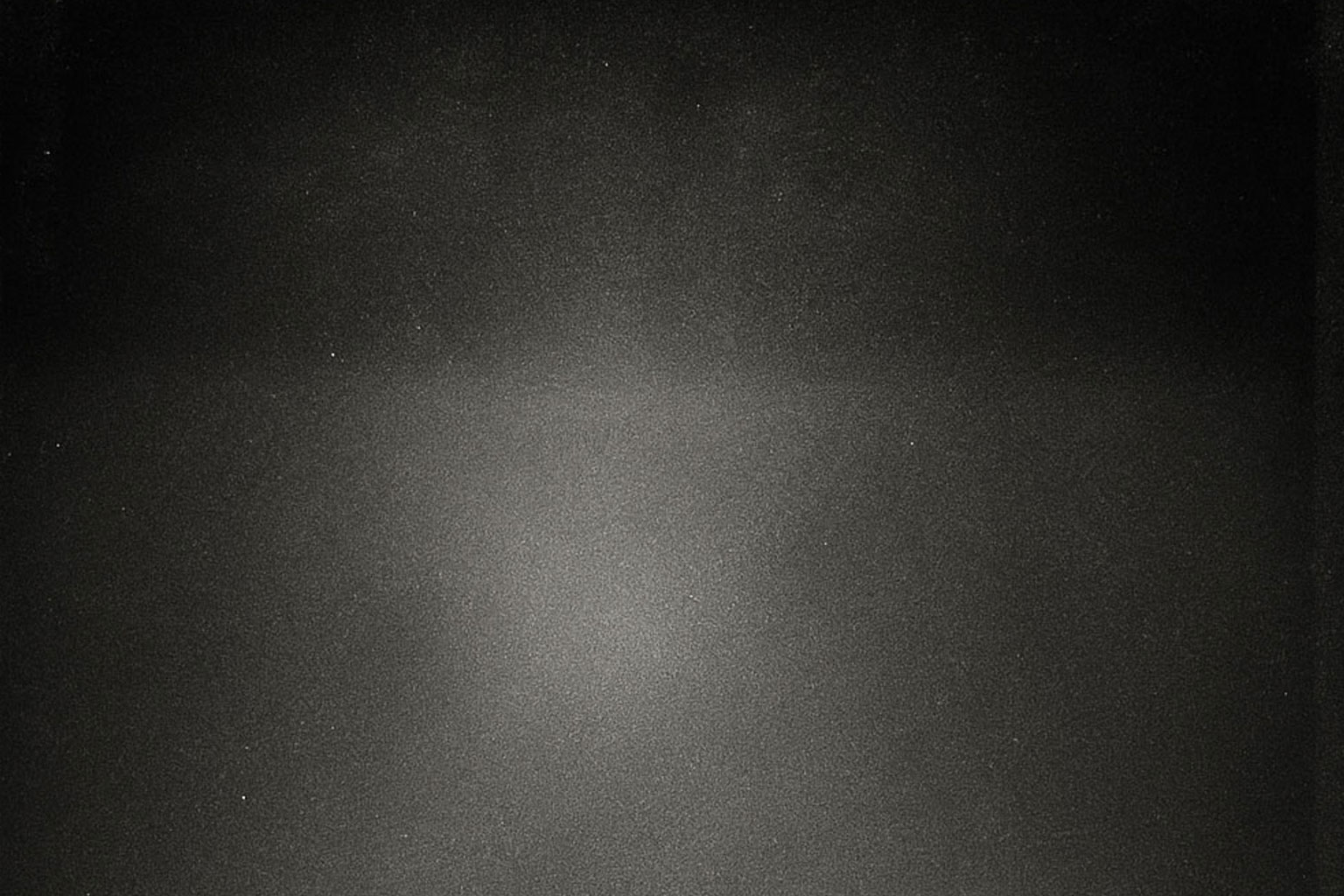
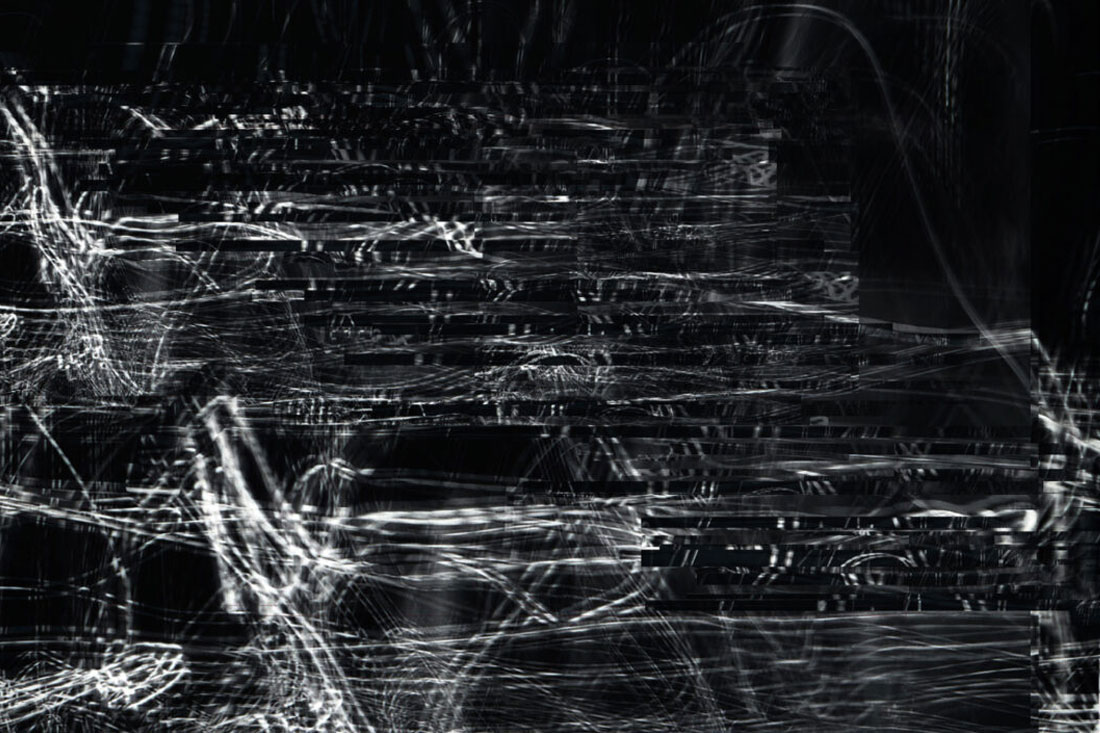
Throughout the performance-installation, the artist engages in a glossolalic duel: seated before the audience, typing on a laptop while simultaneously articulating invented sounds. Language here is dismantled, compressed, re-coded, and finally suspended in a liminal state between visibility and erasure. The public is invited to participate, not by deciphering meaning, but by contributing their own residues of thought—thus enacting a collective maintenance of mental debris.
.
This mechanism resonates with Beatrix Ruf’s reflection on contemporary art’s inclination toward «contaminated systems,» where meaning is always already inflected, unstable, and exposed to collapse. DELETE embraces such contamination, understanding deletion not as a return to purity, but as a continuous cycle of residue production. The act of «deleting» becomes, paradoxically, a generative force—a production of new illegible archives.
.
The philosophical tension between inscription and annihilation is further underscored by the use of digital tools: projectors, laptops, audio systems, and satellite data streams, all forming a fragile ecology where deletion leaves inevitable traces. In this sense, Daniel Birnbaum’s notion of «chronology loops»—moments where linear time folds back onto itself—is mirrored in DELETE: every attempt at erasure re-inscribes itself, creating new temporalities within the act of forgetting.
.
Through this critical engagement with language and digital memory, DELETE also echoes the concerns articulated by curators such as Hans Ulrich Obrist and Maria Lind regarding the unstable thresholds between performance, documentation, and residual materiality. What remains after the gesture of deletion is not emptiness but a sedimented field of semiotic debris—a landscape of ghost-meanings.
.
Finally, the performative logic of DELETE aligns with the traditions of language-performance outlined by RoseLee Goldberg, yet extends them into the space of algorithmic and infrastructural critique. By treating deletion as both a technical impossibility and a poetic necessity, Mercado confronts us with the ultimate paradox of the digital condition: that to erase is, inevitably, to create.
.
Marcello Mercado
DELETE/ Löschen, 2012
HD single channel video, 10min 05sec
B/W Stereo, 16:9
Interactive Video Installation
.
30.08.2012 – 03.09.2012
Price: Anerkennung – Honorary Mention
Category: Interactive Art
Marcello Mercado
Löschen/ DELETE [+]
ARS ELECTRONICA ARCHIVE – PRIX


DELETE, Performed by Marcello Mercado, Palazzo Re Enzo (Bologna), Call4roBOt, 2005

Marcello Mercado, DELETE, Installation, La Ira de Dios Gallery; Buenos Aires, 2014
.
.