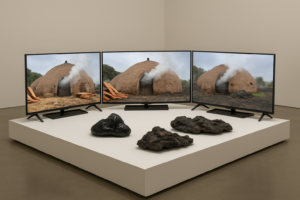
• Transitory Artefacts, A Journey through Time and Media

    Transitory Artefacts, A Journey through Time and Media


    Marcello Mercado

    Transitory Artefacts:

    A Journey through Time and Media

    2000 -2025


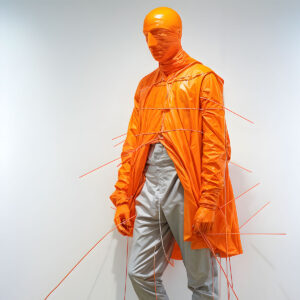
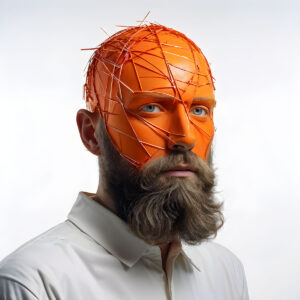
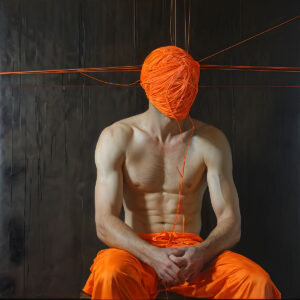
    Poly-Auto-Portraits 02


    Poly-Auto-Portraits: Drifting Selves Between Scanners, Color, and Algorithms


    Das Kapital 80, AI: The Political Economy of Algorithmic Moderation


    Das Kapital, Version 78, DELETEORIUM


    Das Kapital, Version 76, Algorithms, 2025


    Formula Van Gogh


    Run


    Dead Code Anatomies


    Self-Portrait in a State of Archive


    The Neutrals


    Das Kapital: Bell, Marx and the cycles of absorption, 2005


    Variations Van Gogh, Installation


    HOS-Bild: Warten als algorithmische Form: Das Bild als Versprechen


    The Ulysses Syndrome in the Age of Artificial Intelligence


    On the Production of Images and Sounds with AI


    The Economy of Residues: Temporal Assemblages of Capital and Body


    Gödel Suite, 2009

    Gödel Devices and Epistemic Apparatuses


    Images become containers; containers become images: A Performance in Seven Movements, 2005


    DELETE


    Bestiary for the Minds of the 21st Century: Genomic Opera


    transferring, storing, sharing and hybriding: The perfect humus


    Trace, Burn, Archive, 2005 – 2008


    Index – Generator, Performance, 2004


    Listening the chromosome 17, 1-channel Video Installation, 2023


    Human Genome re-Activation – Low Lives 3 International Festival of Live Networked Performances, 2011


    To whom belongs the Time?


    How to explain to a dead mole the difference between…? Performance, 2001


    Azimuth 77, Performance, 2006


    Confinment, Artist´s book, 82 pages, 2020


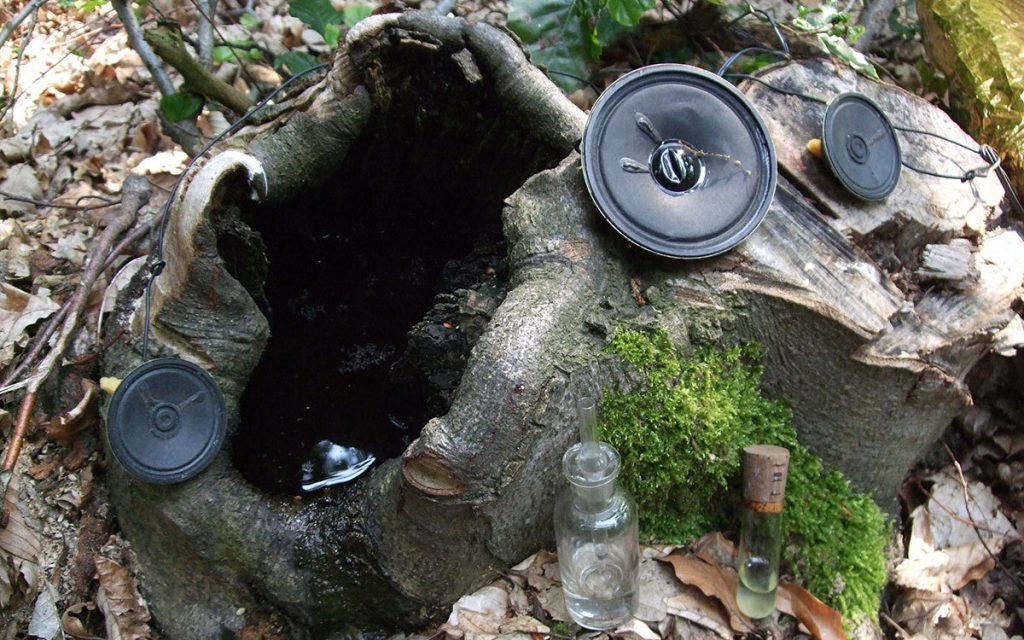
    Making consistent volatile ideas by broadcasting bio-information through plants, DNA, worms and Radio Frequencies


    The algorithm, 2024, Process art – New media art – AI


    How leopards caught leopards


    Burning Garden – 2024


    Curves, compost, forecasts and closures, Performance, 2020


  • The Economy of Residues: Temporal Assemblages of Capital and Body

    The Economy of Residues: Temporal Assemblages of Capital and Body


    Marcello Mercado

    The Economy of Residues: Temporal Assemblages of Capital and Body

    1996 . 2004


    The Economy of Residues (2004) is an experimental performance-installation articulating biological material, cognitive labor, and technological obsolescence into an operative system. Through the controlled circulation of human urine collected during readings of Das Kapital, a transitional cash register from early 20th-century commerce, and projected video documentation, the work constructs a closed field where processes of expenditure, decay, and thought are directly observed. The Economy of Residues (2004) proposes a model for studying parallel economies of waste and value at the intersection of body, text, and apparatus.


    Between April 8 and 13, 2004, Marcello Mercado presented the performance-installation The Economy of Residues in a temporary exhibition space, Kunst Klub Köln, located at Hans-Böckler-Platz/Bahnhof West, Cologne. The event was curated by Marcus Broecker,


    The work consisted of three operational phases involving video projection, bodily material extraction, and the construction of a closed circulation apparatus. The project maintains an analytical approach to the relationships between human biological processes, intellectual labor, and obsolete technological devices within capitalist economies.


    Phase 1: Archival Projection (1996–2004)

    A video recorded in 1996 in Córdoba, Argentina, documents the artist’s initial verbal explorations in the week he received a $20,000 grant from the Rockefeller Foundation and the John D. and Catherine T. MacArthur Foundation for a project centered on Karl Marx’s Das Kapital.
    The projection registers a disorganized, pre-discursive attempt to articulate the conceptual field of the project. No narrative structure is imposed on the material; the video operates as clinical documentation of the project’s origination state, prior to formal articulation. The projected image functions as a temporal anchor, situating the installation within a multi-phasic economy of intellectual labor and capital investment.

    .

    .

    .

    Phase 2: Biological Material Extraction (2003–2004)

    Subsequent to intensive reading sessions of chapters 8, 17, and 22 of Das Kapital, Mercado collected his own urine.
    Each sample was gathered immediately post-reading, without delay, ensuring minimum metabolic deviation. The urine was not chemically treated or altered. No external agents were introduced.
    The biological material was treated as a direct index of cognitive expenditure — operational and measurable: a secretion corresponding precisely to a defined act of intellectual labor.

    Following the work of Shannon Jackson and Rebecca Schneider on performance as maintenance and residue, Mercado established a strict procedural economy: the materiality of bodily waste was integrated into the performative system.

    .

    .

    .

    Phase 3: Circulation Apparatus Assembly (2004)

    The central physical structure was assembled using:

    1. An early 20th-century antique wooden cash register (Whoppah), height 46 cm, width 38 cm, depth 53 cm, built in oak. This wooden cash register represents a transitional phase between the early cast iron mechanical registers (such as those produced by NCR) and the later electric or digital models.
    Crafted largely by hand and often produced in limited series, many of these pieces featured oak finishes, typical of models designed for prestigious businesses at the beginning of the twentieth century, including pharmacies, watchmakers, and banks.
    An emblem of commercial culture, this type of register reflects the flourishing of urban retail markets and the growing trust in the mechanical recording of financial transactions.
    Numerous manufacturers specialized in commercial instruments and registers during this period, such as Anker Werke, based in Bielefeld. This particular piece was acquired at an auction in Cologne in 2003.

    2. Transparent rubber tubing connecting the urine to internal channels within the cash register.

    3. Laboratory glassware, including thermometers

    4. Surgical scissors for potential manual interventions.

    5. Corrugated cardboard structures for stabilization.

    .

    The urine samples were circulated through the internal body of the cash register via gravity and manual intervention, without mechanical pumps. The device was fully visible to the audience, placed directly on the gallery floor without pedestals or protective barriers.

    In the logic of media archaeology as developed by Siegfried Zielinski, the selection of a transitional technological device — an analog, partially manual cash register — functions  as a concrete insertion of temporal obsolescence into a living circuit. The cash register, designed for quantification and validation of value, was reoperationalized as a substrate for biological residues.

    .

    .

    Analytical Considerations


    The installation frames a closed operational circuit where material processes unfold without recourse to symbolic functions. Urine, extracted post-cognitive exertion, is circulated through a technologically obsolete device, repurposed not for historical reference but for the real-time management of metabolic waste.

    The projection of the 1996 video establishes a temporal axis of deferred action, recording the project’s initial cognitive investment and linking it materially to the physiological outputs of reading and analysis performed years later.

    Biological material, intellectual energy, and mechanical infrastructure interact under controlled parameters, generating a live field of procedural operations.

    The apparatus neither represents nor signifies. It activates. It institutes real economies of transformation, linking bodily waste, cognitive depletion, and technological redundancy in a dynamic operational ecology.

    The Economy of Residues delineates an operative field where cognitive, biological, and technological residues are no longer separated by disciplinary boundaries but analyzed as components of a continuous system of expenditure and transformation.Each temporal stratum remains autonomous while linked through the procedural logic of the work.

    .

    .

    .

    .

    .

    .

    .

    .

    .

    .

  • Gödel Suite, 2009

    Gödel Suite, 2009


    Marcello Mercado

    Gödel Suite, Baden-Baden

    1h Performance

    2009


    This one-hour performance took place in the Napoleon Suite of a hotel in Baden-Baden in 2009. The artist staged a clinical operation with two plastic containers, each containing compost, California red worms (Eisenia fetida), and a printed version of one of Gödel’s two incompleteness theorems. Each container was assigned a specific theorem – the first and second, respectively – creating an operational dissociation.

    The performance followed a precise protocol. Both containers were placed on the bed of the suite, on a sterilized white surface. A laser device was positioned to intermittently activate beams directed at the compost masses. Throughout the one-hour duration, fragments of Gödel’s theoretical formulations – translated into sound – were transmitted to the containers via a CD player and a portable military radio system. No outside audience was present. No symbolic gestures were made.

    The action was clinically closed. A sterilized green surgical drape was used to cover the entire scene at the end of the procedure. No commentary was provided and no textual explanation was provided at the site.


    This work does not intend to represent Gödel’s theorems. It acts upon them. The performance subjects these theorems – considered fundamental limits of formal logic – to biological decomposition. The worms digest without interpretation. The artist does not take authorship of the decomposition, but becomes its procedural agent. The plastic containers function as epistemological cells: finite environments with a strictly defined purpose.


    In line with Gödel’s formulation of incompletenesswhere any consistent formal system capable of expressing basic arithmetic is necessarily incomplete performance introduces an irreversible event: Decomposition. Once subjected to decay, the logical integrity of the theorems is no longer preserved as a cognitive artifact, but as an organic residue. The separation of the two theorems into independent composts suggests a dissociation of limits: one of provability, the other of system self-validation. They are not opposed to each other, but parallel to each other and degraded separately.

    Here, the clinical approach to logic resonates with contemporary curatorial frameworks. Anita Haldemann’s forensic treatment of conceptual drawing, Chus Martínez’s investigations into speculative epistemologies, and Sebastián Vidal Mackinson’s curatorial approaches to logic-based performativity all support readings that locate performance not in allegory but in direct, structured operation.


    Duration plays a critical role. The worms act slowly. The performance does not document transformation – it initiates it. The artist does not accelerate, complete, or alter the natural pace of the event. The decomposition remains partially invisible, imperceptible within the given time frame, yet fully initiated. Maria Lind’s writing on «compost politics« provides a lens for understanding slow, non-representational knowledge production. Similarly, Rosa Lleó’s interest in post-natural time and Catherine de Zegher’s focus on invisible spatial gestures enrich the reading of this temporal layer.


    Light Intervention: A handheld laser traced subtle lines across the compost bins, activating the performative space as a site of speculative measurement-mapping invisibilities and referencing both data collection and epistemic limits.


    The decomposition of the theorems into their own containers-each a closed system-materialized Gödel’s insight that no formal system can be both complete and consistent. The worms acted as biological agents enacting undecidability, devouring the internal limits of reason itself.


    This work continues Mercado’s exploration of the body, language, and information as ephemeral substrates. The performance recalls early interventions in conceptual and bodybased practices, while establishing a new dialogue with strands of bioart that explore identity, decay, and technoorganic thresholds.


  • Trace, Burn, Archive, 2005 – 2008

    Trace, Burn, Archive, 2005 – 2008


    Marcello Mercado

    Trace, Burn, Archive (2005–2008)

    Performances Series

    .

    In Trace, Burn, Archive, Marcello Mercado conducts a five-part performance series in Denmark and Germany, using his own DNA as both material and message. Between 2005 and 2008, each action explores a different relationship to the body’s trace – its preservation, dispersal, destruction, and withdrawal.


    From burning his DNA on a surgical gauze in a coastal fire to burying it in a geometrically excavated hole, destroying it with a hammer, or temporarily entombing it in a cemetery, Mercado moves between intimate, domestic spaces and industrial, public terrains. The series reflects on the status of the biological self in an age of data, biotechnology, and surveillance, and engages critically with contemporary bioart and performance practices.


    Rather than seeking permanence, Trace, Burn, Archive stages the volatility and impermanence of identity. Influenced by thinkers such as Siegfried Zielinski, the series embraces fragility, disappearance, and nonarchival gestures that resist fixation and affirm the right to disappear.


    Protocol I: Fire

    Performance, 2005 (Part I of V)


    In 2005, on the Danish coast near Gedesby beach, the artist initiated a longterm performative cycle consisting of five actions in Denmark and Germany. Each action directly engaged the artist’s own biological material – specifically DNA – as medium, residue, and conceptual axis. These procedures alternated between the destruction and preservation of genetic traces, unfolding a paradoxical relationship to selfhood, corporeality, and archiving.

    .

    The first action was simple and austere: the artist removed a sterilized surgical towel from a sealed bag, placed a biological sample containing his DNA on it, and then placed the green towel over an open fire, allowing it to burn completely. The act was performed alone, in an open landscape, without an audience or documentation beyond memory and minimal notes.

    .

    Subsequent actions between Cologne, Brühl, and Gedesby continued this exploration: in some, the DNA was carefully embedded in holes in urban construction zones or shallow excavations made by the artist himself, protected and left as a latent archive; in others, the material was eliminated through controlled combustion. The gestures operated between care and erasure, preservation and liberation, echoing scientific protocols while resisting their teleology.

    .

    Siegfried Zielinski’s media-archaeological approach offers a useful lens through which to interpret these actions. His notion of “variantology”—the excavation of divergent and peripheral technological histories—resonates with this practice’s refusal to stabilize or monumentalize biological identity. Instead, the work stages DNA as something volatile, contingent, and context-dependent: not a stable origin, but a fragile trace submitted to the weather, to combustion, to burial.

    .

    At its core, Trace, Burn, Archive and its subsequent iterations propose a tension: between the biological permanence of DNA and the performative ephemerality of its exposure. Neither fetishizing nor denying the body, the project subjects it to a series of irreversible choices executed with almost forensic clarity, leaving behind a paradoxical archive-simultaneously intimate and inaccessible.

    .


    Protocol II: Displacement

    Performance, 2005 (Part II of V)


    The second chapter in a five-part cycle that explores the artist’s biological material as both medium and conceptual trace, Protocol II unfolds within the impersonal landscape of an urban construction site in Germany.


    For this action, the artist took advantage of the site’s transitory infrastructure: a large industrial waste container and an adjacent mound of earth, presumably the byproduct of an excavation. Climbing to the top of the mound, he placed a sample of his own DNA on the top. A second portion of the same sample was placed inside the container itself, hidden among the debris. These gestures were made quietly, without announcement or documentation, and the site was subsequently abandoned. The artist boarded a bus and left the area, never returning to the site.


    The use of building materials and terrain-temporary, utilitarian, anonymous-underscores the performance’s relationship to dislocation, ephemerality, and the politics of bodily presence. The industrial context becomes not only a stage, but a co-author of the gesture. DNA, a persistent marker of identity, is circulated in an indifferent environment, deprived of narrative support or symbolic closure.


    In dialogue with the discourse of bioart, this action resonates with practices that deal with the material traces of the body without spectacularization. Unlike the aestheticized use of biotechnology in laboratory-based works, this performance exists within the informal logic of urban processes: excavation, discard, instability. It echoes conceptual strategies found in the work of Brandon Ballengée or Kira O’Reilly, but operates with a distinctly minimal vocabulary – displacement, withdrawal, sedimentation.


    The act also invites reflection on territorial and bodily autonomy. As Paul B. Preciado has argued, the body today is a «pharmaco-political archive,» constantly encoded, sampled, and managed. In this performance, the artist stages a modest refusal: the archive is not stored, but abandoned, made inaccessible to systems of control and authorship.


    DNA becomes an unmarked anomaly within the construction site’s own transformationneither waste nor monument, but latency.


    With Protocol II: Displacement, the artist extends the cycle’s investigation into the ambivalence of presence: not erasure, but alienation; not exhibition, but silent insertion. The biological trace once again evades stabilization, leaving its meaning to sediment elsewhere, or perhaps nowhere at all.


    Protocol III: Interruption

    Performance, 2006 (Part III of V)


    Performed in the privacy of the artist’s apartment in Cologne, this third action turns inward – toward the interior of the body and the limits of its traceability. Using a sterile cotton swab, the artist extracted a sample of his own DNA from the inside of his mouth. He then placed the swab on a hard surface and crushed it with a single, decisive blow of a hammer.


    Protocol IV: Recess

    Performance, 2005 (Part IV of V)


    This fourth action in the ongoing cycle was carried out on the outskirts of Brühl, Germany. A geometric excavation in the shape of a capital «L» was executed according to a digital model previously designed and constructed by the artist using 3D modeling software. Into this carefully calculated void, the artist placed a sample of his own DNA.


    Departing from earlier actions that focused on negation or erasure, Protocol IV introduces a spatialized logic of inscription. The L-shaped cavity interrupts the natural surface of the terrain, articulating a deliberate intervention in which the body-information is materially transferred into form.


    This artificial geometry – precise – functions as a spatial abstraction of identity. As bioart theorist Jens Hauser has suggested, such «epistemological performances« do not merely stage the biological, but explore how knowledge and presence are structured through space, tools, and bodily residues.


    Here, DNA is neither circulated nor destroyed; it is housed in a sculptural void designed to withhold rather than display, The work does not seek legibility or memory, but produces a silent topology of withdrawal.


    What remains is not a relic, but a recess. A sign of presence rendered spatial, encoded in negative volume.


    Protocol V: Transitory Interment

    Performance, 2008 (Part V of V)

    .

    The final installment of this five-part series took place in 2008, following a surgical procedure to remove the artist’s tonsils. After a period of recovery, the artist visited Cologne’s Melaten Cemetery with a wheelbarrow full of fresh flowers. In a brief but deliberate act, the flowers linked to the missing tissuewere buried in the ground of the cemetery for exactly ten minutes before being exhumed and removed.


    Unlike the previous actions, which oscillated between dispersal, containment, and obliteration, Protocol V enacts a temporary burial: a ritualistic, measured gesture in which the organic and the ephemeral converge. The performance articulates a body in the threshold, not of visibility, but of transformation and latency.


    The corporeal fragments circulate in recursive loops of exposure and concealment. The performance displaces the remains of the body into a terrain where biological, aesthetic, and memorial values intersect, however briefly.

    What is buried is not memory, but duration. The interval – ten minutes – becomes the real material of the work.


  • A DNA Artifact , 2007

    A DNA Artifact , 2007


    A DNA Artifact

    Running time: 5 days
    Performance, 2007

    .

    In 2007, the artist carried out a three-part performative action across distinct European geographies—Munich, Extremadura, and Niederzissen—combining field observation, basic biotechnology, and cultural reflection.

    Act I began at the Ostfriedhof cemetery in Munich, at the grave of filmmaker Rainer Werner Fassbinder. A flower from the site was collected, and its DNA extracted and preserved using basic lab protocols.

    .

    Act II followed in Extremadura, Spain, near the Museo Vostell Malpartida. Local wildflowers were collected in proximity to the former studio of artist Wolf Vostell. Their DNA was extracted and refrigerated under similar conditions.

    .

    Act III took place in a forest near Niederzissen, Germany. Under an oak tree, two plastic figurines—Bart and Marge Simpson—were bound together and submerged in a Petri dish containing the combined DNA solutions from the previous acts. A residual portion of the DNA mixture was fixed onto a copper plate using clear resin, producing a material record of the action.

    .

    The operation is cultural and procedural. The collected sites are nodes in postwar artistic and cinematic history, but also speak to the broader process of how individuality and dissent have been increasingly absorbed by systems of representation and normalization. In the decades following World War II, difference—once persecuted—was progressively tolerated, codified, commodified, and ultimately, turned into cultural capital. Figures became characters; lives became formats. The project draws attention to these shifts by juxtaposing material trace (DNA) with figures from mass entertainment—ubiquitous, neutral, endlessly reproduced.

    .

    The piece dialogues with Siegfried Zielinski’s variantology, especially his call for alternative, non-linear approaches to cultural and media history.


    The ephemeral nature of the performance contrasts with the longevity of the biological material, leaving not only a record but a new configuration: a molecular artifact of movement, memory, and media.


    .


    Grave of filmmaker Rainer Werner Fassbinder, at the Ostfriedhof cemetery, Munich, Germany


    Museo Vostell, Malpartida, Extremadura, Spain


    Bart and Marge Simpson were submerged in a Petri dish containing a

    composite solution of the extracted DNA

    A forest near Niedersizzen, Germany


    Bart and Marge Simpson were submerged in a Petri dish containing a

    composite solution of the extracted DNA

    A forest near Niedersizzen, Germany


    The fused DNA was fixed on a copper plate using clear resin


  • To whom belongs the Time?

    To whom belongs the Time?


    Marcello Mercado

    To whom belongs the Time?

    stereo, black/white

    Running time: 1h 03 minutes,

    2020


    This videoinstallation explores the notion of time as a resource—one that is consumed not only by subjects but by the very medium itself. The video loop unfolds at a pace determined by the technical processes that sustain it, foregrounding duration as both material and concept.

    The work features an inaudible soundtrack composed of frequencies known to stimulate photosynthesis, introducing a speculative layer in which the act of viewing is coupled with the possibility of non-human growth. Time, in this context, becomes a shared field of influence—between light, signal, plant, and viewer.

    The conceptual framework draws from a reflection by Siegfried Zielinski in Variations on Media Thinking (2019), in which he revisits the political urgency once attached to the question, “To whom does the world belong?”—a question famously posed by Bertolt Brecht in his 1932 film Kuhle Wampe. Zielinski proposes that, in our present condition, a more pressing question has emerged: “To whom does the time belong?”

    This work reclaims that question within the space of media and installation, where time is no longer merely experienced but expended—measured in energy, in bandwidth, in waiting. By making perceptible what usually remains invisible or inaudible, To whom does the time belong? invites us to reconsider our temporal entanglements with the systems we inhabit and the technologies we deploy.


  • How leopards caught leopards

    How leopards caught leopards


    Marcello Mercado
    How leopards caught leopards,
    1-channel video installation,
    20 min. 41″ (loop)
    stereo 4:3 black/white/color
    2014


    This is a post-documentary video work created in 2014, situated somewhere between experimental documentary and expanded documentary practices.

    The footage was discovered by chance: anonymous webcam streams from users who communicated silently through gestures and smoke. These broadcasts took place during the original airing of the final episodes of Breaking Bad, a time when a virtual community of fans gathered online, sharing presence without words.

    All videos were captured from now-defunct, silent web-cams—digital relics of a momentary collective ritual. The soundtrack was later reconstructed, echoing the degraded quality of the original transmissions, emphasizing the broken fidelity and ghostly textures of early streaming media. To preserve the anonymity of the users, the images underwent intense digital processing and abstraction.

    What emerged was a fragmented network of solitary figures, lit by the glow of their screens, exhaling smoke—signals of a shared affective state, sometimes euphoric, sometimes numb. The nature of the substances remains unspoken, but perceptible in the rhythm of gestures, in the slowness of movements, in the gaze that wanders.

    This piece explores how digital networks enabled new forms of contact, altered states of togetherness, and ephemeral intimacy—through smoke signals, livestreams, and spectral encounters in shared virtual space.


    VIMEO PASSWORD:  lmrd3


  • Gödel Devices and Epistemic Apparatuses

    Gödel Devices and Epistemic Apparatuses


    Gödel Devices and Epistemic Apparatuses: A Performative Construction (Geneva, 2006)


    In 2006, a performative apparatus was activated within a hotel room in Geneva—an environment operating simultaneously as a spatial container and a neutralized architecture of regulation. The performance constructed a field of epistemic operations based on the formal structure of Kurt Gödel’s incompleteness theorems (1931), which remain fundamental to mathematical logic and the philosophy of formal systems.


    Two compost containers functioned as epistemological devices. Each was assigned one of Gödel’s theorems, not to symbolize them, but to act as operational surfaces through which non-decidability and internal inconsistency could be performed materially. Rather than creating narrative or symbolic readings, the setup deployed the composts as experimental variables—unstable matter undergoing entropic processes of decomposition and transformation.


    From the curatorial perspective of performance studies—as developed by RoseLee Goldberg and later rearticulated in André Lepecki’s analysis of movement, immobility, and time—the piece displaced the body as the primary site of performance and instead foregrounded abstract systems, feedback loops, and logical structures as the protagonists of the performative event.


    The First Incompleteness Theorem, applied to one container, asserts that any consistent formal system capable of expressing arithmetic will contain true statements that are unprovable within the system. The compost associated with this theorem functioned as a generative system outside of full codification: a dynamic substrate whose processes could be observed, perturbed, but never entirely mapped or resolved.

    .

    .

    The Second Incompleteness Theorem, linked to the second container, states that such a system cannot demonstrate its own consistency. This recursive impossibility was spatialized in the performance through a set of actions that denied the possibility of internal closure: the use of a laser (a high-frequency, deterministic tool) applied to an unpredictable surface; the attempt to communicate with a non-human medium via a walkie-talkie in an invented, non-indexical language; and the eventual covering of the entire operation with a sterile green surgical drape, interrupting visibility and suspending verification.

    .

    .

    This final gesture—the occlusion—directly responds to what Adrian Heathfield has termed “the aesthetics of disappearance” in performance: the refusal of full visibility, the staging of ungraspable phenomena, and the challenge to archival logic. However, rather than romanticizing ephemerality, the work maintained a rational structure: each action was part of a logical sequence of procedural constraints. The invented language was not expressive but formal, a system without reference but complete in its syntax—testing the boundaries of communication theory and transmission logic.

    .

    .

    Catherine Wood’s writings on performance in institutional contexts resonate here: by activating performance as a system rather than spectacle, and by replacing the performer’s body with materials governed by formal limits, the work interrogated not only the boundaries of the artwork but also the systems through which knowledge is generated, represented, and contained.

    .

    .

    The presence of technological elements—walkie-talkie, laser, surgical drape—was not incidental. These were selected and deployed as devices of precision, transmission, and sterilization. They acted as tools of systematization inserted into an environment that refused stabilization. Chantal Pontbriand’s framing of performance as “research in real time” becomes particularly relevant here: the performance did not seek to represent undecidability—it tested it under tightly controlled yet unresolvable conditions.

    Rather than proposing allegory or metaphor, the performance operated as a material experiment with formal limits. It proposed a non-human-centric, system-based structure that echoed the foundational limits of rational knowledge as defined by mathematical logic. The choice of Geneva—epicenter of international standardization, diplomacy, and techno-scientific governance—further reinforced the work’s relationship to epistemic control and its necessary breakdowns.

    In this sense, the performance may be read not as an artwork but as a temporary epistemological lab: a controlled failure of system closure.

    .

  • Images become containers; containers become images: A Performance in Seven Movements, 2005

    Images become containers; containers become images: A Performance in Seven Movements, 2005


    Images become containers; containers become images: A Performance in Seven Movements

    2005


    Conceptual Framework
    This performance unfolds within a conceptual triangle: Max Weber’s reading of Calvinism as the ethical substrate of capitalism, John Calvin’s moral rehabilitation of profit through moderation and discipline, and Karl Marx’s critique of capital’s capacity to profit from catastrophe. The work weaves biography, theology, botany, and financial history into a live epistemological and aesthetic protocol.


    Movement I: Grave Visit / Extraction

    Location: Geneva, Switzerland
    On the first day, I visited the unadorned grave of John Calvin, marked No. 707, in the Cimetière des Rois. The site itself resists monumentality, mirroring Calvin’s ascetic rejection of iconography. In a gesture of symbolic extraction, I collected a branch of Ligustrum vulgare (common privet), growing near the burial site—an act of vegetal sampling, situated between pilgrimage and appropriation.

    Max Weber relates John Calvin to the emergence of a Protestant ethic that permits—and even values—economic activities such as lending money with interest, something that had been prohibited or morally condemned in medieval Catholic tradition. This connection appears mainly in his work «The Protestant Ethic and the Spirit of Capitalism», first published between 1904 and 1905.

    1. Breaking with the traditional condemnation of interest
      In the Middle Ages, the Catholic Church condemned usury (charging interest on loans), based on biblical interpretations. Profit in itself was viewed negatively. However, John Calvin reinterpreted Scripture and argued that charging interest was not intrinsically immoral, as long as it was done in moderation and without exploiting those in need. This was a key shift in the moral view of money and its use.

    2. Rationalization of work and profit
      Weber explains that Calvinism promoted a worldview in which hard work, discipline, and the accumulation of wealth were signs of being «chosen» by God. Within the framework of predestination (a core Calvinist doctrine), believers could not know whether they were saved, so they looked for external signs—such as economic success and morally austere living—as confirmation of their «election.»

    3. Moral validation of lending and capital
      In this new context, lending money with interest becomes a rational and legitimate activity, even virtuous when done responsibly. It is part of the ethos of emerging capitalism: not only permitted, but seen as an ordered, planned act useful for economic development.

    Weber shows that Calvinist thought profoundly changed the view of money, interest, and labor. What was once a sin became a virtue, provided it was embedded in a framework of rationality, self-discipline, and ascetic morality. Thus, the economy ceased to be in conflict with religion and began to merge with ethics, preparing the cultural and ideological ground for modern capitalism.

    .


    Movement II: Botanical Intervention / DNA Extraction

    Location: Hotel Room, Geneva
    Within a sterile setting—a generic hotel room, echoing the impersonal logic of global capitalism—I conducted a basic DNA extraction from the Ligustrum specimen. This laboratory-like act evoked both Calvinist precision and the mechanization of life processes. Here, Calvin’s reformative spirituality meets post-genomic materiality.

    .

    .


    Movement III: Transmutation / Chromatic Alchemy

    Location: Cologne, Germany
    Back in my studio in Köln, I initiated a chromatic transmutation. The extracted DNA was blended with Sambucus nigra (elderberry) dye, a historically potent pigment and medicinal agent, and traditional oil paint. This hybrid preparation—organic, symbolic, and technological—became the material substrate for the pictorial phase. It was both painting medium and biosemiotic archive.

    .

    .

    .

    .

    Movement IV: Marxist Re-Inscription / Portraits of the Unrecorded

    Drawing on Karl Marx’s account of the Vulcan Street fire (Chapter 25, Capital, Volume I), where tragedy becomes surplus, I imagined two anonymous victims of that fire—lives erased by both bureaucracy and economic abstraction. Their absent presences were re-embodied through two paintings of heads, rendered with the DNA-oil-elderberry mixture. The brushwork recalled the gestural instability of memory under erasure.

    .

    Marcello Mercado

    Unknown I

    42cm x 59,4cm, mixed media on paper

    2005

    .

    Marcello Mercado

    Unknown II

    42cm x 59,4cm, mixed media on paper

    2005

    .

    .

    Movement V: Flames / Asphalt Syntax

    With the remaining hybrid material, I painted four tongues of flame—abstract yet evocative—superimposing layers of asphalt paint. The black industrial texture referenced both the ruins of capital and the corporeality of urban collapse. These paintings functioned as devotional icons to entropy: combustion as symbol, system, and soul.

    .

    Marcello Mercado

    The Young Johannes Calvin I

    60cm x 80cm, mixed media on paper

    2005

    .

    Marcello Mercado

    The Young Johannes Calvin II

    60cm x 80cm, mixed media on paper

    2005

    .

    Marcello Mercado

    The Young Johannes Calvin III

    60cm x 80cm, mixed media on paper

    2005

    .

    Marcello Mercado

    The Young Johannes Calvin IV

    60cm x 80cm, mixed media on paper

    2005

    .

    Marcello Mercado

    The Young Johannes Calvin V

    60cm x 80cm, mixed media on paper

    2005

    .

    .

    Marcello Mercado

    The Young Johannes Calvin VI

    60cm x 80cm, mixed media on paper

    2005

    .

    .

    .

    .

    Movement VI: Digital Collapse / Synthetic Voice

    The six paintings (2 heads, 6 flames) were digitized and algorithmically blended in Photoshop to produce a single composite image. This visual amalgam was then transposed into text code—an abstraction of an abstraction—and read aloud by a synthetic voice. The result was a sonic surface of illegibility: a voice devoid of human inflection, enacting the alien logic of post-human narrative systems. Audio excerpt of the text turned into sound:


    .

    Movement VII: Performance as Algorithm / Systemic Entanglement/ A system of thought

    The performance was concluded by drafting an algorithm—a conceptual code—structured on the interlocking logic of Weber + Calvin + DNA + Capital + System. This algorithm was not executable by machines but by thought: a heuristic choreography meant to be read, interpreted, or enacted across disciplines. It was both score and residue, ethics and critique.


  • Marcello Mercado/Drawings

    Marcello Mercado/Drawings


    Marcello Mercado

    Serie M3

    Bleistift und Acryl auf Papier,

    32cm x 22cm, 12,59in x 8,66in,

    2025


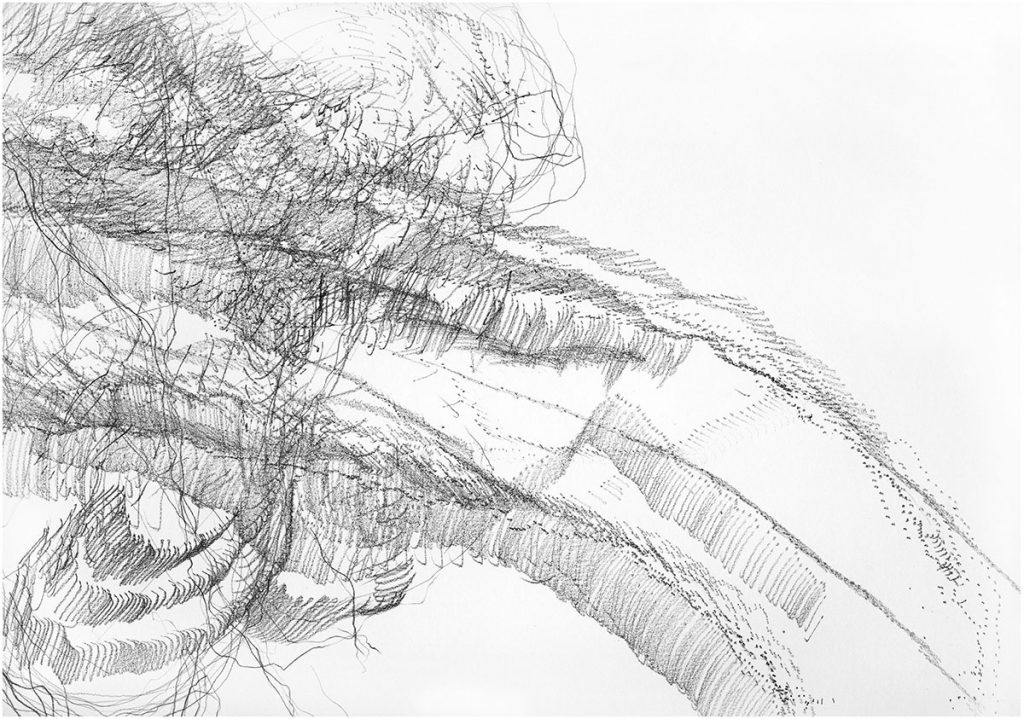
    In den ausgewählten Zeichnungen von Marcello Mercado entfaltet sich eine systematische Auseinandersetzung mit dem Zeichnen als Ereignis und zugleich als Residuum. Weder illustrativ noch narrativ, offenbaren diese Arbeiten den Akt des Zeichnens als dynamische Spannung zwischen Präsenz und Verschwinden. Sie eröffnen einen Raum, in dem die Technik nicht nur Mittel zum Zweck ist, sondern ein eigenständiges Forschungsfeld, das subtil sowohl an historische grafische Traditionen als auch an die spekulative Dringlichkeit zeitgenössischer Ästhetik erinnert.

    Jede Zeichnung wird zu einem Mikrokosmos von Absicht und Zufall, von Eingrenzung und Zerstreuung. Der Bleistift oszilliert zwischen rhythmischer Linearität und fragmentarischer Interferenz. Linien kreuzen sich mit scheinbar spontanen Gesten, die bei näherer Betrachtung eine kalkulierte Dissonanz offenbaren. Diese Dualität – Ordnung im Chaos – steht im Dialog mit den visuellen Codes algorithmischer Ästhetik.

    Werke wie „Untitled 2022“ und „Untitled 2010“ zeigen Mercados technische Bandbreite: Die Gegenüberstellung feiner, fast kalligraphischer Linien mit breiten Acrylschichten suggeriert eine Choreographie zwischen Kontrolle und Hingabe. Diese vielschichtigen Gesten erzeugen visuelle Konfliktzonen, in denen sich das Bild nie ganz stabilisiert – es flimmert und verweigert sich der Vollendung. Dieses Konzept der Instabilität spiegelt Catherine de Zeghers These wider, dass die Linie eine flüchtige Gedankenspur ist, ein Überbleibsel physischer Absicht.

    Formal erkunden die Zeichnungen Kompositionsstrategien, die sowohl an architektonische Skizzen als auch an neurographisches Mapping erinnern. Formen werden angedeutet, aber nicht bestätigt. „Die Serie M3 beispielsweise bewegt sich auf einer Ebene der Mehrdeutigkeit, auf der Figuration und Abstraktion aufeinanderprallen. Andeutungen organischer Formen tauchen auf, werden aber durch unregelmäßige Eingriffe wieder unterbrochen“.

    Die Farbpalette ist oft begrenzt und bevorzugt monochrome oder zweifarbige Farbschemata mit plötzlichen Pigmentausbrüchen. Diese Beschränkung verstärkt die Materialsensibilität jedes einzelnen Strichs. In Werken wie „M3-17“ wird die Sparsamkeit der Mittel zur Stärke: Die wenigen vorhandenen Linien sind mit einer kinetischen Energie aufgeladen, die eine Bewegung über das Blatt hinaus suggeriert. Umgekehrt zeugt die Dichte von Zeichnungen wie «Mapping 2011» von einem fast skulpturalen Ansatz – Schicht für Schicht entsteht ein strukturiertes Bildfeld, das die Komplexität barocker Kompositionen widerspiegelt.

    Thematisch changieren die Zeichnungen zwischen Diagramm und Traum. Sie widersetzen sich der traditionellen Erzählweise und setzen stattdessen auf eine poetische Sprache der Zeichen und Brüche. Mercados Verwendung von Schichtungen – sowohl buchstäblich als auch konzeptuell – erzeugt nicht nur räumliche, sondern auch zeitliche Tiefe. Jede Zeichnung wirkt wie ein Palimpsest, das Spuren früherer Gesten, Korrekturen und Auslöschungen enthält. Diese prozesshafte Sichtbarkeit lädt zum Vergleich mit der Tradition der analytischen Zeichnung ein, in der die Linie stets mit sich selbst verhandelt.

    Materialmäßig wird die Kombination von Graphit, Tusche und Acryl zurückhaltend, aber präzise eingesetzt. Das Acryl dient nicht der malerischen Wirkung, sondern der Verschleierung oder Akzentuierung – es agiert als aktiver Teilnehmer am zeichnerischen Diskurs. Mal wird es zum Schleier, mal zum Bruch. Ein Wechselspiel zwischen Transparenz und Opazität, zwischen Linie und Fläche.

    Stilistisch loten die Zeichnungen Minimalismus und Exzess aus. Die Serien M3-12 und M3-14 beispielsweise konstruieren komplexe Arrangements aus Wiederholung und Rauschen. Die Verwendung von sich wiederholenden linearen Mustern imitiert sowohl digitale Störungen als auch archaische Muster und lässt Zeitlichkeiten in einer einzigen Geste verschmelzen. Solche Arbeiten entsprechen Rosa Lleós Konzept des Kunstwerks als archäologisches Fragment der Gegenwart – vielschichtig, verschlüsselt, in Bewegung.

    Aus kuratorischer Perspektive sind diese Arbeiten als Kontinuum zu lesen: nicht als Ansammlung einzelner Objekte, sondern als lebendiges System der Variation. Mercados Praxis, wie sie in diesem Werkkomplex zum Ausdruck kommt, beschäftigt sich intensiv mit zeitgenössischen Fragen der Kognition, der Repräsentation und des Scheiterns von Sprache. Sie bleibt aber auch im Konkreten verwurzelt: im Papier, im Zeichen, im Atem. Die Zeichnungen sind Akte des Widerstands gegen die Verflachung der Wahrnehmung, gegen die Verdichtung von Bedeutung. Wie Manuel Segade vielleicht sagen würde, sind diese Zeichnungen Körper an sich – porös, vielschichtig, verletzlich. Sie laden uns ein, sie nicht nur zu betrachten, sondern ihnen zu folgen, uns in ihren Falten zu verlieren. Sie vollziehen das, was José Luis Barrios die dekoloniale Praxis des Bildes nennt: Die Eindeutigkeit zu verneinen, die Vielfalt zu akzeptieren.

    In diesem Sinne aktualisieren Marcello Mercados Arbeiten nicht nur die Sprache der Zeichnung, sondern richten sie neu aus. Indem er sich dem Moment, dem Zerbrechlichen, dem Ungewissen widmet, öffnet er Raum für neue Formen der Aufmerksamkeit und der Auseinandersetzung. Diese Zeichnungen sind keine Illustrationen des Denkens, sondern dessen Sedimente. Sie sind nicht Formen, sondern Schwellen. Sie sind nicht fertig – sie kommen an.


    Marcello Mercado

    Ohne Titel

    Bleistift auf Papier,

    60cm x 80cm, 23,6in x 31,4in

    2022


    Marcello Mercado

    Ohne Titel 01

    Bleistift und Acryl auf Papier,

    42cm x 59,4cm, 16,5in x 23,4in

    2010


    Marcello Mercado

    Ohne Titel 02

    Bleistift und Acryl auf Papier,

    42cm x 59,4cm, 16,5in x 23,4in

    2010


    Marcello Mercado (m)2

    Marcello Mercado

    Ohne Titel

    Aquarell auf Papier,

    29,7cm x 42cm  11,6in x 16,5in

    2012


    Marcello Mercado

    Serie M3

    Bleistift auf Papier,

    22cm x 32cm, 8,66in x 12,59in,

    2025


    Marcello Mercado

    Ohne Titel

    Bleistift auf Papier,

    60cm x 80cm, 23,6in x 31,4in

    2022


    Marcello Mercado

    Serie M3

    Bleistift und Acryl auf Papier,

    22cm x 32cm, 8,66in x 12,59in,

    2025


    Marcello Mercado

    Serie M3

    Bleistift auf Papier,

    22cm x 32cm, 8,66in x 12,59in,

    2025


    Marcello Mercado

    Serie M3

    Bleistift auf Papier,

    22cm x 32cm, 8,66in x 12,59in,

    2025


    Marcello Mercado

    Ohne Titel

    Bleistift und Acryl auf Papier,

    42cm x 59,4cm, 16,5in x 23,4in

    2010


    Marcello Mercado

    Serie M3

    Bleistift und Acryl auf Papier,

    22cm x 32cm, 8,66in x 12,59in,

    2025


    Marcello Mercado

    Serie M3

    Bleistift auf Papier,

    22cm x 32cm, 8,66in x 12,59in,

    2025


    Marcello Mercado

    Serie M3

    Bleistift auf Papier,

    22cm x 32cm, 8,66in x 12,59in,

    2025


    Marcello Mercado

    Ohne Titel 01

    Bleistift auf Papier,

    42cm x 59,4cm, 16,5in x 23,4in

    2011


    Marcello Mercado

    Ohne Titel 02

    Bleistift auf Papier,

    42cm x 59,4cm, 16,5in x 23,4in

    2011


    Marcello Mercado

    Ohne Titel 01

    Bleistift auf Papier,

    60cm x 80cm, 23,6in x 31,4in

    2022


    Marcello Mercado

    Ohne Titel 02

    Bleistift auf Papier,

    60cm x 80cm, 23,6in x 31,4in

    2022


    Marcello Mercado

    Ohne Titel 03

    Bleistift auf Papier,

    60cm x 80cm, 23,6in x 31,4in

    2022


    Marcello Mercado

    Serie M3 – 12

    Bleistift auf Papier,

    22cm x 32cm, 8,66in x 12,59in,

    2025


    Marcello Mercado

    Serie M3

    Bleistift auf Papier,

    22cm x 32cm, 8,66in x 12,59in,

    2025


    Marcello Mercado

    Serie M3 – 14

    Bleistift auf Papier,

    22cm x 32cm, 8,66in x 12,59in,

    2025


    Marcello Mercado

    Bestiarium für die Köpfe des 21. Jahrhunderts

    Bleistift und Acryl auf Papier,

    110cm x 50cm, 43.3in x 19,6in,

    2015


    Marcello Mercado

    Selbsportrait 1998

    Bleistift auf Papier,

    22cm x 32cm, 8,66in x 12,59in,

    1998


    Marcello Mercado

    Ohne Titel

    Buntstift auf Papier,

    22cm x 32cm, 8,66in x 12,59in,

    2005


    Marcello Mercado

    Ohne Titel 01

    Bleistift auf Papier,

    80cm x 60cm, 31.4in x 23.6in,

    2015


    Marcello Mercado

    Ohne Titel 02

    Bleistift auf Papier,

    80cm x 60cm, 31.4in x 23.6in,

    2015


    Marcello Mercado

    Ohne Titel 03

    Bleistift auf Papier,

    60cm x 80cm, 23.6in x 31.4in

    2015


    Marcello Mercado

    Ohne Titel

    Bleistift auf Leinwand,

    60cm x 80cm, 23.6in x 31.4in

    2018


    Marcello Mercado

    Ohne Titel

    Buntstift auf Papier,

    22cm x 32cm, 8,66in x 12,59in,

    2015


    Marcello Mercado

    Ohne Titel

    Buntstift auf Papier,

    22cm x 32cm, 8,66in x 12,59in,

    2015


    Marcello Mercado

    Ohne Titel

    Buntstift und Acryl auf Papier,

    22cm x 32cm, 8,66in x 12,59in,

    2005


    Marcello Mercado

    Marina

    Bleistift und Öl auf Papier,

    32cm x 22cm, 12,59in x 8,66in

    2006


    Marcello Mercado

    Ohne Titel

    Bleistift und Acryl auf Papier,

    22cm x 32cm, 8,66in x 12,59in,

    2003


    Marcello Mercado

    Ohne Titel

    Bleistift auf Papier,

    22cm x 32cm, 8,66in x 12,59in,

    2021


    Marcello Mercado

    Mapping

    Bleistift und Acryl auf Papier,

    80cm x 60cm, 31.4in x 23.6in,

    2011


    Marcello Mercado

    Mapping

    Bleistift und Acryl auf Papier,

    80cm x 60cm, 31.4in x 23.6in,

    2011


    Marcello Mercado

    Mapping

    Bleistift und Acryl auf Papier,

    80cm x 60cm, 31.4in x 23.6in,

    2011


    Marcello Mercado

    Ohne Titel

    Acryl auf Papier,

    60cm x 80cm, 3 23.6in x 31.4in

    2011


    Marcello Mercado

    Ohne Titel

    Bleistift auf Papier,

    60cm x 80cm, 3.6in x 31.4in

    2017


    Marcello Mercado

    Ohne Titel

    Buntstift und Acryl auf Papier,,

    22cm x 32cm, 8,66in x 12,59in, each

    2015


    Marcello Mercado

    Ohne Titel

    Buntstift und Acryl auf Papier,,

    22cm x 32cm, 8,66in x 12,59in, each

    2015


    Marcello Mercado

    Ohne Titel

    Bleistift auf Papier,

    20cm x 30cm, 7.8in x 11.8in

    2015


    Marcello Mercado

    Ohne Titel 02

    Aquarell auf Papier,

    29,7cm x 42cm  11,6in x 16,5in

    2012


    Marcello Mercado

    Ohne Titel

    Bleistift auf Papier,

    60cm x 80cm, 3.6in x 31.4in

    2015


    Marcello Mercado

    Serie L1

    Bleistift auf Papier,

    22cm x 32cm, 8,66in x 12,59in, each

    2021


    Marcello Mercado

    Ohne Titel

    Bleistift auf Papier,

    60cm x 80cm, 23.6in x 31.4in

    2011

    Marcello Mercado

    Ohne Titel

    Bleistift auf Papier,

    60cm x 80cm, 23.6in x 31.4in

    2021


    Marcello Mercado

    Ohne Titel

    Bleistift auf Papier,

    60cm x 80cm, 23.6in x 31.4in

    2005


    Marcello Mercado

    Serie A1

    Bleistift auf Papier,

    22cm x 32cm, 8,66in x 12,59in, each

    2011


    Marcello Mercado

    Ohne Titel

    Bleistift auf Papier,

    22cm x 32cm, 8,66in x 12,59in, each

    2014


    Marcello Mercado

    Ohne Titel

    Tinte und Silikon auf Papier,

    22cm x 32cm, 8,66in x 12,59in, each

    2014


  • CV – español


    Marcello Mercado nació en 1963 en Chaco, Argentina. Con ciudadanía alemana, vive y trabaja entre Chaco y ln, Alemania. Su trayectoria artística está profundamente arraigada en la exploración de la intersección entre tecnología, cultura y expresión artística. Con formación en cine, Mercado estudió en la Universidad Nacional de Córdoba y más tarde en la Academia de Arte y Medios de la Universidad de Colonia, Alemania, experiencias que moldearon su enfoque hacia el arte contemporáneo.

    Su obra abarca inteligencia artificial, arte post-Internet, arte basado en procesos, pintura abstracta, nuevos medios, bioarte, arte sonoro, performance interactiva y dibujo. Su práctica se caracteriza por un intenso compromiso con la relación entre lo digital y lo orgánico, reflexionando sobre la biología cultural de los sistemas tecnológicos. Se mueve fluidamente entre disciplinas, incorporando videoarte, performance, net art y composiciones sonoras, siempre en la búsqueda de redefinir los límites entre la creatividad humana y la lógica computacional.

    A lo largo de su carrera, Mercado ha sido reconocido con numerosas becas y subvenciones de prestigio. En 1993, recibió un subsidio de la Fundación Antorchas, así como también becas de la Fundación John D. y Catherine T. MacArthur, la Fundación Rockefeller y la Fundación Lampadia. En 1996, fue nuevamente becado por las Fundaciones MacArthur y Rockefeller. Su compromiso con las artes mediales continuó con una residencia de posproducción en 2000 en el Centre International du Création Vidéo Pierre Schaeffer en Montbéliard Belfort, Francia. Posteriormente, recibió becas para Arte Medial de la Fundación de Baja Sajonia en la Edith-Russ-Haus for Media Art en 2013 y del Digital Synesthesia Group en el Departamento de Arte Digital de la Universidad de Artes Aplicadas de Viena en 2014.

    Sus logros artísticos han sido reconocidos con numerosos premios, incluyendo una Mención de Honor en la categoría de Arte Interactivo en el Prix Ars Electronica 2012, una nominación al premio The 50 Best International Media Art Award por el ZKM en 2005 y el Grand Prix de La Création Vidéo en Vidéoformes en Clermont-Ferrand en 1999. Además, obtuvo el Primer Premio en Videobrasil en 1998 y 2001. El Premio Konex en Buenos Aires consolidó aún más su posición como figura clave en las artes visuales. Otros reconocimientos destacados incluyen el Premio Principal en el 22º EKOTOPFILM en Bratislava en 1995, el Grand Prix de Toutes Catégories en el 4º Mondial de la Vidéo en Bruselas en 1994 y un Achievement Award en el Melbourne International Film & Video Festival en 1997.

    Ha participado en exposiciones en el Museum Ludwig en Colonia, el ZKM en Karlsruhe, el Kunsthistorisches Museum de Viena, el Museo Nacional Reina Sofía en Madrid, el Kunsthaus Dresden, la 51ª Bienal de Venecia, Art Cologne, Arco Madrid, el MAMBA en Buenos Aires, Tent Gallery en Róterdam, la 11ª Biennale de l’Image en Mouvement en Ginebra, el Taipei Fine Arts Museum, La Caixa Forum en Barcelona, el Berkeley Art Museum and Pacific Film Archive, la II Bienal del Mercosur en Porto Alegre, Itaú Cultural en São Paulo, SALT Beyoglu en Turquía, FILE en Río de Janeiro y el New York Video Festival en el Walter Reade Theater en Lincoln Center, entre muchos otros.

    Además de su participación en destacadas exposiciones colectivas, Mercado ha realizado importantes muestras individuales. En 2009, el Museo de Arte Moderno de Buenos Aires le dedicó una retrospectiva, reconociendo así su impacto en el arte contemporáneo. Otras exposiciones individuales incluyen Galerie Bernet Bertram en Berlín (2016), La Ira de Dios en Buenos Aires (2012), [galerie.bruehl] en Brühl, Alemania (2011), Galería Vanguardia en Bilbao (2009) y «El arte de molestar» en el Museo de Bellas Artes de Buenos Aires (1998).

    Sus investigaciones artísticas están profundamente influenciadas por teorías biológicas, principios matemáticos y tecnologías de vanguardia. Su obra genera un diálogo matizado entre estos elementos, construyendo un paisaje donde la inteligencia artificial, los procesos generativos y la imprevisibilidad orgánica coexisten. Sus trabajos no son simplemente artefactos digitales, sino sistemas vivos que evolucionan y responden a su entorno. Su compromiso con la experimentación convierte su práctica en una exploración continua de los límites cambiantes entre lo virtual y lo físico, lo sintético y lo orgánico.

    A través de su práctica pionera, Mercado ha redefinido las posibilidades de los medios digitales y el discurso artístico contemporáneo. Su interés por la estética computacional, las estrategias glitch y las experiencias interactivas reflejan un mundo cada vez más gobernado por procesos algorítmicos y la saturación de datos. Su capacidad para traducir marcos teóricos complejos en experiencias artísticas inmersivas lo ha convertido en un referente en la evolución del arte digital y medial. A medida que la tecnología redefine la percepción e interacción humanas, la obra de Mercado sigue a la vanguardia de la investigación artística crítica, ampliando los límites de lo posible en la fusión entre arte, ciencia y cultura digital.


    Exhibiciones:


    2025 About AI. Bernet Bertram Galerie, Berlin


    2022  Marcello Mercado: Next And The Strange. MUBA – Resistencia

             Reviravolta. Galeria Homero Massena –Vitoria, Brazil


    2021 Marcello Mercado: Sense and Sensitivity, Galerie Bernet Bertram Berlin


    2020 Beethoven bewegt/ Beethoven moves,

            curated by Andreas Kugler, Jasper Sharp, Stefan Weppelmann and Andreas

            Zimmermann, Kunsthistorisches Museum Vienna, Austria


    2018 Join the Dots/Unire le distanze,

            curated by Nicolas Vamvouklis, Luca Beatrice, Luciano Benetton,

            Salone degli Incanti, ex Pescheria Centrale, Trieste, Italy


    2017 Potential Spaces. Staatliche Hochschule für Gestaltung Karlsruhe (HfG).

            Zentrum für Kunst und Medientechnologie (ZKM). Karlsruhe. Germany

            Bepi Crespan Presents, CiTR FM 101.9 Radio Vancouver, Vancouver


    2016 In Medias Res, Bernet – Bertram Galerie, Berlin

            Digital Synesthesia, Angewandte Innovation Lab (AIL) 
The University of

            Applied Arts Vienna 
Vienna, Austria

            Digital Synesthesia, ISEA, Hong Kong

            Bodenlos / Groundless, Vilém Flusser und die Künste, SESC Sao Paulo

            DOX Centre for Contemporary Art, Prag


    2015 Bodenlos / Groundless, Vilém Flusser und die Künste, ZKM | Zentrum für

            Kunst und Medientechnologie; Akademie der Künste, Berlin

            European Media Art Festival, EMAF, Osnabrück, Germany

            Imago Mundi. Luciano Benetton Collection, 
Mappa dell’arte nuova,


            Fondazione Giorgio Cini,
Venice, Italy

            XWRA Video and Media Festival 2015, 
XWRA, Artland, 
Greece

            Bienal Internacional de Performance BP.15, Buenos Aires, Argentina

            roBOt Festival, Bologna, Italia


    2014 BIO·FICTION Science Art Film Festival, Museum of Natural History, Vienna

            Grant from the Digital Synesthesia Group, Department of Digital Art, University  

            of Applied Arts, Vienna, Austria

            Poéticas de Archivo,  Historias del video arte argentino, MACBA, Museo de

            Arte Contemporáneo de Buenos Aires

            Kunstfrühling 2014, Bremen

            Bepi Crespan Presents, CiTR FM 101.9 Radio Vancouver, Vancouver


    2013 Grant for Media Art from the Foundation of Lower Saxony at the Edith-Russ-

            Haus for Media Art, Oldenburg, Germany


    2012 Honorary Mention, Prix Ars Electronica in Interactive Art, Linz, Austria


    2009 His work “Das Kapital” was selected in the exhibition “40 Years Videoart

            Germany” by Zentrum für Kunst und Medien Technologie. Karlsruhe,

            Germany, curated by Christopher Blase and Peter Weibel

            Ludwig Forum für Internationale Kunst, Aachen, Germany;

            Kunsthaus Dresden Städtische Galerie für Gegenwartskunst, Dresden,

            Germany;

            Lennox Contemporary Gallery, Toronto, Canada


    2007 El lienzo es la pantalla. Museo Nacional Centro de Arte Reina Sofía, Madrid,  

            curated by Berta Sichel


    2006 Georges Abstraction. Centre Pompidou. Paris. France, curated by Bureau

            des Videos


    2005 Biennial of Moving Images (BIM), Genéve, Switzerland


    2004 New York Video Festival. Film Society of Lincoln Center, New York, USA


    2003 Taipei Fine Arts Museum, Taipei, Taiwan curated by Andreas Walther


    2002 Radiotopia, OE1 Kunstradio, Ars Electronica, Linz, Austria


    2001 La Biennale di Venezia, Special Projects: Bunker Poético, curated by

            Marco Rotelli
    Post-Production Residence in Centre International du Creation Vidéo Pierre

            Schaeffer Montbéliard Belfort France;
    Wie mann sieht…Museum Ludwig, Cologne; curated by Siegfried Zielinski and

            Jürgen Klauke
    The First Prize Videobrasil;

            GND_Earth Gallery, Berlin, Germany


    2000 Tent Gallery, Rotterdam, The Netherlands
    Chicago Filmmakers
    , Chicago, USA
            Biennial Interferences, Centre de Video Creation Pierre Schaeffer, France
            Art Biennial Buenos Aires Argentina, Argentina


    1999 Grand Prix de La Création Vidéo. Vidéoformes, Clermont-Ferrand. France;


    1999-2001 Fellow at The Academy of Media Arts Köln. Germany;


    1998 and 2001 The First Prize Videobrasil;


    1997 Achievement Award. Melbourne International Film & Video Festival, Australial;


    1996 Fellow at The John D. and Catherine T. MacArthur Foundation, The

            Rockefeller Foundation and The Lampadia Foundation;


    1995 Main Prize 22nd EKOTOPFILM’95. Bratislava. Slovak Republic;

              Leeds International Film Festival, UK


    1994 The Main Prize Videofest Berlin
      Grand Prix de Toutes Categories. 4a Mondial de la Video. Bruxelles, Belgium


    1993 Grant at Fundación Antorchas and The Rockefeller Foundation and The John

            D. and Catherine T. MacArthur Foundation,


    Link:

    Kunstforum International

    Thomas ZaunschirmBand 175, 2005, Titel: Im Zoo der Kunst II, S. 96

    http://www.kunstforum-online.net/kuenstler.asp?pid=9483&artikel=175013


  • Marcello Mercado – Portfolio 2025


    Marcello Mercado (b. 1963, Chaco, Argentina) is a multidisciplinary artist whose practice spans abstract painting, drawing, and new media. Holding German citizenship, he divides his time between Chaco and Cologne, Germany. With a background in cinema, he studied at the National University of Córdoba and later at the Academy of Art and Media at the University of Cologne, experiences that shaped his approach to contemporary art.

    His artistic process is based on research as practice, engaging with a culture of experimentation. He is primarily associated with Post-Internet Art, Process Art, Virtual Art, and Abstract Painting.

    Mercado’s artistic practice explores the intersection of organic and digital processes, creating works that exist between traditional and technological paradigms. His paintings and drawings, often characterized by fluid abstraction and dynamic composition, reflect a fascination with the unpredictable nature of both human gesture and algorithmic structures. His approach embraces materiality while integrating conceptual frameworks drawn from artificial intelligence, generative systems, and biological theories.

    He has participated in numerous notable exhibitions, including the Kunsthistorisches Museum Wien, ZKM Karlsruhe, Museum Ludwig in Cologne, the 51st Venice Biennale, Museo Nacional Reina Sofía, Kunsthaus Dresden, the 11th Biennale de l’Image en Mouvement in Geneva, The Taipei Fine Arts Museum, Berkeley Art Museum, and the II Biennial of Mercosul.

    Beyond group exhibitions, Mercado has held solo shows at Galerie Bernet Bertram in Berlin, La Ira de Dios in Buenos Aires, Galería Vanguardia in Bilbao, and [galerie.bruehl] in Brühl, Germany, among others. In 2009, the Museum of Modern Art in Buenos Aires dedicated a retrospective to his work, cementing his influence within the contemporary art scene.

    He has been recognized with numerous awards, including an Honorary Mention at Prix Ars Electronica Linz in Interactive Art, First Prize at Videobrasil in 1998 and 2001, and the Grand Prix de La Création Vidéo at Vidéoformes.

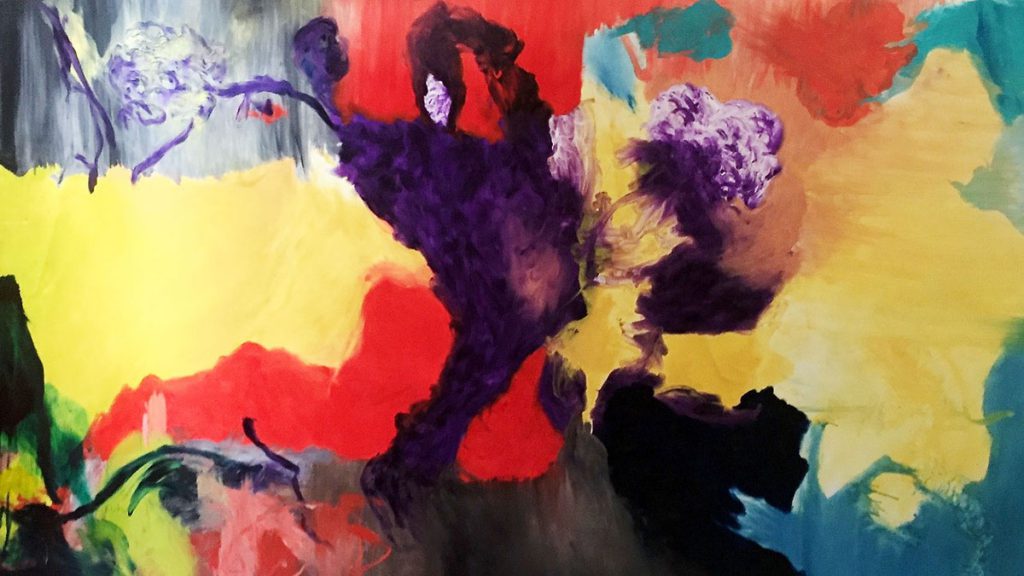
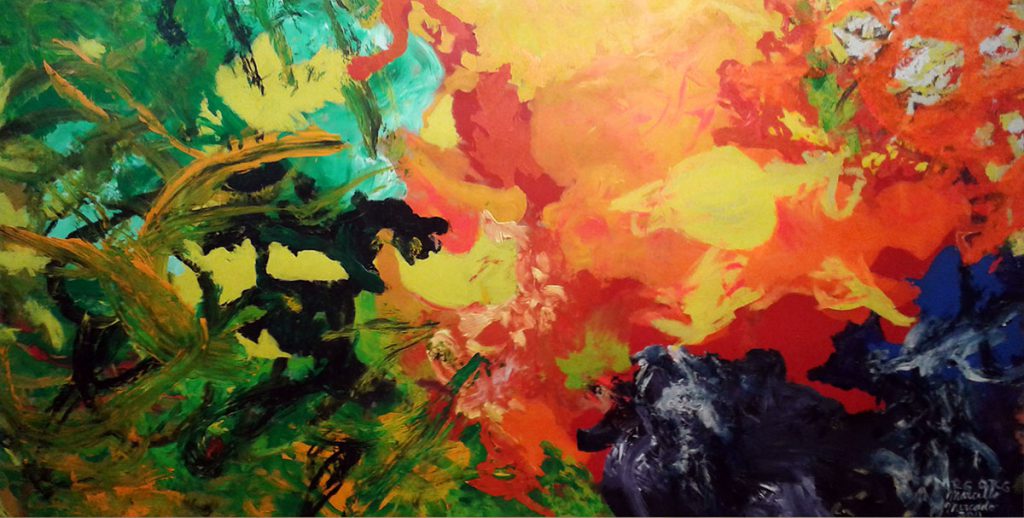
    His paintings and drawings are deeply informed by his broader engagement with new media and conceptual art. Despite his experimental use of technology in other aspects of his practice, his work on canvas and paper maintains a tactile immediacy, emphasizing the raw power of color, texture, and gestural mark-making. Mercado’s ability to navigate between disciplines allows his paintings and drawings to exist both as autonomous artworks and as part of a larger conceptual dialogue about perception, transformation, and the fusion of human and machine-driven aesthetics.

    Mercado’s large-format drawings emerge from a collaboration between himself and small robots that create fine layers, linear figures, and kinetic, electrified registers, which he then redraws and accentuates in a figurative manner. His work exemplifies a commitment to experimentation and demonstrates how the exploration of new media can expand our understanding of technology, culture, and art.

    Over the years, Mercado has received numerous awards and fellowships, including grants from the Antorchas Foundation, the John D. and Catherine T. MacArthur Foundation, the Rockefeller Foundation, and the Lampadia Foundation. His dedication to innovation has also led to research residencies at the Edith-Russ-Haus for Media Art in Germany and the University of Applied Arts in Vienna.

    With an ever-evolving practice that bridges tradition and experimentation, Marcello Mercado continues to push the boundaries of contemporary painting and drawing, offering a vision in which the artist’s hand and the logic of systems coexist in a dynamic and ever-shifting dialogue.


    Biography extended version (+)

    Filmography (+)

    Lebenslauf (German) (+)

    Biografía en español (+)


    DRAWINGS +


    PAINTINGS +


    AI FILM +


    AI PHOTOGRAPHY  +


    PHOTOGRAPHY 2 +


    PHOTOGRAPHY 3 +


    INSTALLATIONS


    VIDEOART +


    PERFORMANCES +


    PUBLICATIONS


    Marcello Mercado, Object, wood, sawdust, straw and nails, 2022


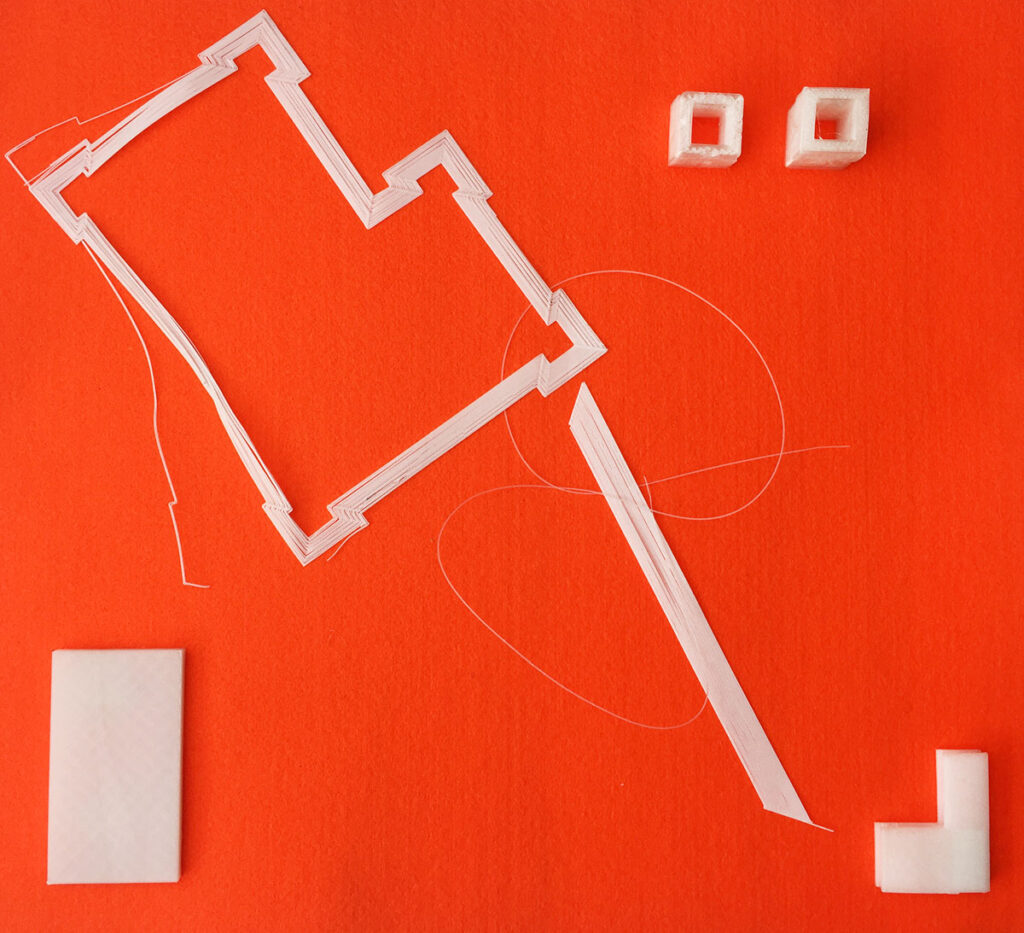
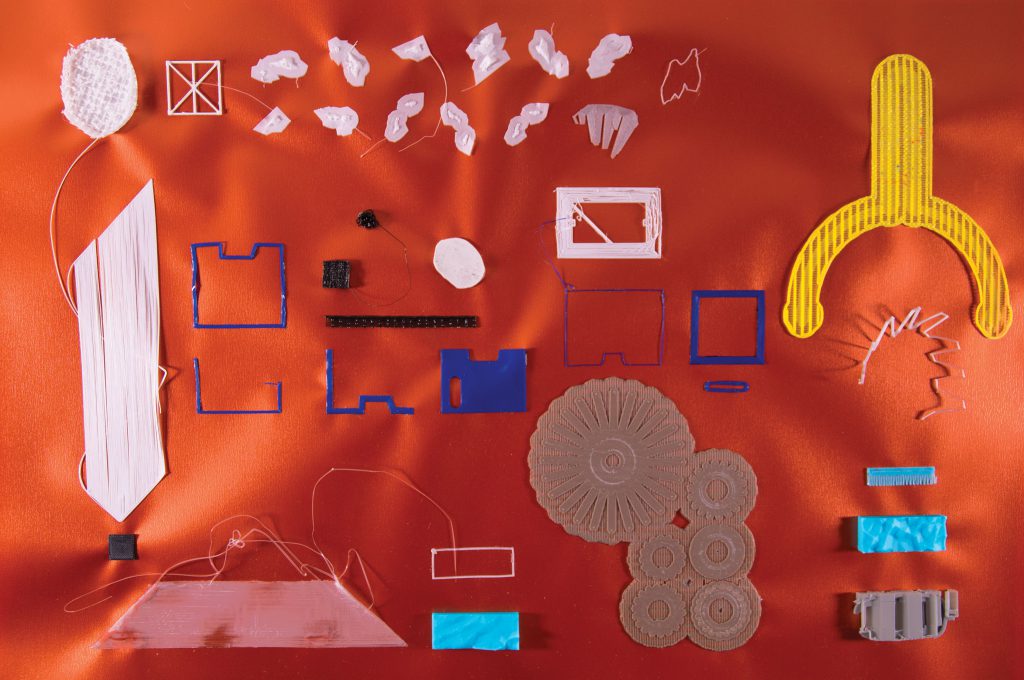
    Marcello Mercado,NN, collage, 3D printed objects on fabric, tryptich, 2016


    Marcello Mercado, Van Gogh´s Variations, dried sunflowers wrapped in rope and tubes with sunflower DNA on copper box, 2014


    Marcello Mercado, The next and the stranger, 2022


    Marcello Mercado, The next and the stranger, 2022


    Marcello Mercado, Curves, compost, forecasts and enclosure, metal and wood, 40cm x 60cm, 2020


    Marcello Mercado, My social day, radio device, DNA, wood, styrofoam, silicone,  30cm x 80cm, 2008


    Marcello Mercado, Capital, radio device, DNA,  silicone,  30cm x 50cm, 2005


    Marcello Mercado, The next and the stranger, 2022


    Marcello Mercado

    XIP

    Artist´s book

    2003, re-edited 2007


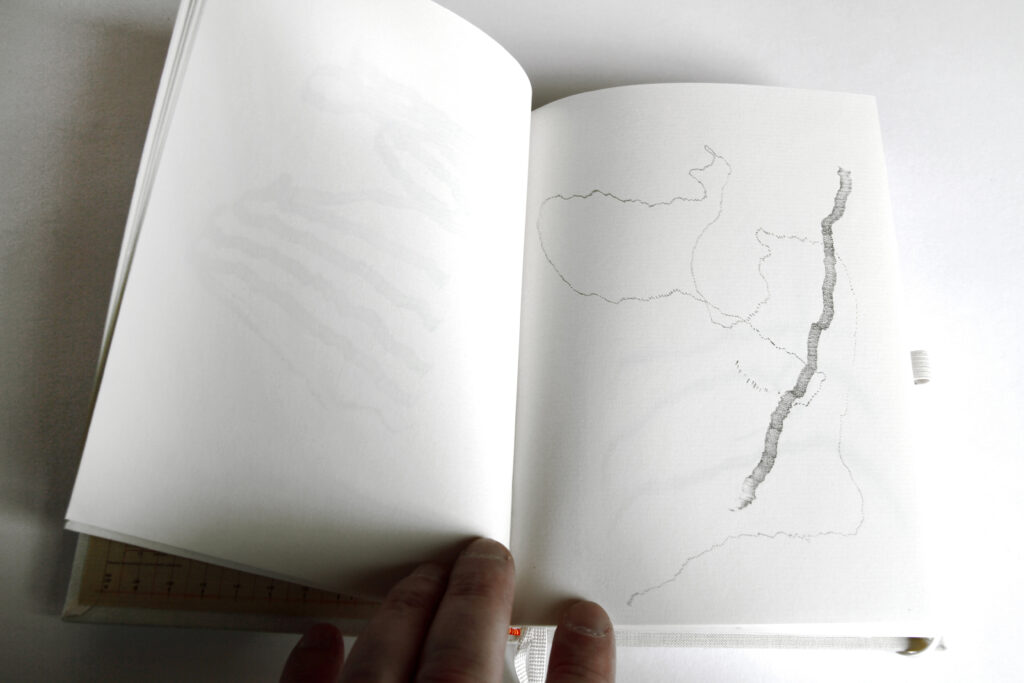
    Marcello Mercado, Metakartierung, pencil on paper, Artist´s Book, 2012


    Marcello Mercado, Van Gogh´s Variations, 7-channel video installation, 2014


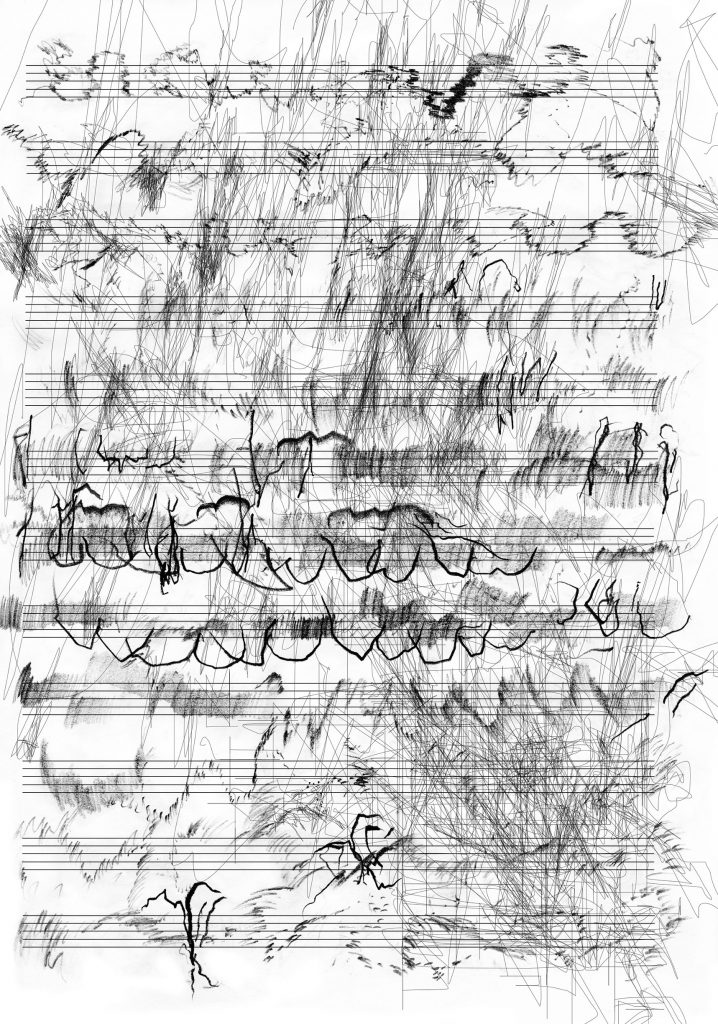
    Marcello Mercado, Van Gogh´s Variations, Compositions for motors and robots, notations, 2014 (+)

    Marcello Mercado, Van Gogh´s Variations, Seven Sunflowers deleted, 2014 (+)


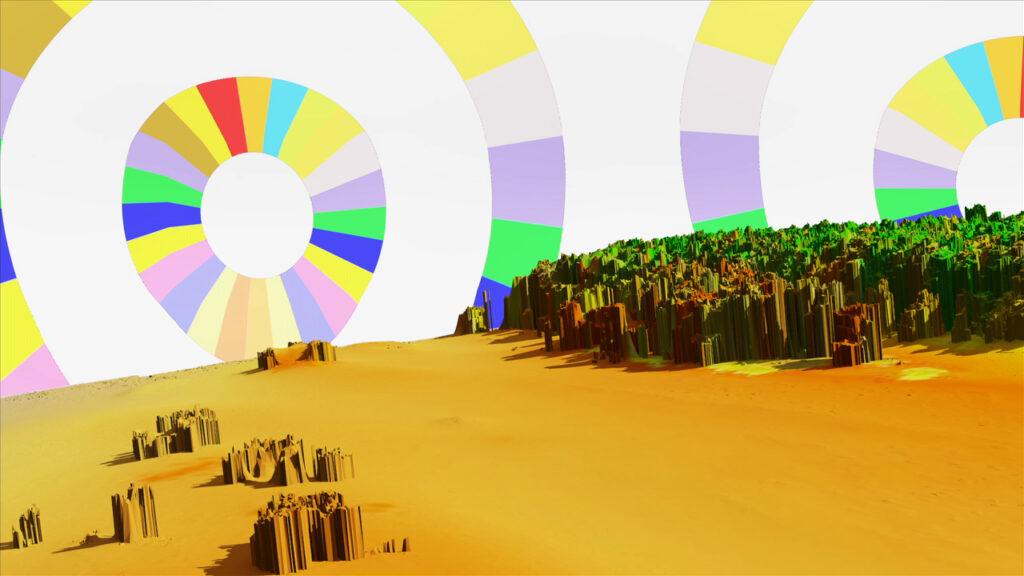
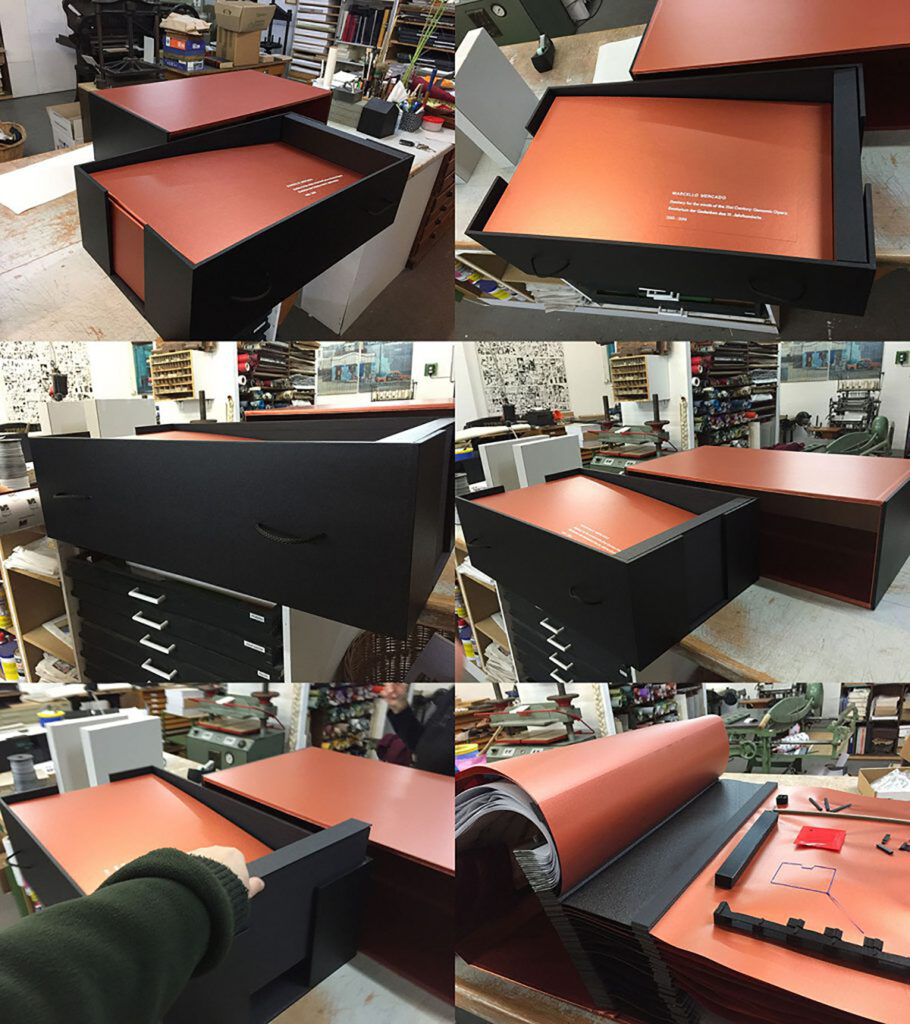
    Marcello Mercado, Bestiary for the minds of the 21st Century: Genomic Opera, 2-channel video installation,  artist’s book, public audio interaction,sound installation, Angewandte Innovation Laboratory, Vienna, Austria, 2016


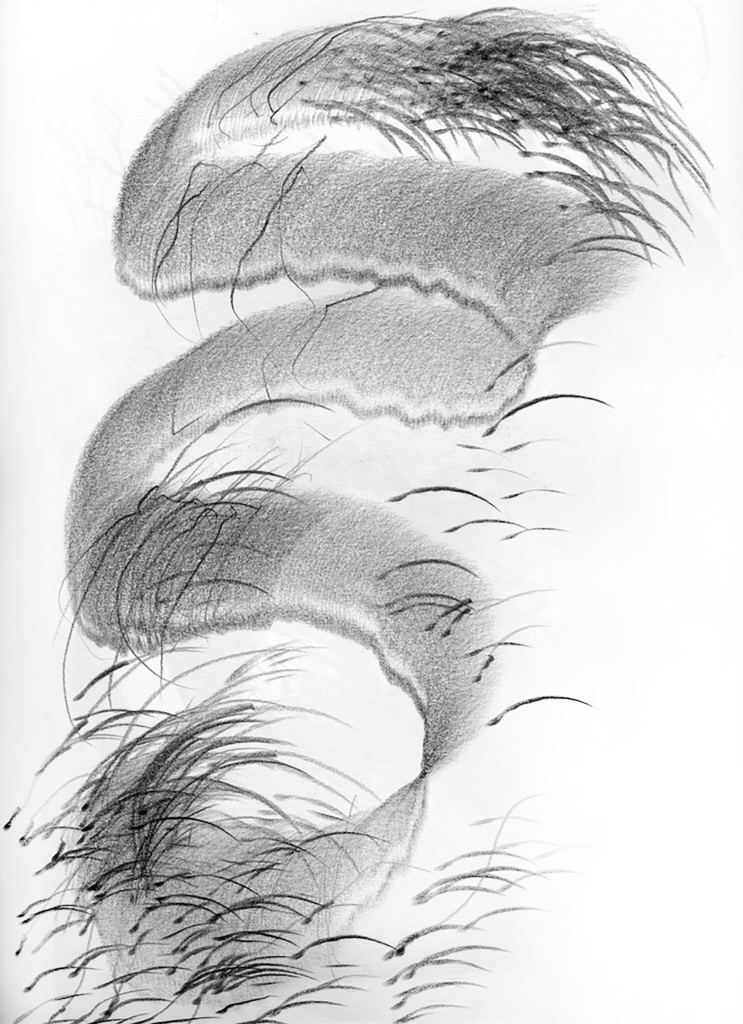
    Marcello Mercado, pencil on paper, drawing, 2008


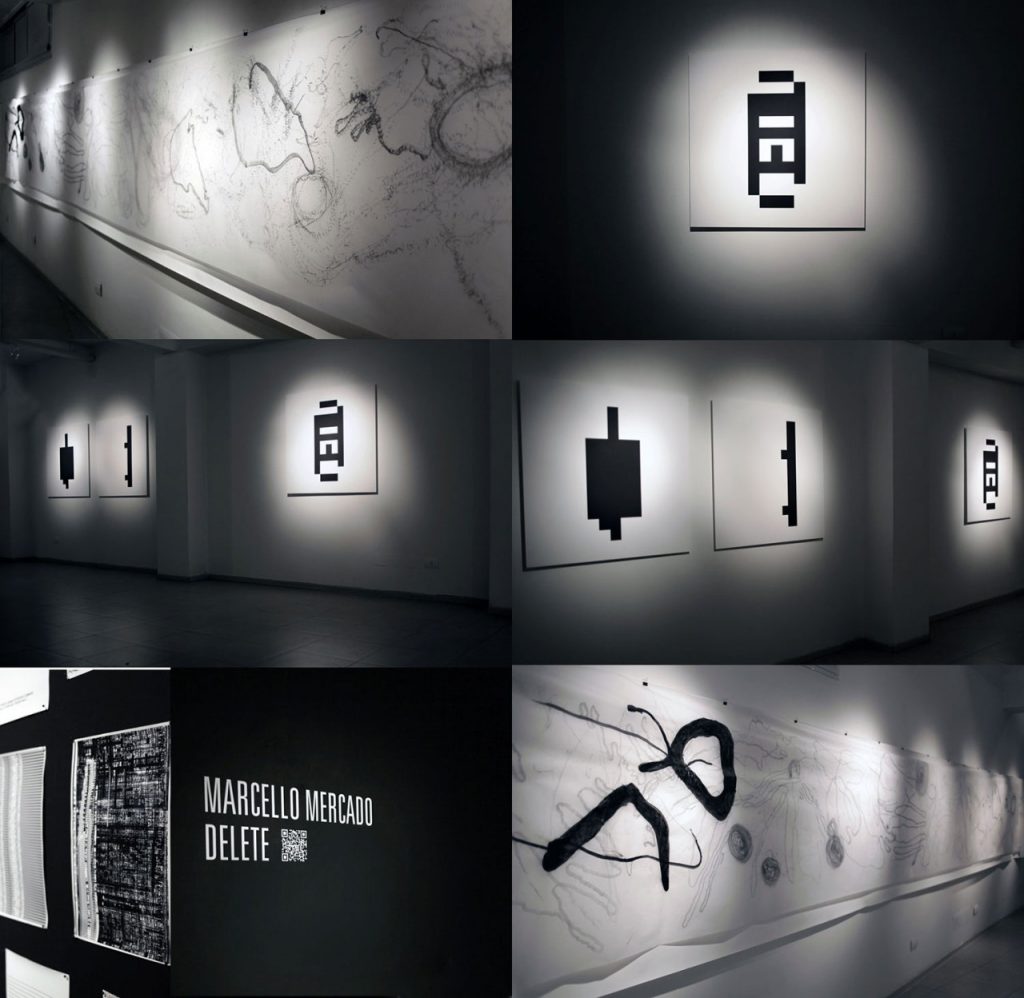
    Löschen/ DELETE, Borrar, 2012 HD 1-channel videoinstallation, 10min 05sec stereo 16: 9 black / white, Special mention, Interactive art category, Ars electronica, Linz, 2012


    Marcello Mercado, Untitled Field, oil on canvas, 283 cm x 162 cm, 111.4 in x 63.7 in, 2016


    Marcello Mercado, Homeland light, oil, acrylic and pigment on canvas, 201 cm x 388 cm, 79.1 in x 152.7 in, 2011


    Marcello Mercado, transferring, storing, sharing and hybriding: The perfect humus, Hybrid-DNA-Performance-Bio-installation, 16’23, 2010


    Marcello Mercado

    Temporary Memorial 3D-Printed on the Site of the Napalpí Massacre of the Qom Indigenous People, Chaco, Argentina

    20cm x 15cm

    2020


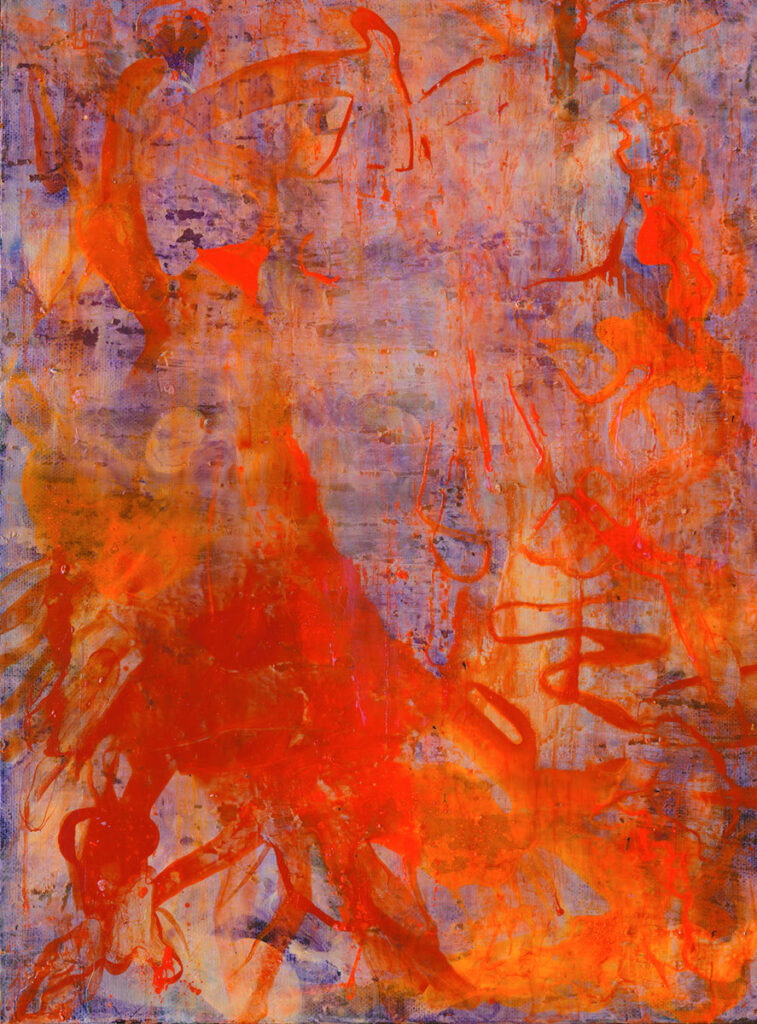
    Marcello Mercado, mixed media on canvas, 2014


    Marcello Mercado

    The journey with the Beagle

    watercolor on paper

    Artist´s Book, 24 pages

    2010


    Marcello Mercado, ink on paper, silicone with DNA and copper with coconut, drawing, 2006


    Marcello Mercado, DELETE, installation, 2012


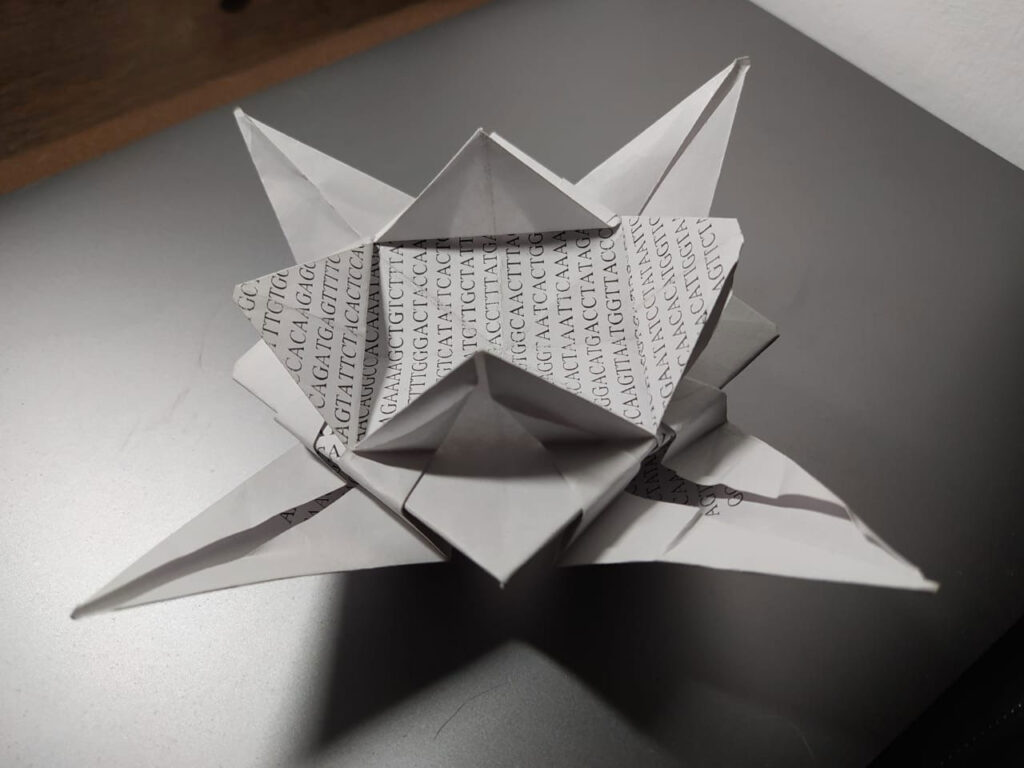
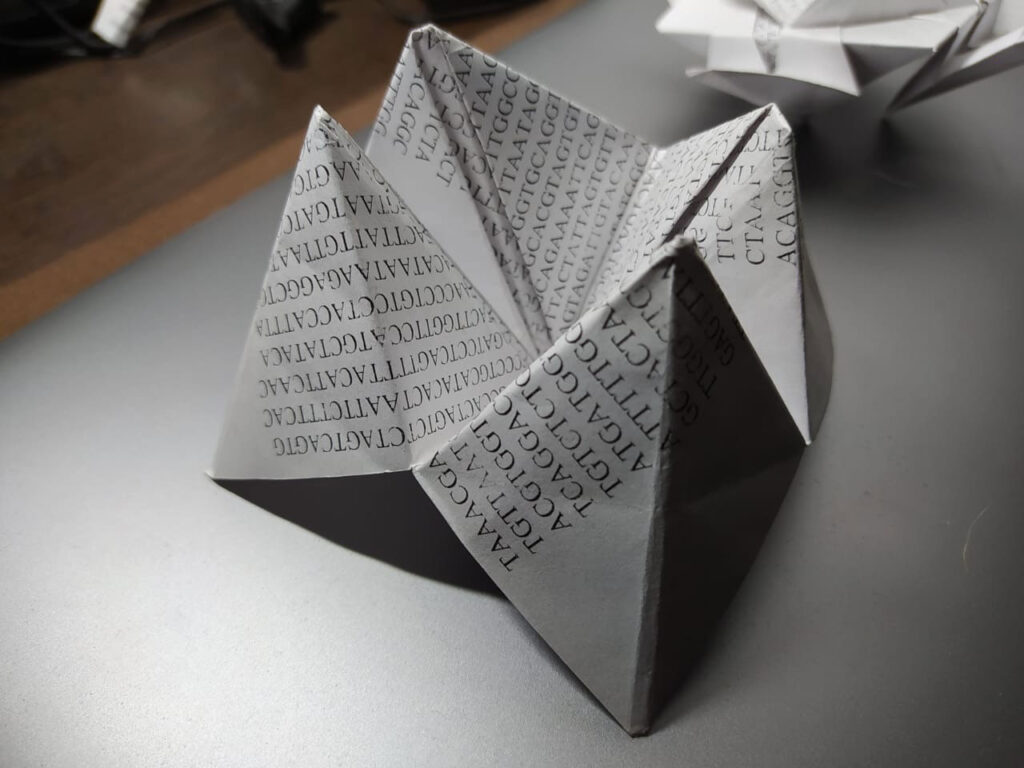
    Marcello Mercado, Days of pandemic, origami made with paper printed with the genome of the corona virus, 2020


    Marcello Mercado,Vilém Flusser und Marshall McLuhan /Fliegeralphabet, 2010, Zentrum für Kunst und Medien Technologie (ZKM) Karlsruhe, Germany


    Marcello Mercado,3D printed plastic sculpture, 2014


    Marcello Mercado,pincel on paper, drawing, Artist´s book, 2016


    Marcello Mercado, Capital, 2- channel videoinstallation, 15min, stereo 16: 9 black / white and colour, 2015


    Marcello Mercado

    Doppelt (Double)

    Photo book, 30 pages

    2013


    The photographic book is a visual exploration of the image through two distinct techniques: The use of long shots with bulb and softart.


    Marcello Mercado, acrylic on canvas, 60cm x 80cm, 2022


    Marcello Mercado

    BRK 6s7gz sghxgcgcw ehwgd

    Artist´s book, 280 pages

    2012 – 2023


    Marcello Mercado

    Licht Pentimento

    Artist´s book, 98 pages

    2004


    Marcello Mercado

    FHLR

    42 pages, artist´s book

    2010


    Marcello Mercado, TOR, 3- channel videoinstallation, 8min, silent 16: 9 black / white, 2016