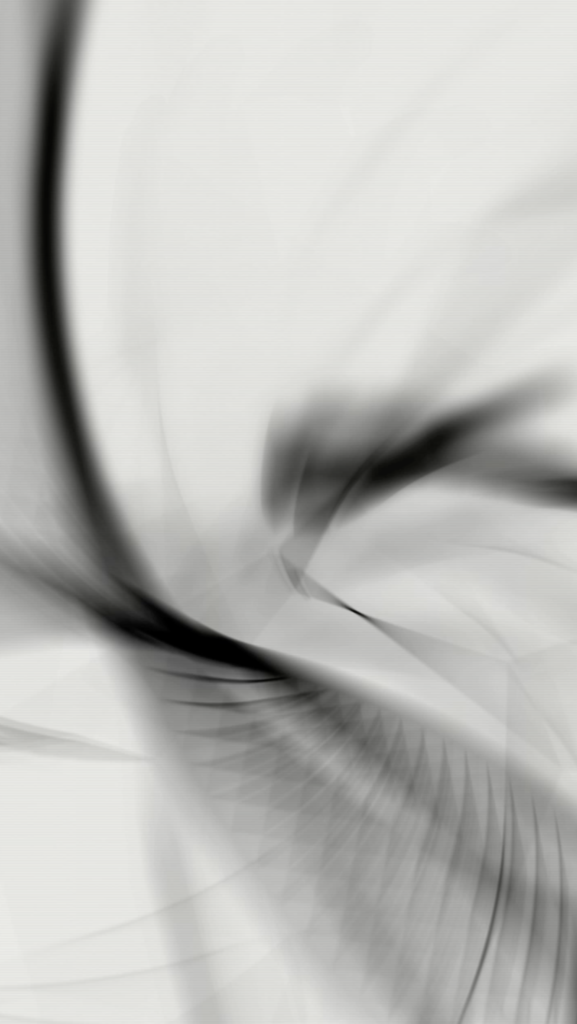
Single-channel video, 7m 43s, sound and animation by Marcello Mercado
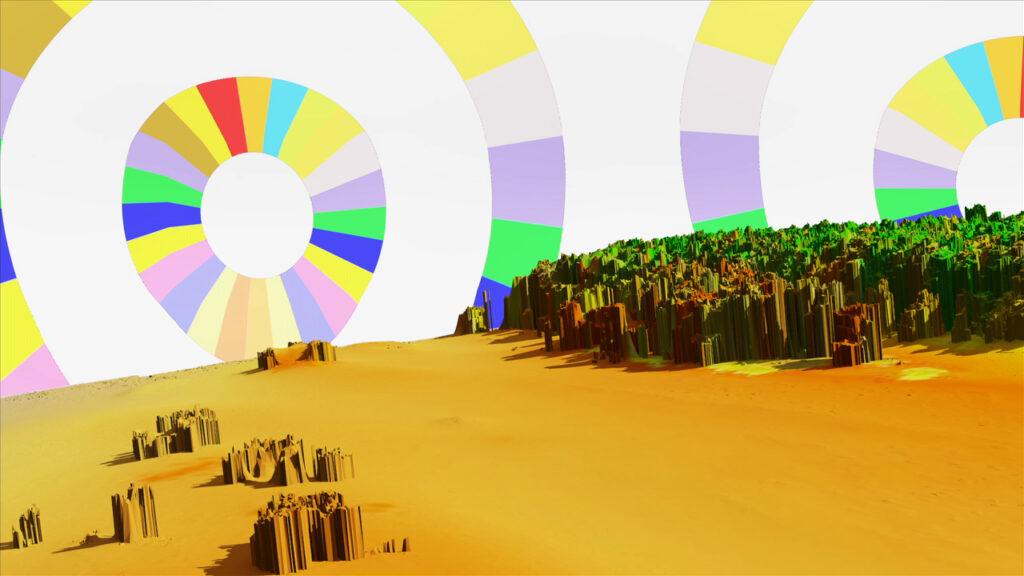
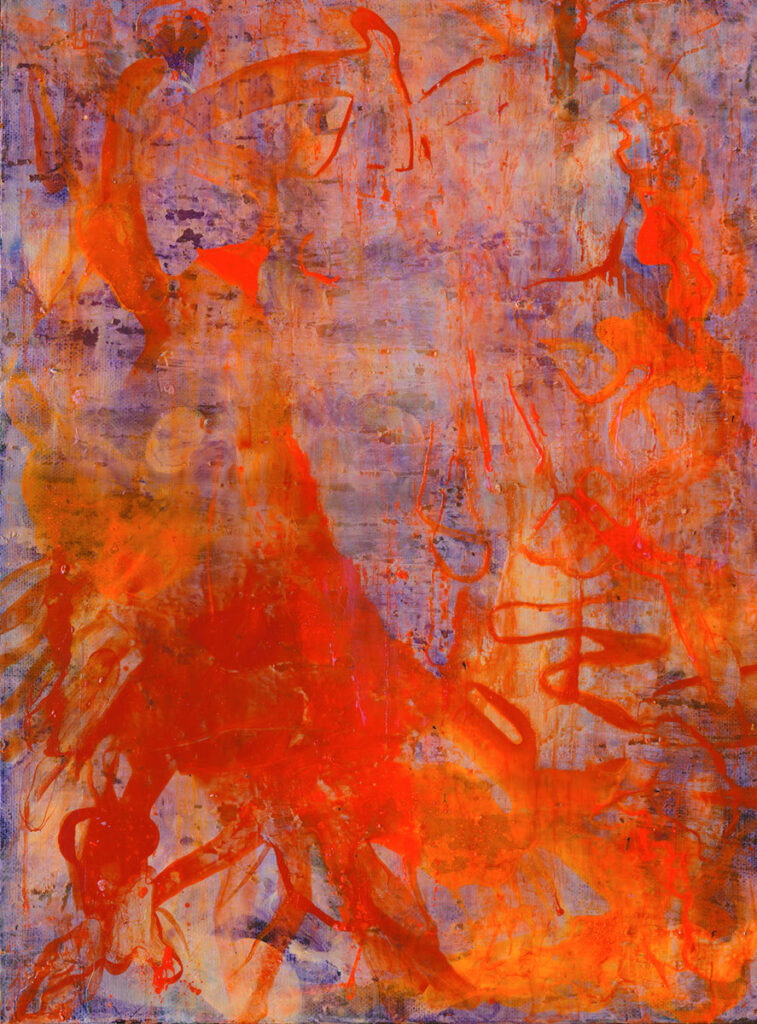
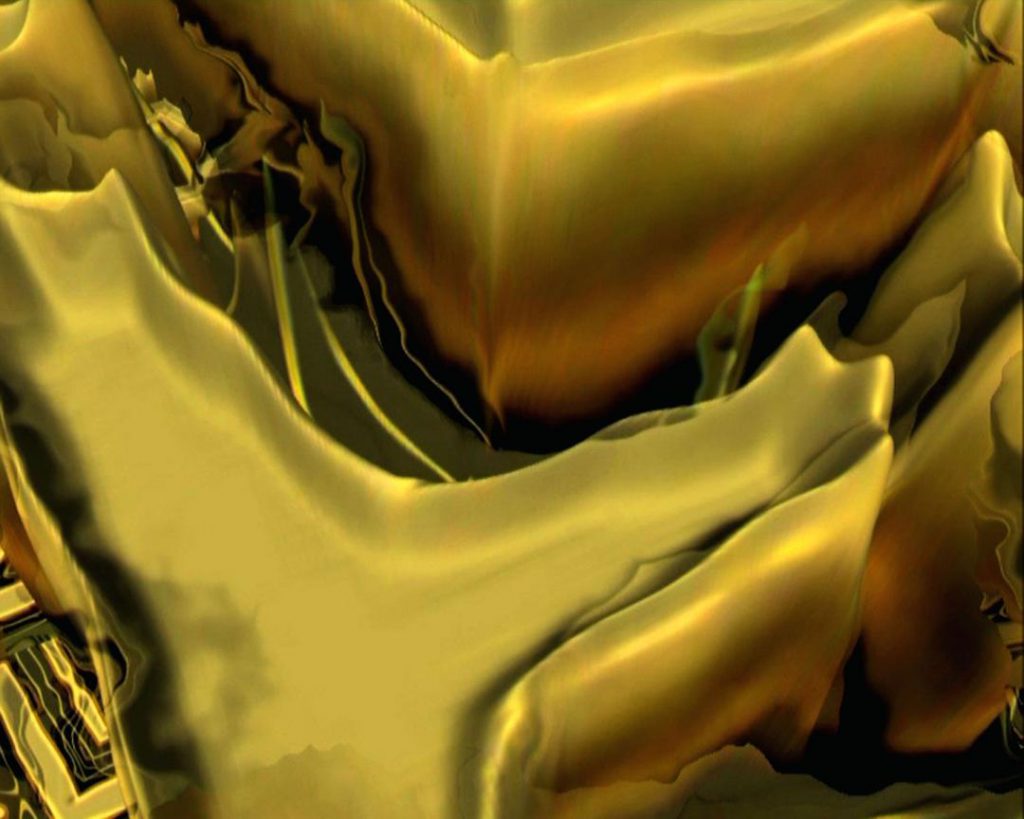
Burning Garden is an expanded animation work that reconfigures the touchscreen of an iPhone 12 into a generative surface for immersive image construction. Shot entirely with a smartphone equipped with a LiDAR sensor, the project explores the unstable boundary between tactile interaction, photogrammetric capture, and animated composition.
Fragments of a garden, a dog, and the artist himself—scanned through applications such as Scaniverse and EM3D—become volatile 3D models, activated through the simple gesture of a finger sliding across the screen. Post-scanning, these volumetric captures were chaotically rotated and recorded in dynamic, 360-degree sequences, assembling a layered and fluctuating visual field composed of 14 overlapping videos.
In Burning Garden, the smartphone screen ceases to function merely as an interface and instead becomes an extension of the body’s perceptual agency, aligning with the expanded definitions of animation and embodiment proposed by theorists such as Amelia Jones and Jens Hauser. Here, animation is no longer a linear process but a live, procedural event, woven from gestures, screen captures, and algorithmic artifacts.
In dialogue with Nicolas Bourriaud’s ideas of postproduction and relational aesthetics, Burning Garden positions the artist’s tactile interventions as acts of real-time editing and spatial re-assemblage, generating a fluctuating, unstable environment where the act of animation is inseparable from the conditions of its technological mediation.
Projected at a large scale, the work intensifies its immersive character, situating viewers within a vibratory field of fragmentary color and movement. The installation format recalls Okwui Enwezor’s and Anselm Franke’s articulations of the artwork as a space of critical re-inscription, where the collapse of narrative coherence opens a field for alternative sensory and cognitive engagements.
Rather than constructing a cohesive visual world, Burning Garden embraces disjunction, instability, and the entanglement of human and machinic agencies, echoing Bruno Latour’s conception of distributed actants within hybrid networks. The garden burns not through literal combustion, but through processes of continuous fragmentation, compression, and perceptual overload.
Attheturnofthemillennium, photographyunderwentaprofoundontologicaltransformation.Amidst the remnants of analog processes and the accelerating digitization of images, artists found themselves navigating novel regimes of vision, materiality, and mediation.
Marcello Mercado’s The First Fifteen:2000s in Photographs, is a unique body of work created precisely within this realm of negotiation.The collection showcases fifteen yearsof meticulous yet exploratory documentary, conceptual, and deeply personal practice.Created by an immigrant in Germany, the photographs capture an extended engagement with objects, surfaces, textures, and systems belonging to a new geography and culture that are simultaneously familiar and foreign.
Mercado’s approach is simultaneously archival and experimental.Using flatbed scanners to animateobjects during the scanning process yields a visual language that blends forensic accuracy with distortive temporalities.Coins, roots, plastic packaging, stamps, and remnants of daily life and bureaucratic residue are transformed into unstable images, blurred by movement yet charged with presence.Otherimagescapturedomesticspaces, transitionallandscapes, obsoletetechnologicalequipment, andeverydaytablescapes—fragmentsoflifemarkedbyculturaldifferences, curiosity, andthefrictionofadaptation.
Thesearenotsimplyrecordsofthingsbutalsorecordsoftheactofobservinganddocumentingwhileinastateofdislocation.The scanner’s mechanical eye traces every wrinkle and defect, translating the material world into luminous grids, glitches, and disjointed surfaces.Mercado uses the scanner as a witness to materiality and as a metaphor for the technological shifts that defined the early 2000s—a period when the photographic image itself became unstable and increasinglyentangled with digital processes.
Yet, aquietintimacypermeatesthisarchive: socks, akitchentable, abathroom, andworkdesksclutteredwithagingmachinesandcablesbearingsignsofuseandobsolescence.Rather than evokingnostalgia, the imagery occupies what contemporary curatorial discourse has described as the post-documentary condition: images that resist the distinction between documentation and construction, evidence and aesthetics.
Mercado’s photographs map the archaeology of daily life and technology during this transitional epoch when identity, labor, memory, and material culture interlace subtly and oftenfragilely.
The First Fifteen does not offer a linear narrative in its entirety, but rather a layered inventory—a partial and fractured anatomy of the objects, routines, and tools that shaped a life lived between countries, media, and epochs.The work implicitly acknowledges that these «first fifteen years« were not only the opening chapter of a century but also the threshold of a profound recalibration of how we image, record, and experience the world itself.
(Spanish)
Marcello Mercado
Los primeros quince: la década del 2000 en fotografías
Fotografías
1998
Al inicio del nuevo milenio, la fotografía entró en una fase de profunda transformación ontológica.En un contexto marcado por los residuos de los procesos analógicos y la aceleración de la digitalización de la imagen, los artistas se vieron obligados a negociar nuevos regímenes de visión, materialidad y mediación.
The First Fifteen: 2000s in Photographs, de Marcello Mercado, es una obra singular forjada precisamente en este espacio de negociación.La colección reúne quince años de práctica meticulosa y exploratoria, a la vez documental, conceptual e íntima.Creada por un inmigrante en Alemania, esta obra registra un encuentro sostenido con objetos, superficies, texturas y sistemas propios de una nueva geografía y cultura, al mismo tiempo familiares y extraños.
El enfoque de Mercado es archivístico y experimental a la vez.Su uso del escáner plano, mediante el cual anima los objetos durante la digitalización, da lugar a un lenguaje visual que combina precisión forense con temporalidades distorsivas.Monedas, raíces, embalajes de plástico, sellos, residuos de la vida diaria y trazos burocráticos se transforman en imágenes inestables, desdibujadas por el movimiento, pero cargadas de presencia.Otrasfotografíasmuestranespaciosdomésticos, paisajesentransición, dispositivostecnológicosobsoletosyescenascotidianas: fragmentosdeunavidamarcadaporladiferenciacultural, lacuriosidadylafriccióndelaadaptación.
Estasimágenesnosonsimplesregistrosdecosas, sinodelactodemiraryregistrardesdeunestadodedesplazamiento.El ojo mecánico del escáner traza cada pliegue y defecto, traduciendo el mundo material en rejillas luminosas, errores y superficies fragmentadas.Mercado utiliza el escáner comotestimonio de la materialidad y como metáfora de los cambios tecnológicos que definieron los primeros años del 2000, un período en el que la propia imagen fotográfica se volvió inestable e indeterminada, y cada vez más entrelazada con procesos digitales.
Sin embargo, a lo largo de este archivo seaprecia una intimidad silenciosa: calcetines, una mesa de cocina, un baño, escritorios de trabajo repletos de máquinas envejecidas y cables, texturizados por las huellas del uso y la obsolescencia.La obra elude la nostalgia y se inscribe en lo que el discurso curatorial contemporáneo ha denominadola condición posdocumental: imágenes que resisten la distinción entre documento y construcción, entre evidencia y estética.
Las fotografías de Mercado configuran una arqueología de la vida cotidianay la tecnología en una época de transición, en la que la identidad, el trabajo, la memoria y la cultura material se entrelazan de manera sutil y, a menudo, frágil.
En conjunto, The First Fifteen no ofrece una narrativa lineal, sino un inventario estratificado: una anatomía parcial y fragmentaria de objetos, rutinas y herramientas que dieron forma a una vida vivida entre países, medios y épocas.La obra reconoce implícitamente que esos «primeros quince años» no solo marcaron la apertura de un siglo, sino también el umbral de una profunda recalibración de cómo imaginamos, registramos y experimentamos el mundo.
(German)
Marcello Mercado
DieerstenFünfzehn: Die2000erinFotografien
Fotografie
1998
Zu Beginn des neuen Jahrtausends trat die Fotografie in eine Phase tiefgreifender ontologischer Transformation ein.Zwischen den Überresten analoger Verfahren und der beschleunigten Digitalisierung des Bildes mussten Künstler neue Regime des Sehens, der Materialität und der Medialität aushandeln.
Marcello Mercados „The First Fifteen: 2000s in Photographs” ist ein einzigartiger Werkkomplex, der genau in diesem Verhandlungsraum entstanden ist.Die Sammlung umfasst fünfzehn Jahre akribischer und zugleich explorativer Praxis – dokumentarisch, konzeptuell und zutiefst intim.Als Migrant in Deutschland entstanden,dokumentiert diese Arbeit eine anhaltende Auseinandersetzung mit Objekten, Oberflächen, Texturen und Systemen einer neuen Geografie und Kultur, die zugleich vertraut und fremd sind.
Mercados Ansatz ist gleichermaßen archivarisch und experimentell.Durch den Einsatz eines Flachbettscanners, bei demdie Objekte während des Scanvorgangs bewegt werden, schafft er eine Bildsprache, die forensische Präzision mit verzerrten Temporalitäten verbindet.Münzen, Wurzeln, Plastiktüten, Stempel, Überreste des Alltags und bürokratische Spuren verwandeln sich in instabile Bilder, die von Bewegungsunschärfe geprägt sind und dennoch voller Präsenz sind.AndereFotografienzeigenhäuslicheRäume, Übergangslandschaften, veraltetetechnischeGeräteundalltäglicheSzenen – FragmenteeinesLebens, dasvonkulturellerDifferenz, NeugierunddemWiderstandgegenAnpassunggeprägtist.
DieseBildersindnichtnurDokumentationenvonDingen, sondernauchAufzeichnungendesSehensundRegistrierensauseinemZustanddesFremdseinsheraus.Das mechanische Auge des Scanners erfasst jede Falte und jedes Detail und übersetzt die materielle Welt in leuchtende Raster, Störungen und fragmentierte Oberflächen.Mercado setzt den Scanner sowohl als Zeugen der Materialität als auch als Metapher für die technologischen Umbrüche ein, die die frühen 2000er-Jahre prägten – eine Zeit, in derdas fotografische Bild selbst instabil, unbestimmt und zunehmend mit digitalen Prozessen verflochtenwar.
Doch durch dieses Archiv zieht sich eine stille Intimität: Socken, ein Küchentisch, ein Badezimmer, Arbeitsplätze voller gealterter Geräte und Kabel, durchzogen von Spuren des Gebrauchs und der Obsoleszenz.Mercados Werk verweigert sich der Nostalgie und bewegt sich in jenem Raum, den die zeitgenössische kuratorische Debatte als postdokumentarische Bedingung beschreibt.Es sind Bilder, diesich einer Auflösung zwischen Dokument und Konstruktion, zwischen Evidenz und Ästhetik entziehen.
Mercados Fotografien kartieren eine Archäologie des Alltags und der Technologie in einer Übergangszeit, in der Identität, Arbeit, Erinnerung und materielle Kultur auf subtile und oft fragile Weise miteinander verflochten sind.
In ihrer Gesamtheit bietet „The First Fifteen” keine lineare Erzählung, sondern ein vielschichtiges Inventar – eine partielle und fragmentierte Anatomie von Objekten, Routinen und Werkzeugen, die ein Leben zwischen Ländern, Medien und Epochen formten.Die Arbeit erkennt implizit an, dass diese „ersten fünfzehn Jahre” nicht nur der Auftakt eines neuen Jahrhunderts waren, sondern auch die Schwelle zu einer fundamentalen Neubewertung dessen, wie wir die Welt selbst abbilden, registrieren und erfahren.
Variations Van Gogh
Installation
7-channel video installation, drawings, books, photography,sound sculpture, DNA – objects
6 m x 2,50 m 236.2 in x 98.4 in
2012 – 2015 Kunsthalle Osnabrück
Grant for Media Art 2013 of the Foundation of Lower Saxony at the Edith-Russ-Haus for Media Art, Oldenburg, Germany
ARCHIVE – INSTALLATION
Variations Van Gogh (2014) is a project that unfolds across objects, books, and a seven-channel video and sound installation, presented on seven LCD flat panels mounted on shelves. Alternatively, the work may be projected asynchronously onto seven walls in a dark, carpeted room, running continuously in an eight-minute loop, accompanied by amplified stereo sound.
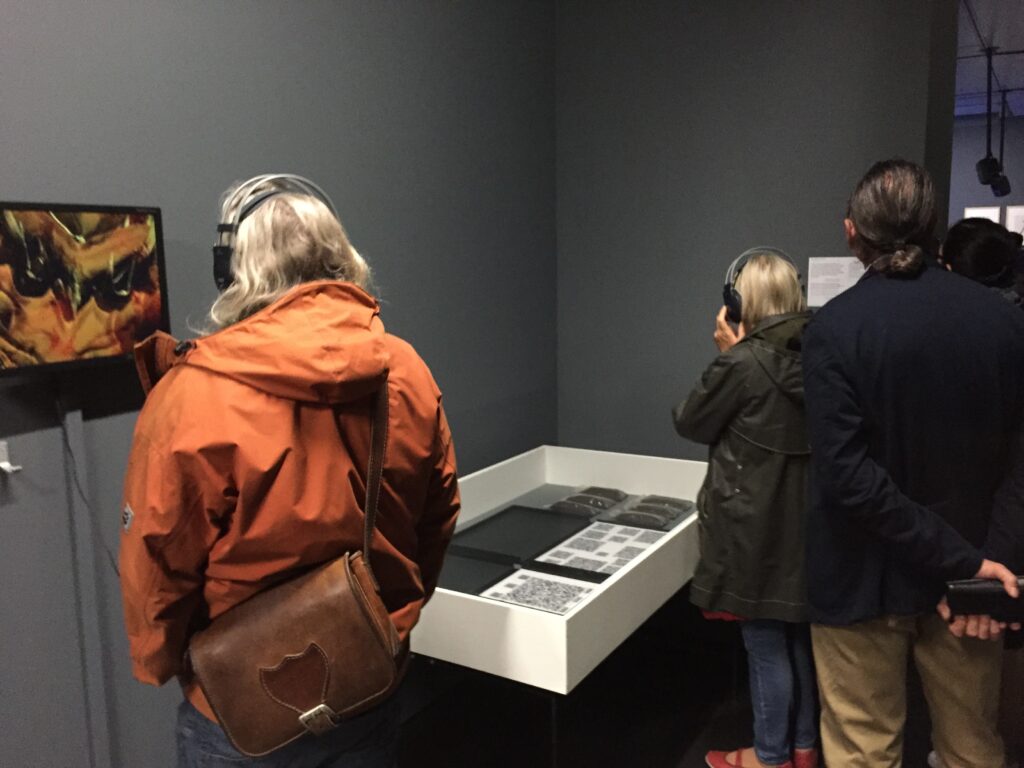
Kunsthalle Osnabrück 2015
PERFORMANCE
A. Concept
This project engages critically with the material and symbolic transduction of archival practices in contemporary media art. It draws upon Vilém Flusser’s reflection comparing the «mass» to a giant worm: information passes through its body, consumed and expelled, recycled endlessly without memory or recognition—a cycle of ingestion and excretion of undigested matter. Through this allegory, Variations Van Gogh proposes a medial-organic circulation of visual, chromatic, and genetic data, where residues and nutrients become interchangeable within the techno-organic archive.
Keywords: Database, transduction, transformation, media enzyme, digital-organic, organic-digital, image as enzyme, recontextualization, invention, performance, human-human interaction, human-machine interaction, exploration, monitoring, projection, sound, acoustics, data processing, media preservation.
B. General description
Variations Van Gogh investigates speculative strategies for archiving and preserving Vincent van Gogh’s seven sunflower paintings. Rather than pursuing documentary fidelity or museographic reproduction, the work activates a multiplicity of experimental technologies:
Data gathering with drones,
Topological mapping and orthophotography,
DNA extraction and DNA-based performance,
Google Earth as performative interface,
Code language as plastic writing,
Three-dimensional sound environments,
3D printing as sculptural gesture,
Robot-generated musical notations on staff paper.
C. Archival variation: Hexadecimal Compost
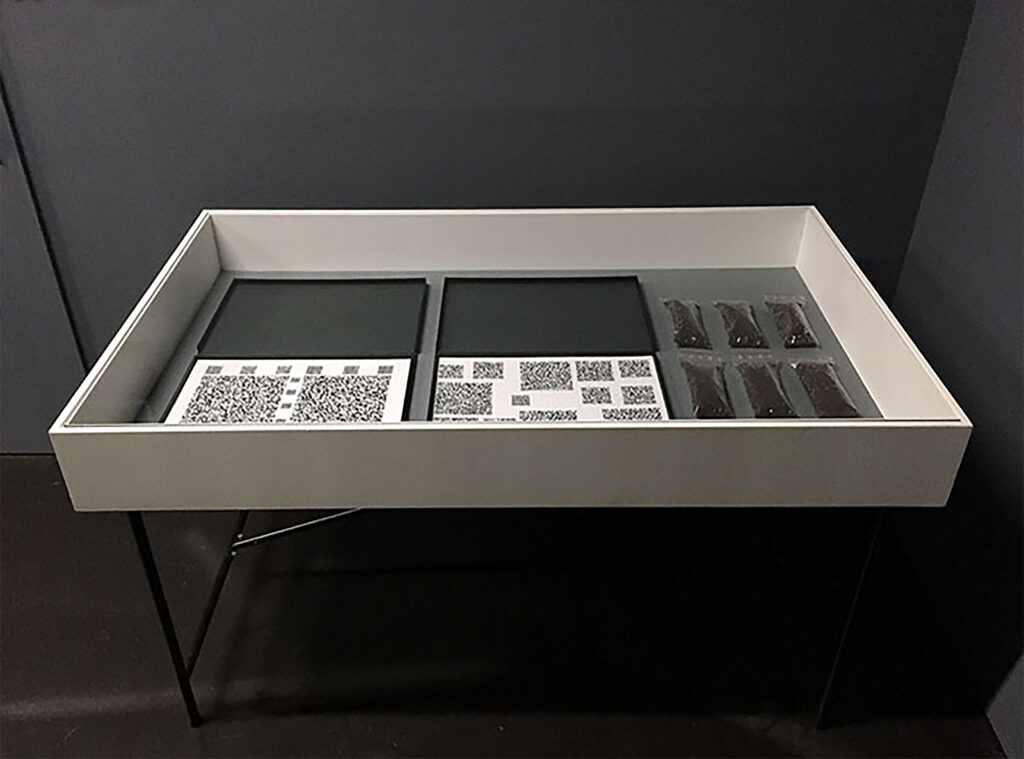
In one of the project’s most emblematic iterations, Mercado digitally extracts all yellow tones from Van Gogh’s sunflower paintings using Photoshop’s color picker tool, encoding these as hexadecimal (RGB) values. Approximately 280 shades of yellow are printed on paper, shredded, and composted with Californian red worms. The resulting humus becomes the soil substrate for planting new sunflower seeds, closing a transductive and symbiotic cycle: color as data, data as residue, residue as fertile ground for germination.
D. Installation scheme
The spatial configuration privileges asynchronicity and fragmentation. The seven out-of-sync screens or projections establish a dispersed architecture that emphasizes the discontinuous nature of the archive. Amplified stereo sound accompanies this perceptual drift, creating an immersive atmosphere in which painterly, organic, and digital resonances converge.
1. Description
In Variations Van Gogh, all yellow tonalities present in Van Gogh’s sunflower paintings are meticulously extracted using the digital pipette tool in Photoshop, each chromatic instance transcribed as hexadecimal RGB values—a translation of pigment into data. Approximately 280 distinct yellows, emblematic of Van Gogh’s iconic palette, are then printed on paper, fragmented through shredding, and subjected to a composting process mediated by Californian red worms.
This humus, a residue both organic and informational, becomes the substrate for planting new sunflower seeds, closing a speculative circuit in which color becomes data, data becomes material, and material returns to life.
By transducing pigment into code, code into waste, and waste into biological potential, this work interrogates archival logic, proposing a media-ecological metabolism where the history of painting is not simply preserved but decomposed and generatively recirculated.
fig.01. Hexadecimal Compost: The Pipette, the Palette, and the Decomposition of Colour
fig.02. Hexadecimal codification of chromatic data (RGB values)
fig.03. The approximately 280 extracted yellow tones were materialized as printed swatches on paper, subsequently shredded and subjected to a composting process
mediated by worms.
fig.04. Hexadecimal compost
fig.05. Sunflower seeds, hexadecimal compost, and algorithmically reconstituted sunflowers
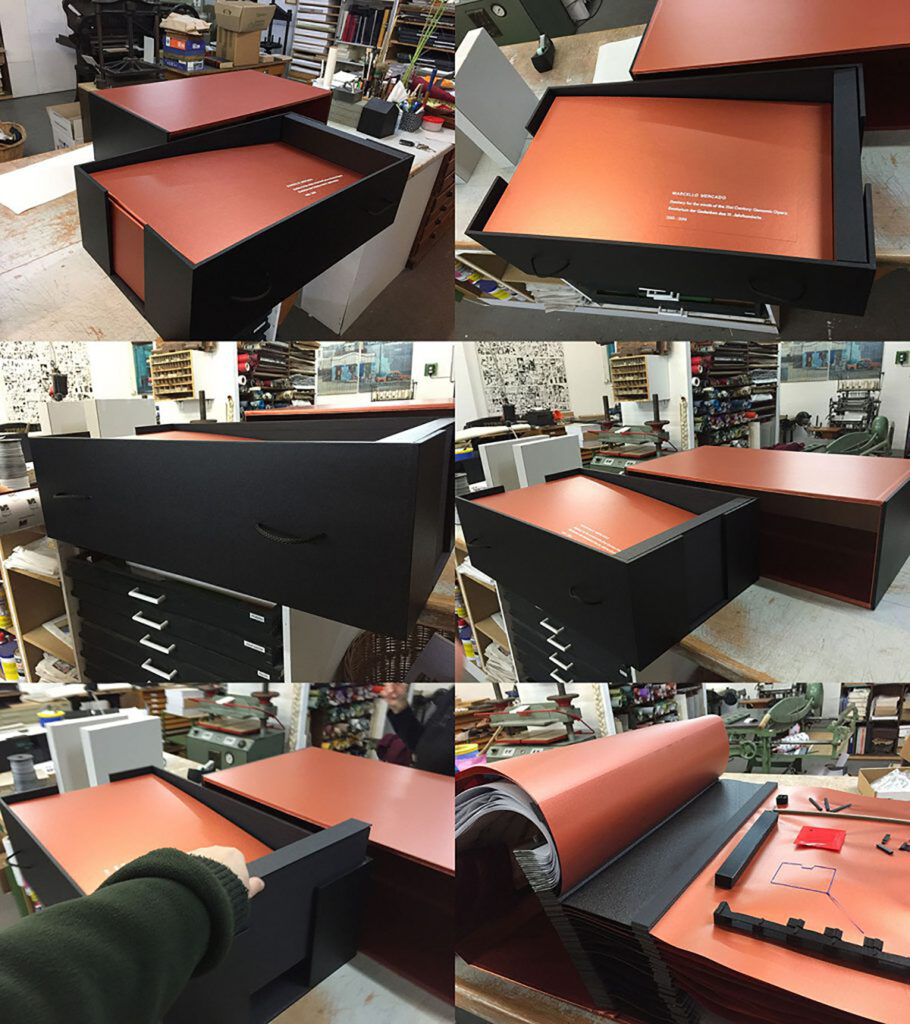
fig.06. Final installation: Object 1 — Copper box 01 containing DNA preserved in test tubes and enveloped sunflowers
fig.07. Final installation: Object 2 — Copper box 02 containing six packets of “Hexadecimal compost”
2. Archive Variation: Extraction of DNA (Deoxyribonucleic acid)
The DNA of the cultivated sunflowers was meticulously extracted through enzymatic protocols, each enzymatic sequence facilitating the dissolution of vegetal structures, allowing genetic material to be isolated and collected in test tubes—transforming the biological trace into an archival specimen at the intersection of organic life and media process.
fig.08. Extraction of sunflowers´DNA
3.
Archival Variation: Van Gogh Bio-curation (DNA Performance)
A clandestine performance—conceived as an interventionist curatorial gesture toward Van Gogh—was enacted during Documenta (13) in Kassel, 2012. In this action, DNA extracted from the Hexadecimal-reared sunflowers was discreetly dispersed across various surfaces, both inside and outside the Fridericianum Museum, inscribing a latent biological trace within the institutional and urban fabric.
Fig. 09. Biocuration: DNA Performance, Kassel, 2012 (Basement, first floor, second floor)
4.
Archival Variation: Satellite The seven sunflower images were algorithmically transcribed into textual data and transmitted via satellite into outer space.
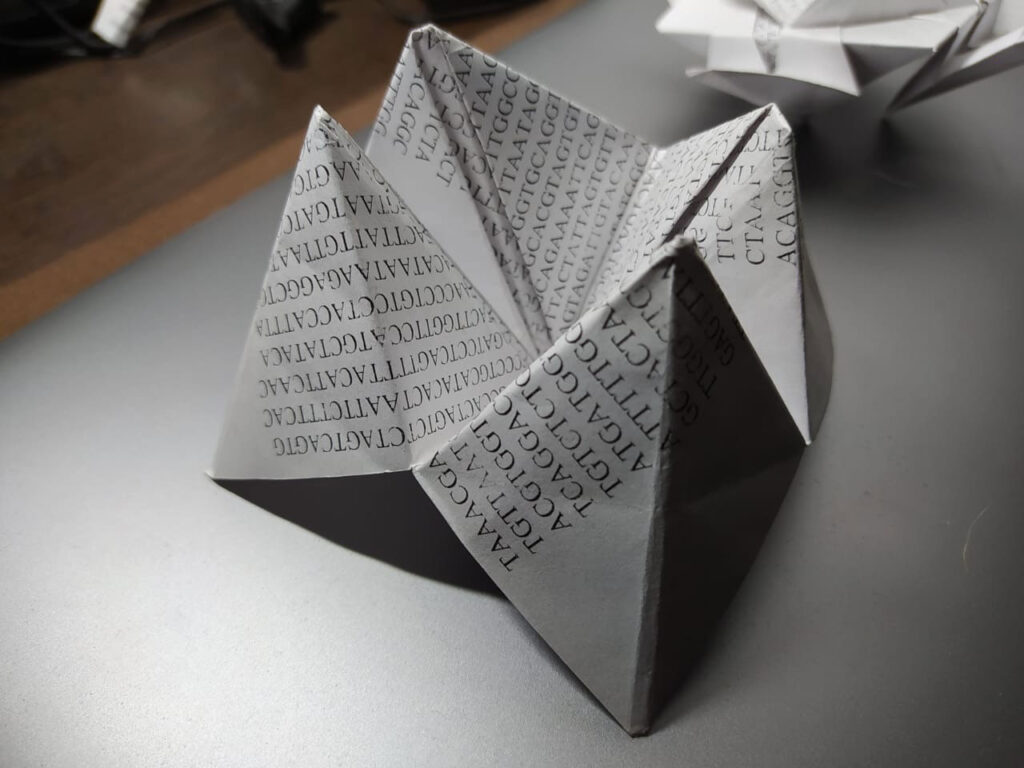
In this variation, the seven sunflower paintings were algorithmically transcribed into text and transmitted via satellite into outer space—a gesture that displaces Van Gogh’s iconic imagery from the pictorial to the orbital register, transforming archival preservation into a speculative cosmic transmission.
This act resonates with NASA’s OSIRIS-REx mission, a project that sent a robotic spacecraft to the asteroid Bennu. In March 2016, NASA and WIRED launched an open call titled #WeTheExplorers, inviting individuals worldwide to submit drawings, images, and videos to be included in a data archive aboard the spacecraft, to accompany its journey to Bennu and back—a gesture of planetary inscription and return.
Archive Variation: Satellite reinterprets this historical moment of public participation in interplanetary data transfer, positioning Van Gogh’s sunflower paintings as part of a fictional archive destined for deep space. Here, the images are stripped of their visual form and reduced to pure textual information before being disseminated beyond Earth’s atmosphere, enacting a speculative archival protocol where the canonical history of painting intersects with media technologies of planetary scale.
5. Archive Variation: Searching the yellow colour: Data gathering with drones, topological-mappings and ortho-photography
This phase of the project was carried out in collaboration with Skyvision Unmanned Aviation (responsible for planning and logistics) and Azimuth Geodetic (data post-processing).
Site: Soest, The Netherlands Coordinates: 52° 9’14.63″N, 5°17’47.07″E
Hardware: Two drones (one hexacopter and one octocopter)
Software: GPS navigation systems; GIS software; Azimuth proprietary processing software; Autodesk 3ds Max for 3D modeling and visualization.
This part of the project was realized in cooperation with Skyvision unmanned Aviation (planning and logistics), Azimuth Geodetic (data post-processing)
fig.10.Soest, The Netherlands: Work zone
The objective of this variation was the conservation and storage—for future generations of artists—of the Dutch yellow tonalities as they might have been perceived by Van Gogh himself.
Two drones conducted aerial surveys over an area of approximately 20 hectares near Soest, The Netherlands, collecting nearly one terabyte of ortho-photographic data to construct a comprehensive 3D mapping project.
This endeavor was not solely concerned with capturing yellow hues; it encompassed a broader attention to color saturation, luminosity values, vibrational qualities, and chromatic contrasts within the total environment—trees, soil, water, reflective surfaces—situating Van Gogh’s palette in an ecological and atmospheric context.
The drones were programmed to associate specific altitudes with precise hexadecimal values corresponding to Van Gogh’s sunflower palette, effectively scanning and filtering the yellow tones vertically:
Example correlation:
10 cm → #8B8B00
20 cm → #EEEE00
30 cm → #FFD700
etc.
The fusion of ortho-photography and topographical mapping yielded a 3D archival model—a digital topography of yellow tonalities—serving as both an artistic artifact and a speculative repository.
The accompanying soundscape consisted of a synthetic voice systematically reciting the 280 hexadecimal codes derived from Van Gogh’s sunflowers, transforming numerical color data into an acoustic register.
Example:“Number sign eight B eight B zero zero” (where “number sign” denotes the symbol #, also known in German as Doppelkreuz or Raute).
The resulting digital model was preserved as a “Van Gogh Perceptive File”, an archival construct designed to be retrievable in scenarios of environmental degradation, climate change, planetary catastrophe, or profound alterations in the qualities of light itself—a poetic gesture toward future conditions of perception.
About orthophotography: An orthophoto (orthophotograph or orthoimage) is an aerial photograph that has been geometrically corrected (“orthorectified”) to ensure uniform scale across the entire image. Unlike an uncorrected aerial photograph, an orthophoto can serve as an accurate cartographic reference, allowing for precise measurement of true distances as it compensates for topographic relief, lens distortion, and camera tilt. Orthophotographs are commonly integrated into Geographic Information Systems (GIS), where they enable operators to digitize linework, annotations, or geospatial symbols. Some software platforms can even automate this process, extracting structural and geographic features directly from orthophotographic data. (Source: http://en.wikipedia.org/wiki/Orthophotography)
fig.11.Soest, The Netherlands: Work zone: Drones view
fig.15.Ortho-photographic 3D Model and mapping
fig.16.Ortho-photographic 3D Model and mapping
fig.17.Ortho-photographic 3D Model and mapping
6. Archive Variation: Virtual tour of the cemetery of Auvers-sur-Oise, France (Google-Earth Interface-Performance)
This variation stages a virtual visit to Van Gogh’s grave, executed through the Google Earth interface as a performative exploration of digital cartography and its omissions.
In Google’s photographic logic, cemeteries are typically excluded from documentation, and here a virtual wall rendered the entire cemetery inaccessible. Van Gogh’s grave, situated directly adjacent to this barrier, became the focal point of an interface-performance whose objective was to symbolically “breach” this digital prohibition.
Throughout this traversal, algorithmic anomalies emerged: glitches in Google Street View, interruptions by automated notifications such as “The user (Van Gogh) has not updated his profile,” and the uncanny discovery that many landmarks across the town of Auvers-sur-Oise—a park, a public swimming pool, a bakery—were named after Van Gogh, collapsing historical memory into digital branding.
The soundtrack accompanying this performance was generated algorithmically, converting the chromatic data of Van Gogh’s sunflower paintings into text and rendering it audible through a synthetic voice, transforming visual legacy into machinic utterance.
fig.18.Van Gogh’s grave. Auvers-sur-Oise, Francefig.19.Van Gogh’s grave. Auvers-sur-Oise, France
fig.20.Google street glitches
7.
Archive Variation: Conversion to Sound and 3D Print
A. In this variation, seven images of Van Gogh’s Sunflowers were processed using sonogram software and translated into seven distinct sound archives. This process transforms visual material into acoustic data, establishing a dialogue between image and sound, matter and information.
fig.21.Software: Virtual ANS: A Software simulator of Synthesizer ANS
fig.22.The sound archives. Schema
B. The seven sound archives were combined and transformed into a single 3D object in real time, translating sonic information into spatial form.
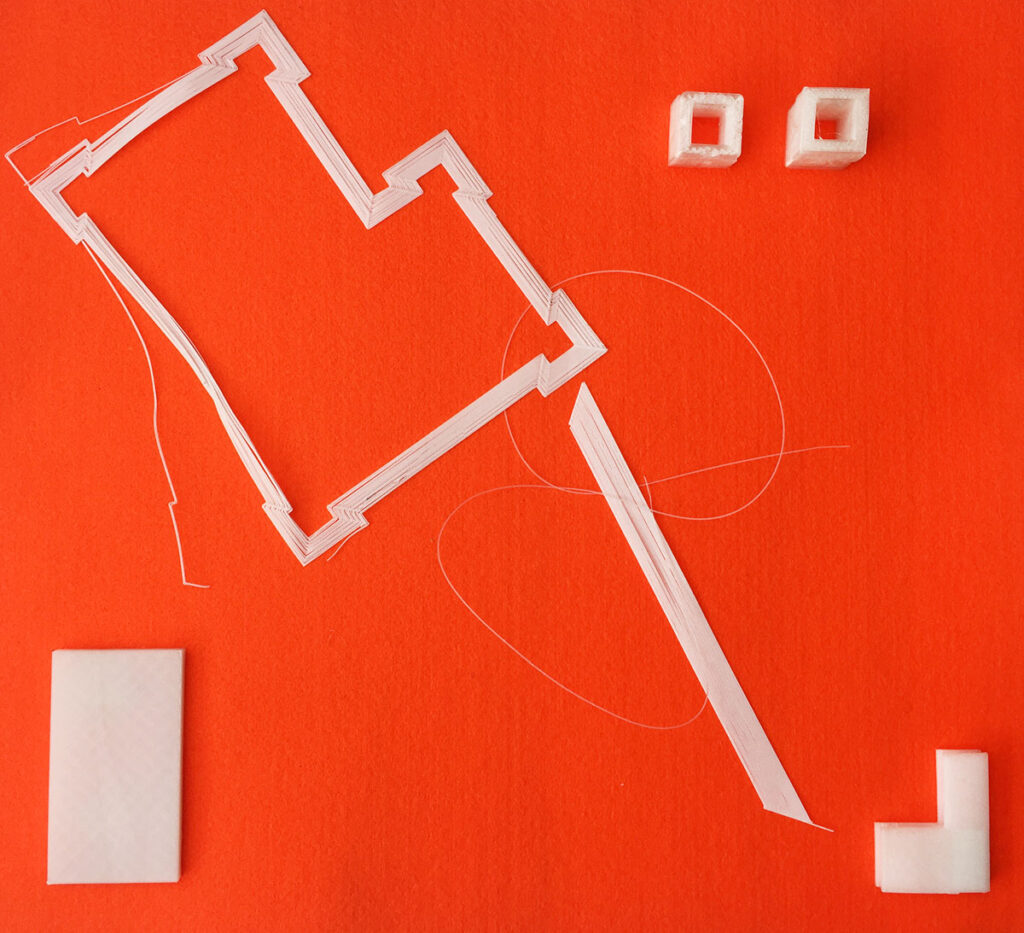
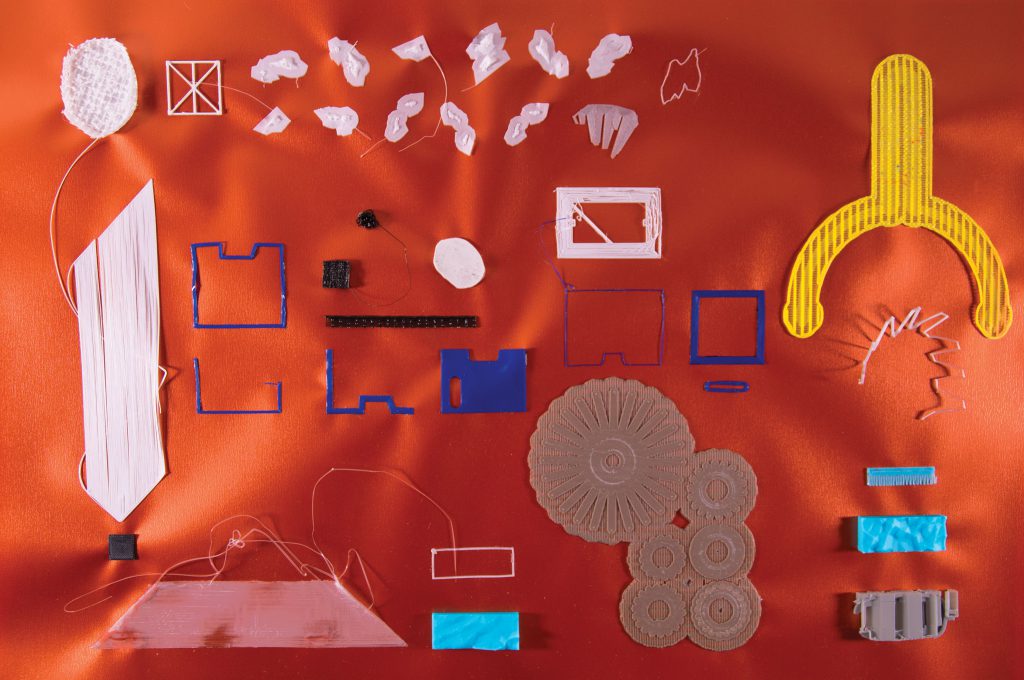
C. The resulting 3D object was materialized as a physical artifact, produced in plastic using 3D printing technology.
fig.25.3D-Sound-Object printed on plastic
D. Sunflowers images were transformed into sound and subsequently reconstituted as new images, completing a cycle of translation between visual and acoustic forms.
fig.26.Sunflowers images were transformed into sound and subsequently reconstituted as new images, completing a cycle of translation between visual and acoustic forms.
fig.27.Final installation: Object 3, a copper box containing a 3D sound object accompanied by three sound-glitch photographs.
8. Archive Variation: Notations
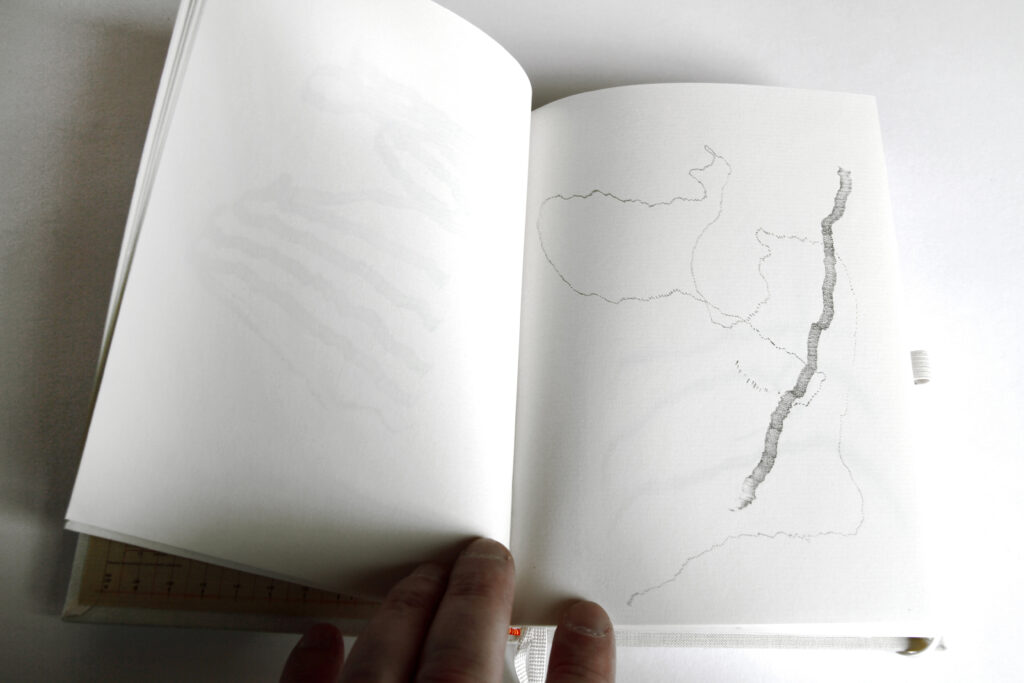
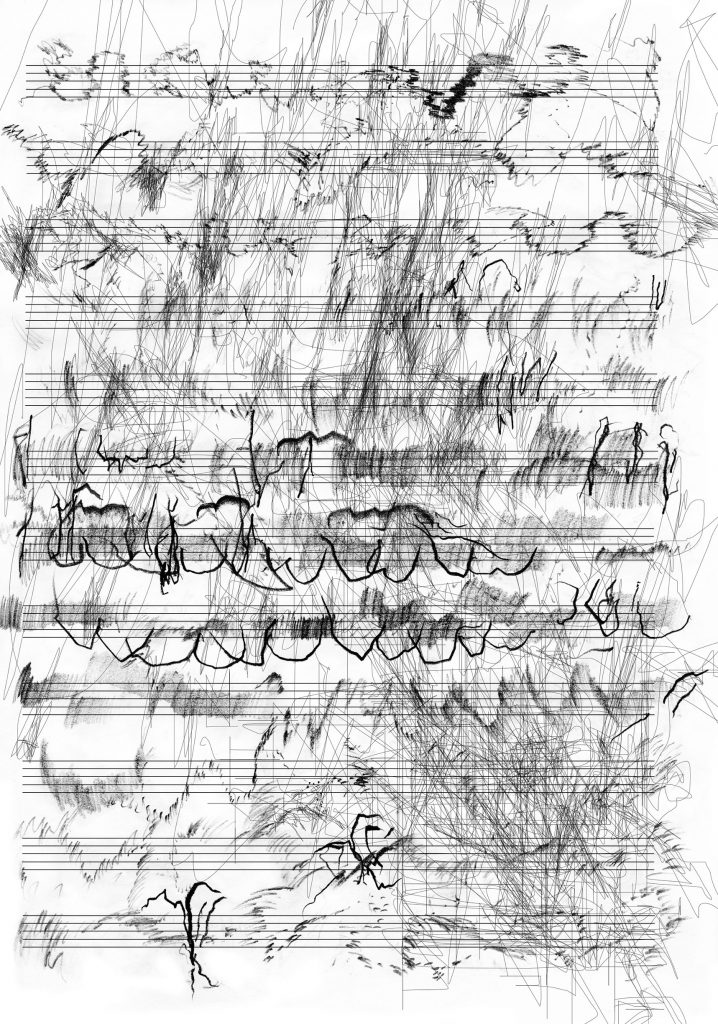
In this variation, musical notations were generated and inscribed by robots onto staff paper, collectively titled The Variations Van Gogh Opera. This project transforms algorithmic processes into graphic scores, where mechanical inscription becomes an integral part of the work.
The resulting publication, Van Gogh Variations: Compositions for Small Motors and Robots (2014), is an 82-page volume measuring 20.5 × 25.5 cm and weighing 500 grams—a score composed entirely through automated processes, extending the artwork into both performative and material dimensions.
“Van Gogh Variations: Compositions for small Motors and Robots”,
82 pages, 20,5 cm x 25,5 cm, 500g, 2014
fig.29. “Notations – Van Gogh Variations: Compositions for small Motors and Robots”,, 2014
Parts of The Variations Van Gogh Opera:
01.Das Gelb in der Ferne. Larghissimo (01. The yellow in the distance) 02.Ich sehe Zeichnungen. Andante (02. I see drawings) 03.Charles Bargue und Jean-Léon Gérôme Duett. Appassionato (03. Charles Bargue and Jean-Léon Gérôme Duet) 04.Arie der Besucher. Agitato (04. Aria of the visitor) 05.Vincent Monolog. Pesante (05. Vincent monologue) 06.Abschied von Arles. Lacrimoso (06.Farewell to Arles) 07.Todesmotiv. Lento (07.Death motif) 08.Finalterzett. Trionfante (08.Final trio) 09. Archive Variation: Language – Code
9. Archive Variation: Language – Code
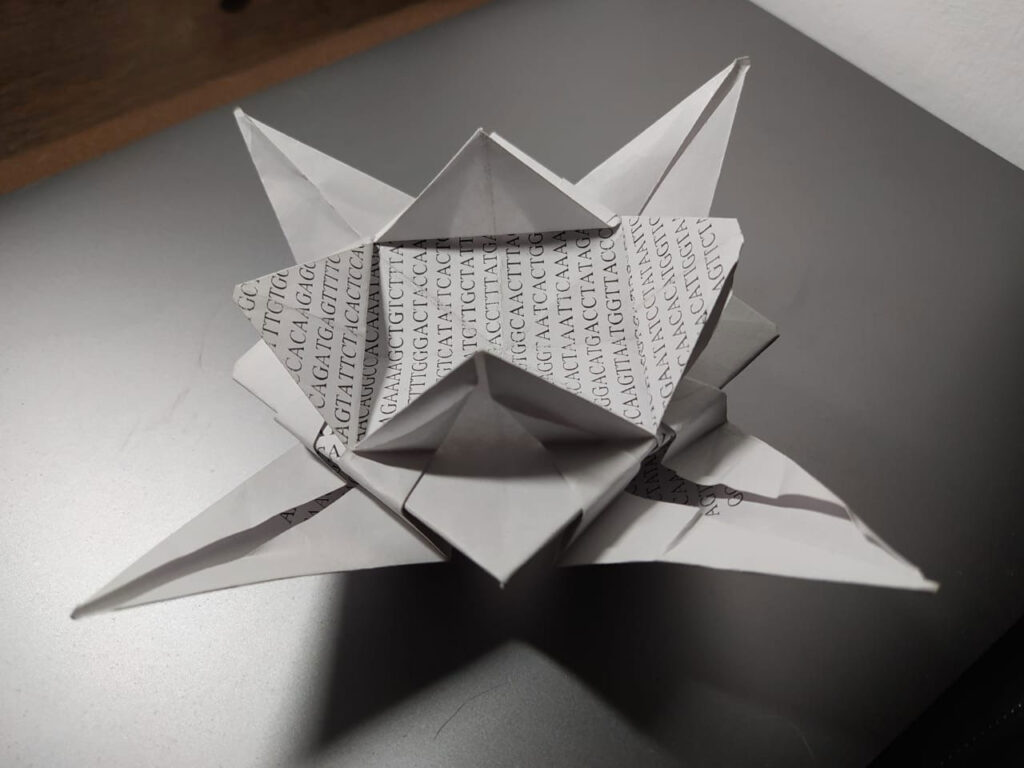
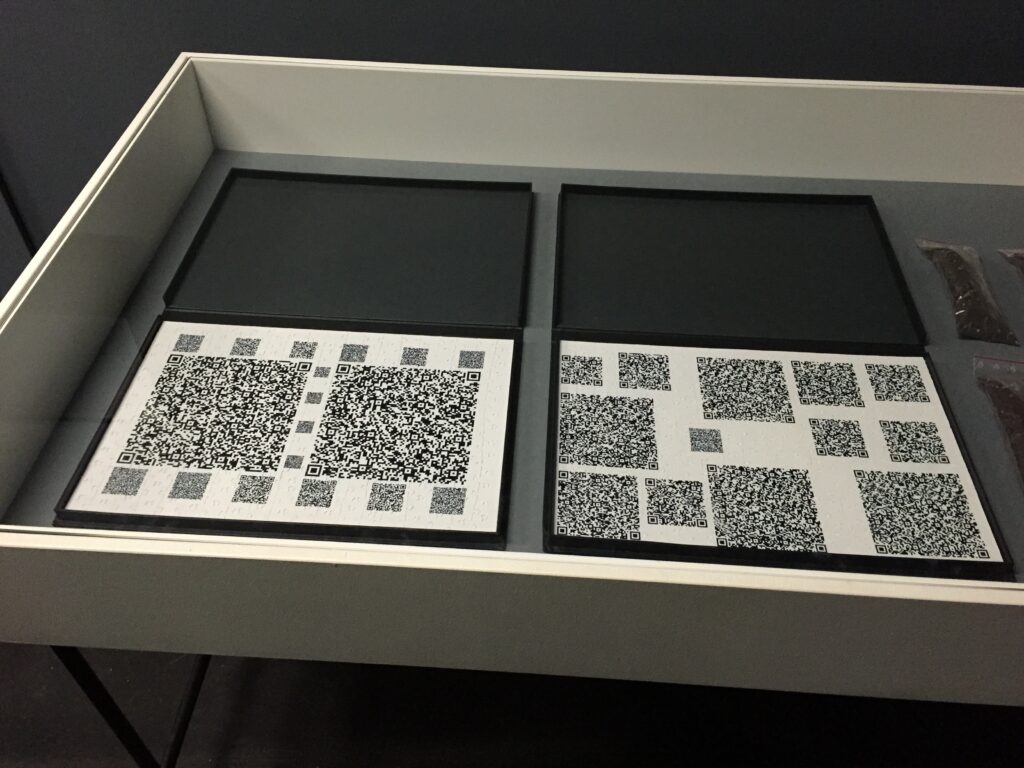
In this variation, the seven Sunflowers paintings were algorithmically transformed into text and then translated into an invented language of my own creation. This language was conceived as a way to erase alphabetic conventions, bypass operating systems, and engage with algorithmic residues that cannot be destroyed by physical means—residues that resist erasure even by hammers.
fig.29.“Seven sunflowers deleted”, 60 pages, 25,5 cm x 20,5 cm, 500g, 2014
10. Archive Variation: Van Gogh’s Sunflowers – 115 Variations
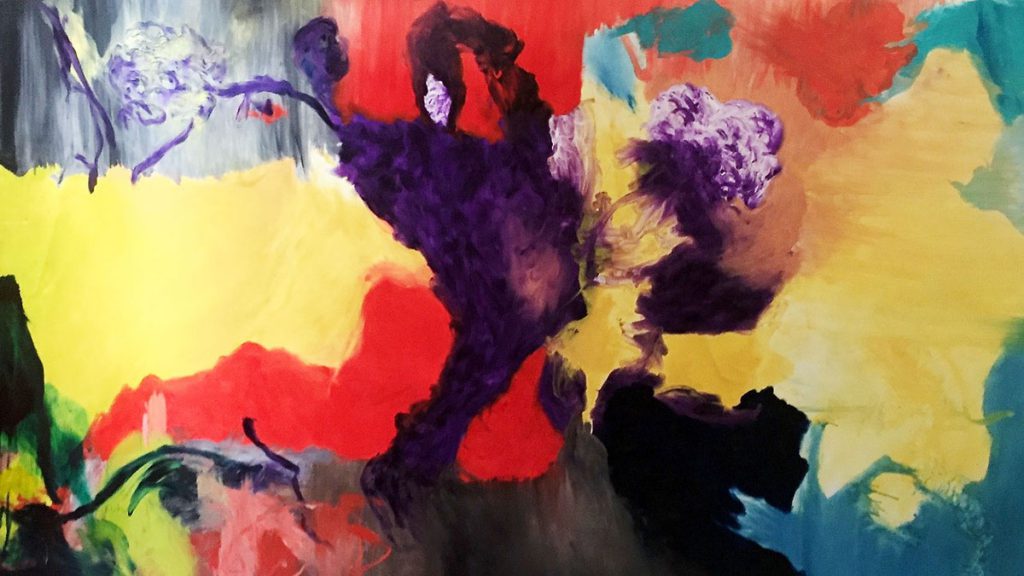
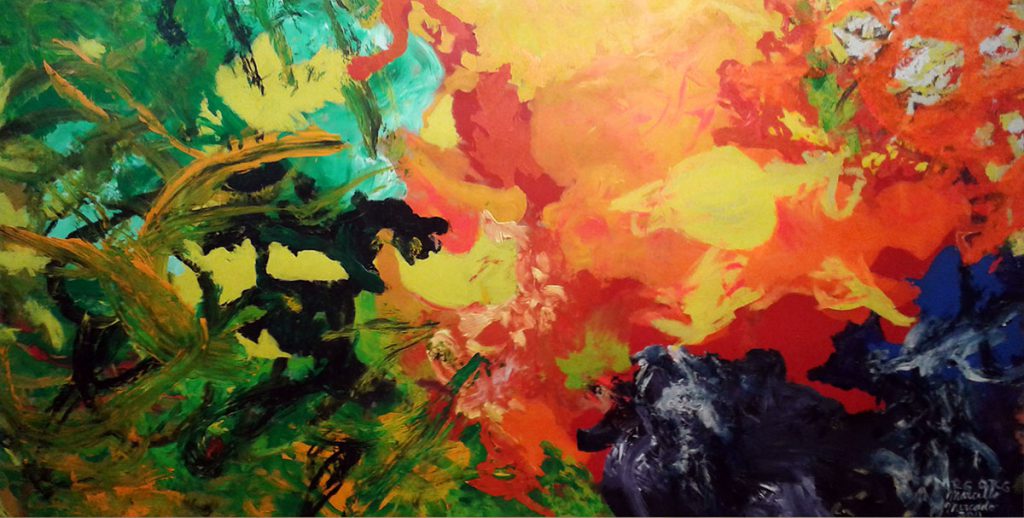
This variation consists of a book containing 115 hand-painted variations—executed in acrylic, ink, and oil—based on the seven original Sunflowers paintings. Archive Method:Scriptorium
fig.30.“Van Gogh´sunflowers: 115 Variations”, hand painted, 115 pages, 54 cm x 39 cm x 3 cm (1,08 m open), 900g, unique item, acrylic, oil, ink, pigment and paint on paper, On the reverse signed and dated , 2014
fig.31.“Van Gogh´sunflowers: 115 Variations”, hand painted, 115 pages, 54 cm x 39 cm x 3 cm (1,08 m open), 900g, unique item, acrylic, oil, ink, pigment and paint on paper, On the reverse signed and dated , 2014
fig.32.“Van Gogh´sunflowers: 115 Variations”, hand painted, 115 pages, 54 cm x 39 cm x 3 cm (1,08 m open), 900g, unique item, acrylic, oil, ink, pigment and paint on paper, On the reverse signed and dated , 2014
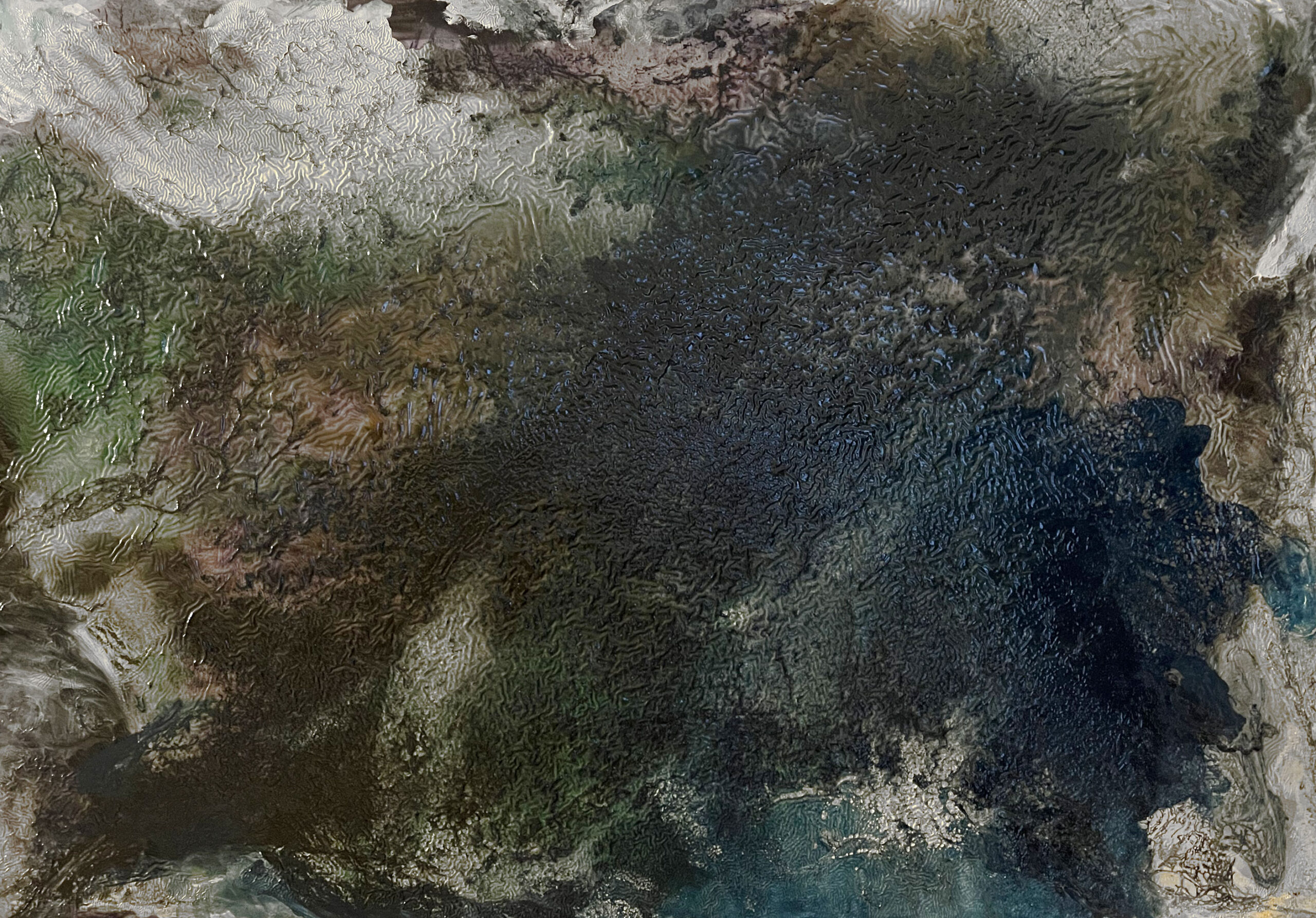
fig.33.“Van Gogh´sunflowers: 115 Variations”, hand painted, 115 pages, 54 cm x 39 cm x 3 cm (1,08 m open), 900g, unique item, acrylic, oil, ink, pigment and paint on paper, On the reverse signed and dated , 2014
fig.34.“Van Gogh´sunflowers: 115 Variations”, hand painted, 115 pages, 54 cm x 39 cm x 3 cm (1,08 m open), 900g, unique item, acrylic, oil, ink, pigment and paint on paper, On the reverse signed and dated , 2014
11. Archive Variation: Drawings
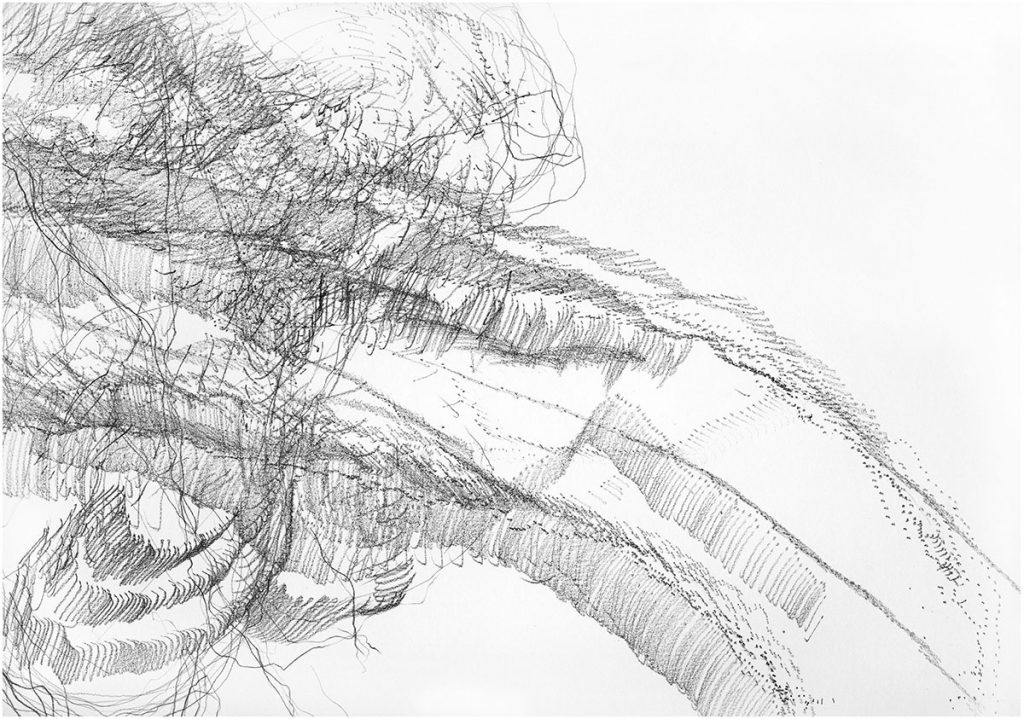
In this variation, three sunflowers were drawn by six robots and small motors, enacting a semi-autonomous process of mechanical mark-making. Archive Method:Semi-autonomous robots
fig.35.Sunflower 01 behind glass with 2 cm wide wooden frame, 75 cm x 65.5 cm x 4 cm, pencil on paper,
unique item, signed and dated on the front, 2014
fig.36.Sunflower 02 behind glass with 2 cm wide wooden frame, 75 cm x 65.5 cm x 4 cm, pencil on paper,
unique item, signed and dated on the front, 2014
fig.37.Sunflower 03 behind glass with 2 cm wide wooden frame, 75 cm x 65.5 cm x 4 cm, pencil on paper,
unique item, signed and dated on the front, 2014
fig.38. Final Installation: 3 Sunflowers: Drawings
12. Archive Variation: Diary
A book documenting the entire project process, serving as an archive of its development and variations.
fig.39.“Variations Van Gogh : Diary”, 34 pages, 12 cm x 16 cm x 0,8 cm (20 cm open), 150g, unique item, On the reverse signed and dated , 2014
13. Meeting Variation
In 1995 we were both programmed at the FIPA festival (Festival International de Programmes Audiovisuels) in Nice, France, together with film director Theo van Gogh (born 1957 – died 2004), and we had a brief personal encounter. He presented his short film De Wanhoop van de Sirene and I participated with La región del tormento.
14. Facebook Likes Variation
This year, and in previous years, I have “liked” the paintings of Lieuwe van Gogh on Facebook. Lieuwe is the great-great-grandson
of Theo van Gogh, Vincent’s younger brother, who was a crucial supporter throughout the artist’s life.
15. PDF Variation
Creation of a PDF document compiling the curriculum vitae of Vincent van Gogh. Due to his very few exhibitions during his lifetime,
the file has minimal digital weight: only 61 KB.
16. Variation: Meeting the Sunflower
I visited the Pinakothek der Moderne in Munich and stood before Vincent van Gogh’s Vase with Twelve Sunflowers (1888), one of his iconic sunflower paintings on display there. In that moment, I referred to it as “My Van Gogh Formula,” marking it as the final Variation—at least for now—in this ongoing project, bringing the series to a personal and conceptual close.
17. Van Gogh Formula Variation
D. Installation Scheme
Variations Van Gogh (2014) 7-channel video/sound installation, color Displayed on seven LCD flat panels mounted on a shelf, 8 minutes duration or Projected onto seven walls in a dark, carpeted room; projections are unsynchronized with amplified stereo sound. Continuously running.
A. Installation scheme:
Version 01 7-channel video installation (screens or TV monitors):