Photography Systems

Marcello Mercado

Photographic Systems


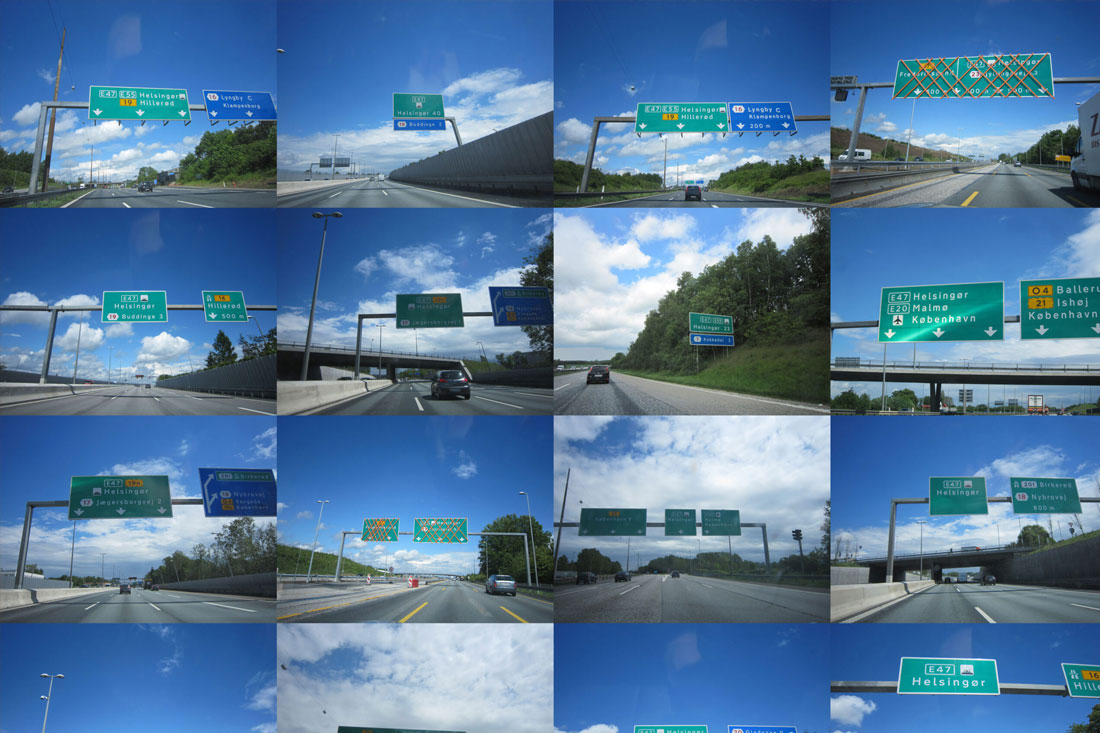
Marcello Mercado’s photographic practice operates at the intersection of archives, computational systems, artificial intelligence, drawing, and material processes. Rather than treating photography as a medium of representation, he approaches it as a dynamic field of translation in which images continuously migrate across technologies, temporalities, and forms of knowledge.

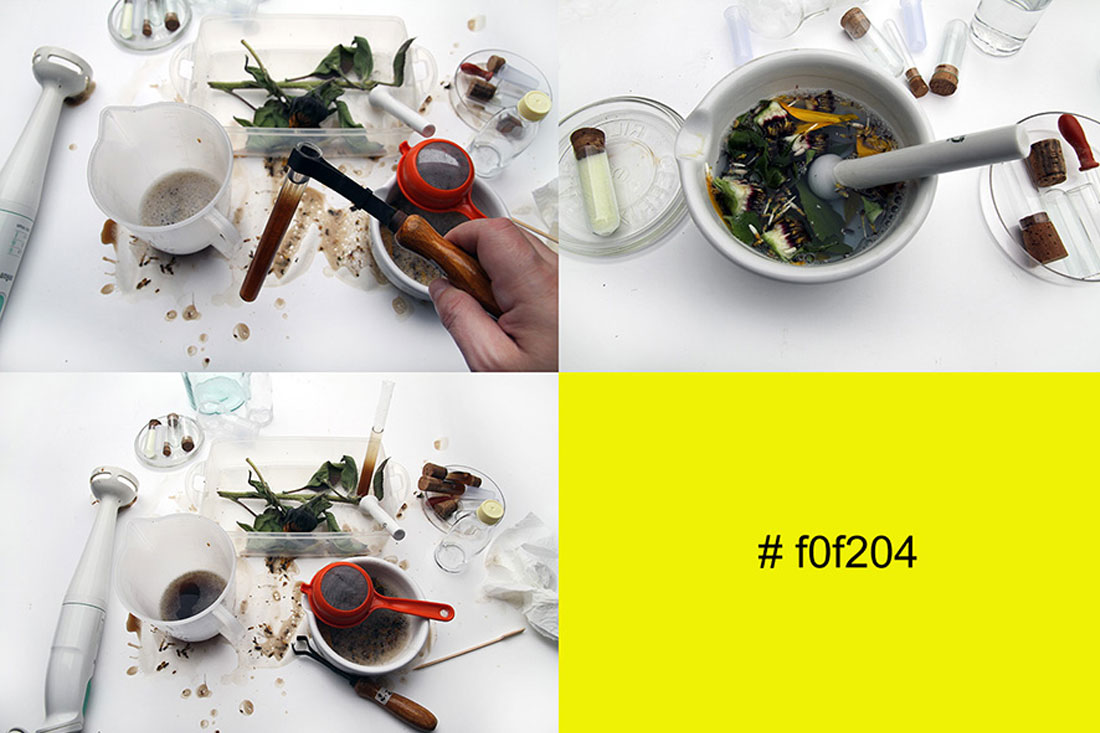
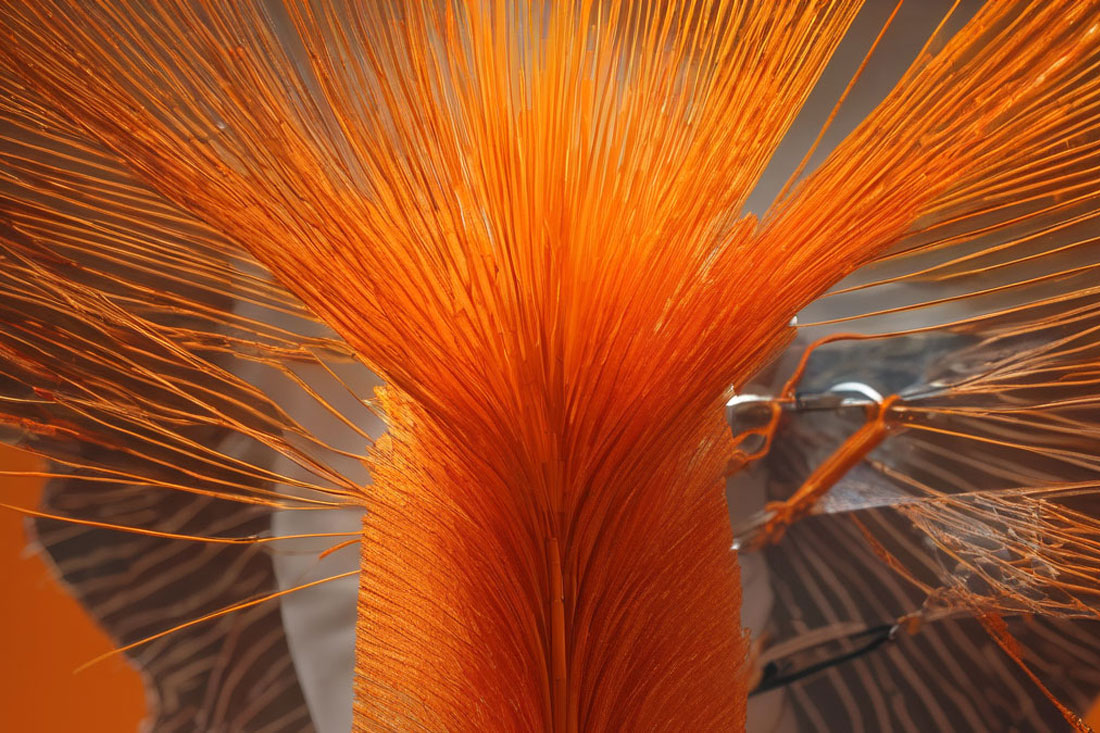
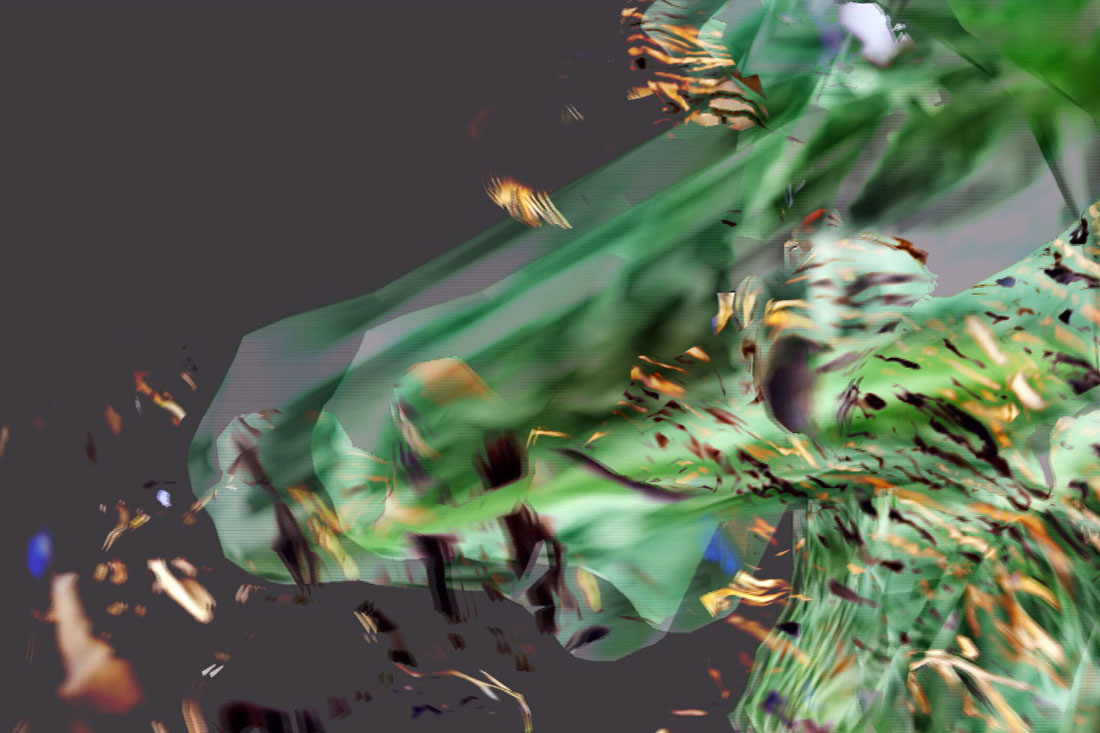
His works emerge from the interaction between photographs, datasets, machine learning systems, historical archives, biological materials, drawings, texts, and algorithmic procedures. Images are not fixed documents but unstable entities that undergo successive transformations, becoming sites where memory, computation, and materiality intersect.

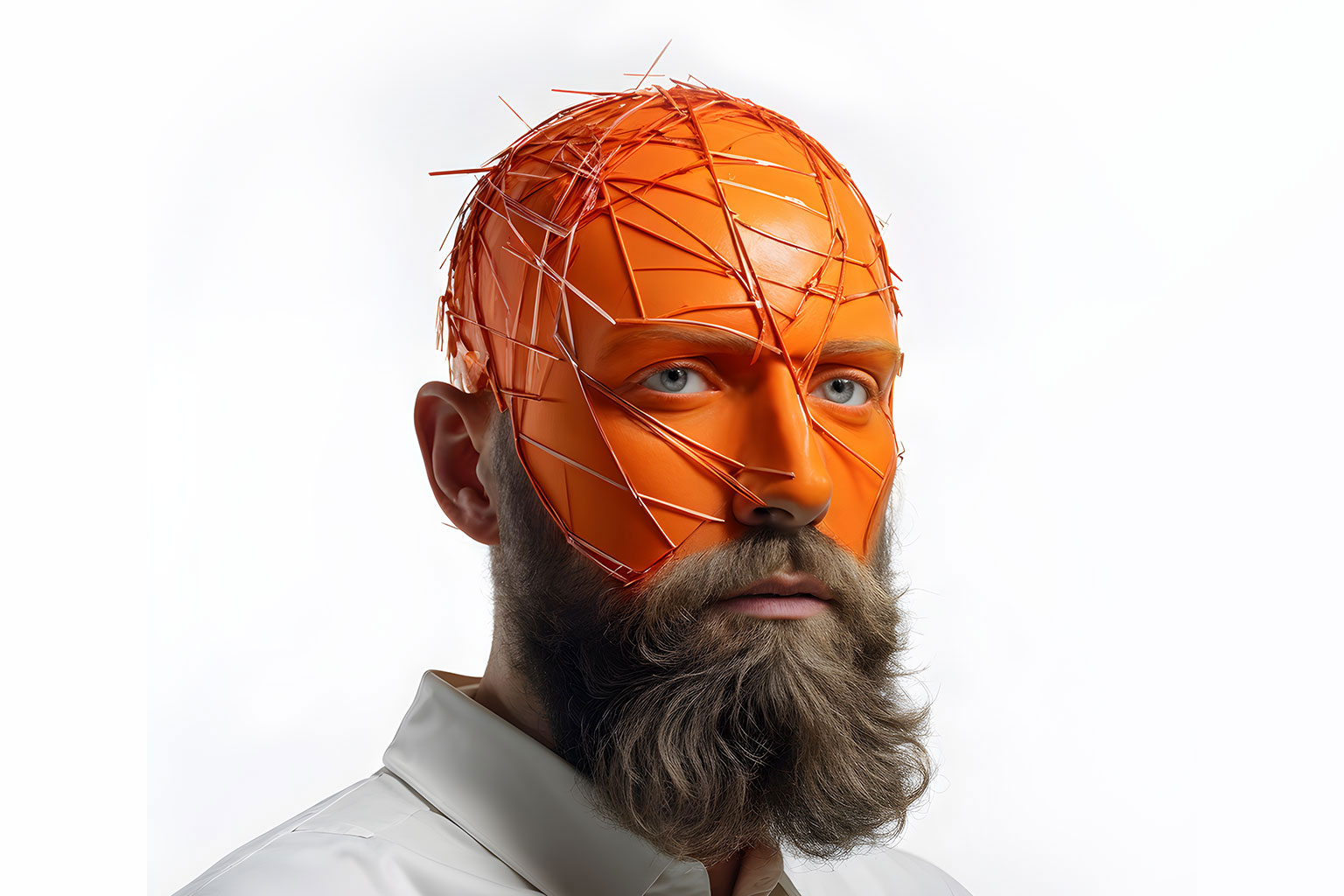
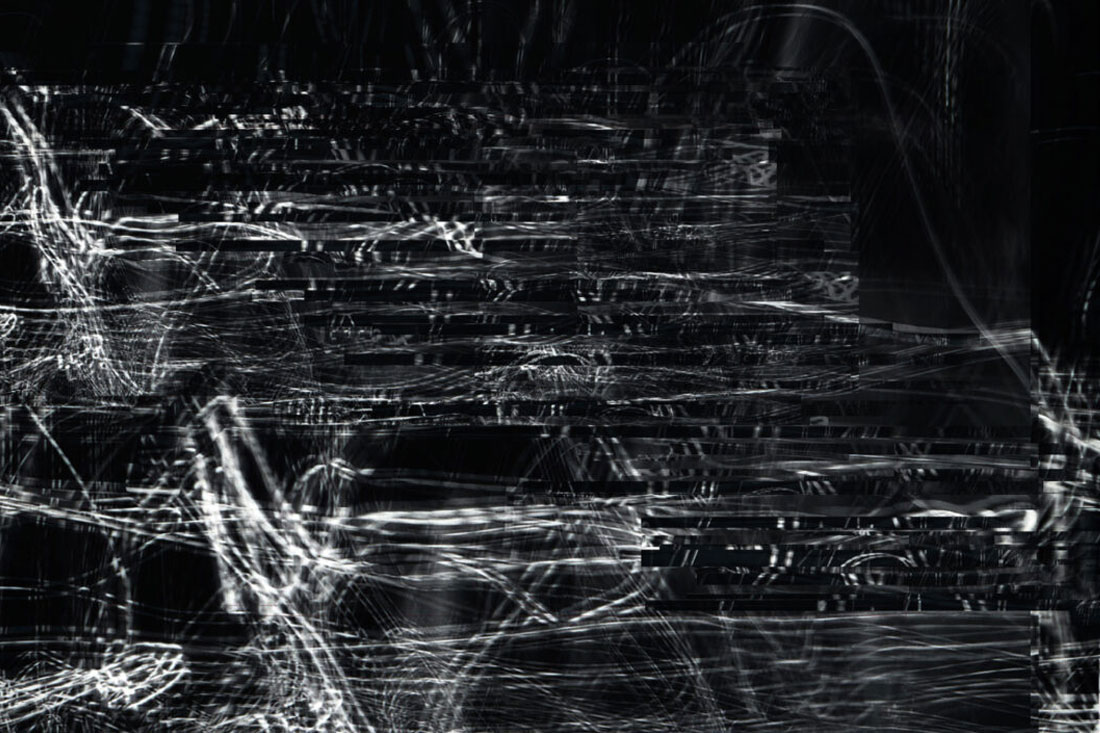
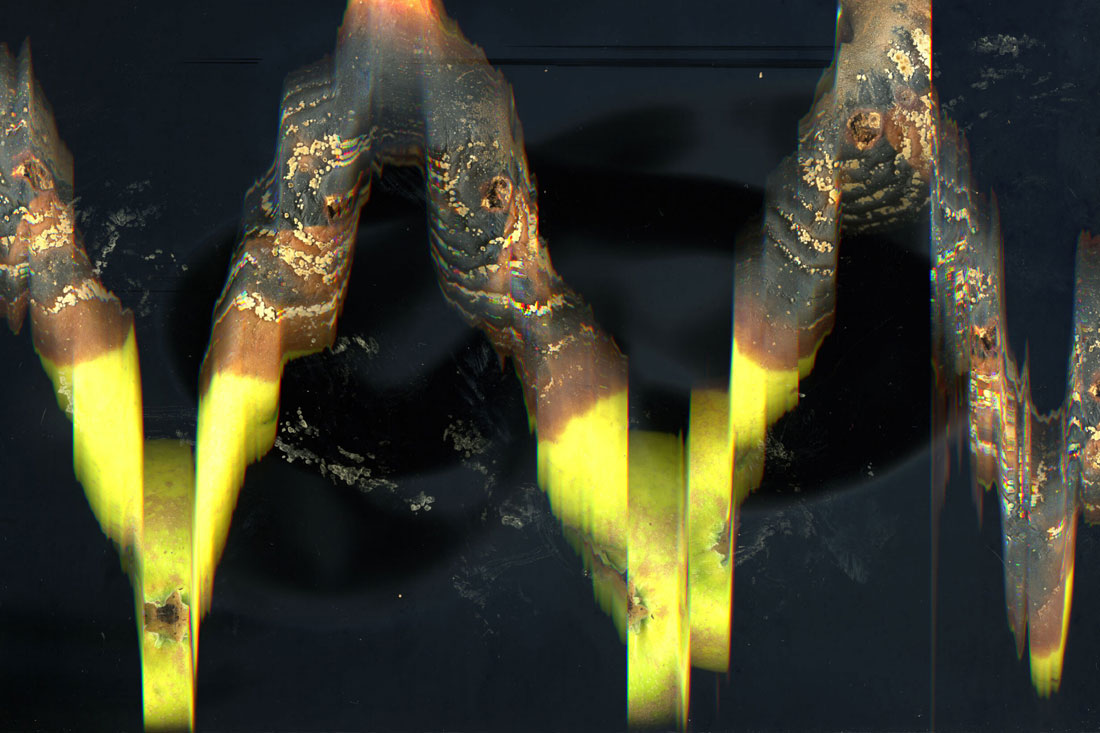
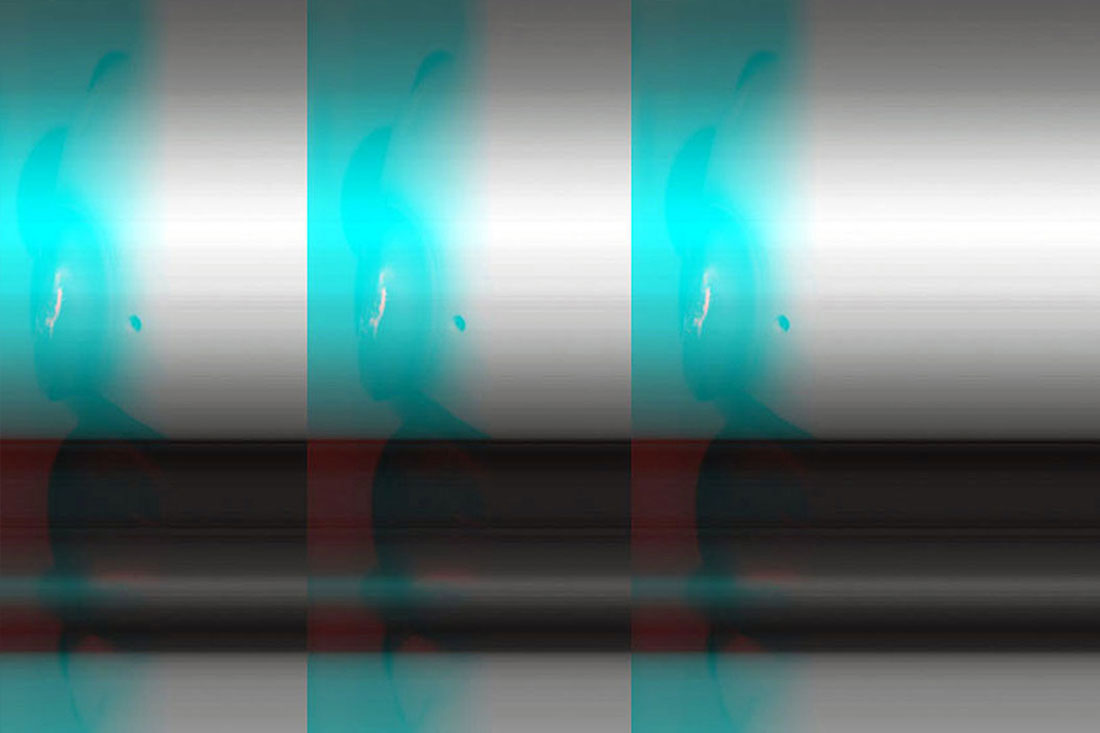
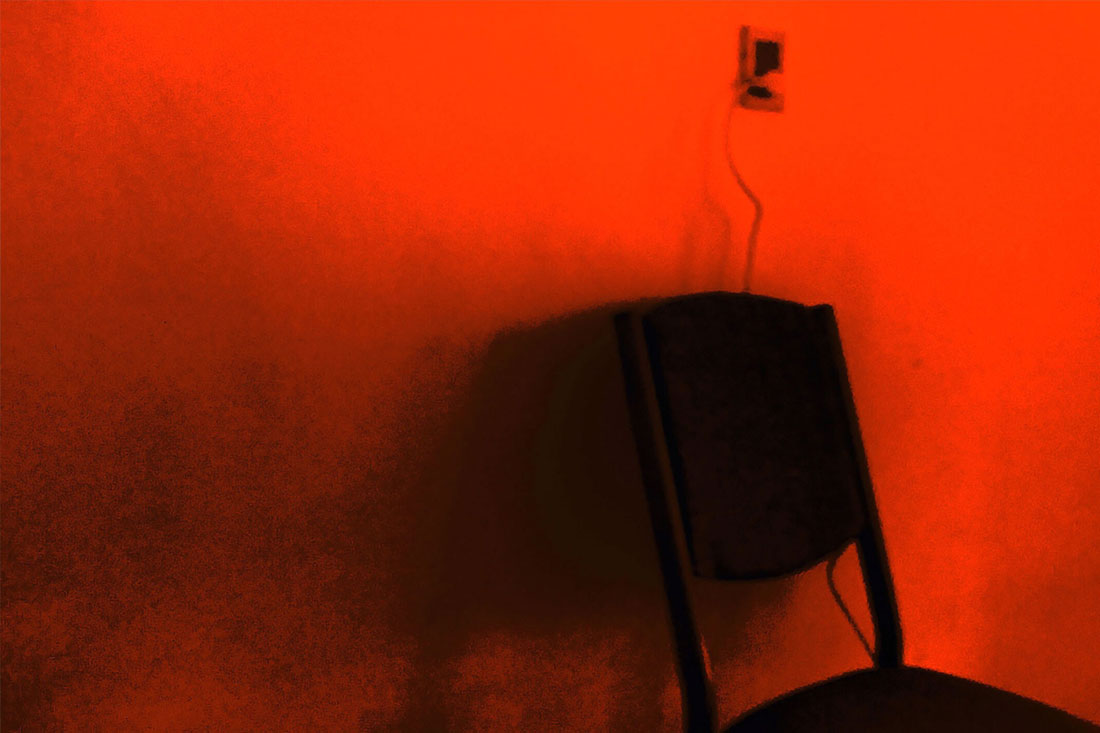
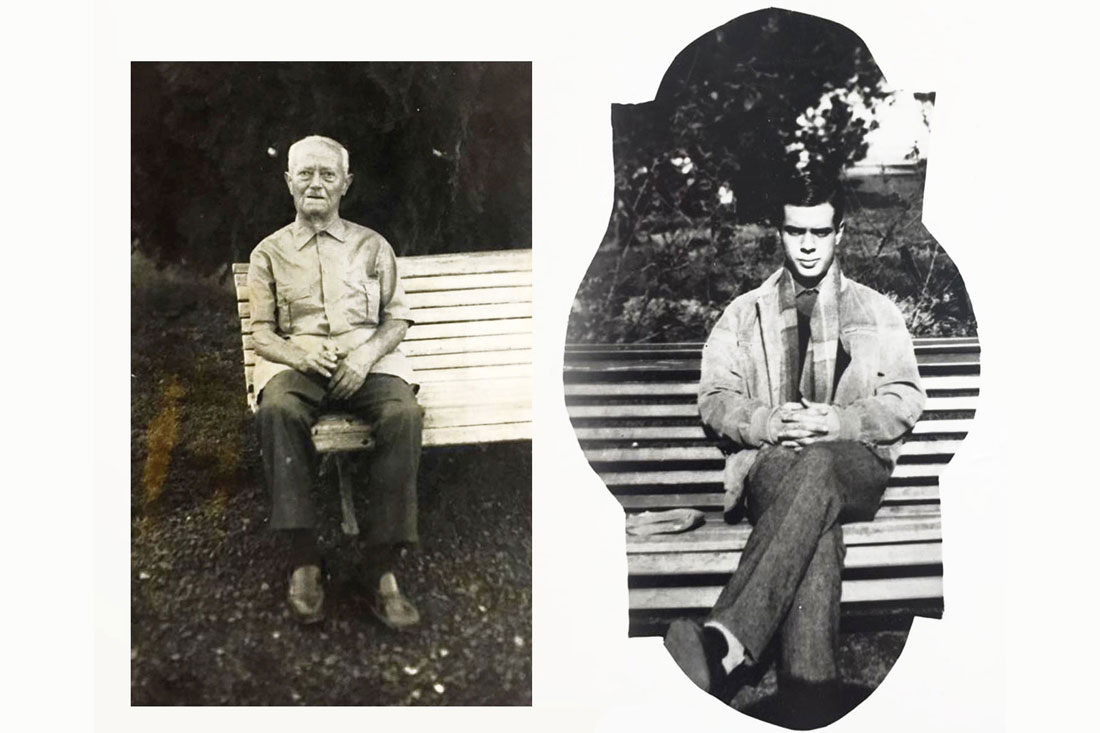
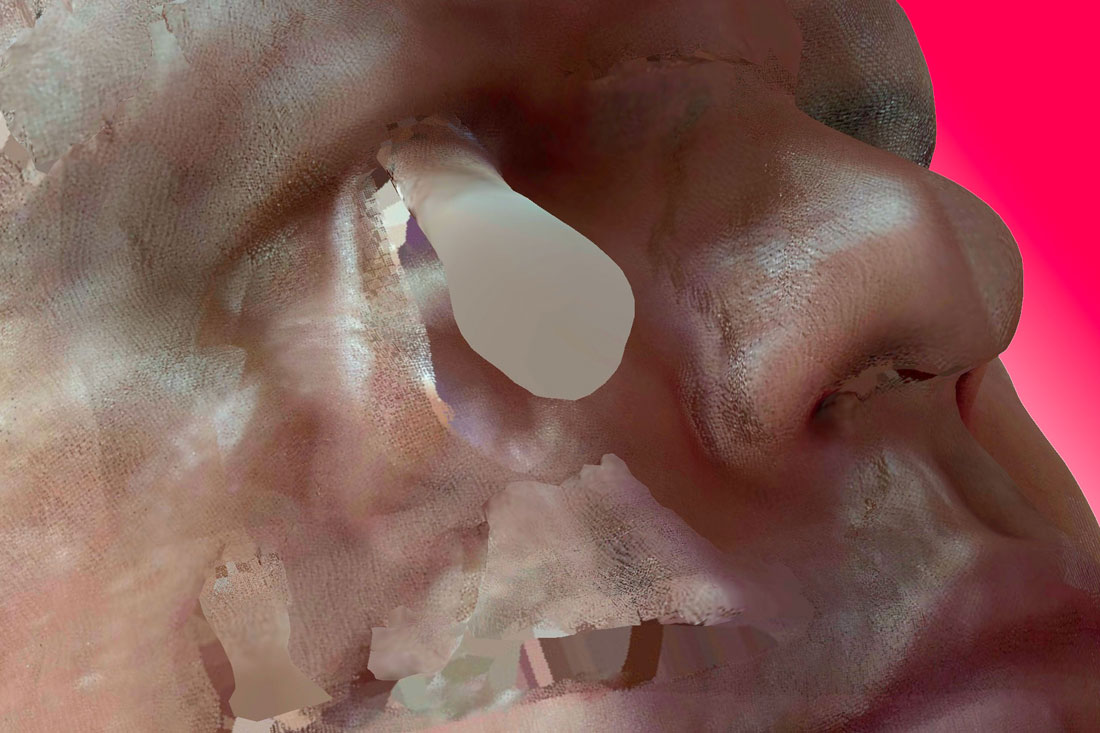
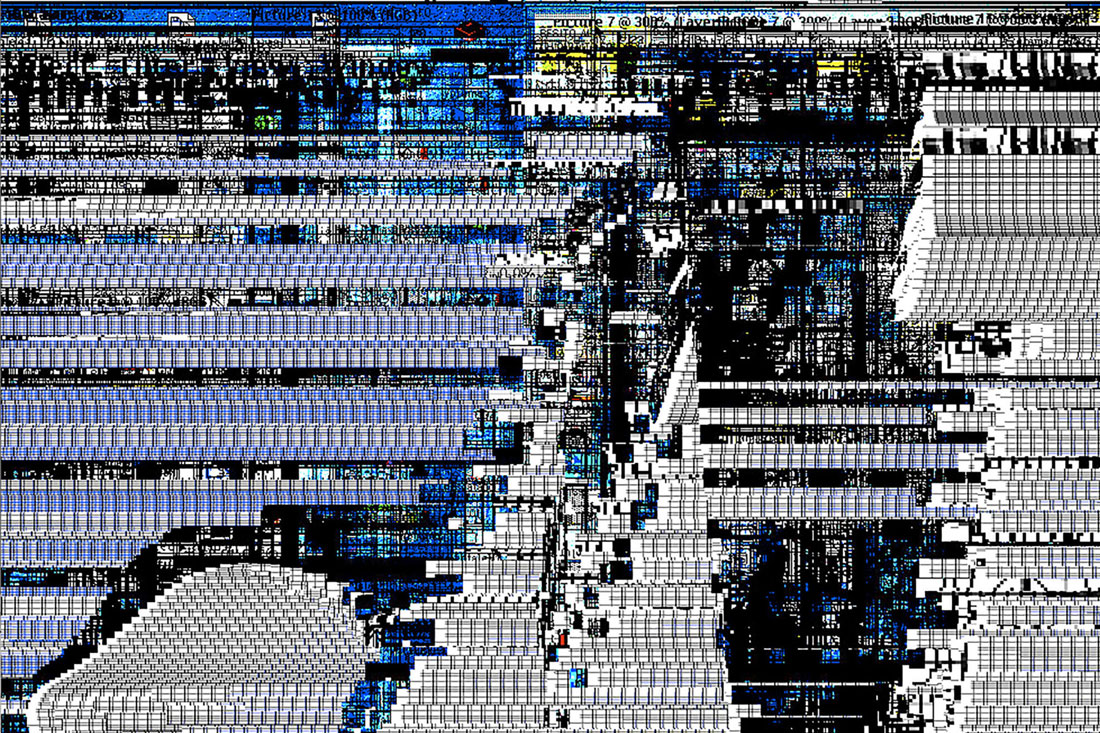
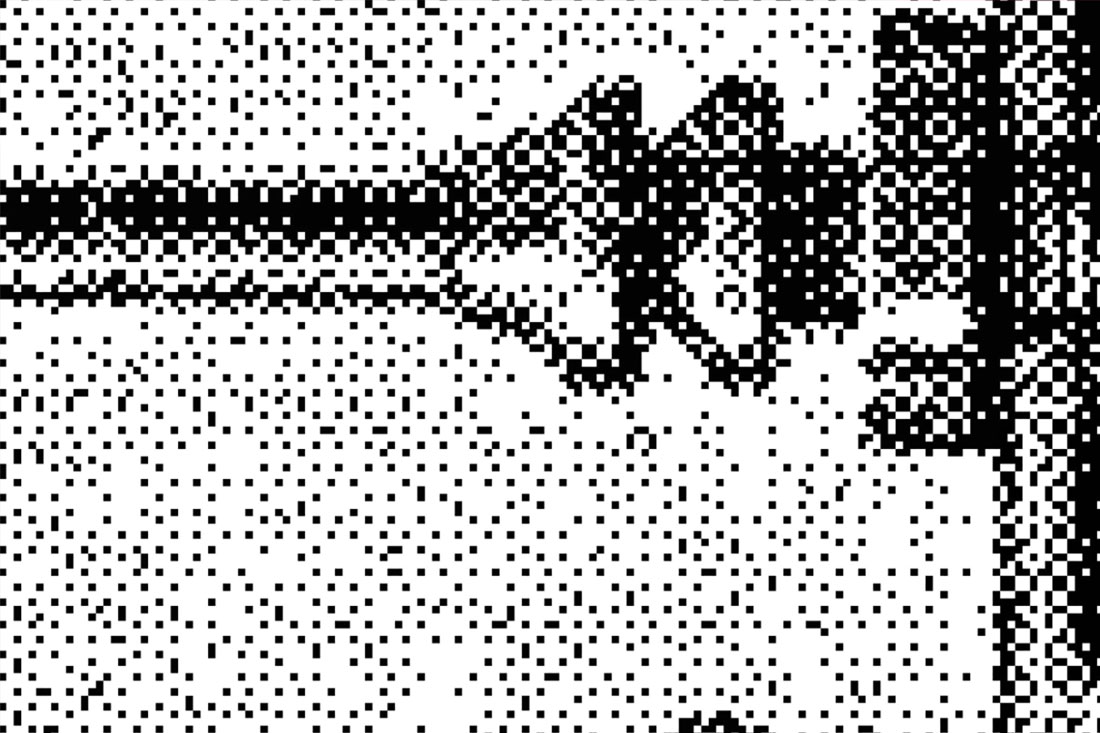
Mercado frequently works with obsolete, discarded, or residual visual information. Failed scans, degraded files, medical records, biological traces, synthetic reconstructions, historical photographs, and machine-generated images are incorporated into processes that challenge conventional distinctions between original and copy, evidence and fiction, documentation and simulation. In this context, photography becomes less a record of reality than a method for examining how realities are constructed, preserved, forgotten, and reformulated.

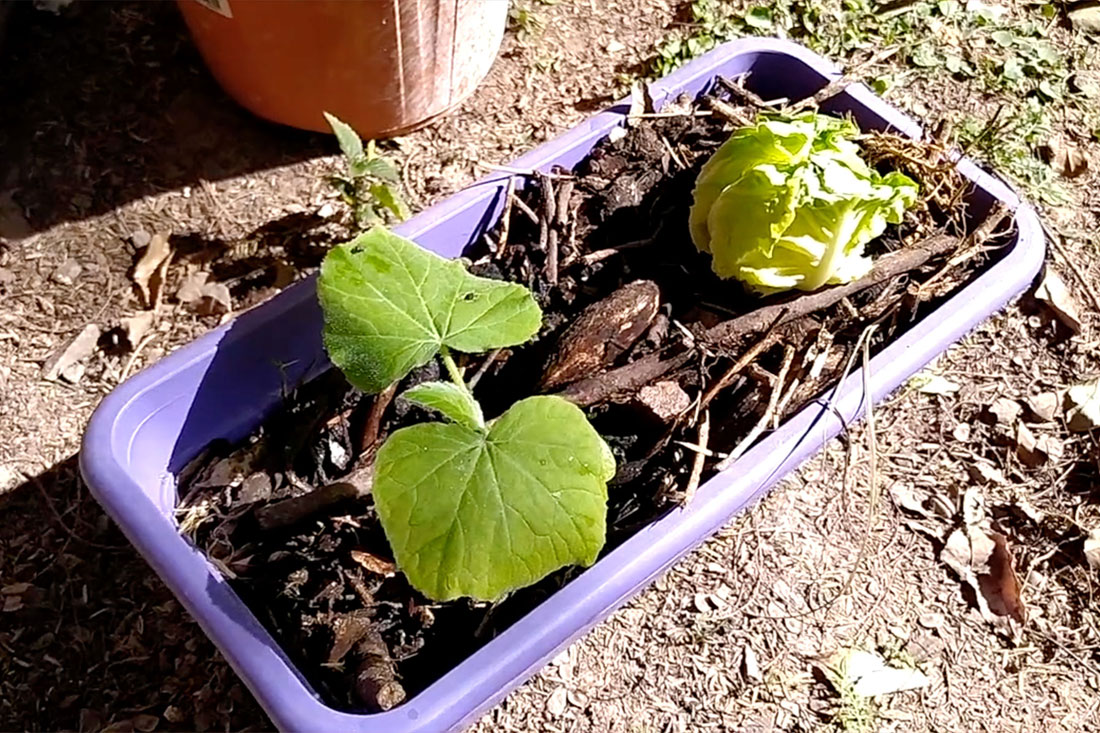
His recent projects investigate the coexistence of multiple temporal regimes within the image. Biological aging, archival persistence, algorithmic updating, and technological obsolescence operate simultaneously, producing visual forms that reveal tensions between human duration and computational acceleration. Faces, bodies, landscapes, and objects appear as temporary configurations within larger systems of storage, transmission, and transformation.

Central to Mercado’s practice is the notion of the archive as an active and generative structure. Long-term projects such as Das Kapital, developed over several decades, function as evolving ecosystems in which photographs, texts, videos, databases, and algorithmic processes continually reorganize one another. Here, the archive is not a repository of the past but a living apparatus capable of producing new images, relationships, and meanings.

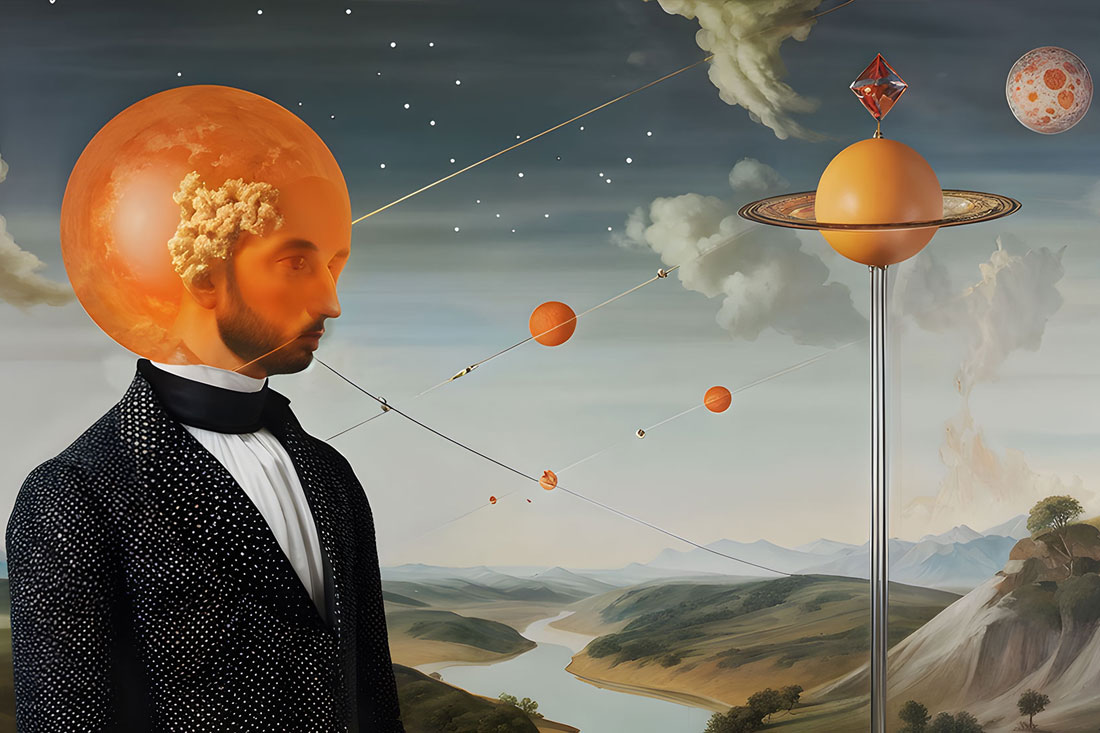
His engagement with artificial intelligence extends beyond questions of image generation. Machine learning systems are treated as archaeological instruments capable of revealing hidden structures within visual culture, exposing the material conditions, historical layers, and epistemological assumptions embedded in contemporary image production. AI becomes one actor among many within broader networks that include human memory, technological infrastructures, biological processes, and institutional archives.

Across photography, installation, moving image, drawing, and computational media, Mercado proposes an expanded understanding of photography in the postdigital condition. Images are conceived not as isolated visual objects but as operational systems in which data, matter, code, history, and perception continuously interact. His work investigates how images survive, mutate, circulate, and acquire agency, questioning the conditions under which visual knowledge is produced and maintained today.

Positioned between media archaeology, posthuman thought, archival studies, and contemporary computational culture, Mercado’s photographic practice examines the unstable territory where biological life, technological systems, and historical memory become inseparable. The photograph is no longer an endpoint of observation but a temporary state within a larger ecology of transformation.