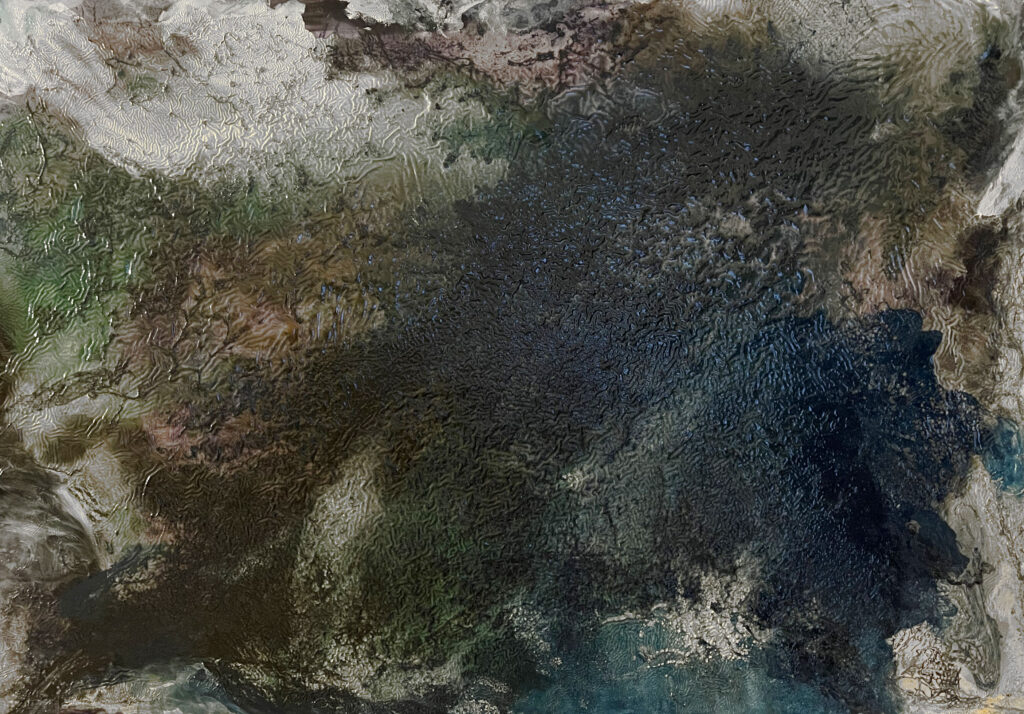
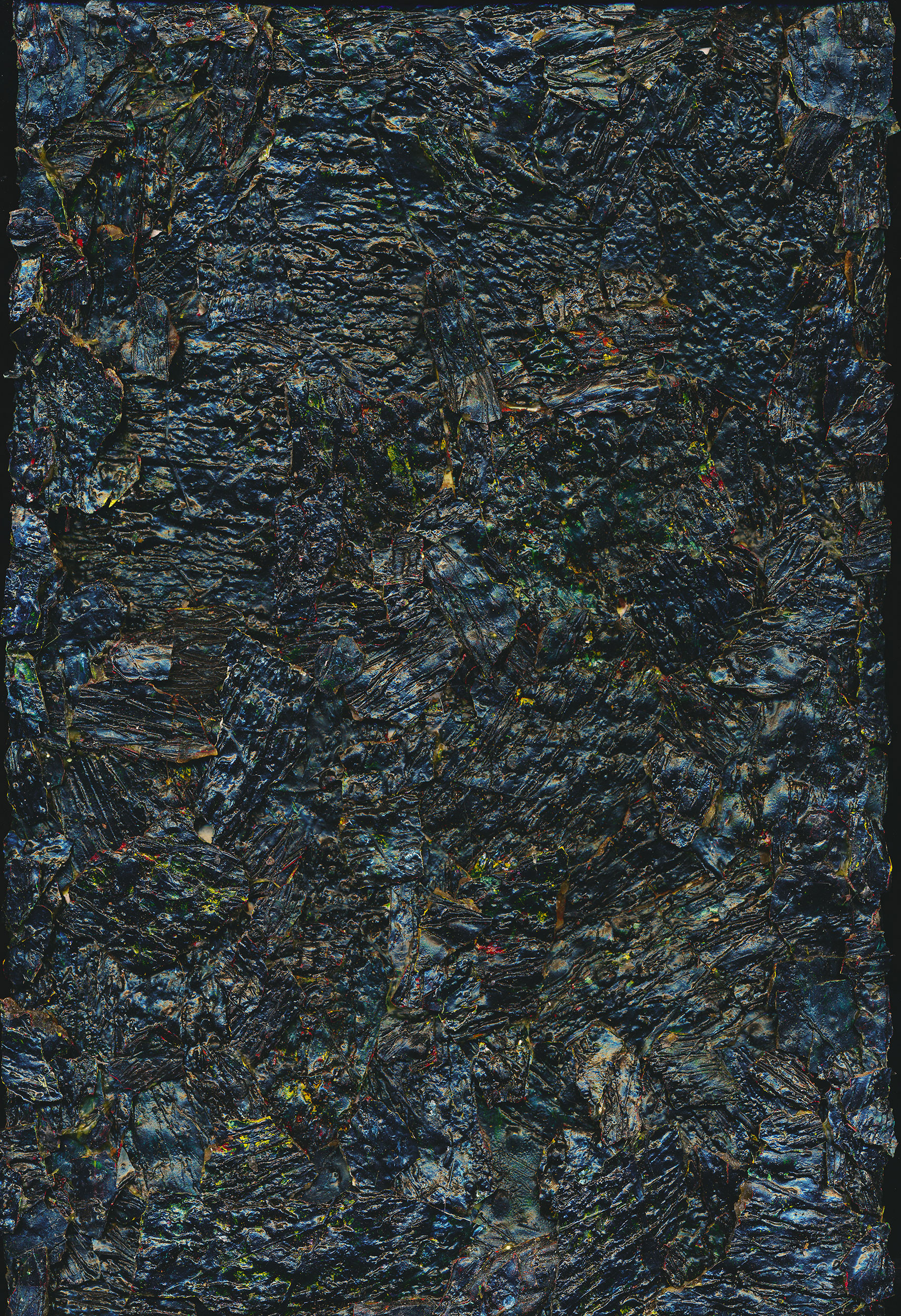
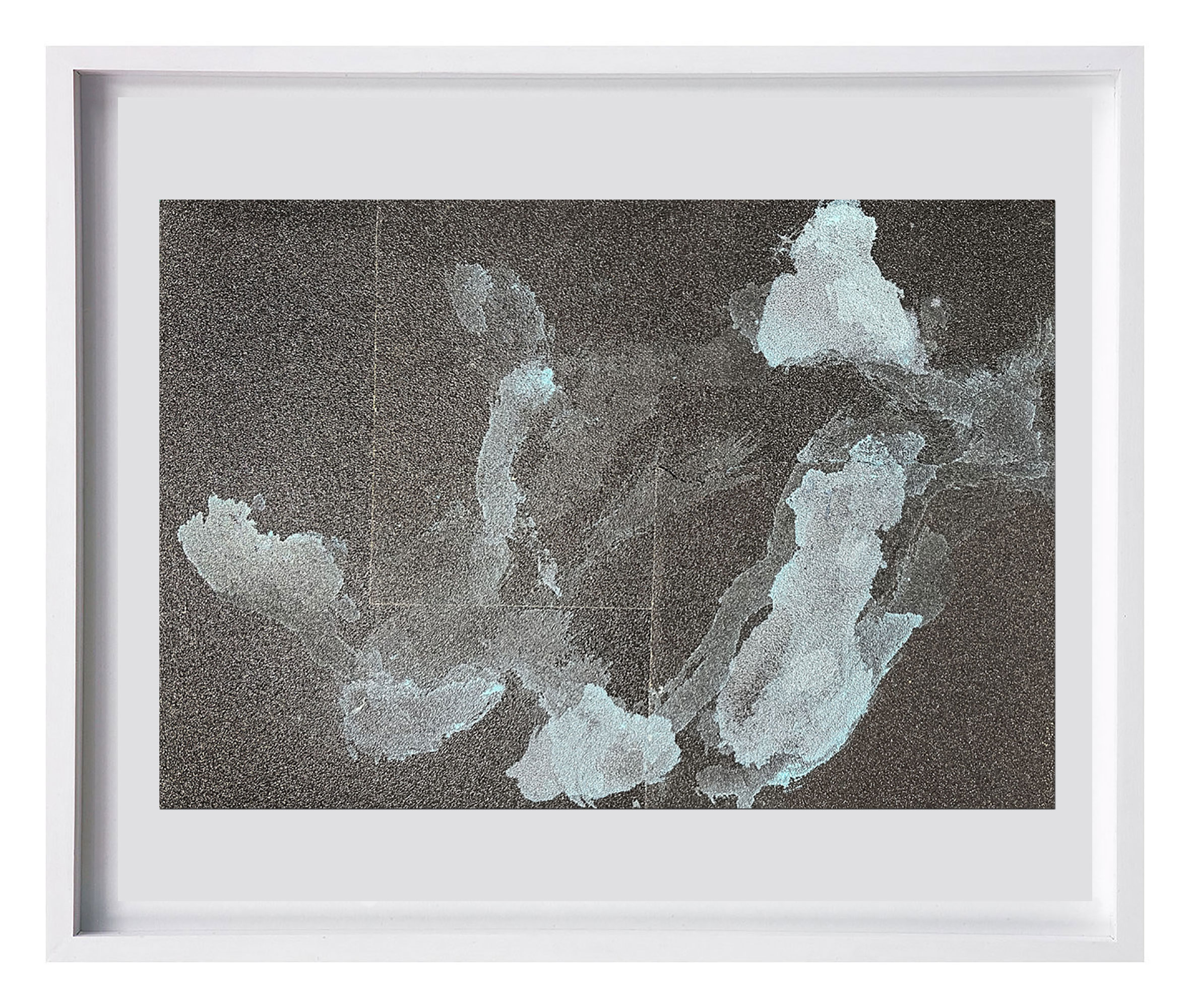
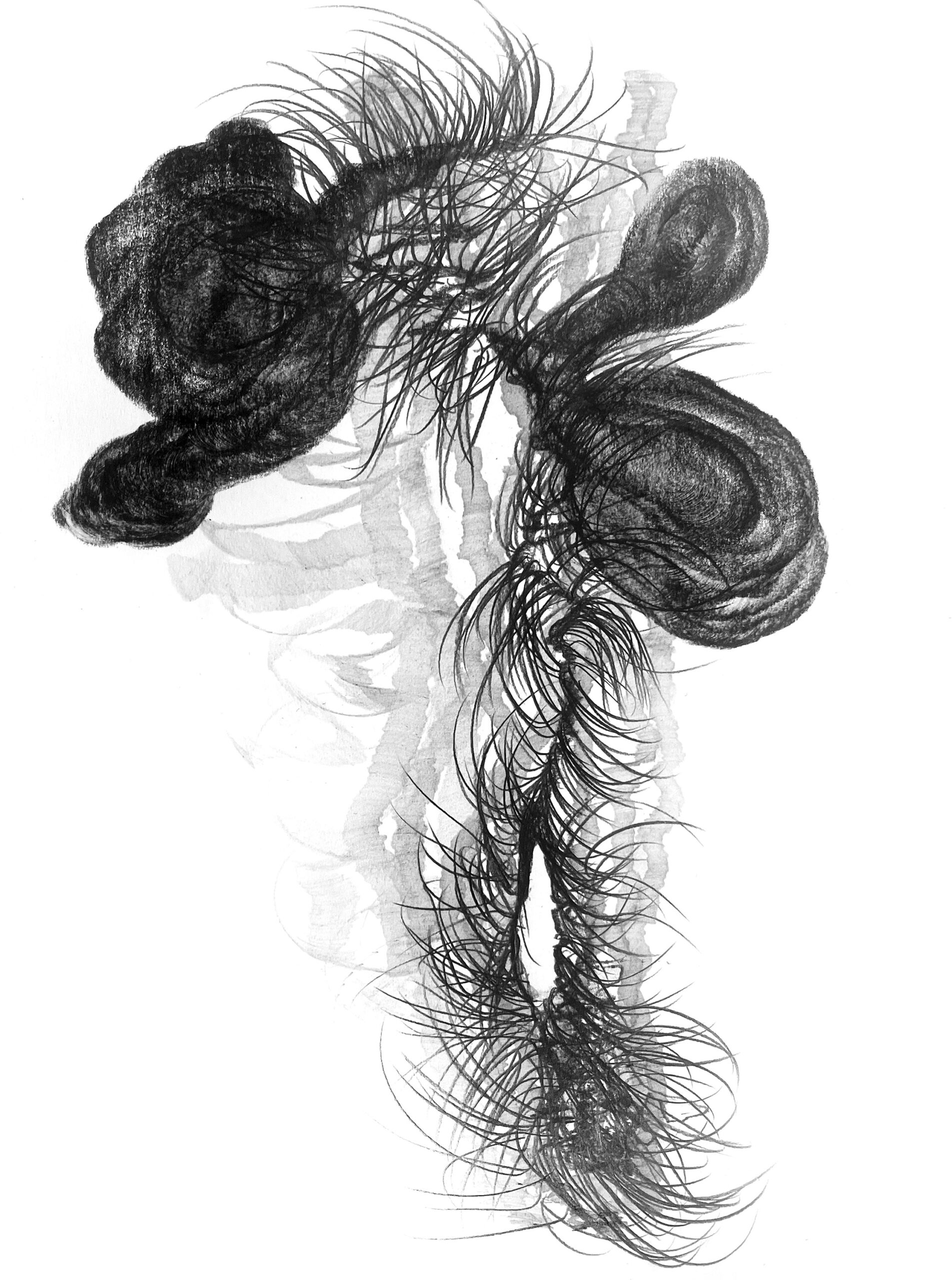
Marcello Mercado
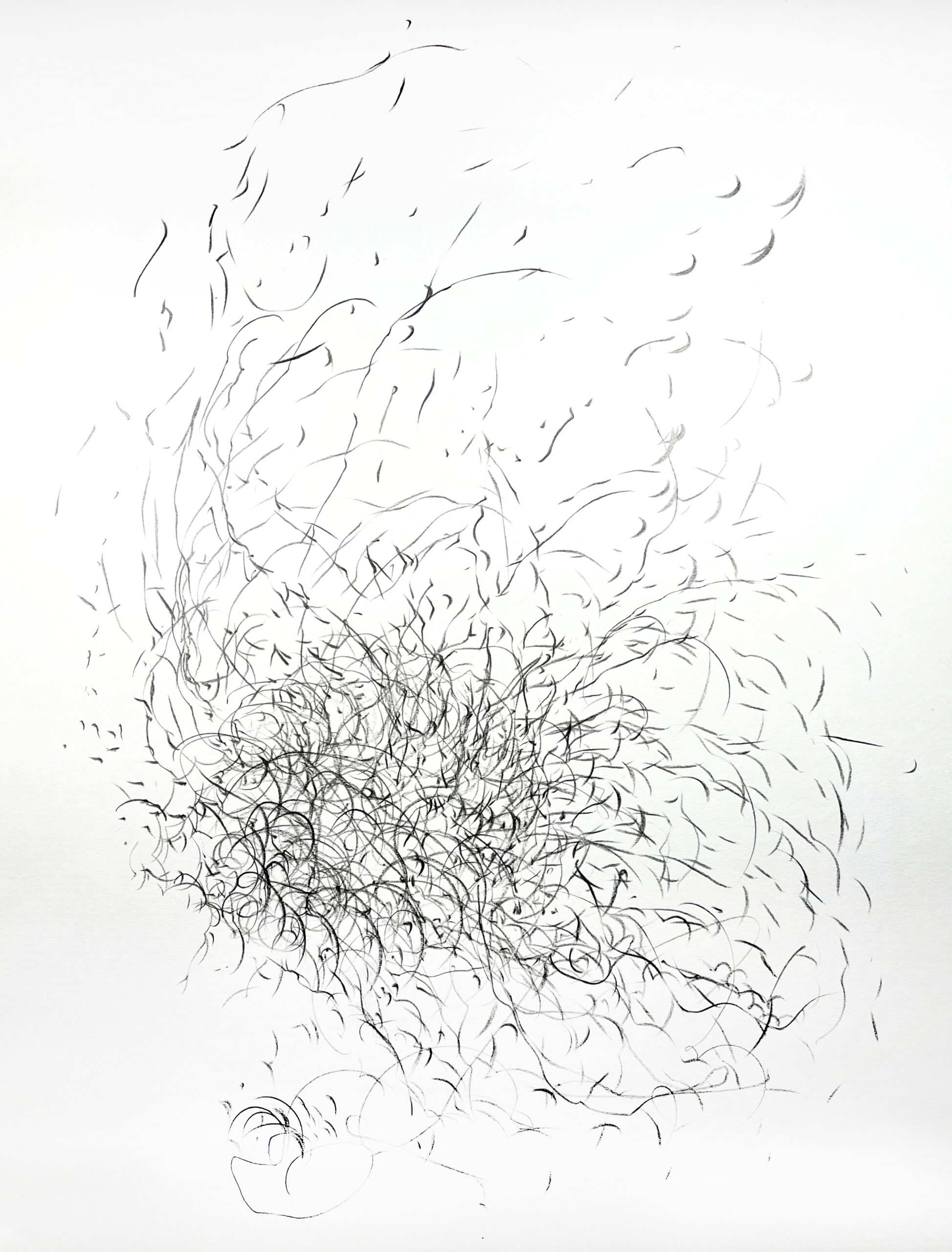
200cm x 150cm
mixed media on ink jet printed paper on canvas
2022

Marcello Mercado
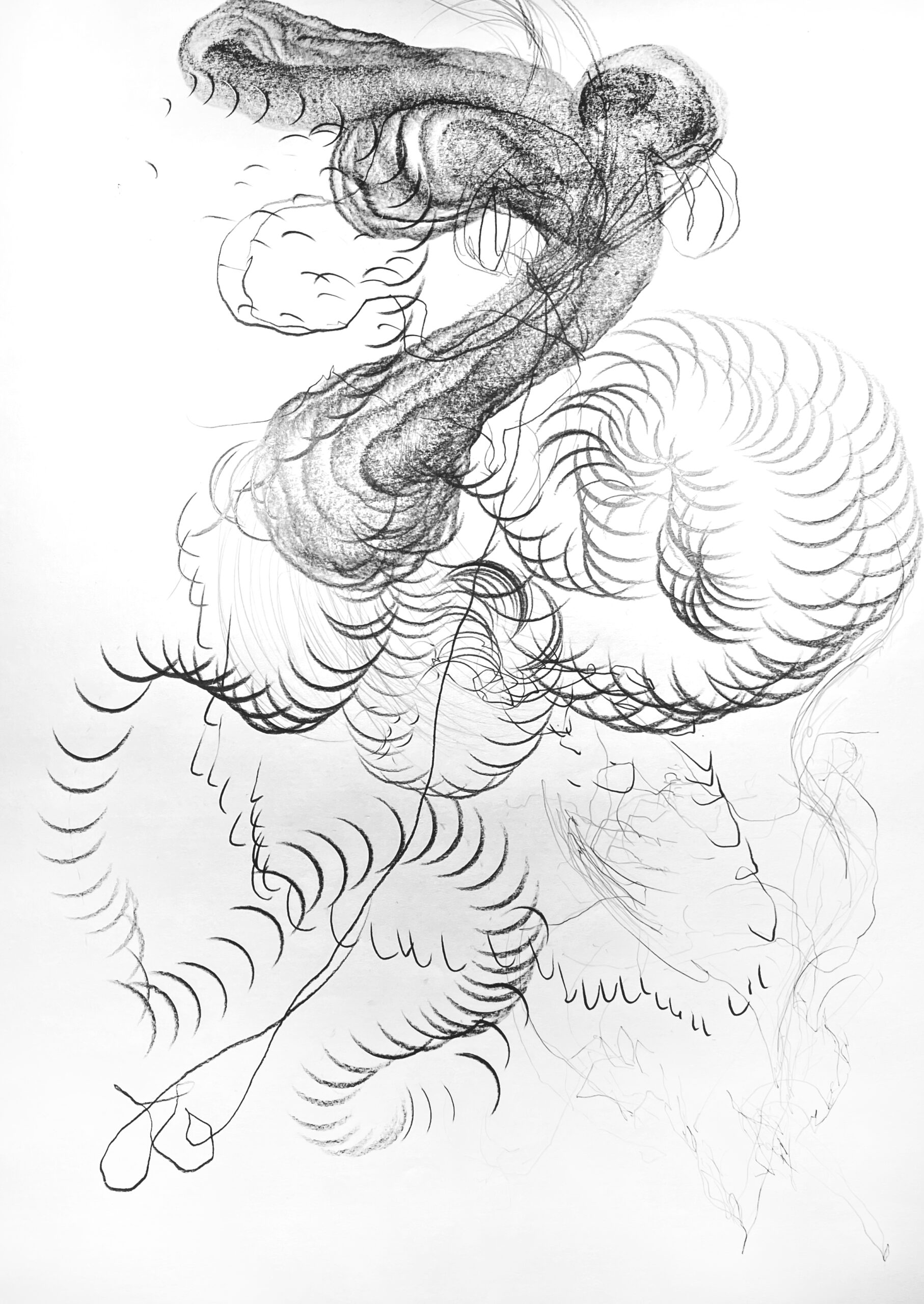
200cm x 150cm
mixed media on ink jet printed paper on canvas
2022

14.11.2021
Santo Noise/Audio Rooms es un media channel web con base en la ciudad de Córdoba, centrado en la trasmisión de programas dedicados al arte sonoro, la música electrónica y el ambient con difusión a través de múltiples plataformas como YouTube, Twitch y Dailymotion.
La producción de los programas se realiza de forma colaborativa junto a instituciones, productoras y comunidades creativas de diversas ciudades de Latinoamérica, Canadá y España.
Artistas:
Claudio Herman Guzman
Ramiro Saravia Liminal
Francesca Bonci
Marcello Mercado /


Viví la experiencia acá: https://bienaldemusicacordoba.com.ar/

02.02.2022
Artistas editados:
Sami Abad
Argentina
Brian Mackern
Uruguay
Marcello Mercado
Argentina
Jorge Castro
Argentina
Margarita Paksa
Argentina
Gabriel Castillo Agüero
Perú
Rolando Apolo
Perú
Arcangelo Constantini
México
Ramiro Saravia
Argentina
Christian Proaño
Ecuador
Nicolás Varchausky
Argentina
Yamil Burguerer
Argentina
Rogelio Sosa
México
Mika Martini
Chile
Renzo Filinich
Perú
Wilson Sukorski
Brasil
Pablo Reche
Argentina
Ignacio Ruz
Chile
Leonel Kaplan
Argentina
Guido Flichman
Argentina
Ricardo Arias
Colombia
Luis Marte
Argentina
Emiliano Hernandez Santana
Venezuela
Santiago Parensón
Argentina
Felix Lazo
Chile
Manuel Rocha Iturbide
México
Inti Pujol
Argentina
Artistas invitados:
RUBÉN GARCÍA [ESPAÑA]
DRUHB [ESPAÑA]
NAD SPIRO [ESPAÑA]
FERRAN FAGES [ESPAÑA]
JAZZNOIZE [ESPAÑA]
TAG MAGIC’S VISUAL CIRCUS [ESPAÑA]
VITOR JOAQUIM [PORTUGAL]
DURÁN VÁZQUEZ [ESPAÑA]
BERNHARD GAL [AUSTRIA]
RYUTA KAWABATTA [JAPON]
KIM KASCONE [USA]


16.09.2021 – 09.10.2021
Bernet Bertram | Berlin
Goethestraße 2–3
D 10623 Berlin-Charlottenburg
Entrance B, across the Courtyard
Aufgang B, über den Hof, Hochparterre
Öffnungszeiten:
Mittwoch bis Freitag, 14 ‑18 Uhr
Sonnabend, 11–16 Uhr
und nach Vereinbarung.
Phone +49 (0)30 32 30 11 33
info[at]bernet-bertram.com

10.05.2021 – 04.07.2021
Curator: Juliana Borges
Videobrasil on line, Sao Paulo, Brasil
Artists:
Coco Fusco, Frente 3 de fevereiro, Kiko Goiffman, Megan-Leigh Heilig,
Lucila Meirelles, Juvenal Pereira, Alyona Larinokova, Caco Souza,
Erin Coates, Fernanda Gomes, Luciana Barros, Marcello Mercado,
Maria de Oliveira, Marta Nehring and Nilson Araújo

FM Module | All Season 2 in one episode | Podcast by FM Einheit

We break in the recap episode of the FM Module by FM Einheit: season 2, with the Big Bang, then explore the Touch, gaze into the Glow, balance Freedom and the Future. Forty selected tracks are woven together into one superintense mixtape.
Participants:
Track list
01. The Paradox of the Big Bang_Reducing Fear by accelerating Danger № 1 (Text: Otto Rössler) from a lecture at transmediale 2018
02. Summertime Sadness (Text: Poetry Machine. Music: FM Einheit)
03. The Paradox of the Big Bang_Reducing Fear by accelerating Danger №2 (Text: Otto Rössler)
04. Requiem for Laika (Text: Andreas Ammer. Music: Ulrike Haage)
06. The dialects of touch №1 (Text & voice: Henning Schmidgen. Music: FM Einheit)
07. Sweet Dreams (Text: Poetry Machine. Music: FM Einheit)
08. The dialects of touch_tactile modernity (Text & voice: Henning Schmidgen. Music: FM Einheit)
09. Zwei Bücherzerreissmaschinen und mehrere kleine mechanische Objekte (FM Einheit, Andrew Unruh & the Anarchivists)
10. touchable_untouchable (Text & voice: Siegfried Zielinski. Music: FM Einheit)
11. Poverty & Proximity (Text: Siegfried Zielinski. Music & voice: FM Einheit)
13. Im Paradies (Text: Andreas Ammer. Music: FM Einheit) from the Radio Drama lost & found: das Paradies
14. Cooking — Composing (Text & voice: Siegfried Zielinski. Music: FM Einheit)
15. Dionysos, Bacchus und der Wein der Antike (Text: Reinhard Stupperich. Voice: Siegfried Zielinski. Music: FM Einheit) from: Dionysos, Bacchus und der Wein der Antike
16. Ajax z.B. (Text: Heiner Mülller. Voices: Sophie Rois, Martin Wuttke. Music: Alexander Hacke, FM Einheit)
17. Beseitigung der Zerstörung (Marcello Mercado)
18. Wine Philosophy (Text: Siegfried Zielinski. Voices: FM Einheit, Siegfried Zielinski. Music: FM Einheit)
19. Digesting Sashimi & Sake (Achim Mohné)
20. ABFALL, BERGLAND, CÄSAR (Text: Werner Schwab )
21. freedom is just another word for nothing left to loose (Text: Kerstin Specht)
22. Inhale Exhale (Text: Poetry machine. Music & voice: FM Einheit)
23. Gedankenfreiheit (Text: Friedrich Schiller. Music: FM Einheit)
24. On the State of Things and Their Potential Movement into the Future (Text: Siegfried Zielinski. Music: FM Einheit)
25. Freedom — from from what / what for? (Text: Siegfried Zielinski. Music: FM Einheit)
26. On the State of Things and Their Potential Movement into the Future – 9-11 (Text: Siegfried Zielinski. Music: FM Einheit)
27.Flusser Haut Fragmente (Text: Villem Flusser. Music: Brötzmann, Einheit)
28. Empedocles 1 — The porous skin as a boundary and as a connection (Text: Empedocles, Siegfried Zielinski. Music: FM Einheit)
29. skin of hard spirit (Text: Poetry machine. Music: FM Einheit)
30. Empedocles 2 — See: The inner fire and the waste (Text: Empedocles, Siegfried Zielinski. Voice: Siegfried Zielinski. Music: FM Einheit)
31. FM (Text: Poetry machine, Voice: Rica Blunck & FM Einheit. Music: FM Einheit)
32. The Skin Inside Your Head (Text & voice: Henning Schmidgen. Music: FM Einheit)
33. Under my skin (Text: Siegfried Zielinski. Music: FM Einheit)
34. River Johnny (Text: Poetry machine. Voice & music: FM Einheit)
35. In the state of vibration there can be no rest. A Theory of Glow — from more than 200 years ago (Text & voice: Siegfried Zielinski. Music: FM Einheit)
36. Realität der Macht_Macht der Realität im 21.Jahrhundert (Text: Peter Weibel. Music: FM Einheit )
37. Stars and a surface (Text: Poetry Machine. Music: FM Einheit)
38. You Scale (Text: Poetry Machine. Music: FM Einheit)
39. in the case of emergency (Text: Andreas Ammer. Music: FM Einheit. Voices: Rica Blunck, safety ballet) from the Radio Drama crashing aeroplanes
40. Fadensonnen (Text & voice: Paul Celan. Music: FM Einheit)

Un acercamiento al problema del lenguaje (pdf)
Diana Milena Reyes Arias
La creación de historias para cine en la
industria de Hollywood se ha extendido
como modelo universal para países como
Colombia, y es este modelo el que se ha
entronizado al interior de las escuelas
o asignaturas que enseñan cómo hacer
cine. El sinfín de manuales de cómo ha-
cer de las ideas historias audiovisuales
exitosas, dejan de lado una discusión
que se pretende abordar desde algunas
consideraciones de autores como Mano-
vich y Carmen Gil, y es si los cambios
de máquinas químicas a las numéricas,
han transformado la poética de las imá-
genes; lo cual lleva a la pregunta ¿qué
es el cine digital?

Connections and Gaps between Artists and Institutions
Media art, which frequently involves data, software, or electronic devices, continues to face the challenge of technological obsolescence. In a previous article, this research project reviewed example models and strategies that media artists have personally developed to prevent artworks’ technical failures and to restore artworks on the edge of obsolescence. The preliminary study also touched on why artists may or may not devote themselves to preservation proactively. For example, an artist may have essential assumptions about their artworks’ life span. Or, an artist may recognize personal preservation efforts as a kind of assistance offered to potential collectors, including institutional conservation initiatives. However, given the diversity of media art, my preliminary research on three artists does not sufficiently reveal variations in or similarities between media artists’ understandings of preservation. Since preservation and conservation are fields often dominated by museums and similar organizations, a contrast also exists between personal and institutional practices.
In order to provide more representative data about how media artists view preservation, this research relies on two larger samples. One consists of seven media artists who contribute to this research as interview participants. The firsthand interview data reveals artists’ genuine perceptions of institution-based preservation work. The other sample is a dataset of media artworks donated by artists to the Museum of Modern Art (MoMA). Ultimately, this research aims to answer the following questions: when do artists and institutions interact with each other for media art preservation? Is there potential for museums to develop more artist-oriented policies and services?
For this research, I selected interview participants randomly from the THESAURUS database of the Archive of Digital Art (ADA) to include media artists with diverse backgrounds and practices. With the scientific selection of hundreds of international artists from about 5,000 evaluated artists, the ADA represents a larger population of media artists. Moreover, it has documented digital art since 1999 and covered various aesthetics, genres, subjects, and technologies involved in media art. Therefore, sampling from the ADA’s database allowed this research to reflect a comprehensive range of media art-making and preservation practices.


02.02.2021
Connections and Gaps between Artists’ and Institutions’ New Media Preservation Efforts
Media art, which frequently involves data, software, or electronic devices, continues to face the challenge of technological obsolescence. In a previous article, this research project reviewed example models and strategies that media artists have personally developed to prevent artworks’ technical failures and to restore artworks on the edge of obsolescence. The preliminary study also touched on why artists may or may not devote themselves to preservation proactively. For example, an artist may have essential assumptions about their artworks’ life span. Or, an artist may recognize personal preservation efforts as a kind of assistance offered to potential collectors, including institutional conservation initiatives. However, given the diversity of media art, my preliminary research on three artists does not sufficiently reveal variations in or similarities between media artists’ understandings of preservation. Since preservation and conservation are fields often dominated by museums and similar organizations, a contrast also exists between personal and institutional practices.
Among the 21 artists contacted, seven artists (see Figure 1)—Ellen Sandor, Jeffrey Shaw, Marcello Mercado, Mark Reaney, Paolo Cirio, Susan Collins, and Yiannis Melanitis—participated in the semi-structured interviews and answered questions listed in Appendix A. Although the non-response rate (see Figure 2a) is admittedly high, the participants were able to provide information that may apply to other cases given the variety of their artistic practices (see Figure 1). Nonetheless, one limitation is that the distribution of participants’ gender is imbalanced (see Figure 2b) even though the numbers of female and male artists (10 vs. 11) among the 21 potential interviewees were very close.

Santo Noise/Audio Rooms es un media channel web con base en la ciudad de Córdoba-Argentina, centrado en la trasmisión de programas dedicados al arte sonoro, la música electrónica y el ambient, del Festival Santo Noise, con difusión a través de múltiples plataformas como YouTube, Twitch.tv, y Dailymotion.
La producción de los programas se realiza de forma colaborativa junto a instituciones, productoras y comunidades creativas de diversas ciudades de Latinoamérica, Canadá y España.
Curador: Jorge Castro


29.09.2020 – 24.01.2021
Beethoven moves
Curated by Andreas Kugler, Jasper Sharp, Stefan Weppelmann and Andreas Zimmermann
Kunsthistorisches Museum Wien
Maria-Theresien-Platz, 1010 Wien
Austria
Artists
Ludwig van Beethoven, William Turner, Jan Cossiers, Francisco Goya, Rodin, Caspar David Friedrich, Robert Rauschenberg, Marcello Mercado, Idris Khan, , Vija Clemens, Jorinde Voigt, Anselm Kiefer, Rebecca Horn, John Baldessari, Jean-Michel Basquiat, Olafur Eliasson, Alfred Stieglitz, James Abbott McNeill Whistler, Cy Twombly, Joseph beuys, Guido van der Werve, Ernst Schwitters, Laurence Stephen Lowry, NASA, Alfred Eisenstaedt, Christine Sun Kim, Ulf Aminde, Dick Higgins, Issa Boling, Paula Noll, Katie Paterson, Ronja Sperneder, Emma Francis, Magdalena Grausam, Renata Felinto
Beethoven bewegt,
Kunsthistorisches Museum Vienna,
2020
![]()