Marcello Mercado
Curves, compost, forecasts and closures
10´51” color stereo
Performance
2020
https://vimeo.com/manage/videos/429117688
Marcello Mercado
Curves, compost, forecasts and closures
10´51” color stereo
Performance
2020
https://vimeo.com/manage/videos/429117688
Marcello Mercado
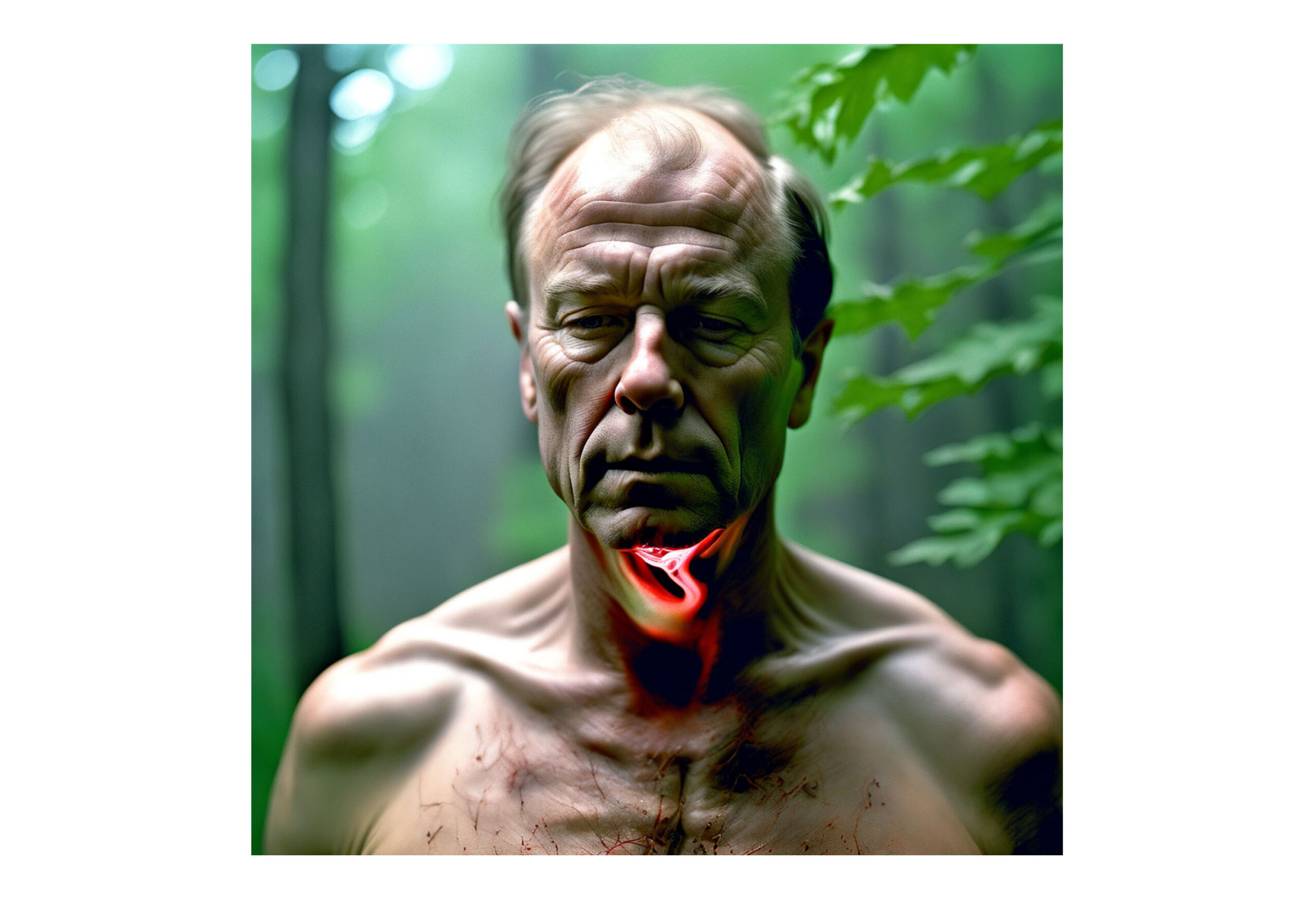
The green that surrounds you
AI-Book, 268 pages,
2023
263 ways of looking at Metahumans / 263 formas de ver a los metahumanos / 263 Sichtweisen auf Metamenschen.
DURING THE STORM
Photographs, 2020
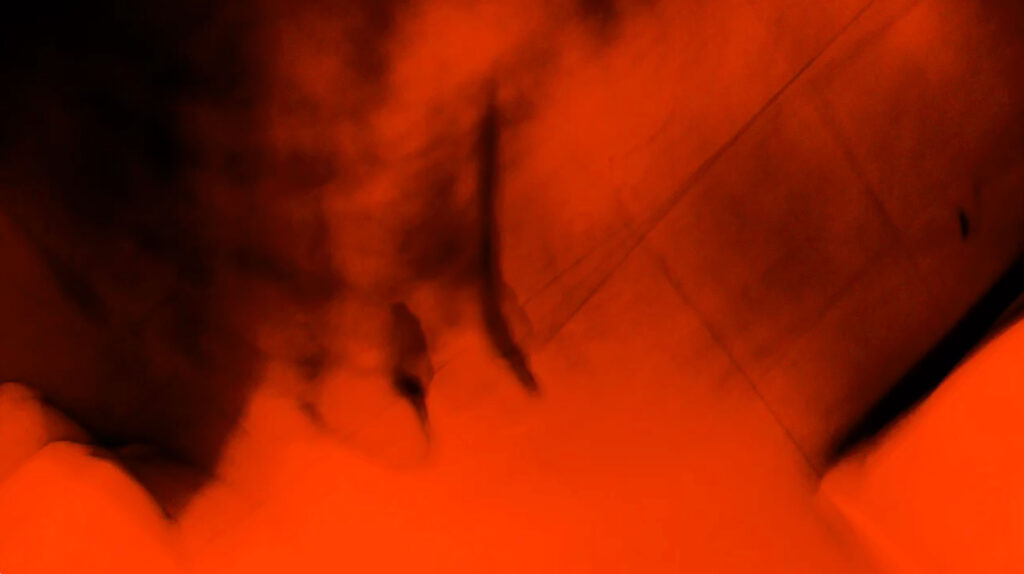
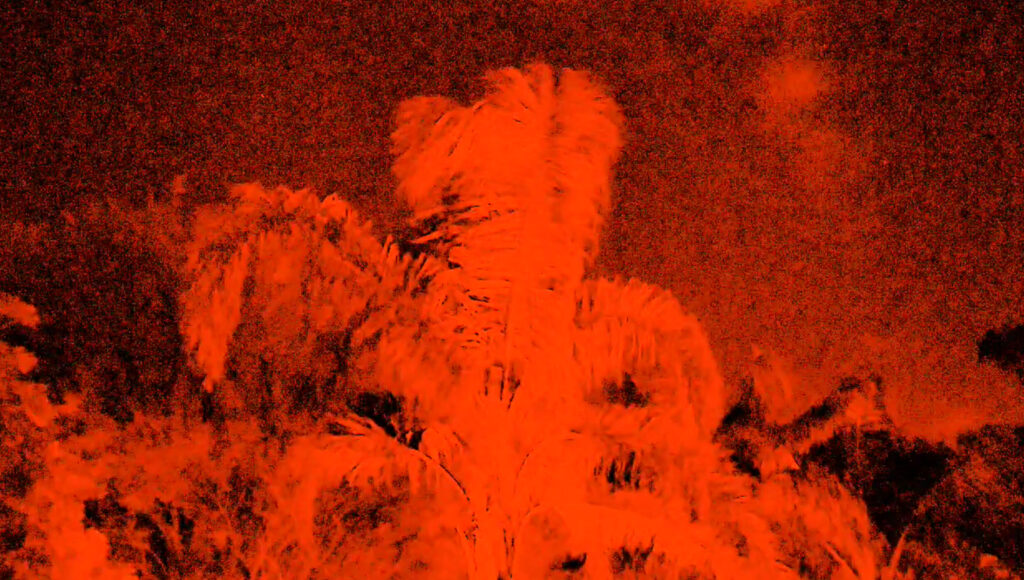
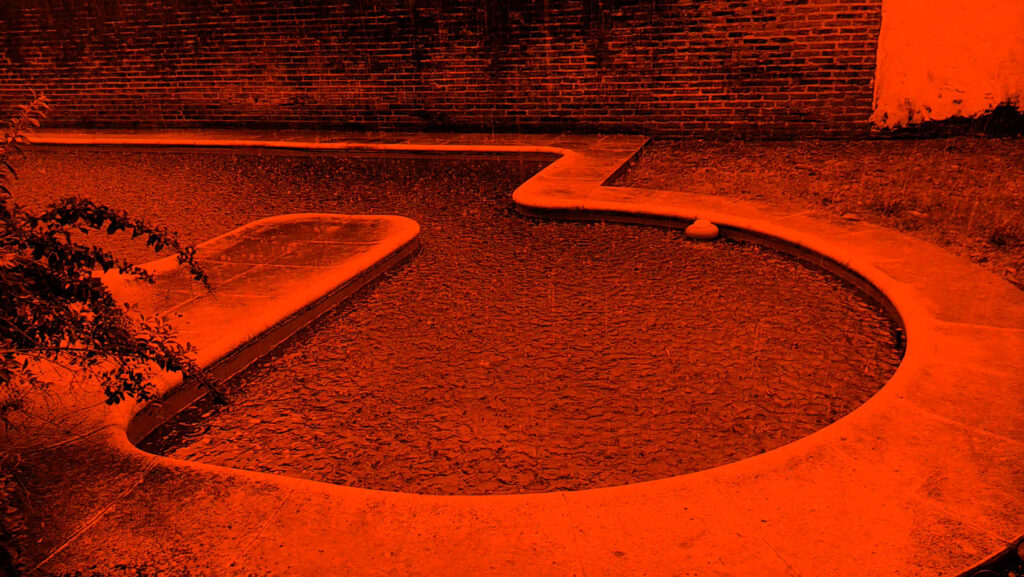
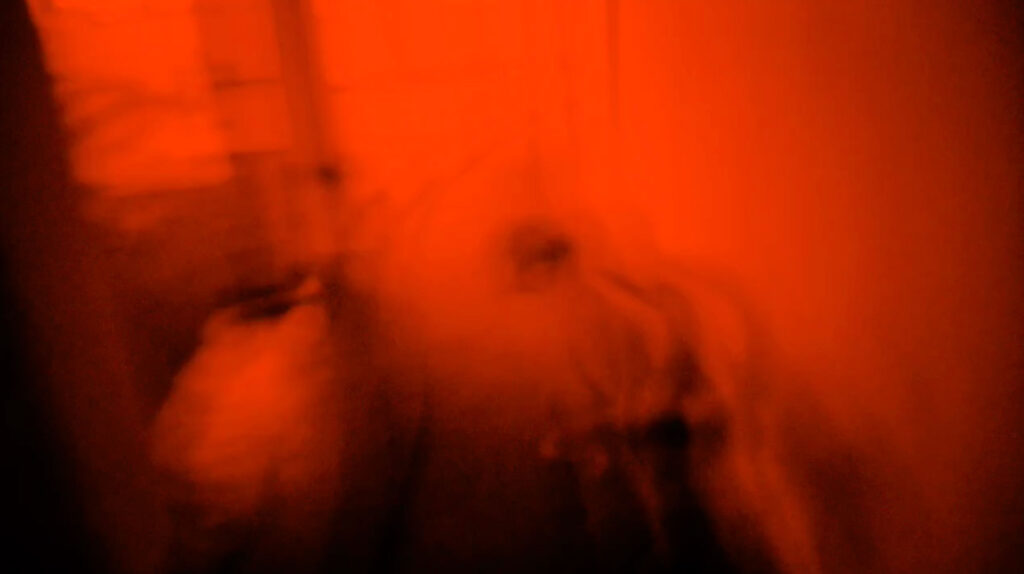
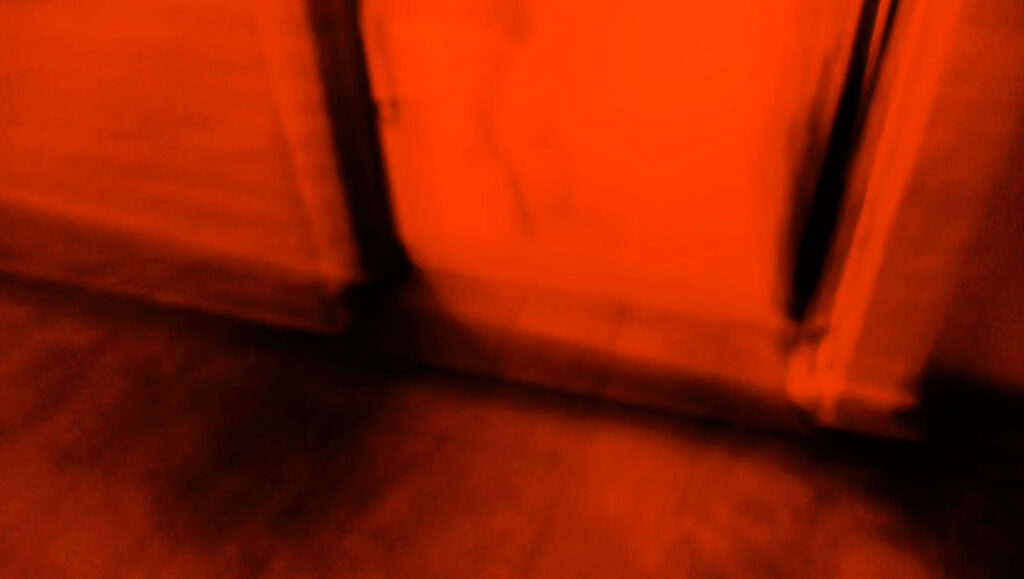
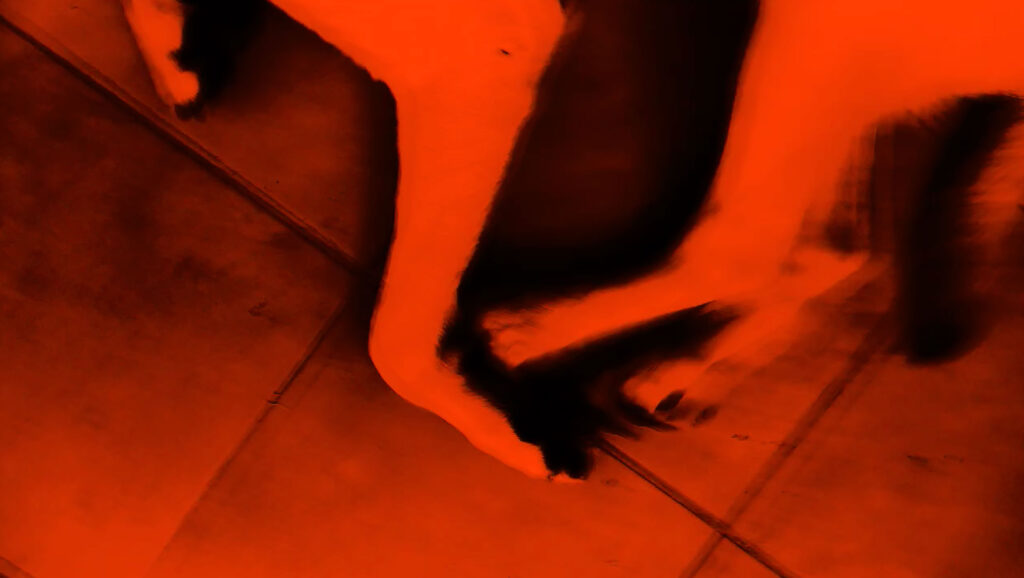
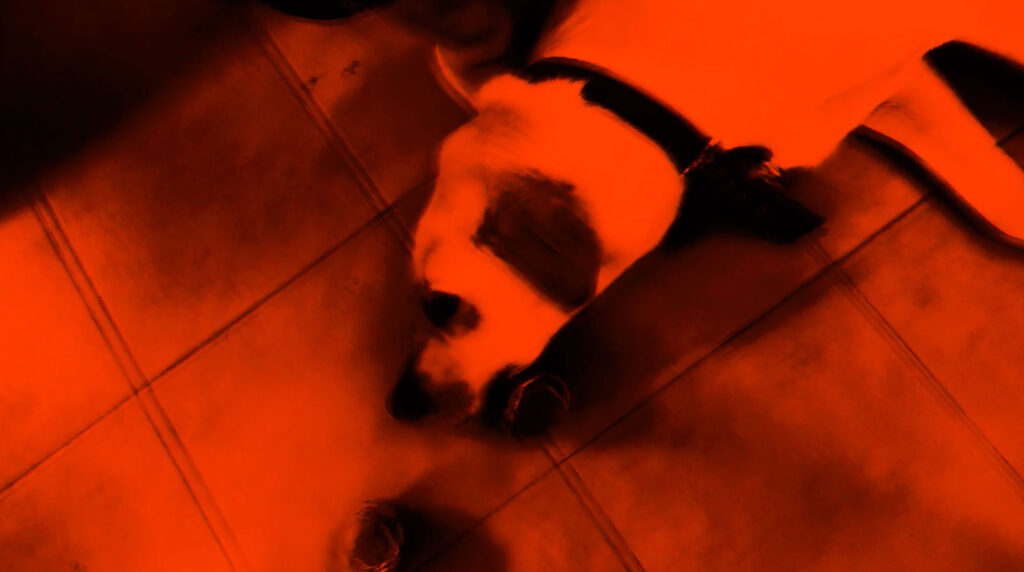
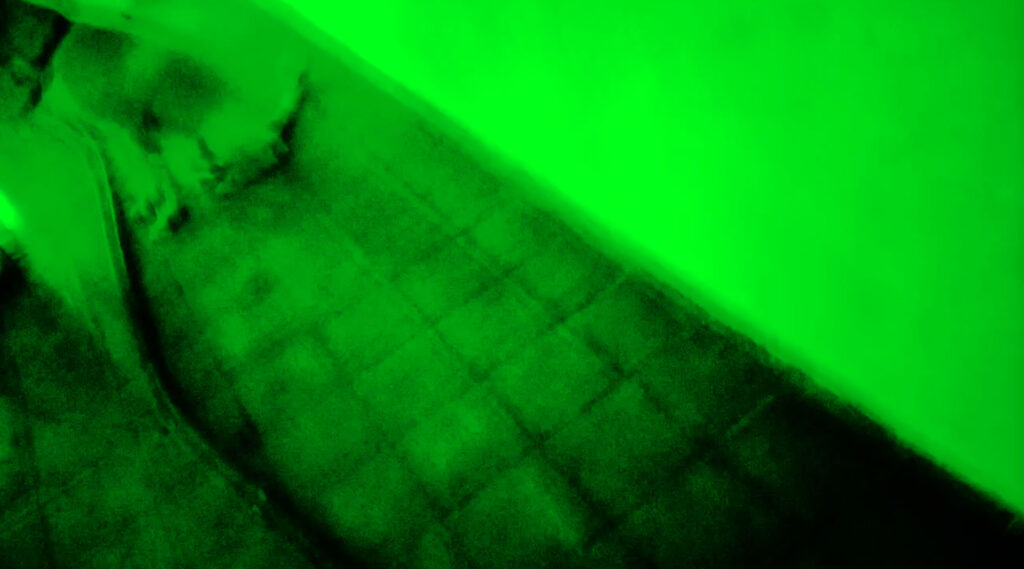
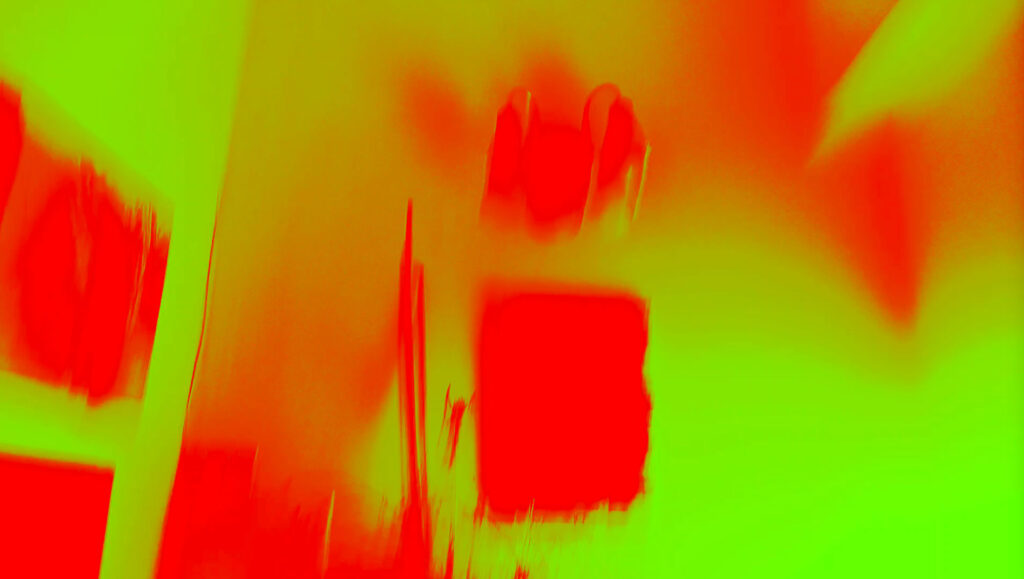
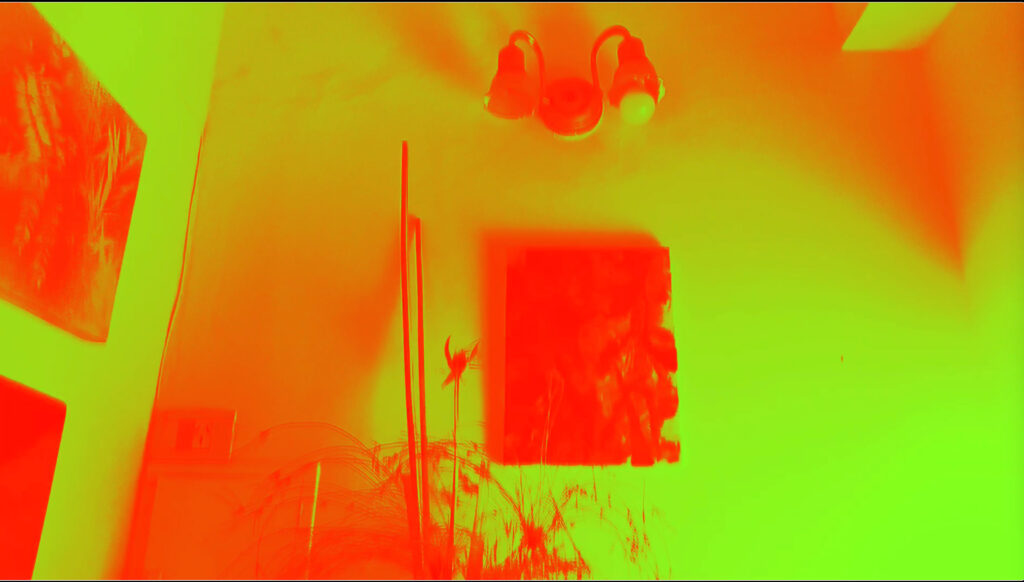
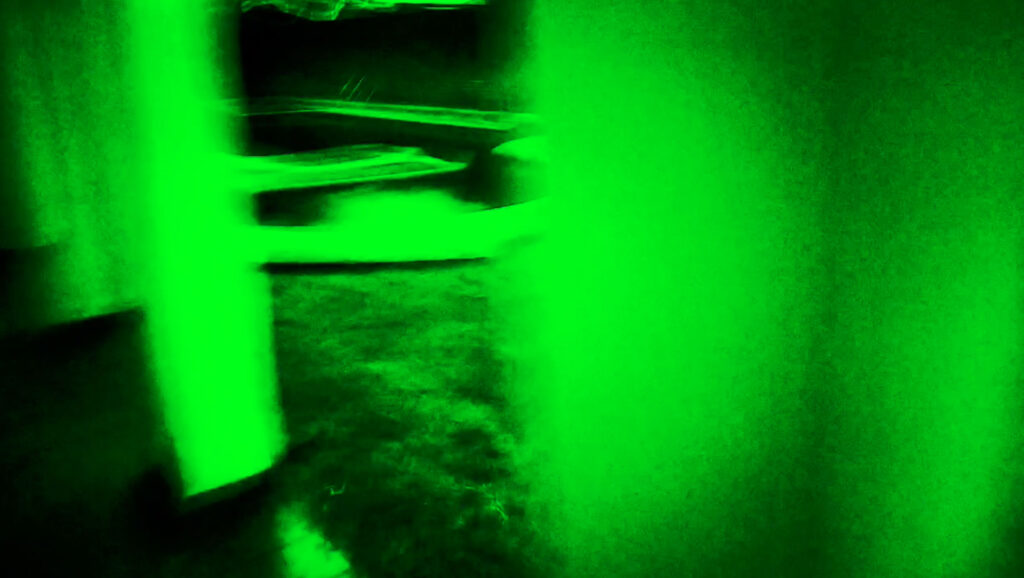
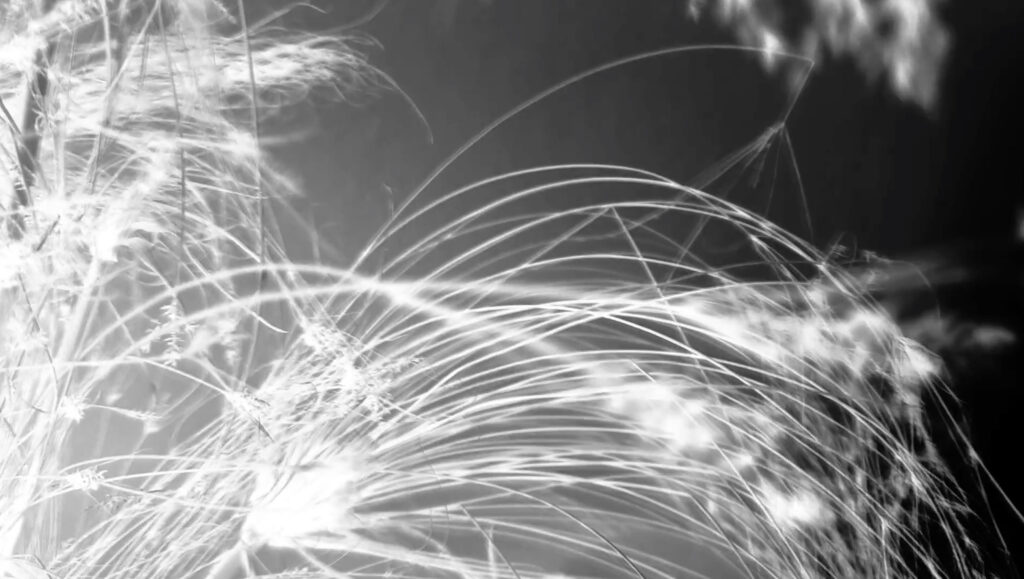
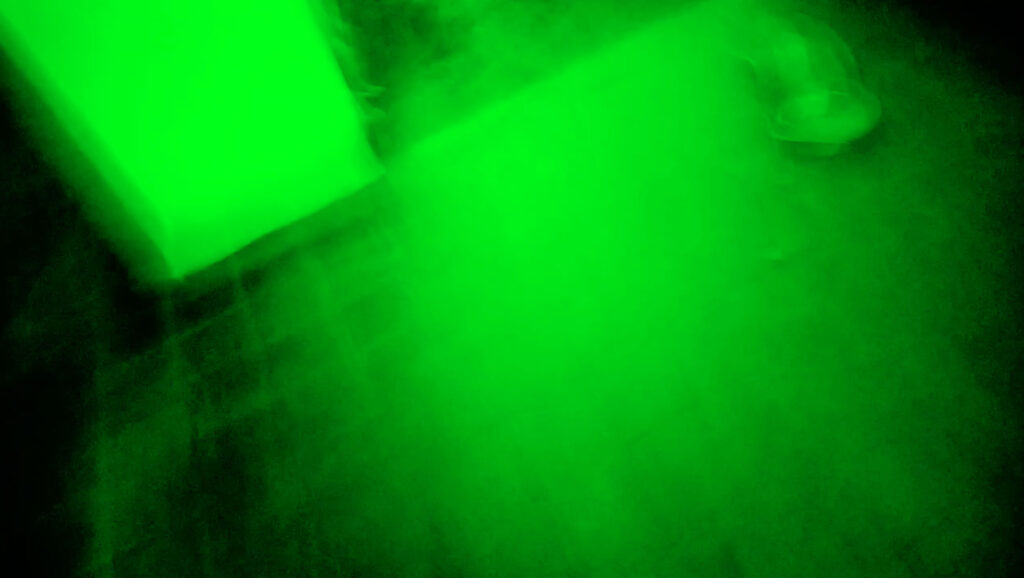
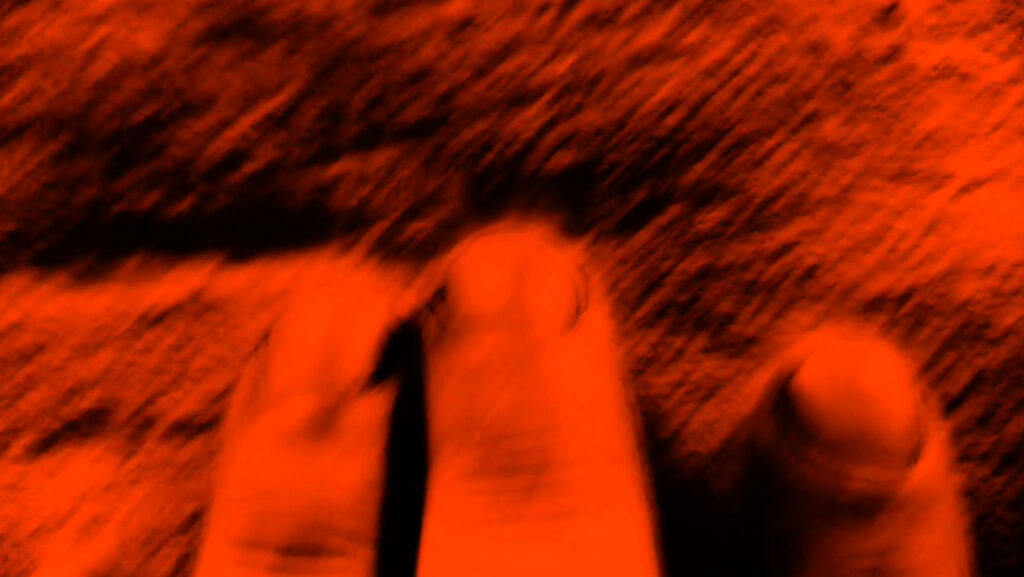
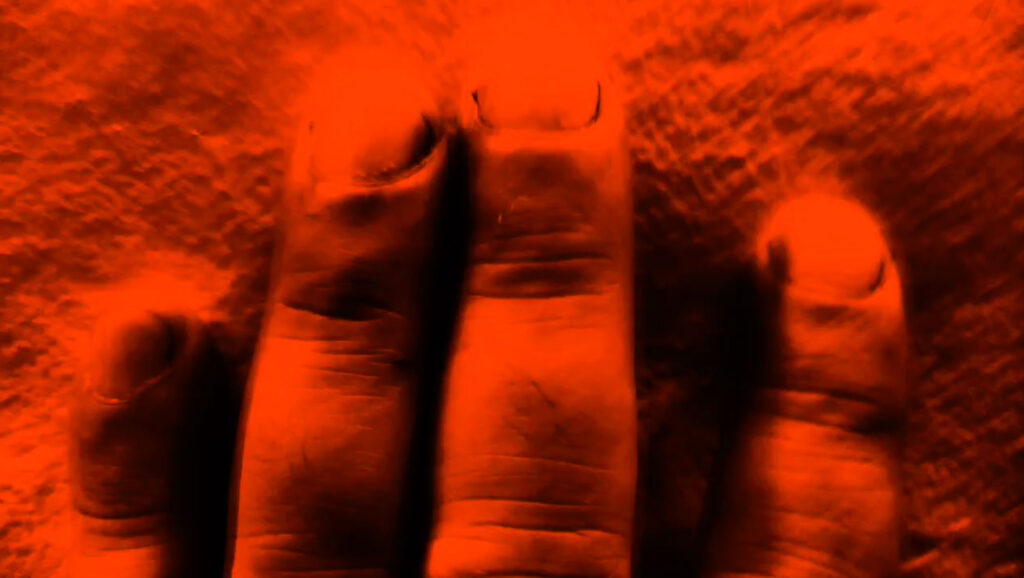
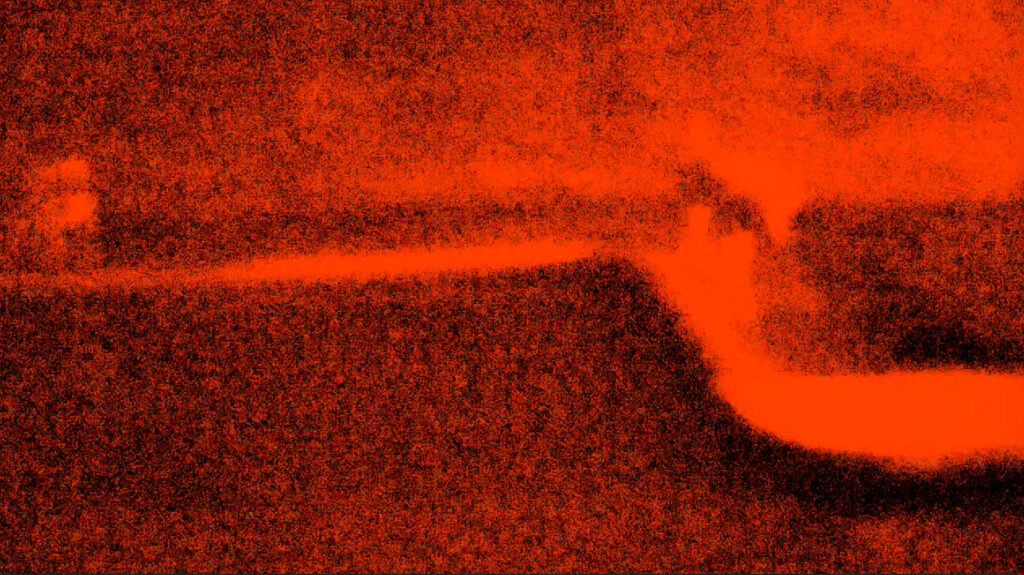
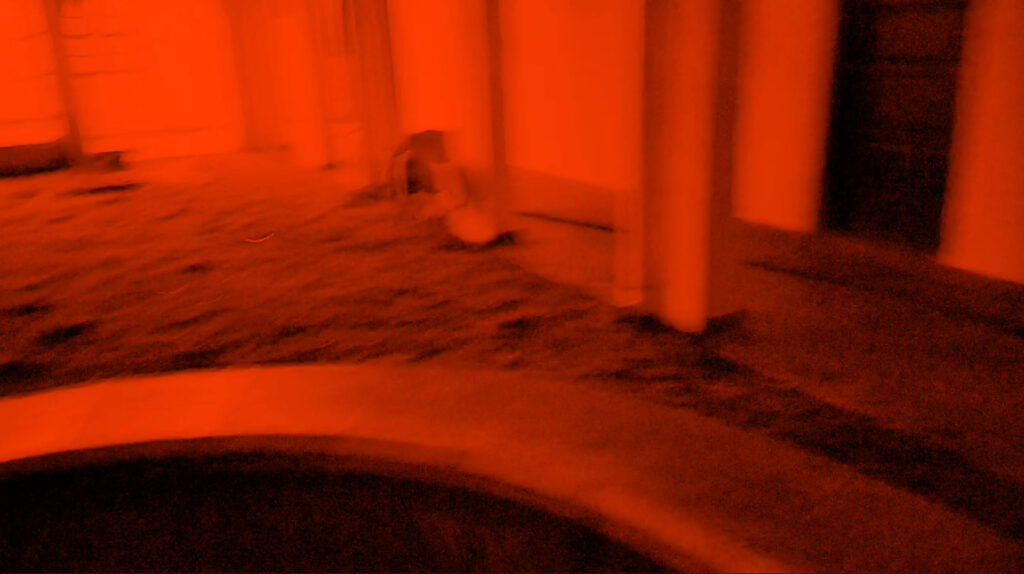
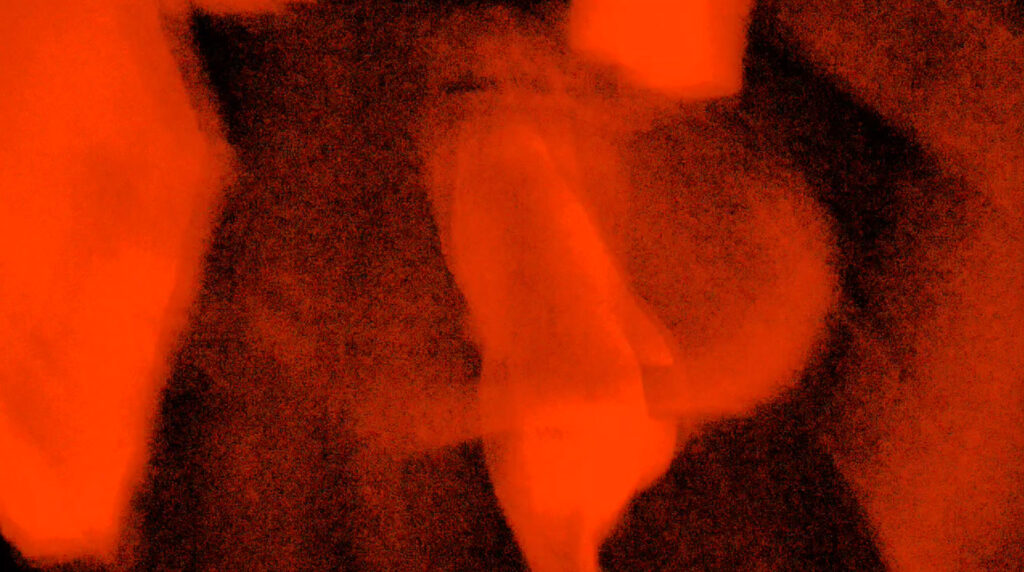
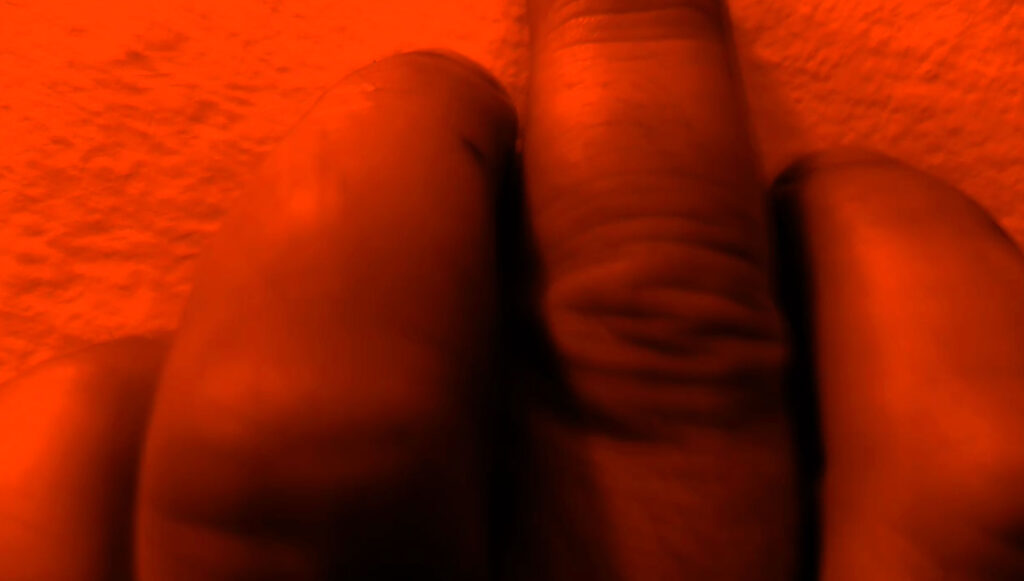
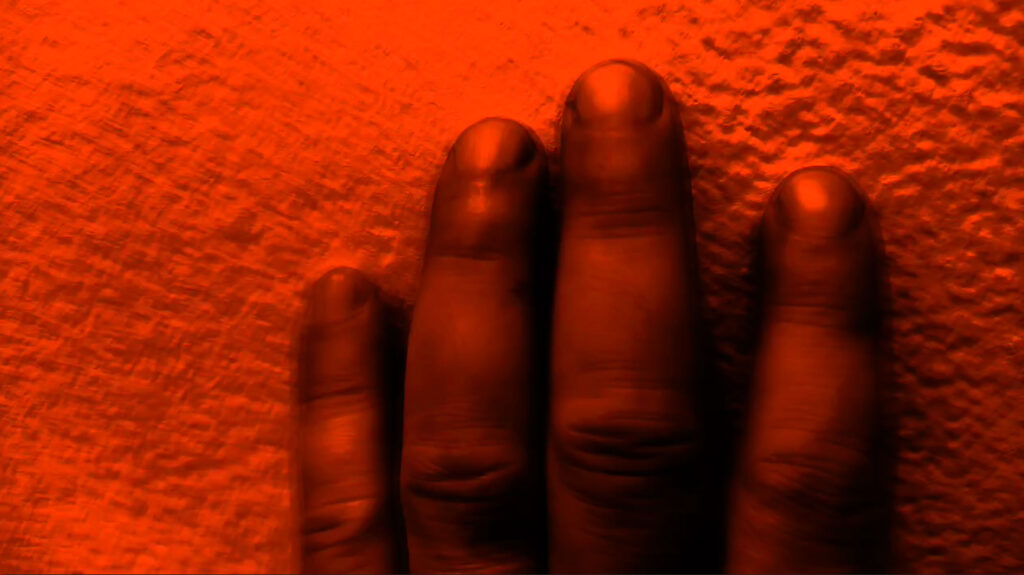
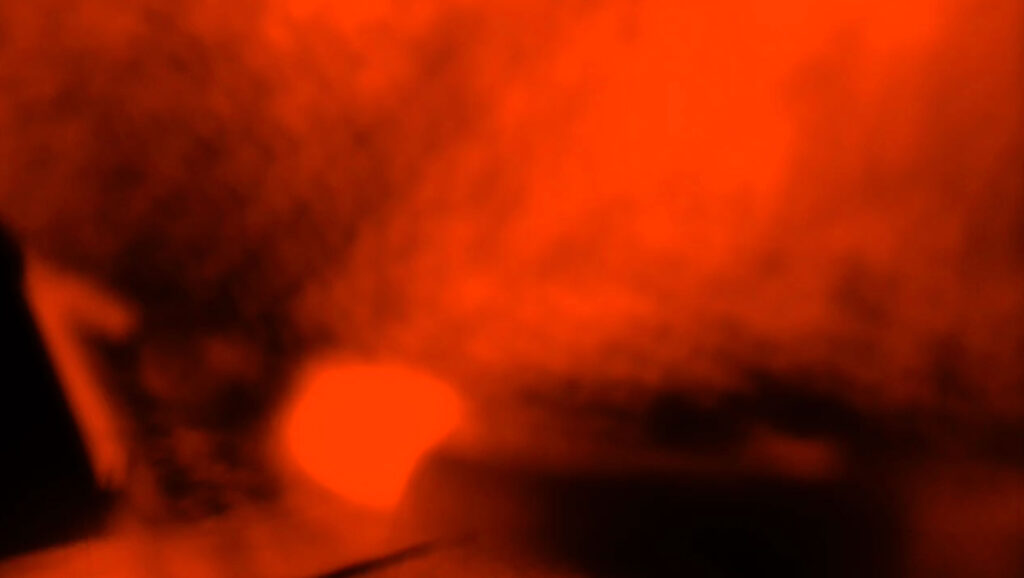
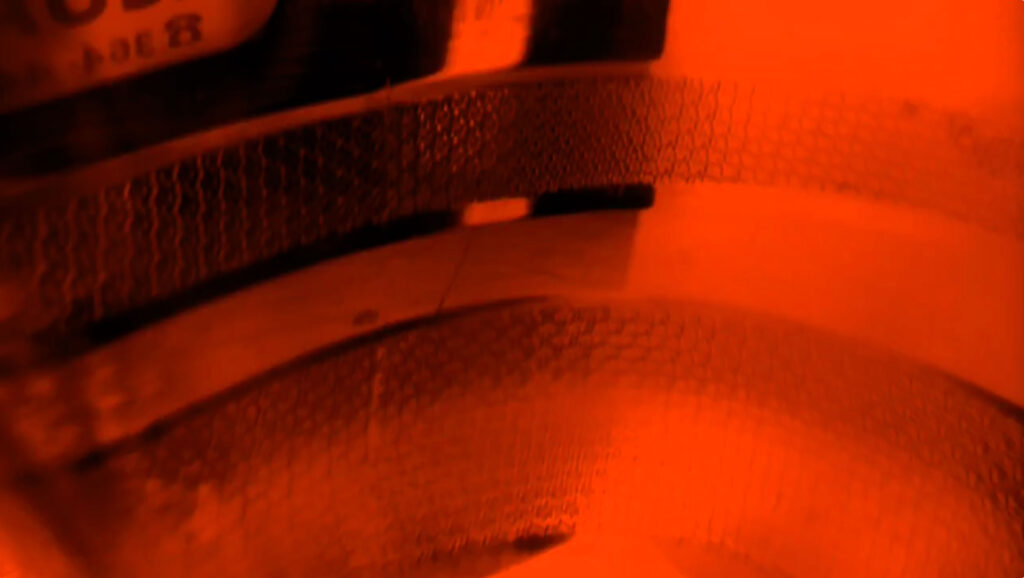
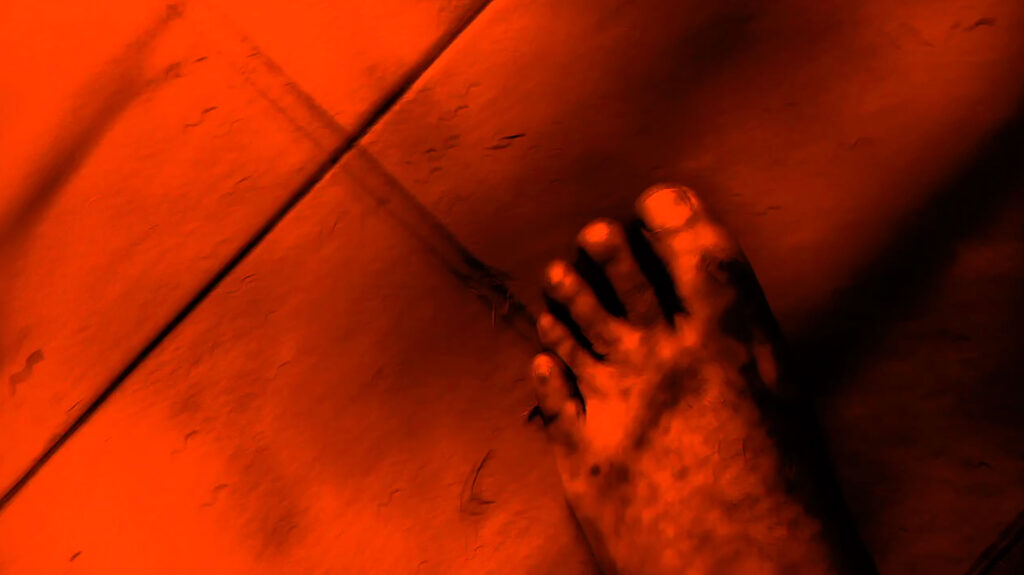
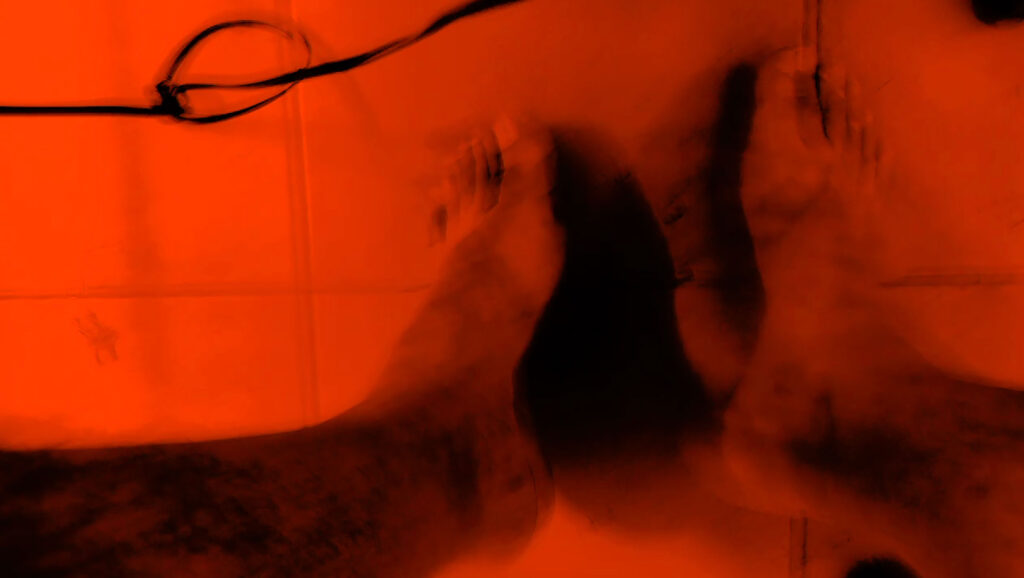
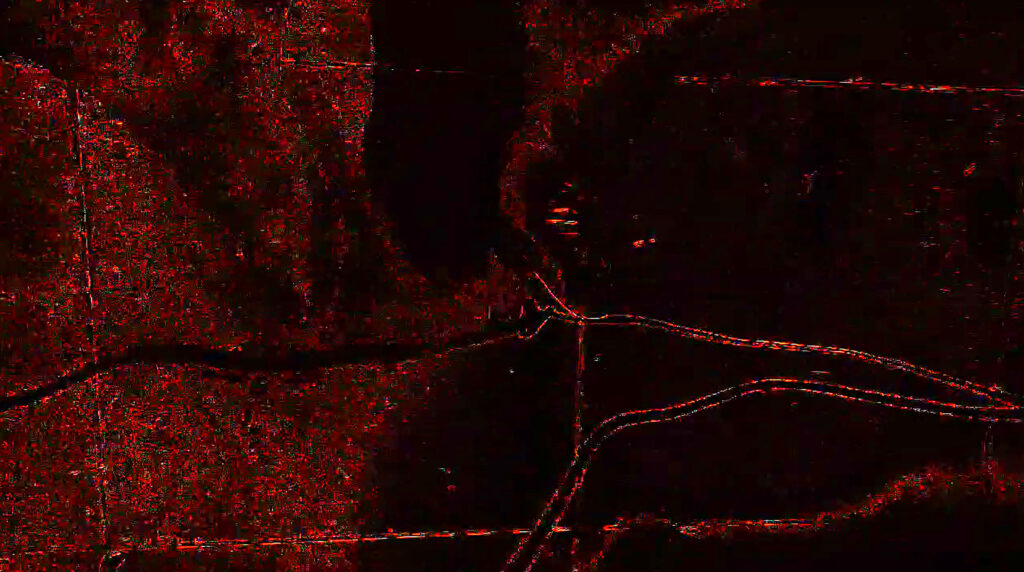
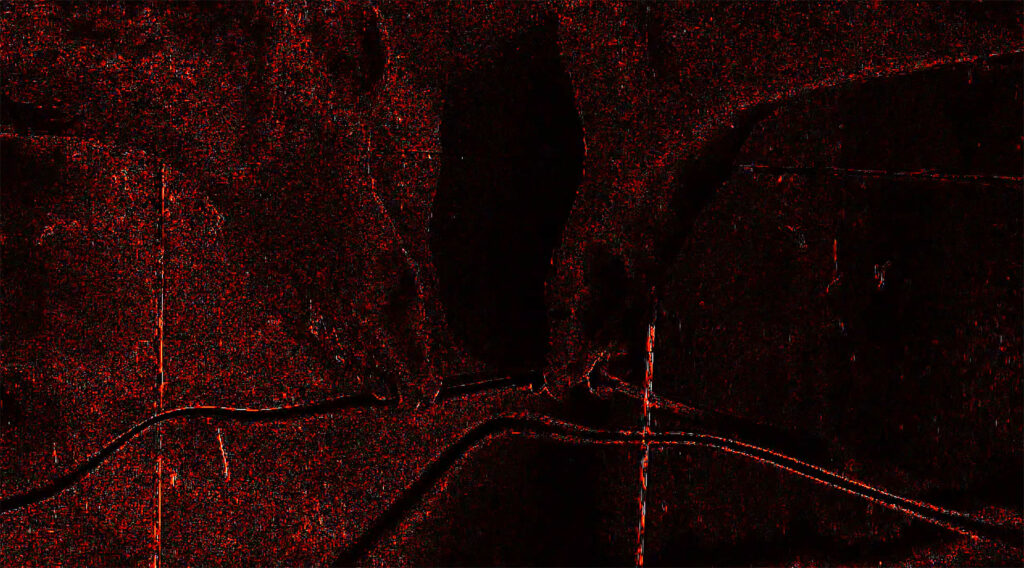
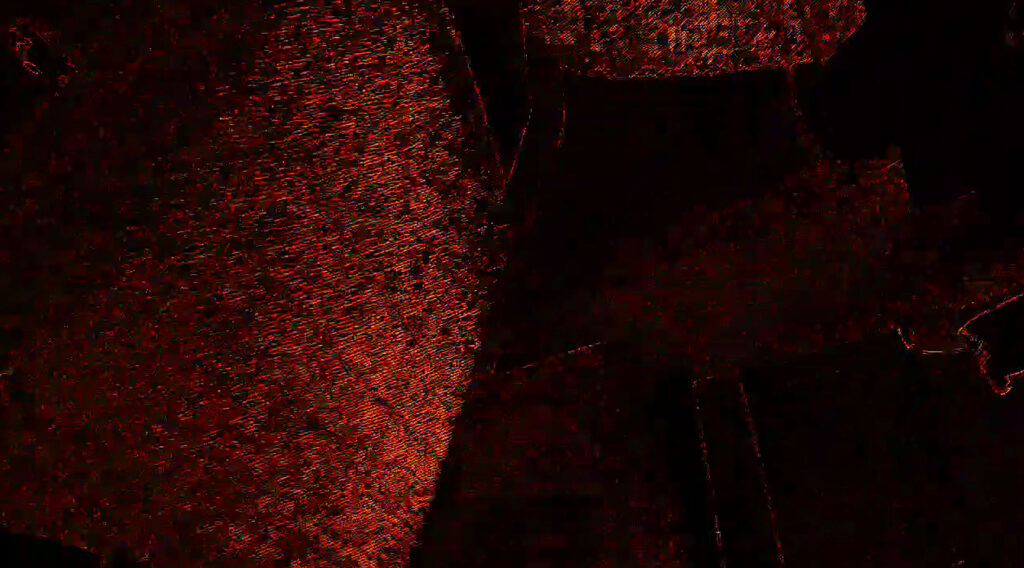
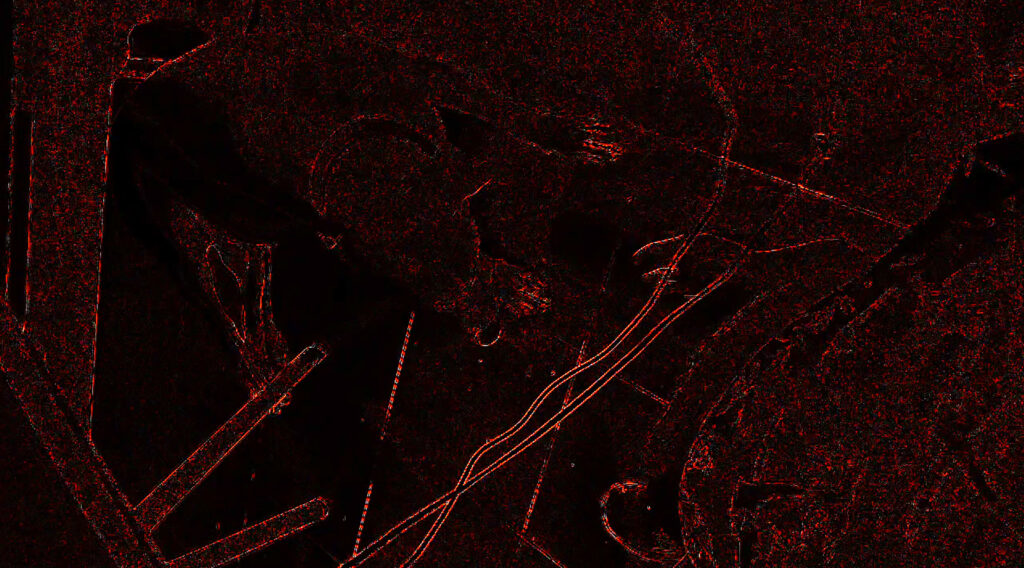
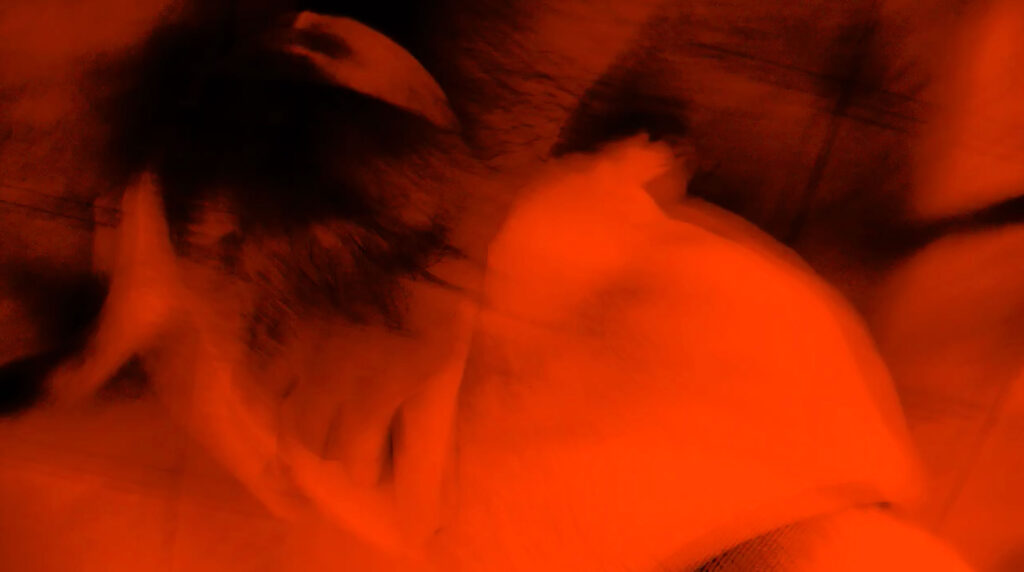
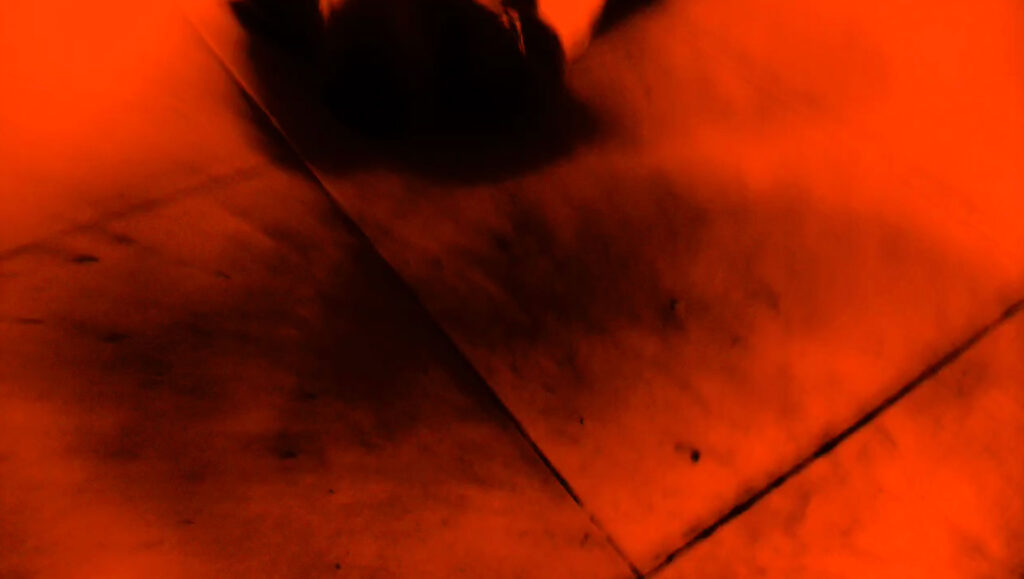
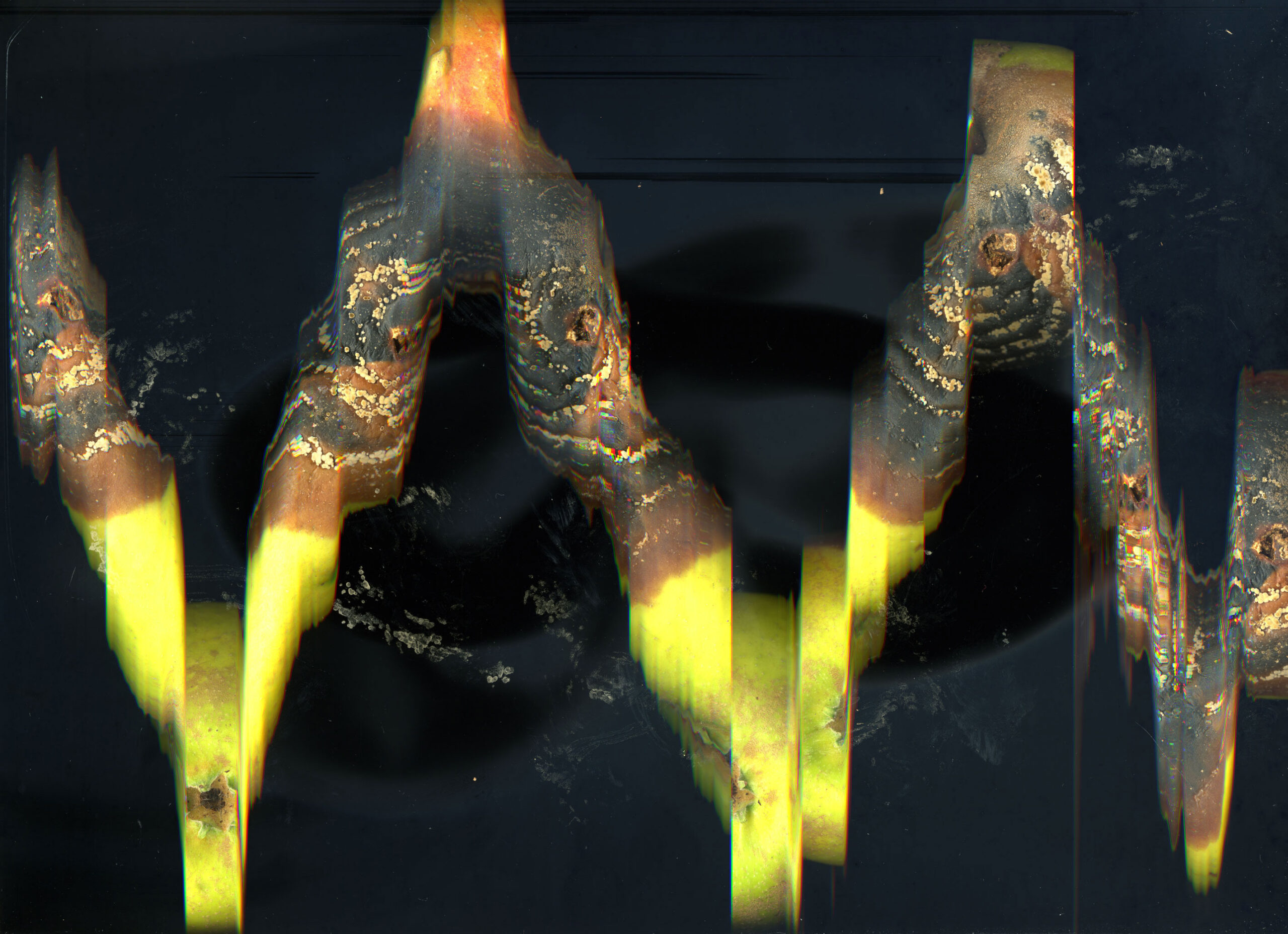
These images were produced during a storm using a night-vision camera. Yet the storm functions only as the initial condition of a more complex event. What the series records is the transformation of perception when human vision is displaced by an optical regime foreign to it.
The camera produces another world.
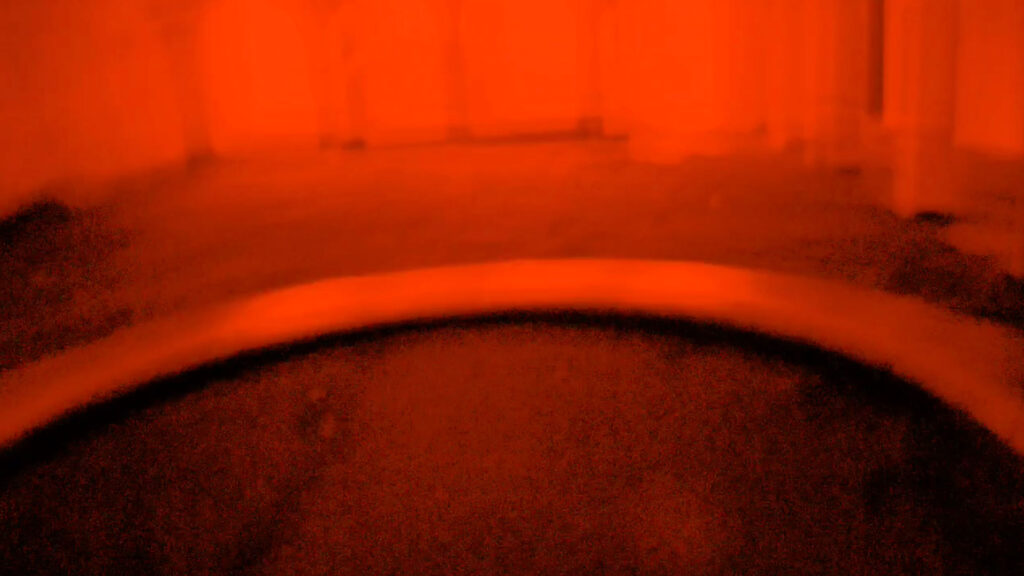
Garden, domestic architecture, water, vegetation, and body are subjected to the same process of visual disintegration. Objects lose stability, distances become uncertain, and forms oscillate between appearance and disappearance. The image ceases to operate as a surface of recognition and becomes instead a field of intensities.
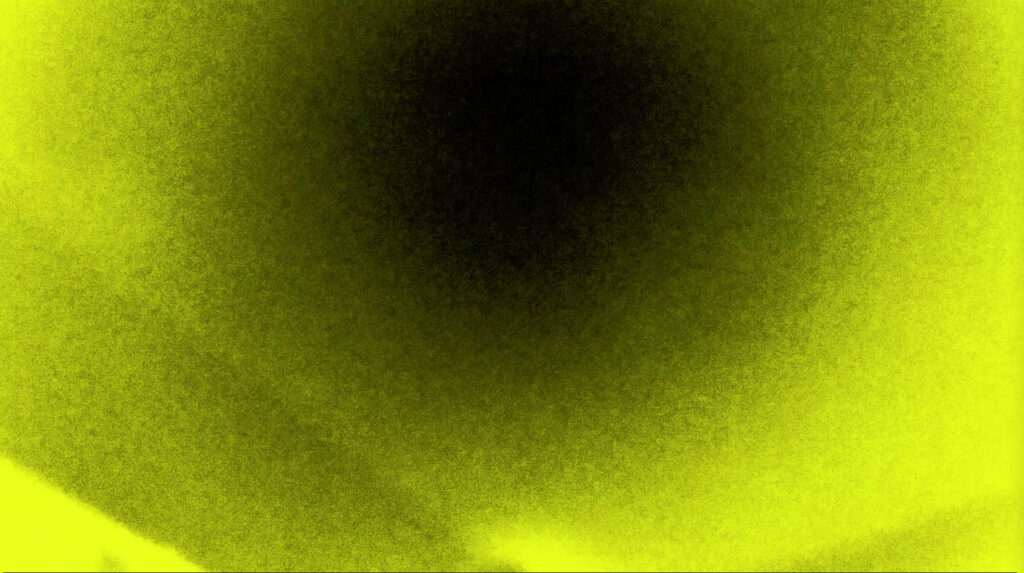
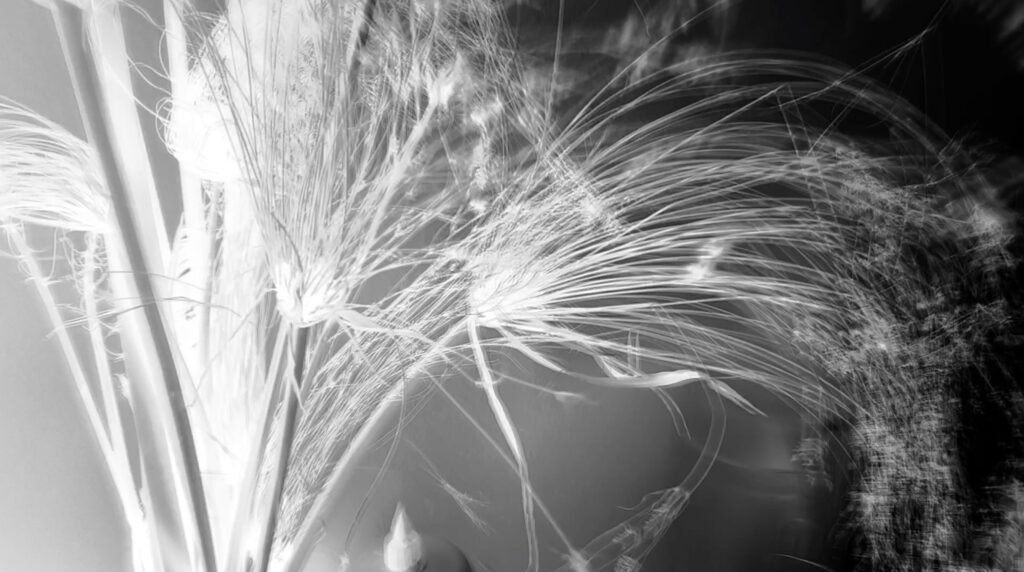
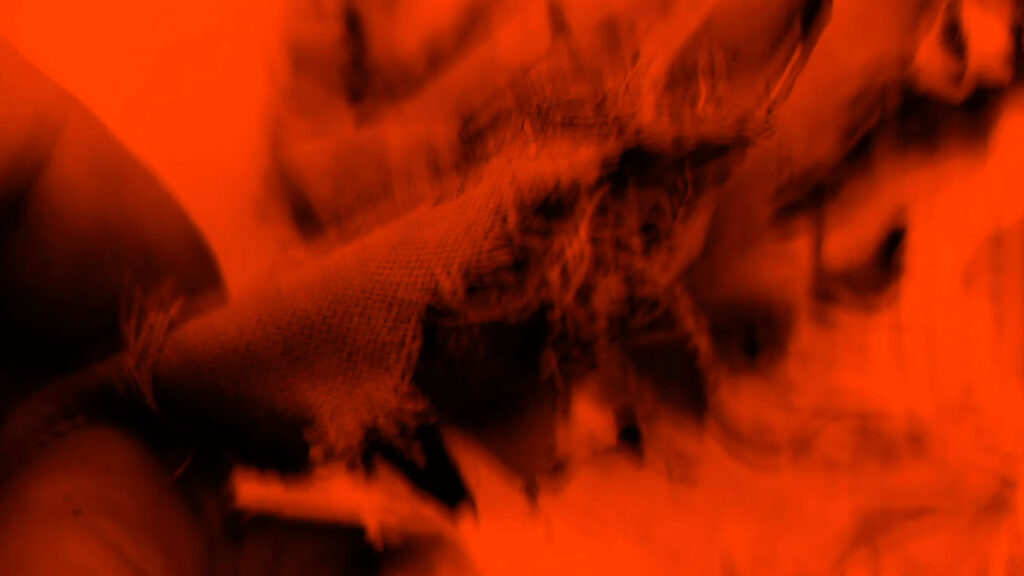
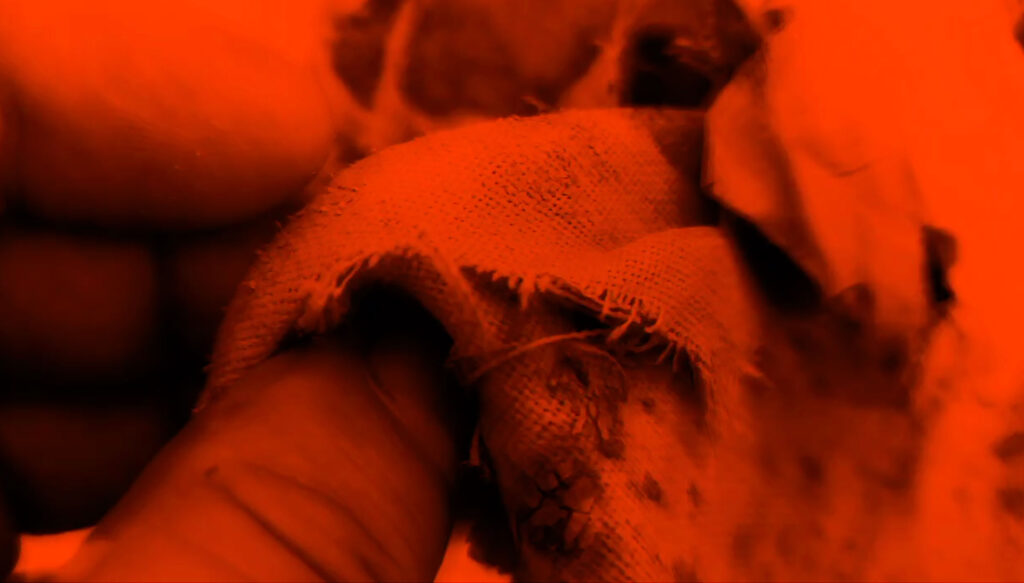
The violent reds, phosphorescent greens, spectral negatives, and electronic grain do not represent the night. They are the visible traces of a device confronting the limits of observation. Photography no longer describes the world; it records the operations required to construct it.
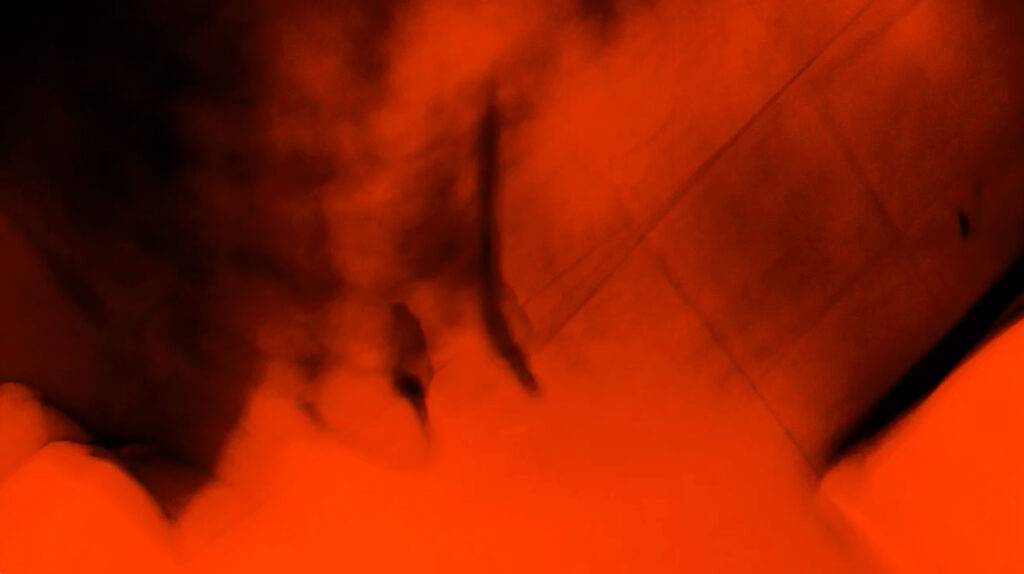
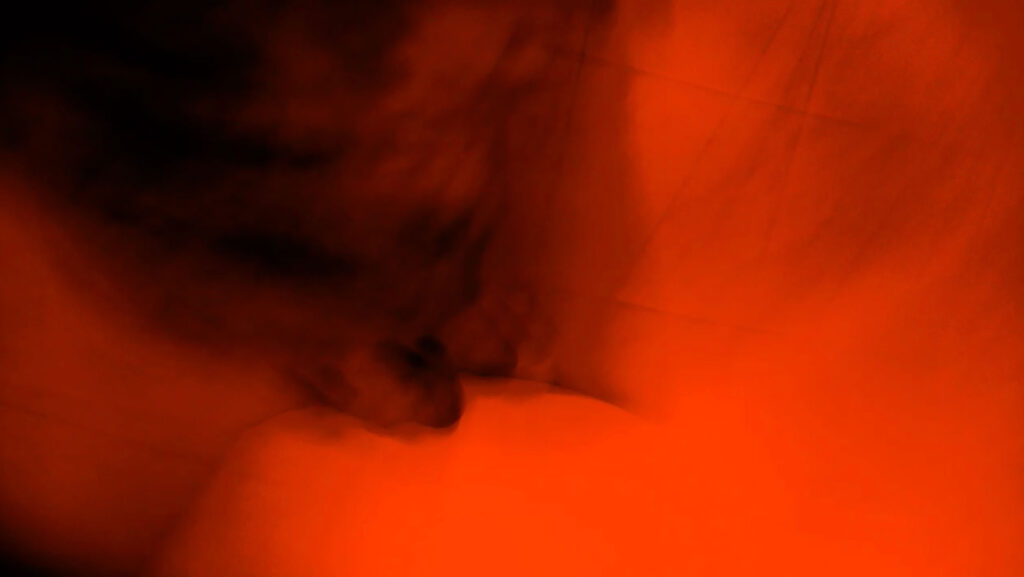
As the series unfolds, the distinction between exterior and interior begins to dissolve. The garden and the house are subjected to the same perceptual instability. Even the photographer’s own body is absorbed into the system of registration: fingers, wounds, fragments of skin, and involuntary movements emerge as evidence of a presence that no longer fully controls the image it produces.
The storm acts as an agent of disorganization—not only upon the landscape, but upon the act of seeing itself. Vision becomes uncertain, tactile, and bodily. Objects cease to exist as stable entities and instead appear as fluctuating concentrations of light within a continuously transforming environment.
These photographs occupy an ambiguous territory between document, physiological experience, and machinic perception. They do not depict what occurred during a stormy night. They reveal the emergence of a world that can only exist when darkness, atmosphere, body, and technology cease to function as separate systems.
What remains is the trace of that instability: an archive of vision at the precise moment it loses the ability to recognize what it sees.


 #
#




Marcello Mercado
The First Fifteen: 2000s in Photographs
Photography
2018
(Spanish)
Marcello Mercado
Los primeros quince: la década del 2000 en fotografías
Fotografías
1998
(German)
Marcello Mercado
Fotografie
1998

Marcello Mercado
bacterialcompositionsmusicalnotations – Part II
Notations
2023
Marcello Mercado
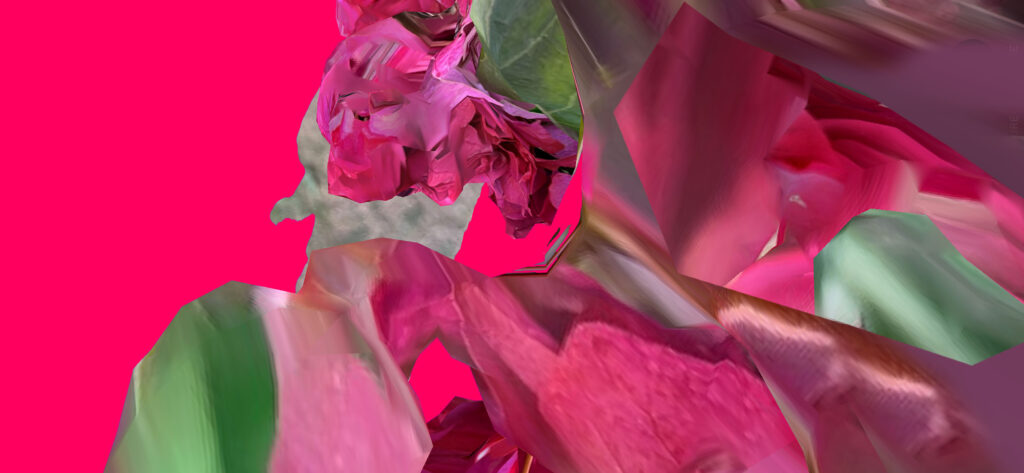
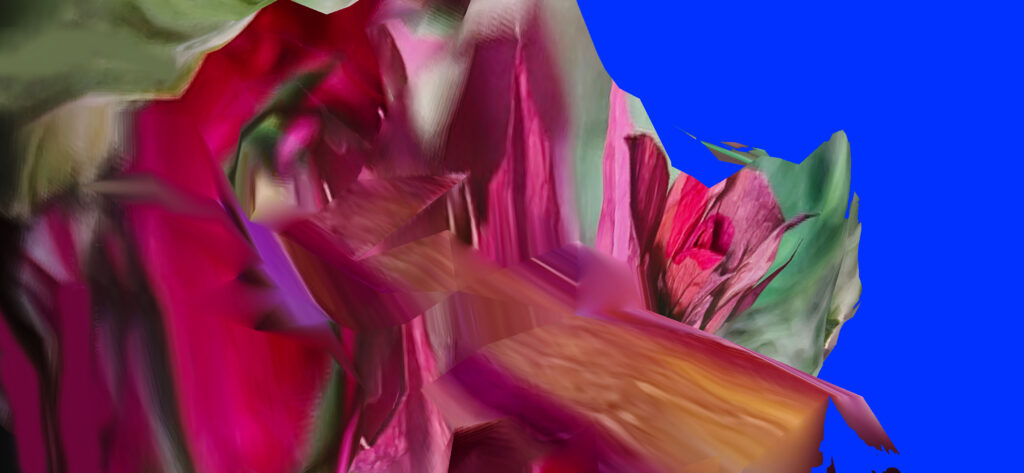
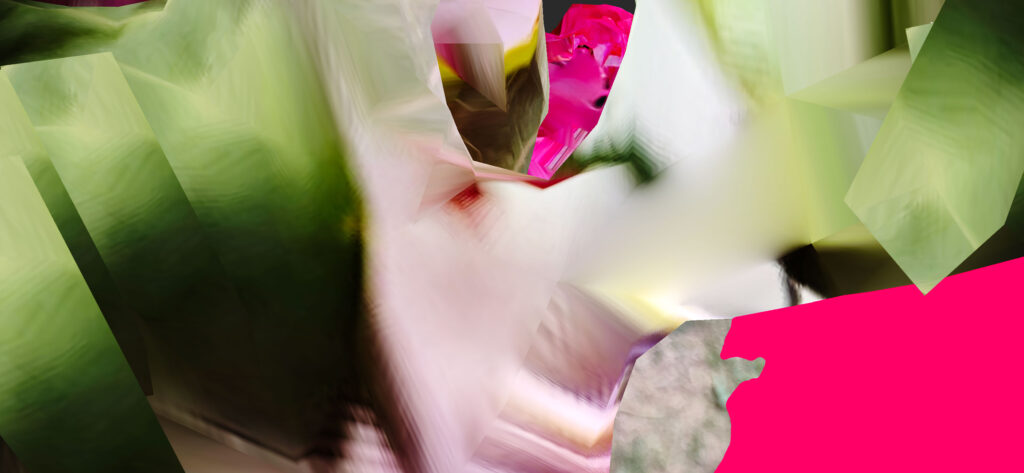
VR Painting – Still VR Film
2023



Marcello Mercado
Variations Van Gogh
multi-channel installation systems
7-channel video installation, drawings, books, photography, sound sculpture, DNA – objects
6 m x 2,50 m 236.2 in x 98.4 in
2012–2015 / ongoing (updated 2026)
Grant for Media Art 2013 of the Foundation of Lower Saxony
at the Edith-Russ-Haus for Media Art,
Oldenburg, Germany
The artwork is no longer the object.
It persists as an archival structure under conditions of loss.

ARCHIVE – INSTALLATION
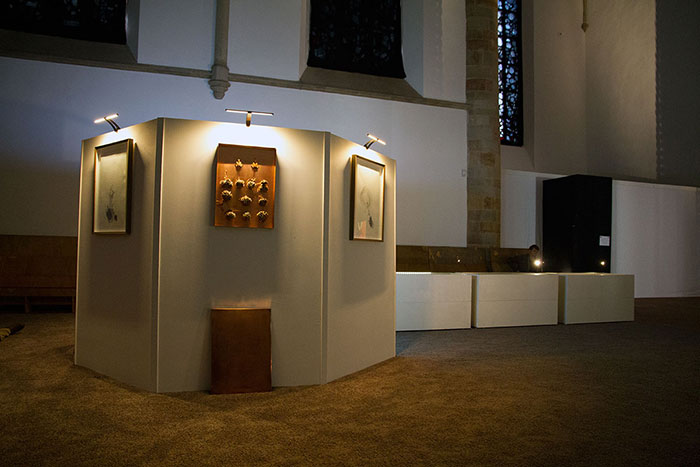
fig.00.Kunsthalle Osnabrück, European Media Art Festival, 2015
The yellow tones from Van Gogh’s sunflower paintings are extracted using a digital color sampling process in Photoshop. Each chromatic instance is transcribed as a hexadecimal (RGB) value, thereby translating pigment into numerical data. These values are then printed, shredded, and introduced into a composting system mediated by Californian red worms.
The resulting material, an accumulation of decomposed paper and organic residue, functions as a substrate for planting new sunflower seeds. This establishes a transformation sequence in which color becomes data, data becomes material, and material supports biological growth.
By converting pigment into code, code into fragmented matter, and matter into a biological substrate, the work operates on archival structures. The painting’s history is not preserved as a stable form, but rather decomposed and redistributed across material, computational, and biological states.


fig.01. Hexadecimal Compost: The Pipette, the Palette, and the Decomposition of Colour

fig.02. Hexadecimal codification of chromatic data (RGB values)

fig.03. The approximately 280 extracted yellow tones were materialized as printed swatches on paper,
subsequently shredded and subjected to a composting process mediated by worms.

fig.04. Hexadecimal compost


Fig. 05. Sunflower seeds, hexadecimal compost, and algorithmically reconstituted sunflowers

Fig. 06. Final installation: Object 1 — copper box 01 containing DNA preserved in test tubes and sunflower samples

Fig. 07. Final installation: Object 2 — copper box 02 containing six packets of hexadecimal compost
The DNA of the cultivated sunflowers was meticulously extracted through enzymatic protocols, each enzymatic sequence facilitating the dissolution of vegetal structures, allowing genetic material to be isolated and collected in test tubes—transforming the biological trace into an archival specimen at the intersection of organic life and media process.

fig.08. Extraction of sunflowers´DNA
The DNA of the cultivated sunflowers is extracted through enzymatic protocols. Each step facilitates the breakdown of plant tissue, allowing genetic material to be isolated and collected in test tubes.
The extracted DNA is preserved as a material record within the system, positioned between biological substrate and media process.

fig. 09. Biocuration: DNA Performance, Kassel, 2012 (basement, first floor, second floor)
The seven sunflower images are algorithmically transcribed into textual data and transmitted via satellite into outer space.
In this variation, the paintings are converted into text-based information and displaced from the pictorial domain to an orbital transmission system. The images are no longer maintained as visual entities; they are reformulated as data streams.
This operation establishes a condition in which archival material is processed through transmission rather than storage. The work does not preserve the image; it redistributes it across a non-terrestrial communication infrastructure.
The project references NASA’s OSIRIS-REx mission, which included a public call (#WeTheExplorers) inviting global participants to submit images and data to be embedded in a digital archive aboard the spacecraft. This context situates the work within existing frameworks of planetary-scale data circulation.
Within this variation, Van Gogh’s sunflower paintings are treated as elements of a speculative archive. Their visual form is converted into textual information and transmitted beyond Earth’s atmosphere, extending the system into a non-local domain.


fig. 09. Variation Satellite
fig. 10. Variation Satellite
fig. 11. Variation Satellite
fig. 12. Variation Satellite
fig. 13. Variation Satellite
fig. 14. Variation Satellite
fig. 15. Variation Satellite
fig. 16. Variation Satellite
In this variation, aerial data acquisition is used to identify and extract chromatic distributions associated with sunflower fields. The landscape is processed as a dataset, where color is not observed but measured, mapped, and translated into spatial and computational coordinates.
The resulting data does not reconstruct an image. It produces a topological model in which chromatic information is distributed across a mapped terrain.

fig. 17. This part of the project was realizefig.10.Soest, The Netherlands: Work zone
The objective of this variation was the conservation and storage—for future generations of artists—of the Dutch yellow tonalities as they might have been perceived by Van Gogh himself.
Two drones conducted aerial surveys over an area of approximately 20 hectares near Soest, The Netherlands, collecting nearly one terabyte of ortho-photographic data to construct a comprehensive 3D mapping project.
This endeavor was not solely concerned with capturing yellow hues; it encompassed a broader attention to color saturation, luminosity values, vibrational qualities, and chromatic contrasts within the total environment—trees, soil, water, reflective surfaces—situating Van Gogh’s palette in an ecological and atmospheric context.
The drones were programmed to associate specific altitudes with precise hexadecimal values corresponding to Van Gogh’s sunflower palette, effectively scanning and filtering the yellow tones vertically:
Example correlation:
10 cm → #8B8B00
20 cm → #EEEE00
30 cm → #FFD700
etc.
The fusion of ortho-photography and topographical mapping yielded a 3D archival model—a digital topography of yellow tonalities—serving as both an artistic artifact and a speculative repository.
The accompanying soundscape consisted of a synthetic voice systematically reciting the 280 hexadecimal codes derived from Van Gogh’s sunflowers, transforming numerical color data into an acoustic register.
Example: “Number sign eight B eight B zero zero” (where “number sign” denotes the symbol #, also known in German as Doppelkreuz or Raute).
The resulting digital model was preserved as a “Van Gogh Perceptive File”, an archival construct designed to be retrievable in scenarios of environmental degradation, climate change, planetary catastrophe, or profound alterations in the qualities of light itself—a poetic gesture toward future conditions of perception.

fig.18. Soest, The Netherlands: Work zone: Drones view

fig.19. 3D Model and mapping

fig.20. 3D Model and mapping

fig.21. 3D Model and mapping

fig.22. 3D Model and mapping
Virtual navigation of the cemetery of Auvers-sur-Oise using the Google Earth interface.
Access is restricted.
A boundary condition is encountered.
The system produces anomalies:
– Incomplete visual data
– Interface interruptions
– Automated notifications (“user not updated”)
– Repetition of the name “Van Gogh” across mapped locations
The image is not accessed directly.
It is mediated through interface constraints and data gaps.
Sound is generated through the conversion of chromatic data into text and synthetic voice.
Archive Method: Interface traversal


fig. 23,24, 25. Van Gogh’s grave. Auvers-sur-Oise, Francefig.19.Van Gogh’s grave. Auvers-sur-Oise, France
fig.20.Google street glitches
Seven images of Van Gogh’s Sunflowers are processed through sonogram software and converted into sound data.
Image → sound.
No visual output is maintained.
The work operates as an acoustic archive.
Archive Method: Sonographic translation


fig.26. Software: Virtual ANS: A Software simulator of Synthesizer ANS
B. The seven sound archives were combined and transformed into a single 3D object in real time, translating sonic information into spatial form.
C. The resulting 3D object was materialized as a physical artifact, produced in plastic using 3D printing technology.


fig.27. 3D-Sound-Object printed on plastic
D.
Sunflowers images were transformed into sound and subsequently reconstituted as new images, completing a cycle of translation between visual and acoustic forms.


fig.28.Sunflowers images were transformed into sound and subsequently reconstituted as new images, completing a cycle of translation between visual and acoustic forms.

fig.29.Final installation: Object 3, a copper box containing a 3D sound object accompanied by three sound-glitch photographs.
Musical notations generated by robots and inscribed onto staff paper.
Graphic scores produced through automated processes.
Mechanical inscription replaces manual writing.
Title: The Variations Van Gogh Opera
Publication: Van Gogh Variations: Compositions for Small Motors and Robots (2014)
82 pages, 20.5 × 25.5 cm, 500 g
Archive Method: Automated inscription

fig.30. “Van Gogh Variations: Compositions for small Motors and Robots”,
82 pages, 20,5 cm x 25,5 cm, 500g, 2014

fig.31. “Notations – Van Gogh Variations: Compositions for small Motors and Robots”, 2014
01.Das Gelb in der Ferne. Larghissimo
(01. The yellow in the distance)
02.Ich sehe Zeichnungen. Andante
(02. I see drawings)
03.Charles Bargue und Jean-Léon Gérôme Duett. Appassionato
(03. Charles Bargue and Jean-Léon Gérôme Duet)
04.Arie der Besucher. Agitato
(04. Aria of the visitor)
05.Vincent Monolog. Pesante
(05. Vincent monologue)
06.Abschied von Arles. Lacrimoso
(06.Farewell to Arles)
07.Todesmotiv. Lento
(07.Death motif)
08.Finalterzett. Trionfante
(08.Final trio)
09. Archive Variation: Language – Code
The seven Sunflowers paintings are transformed into text and translated into an invented language.
Alphabetic conventions are suspended.
The system operates outside standard encoding structures.
The output is not readable.
It persists as a residual code state.
Archive Method: Non-standard encoding
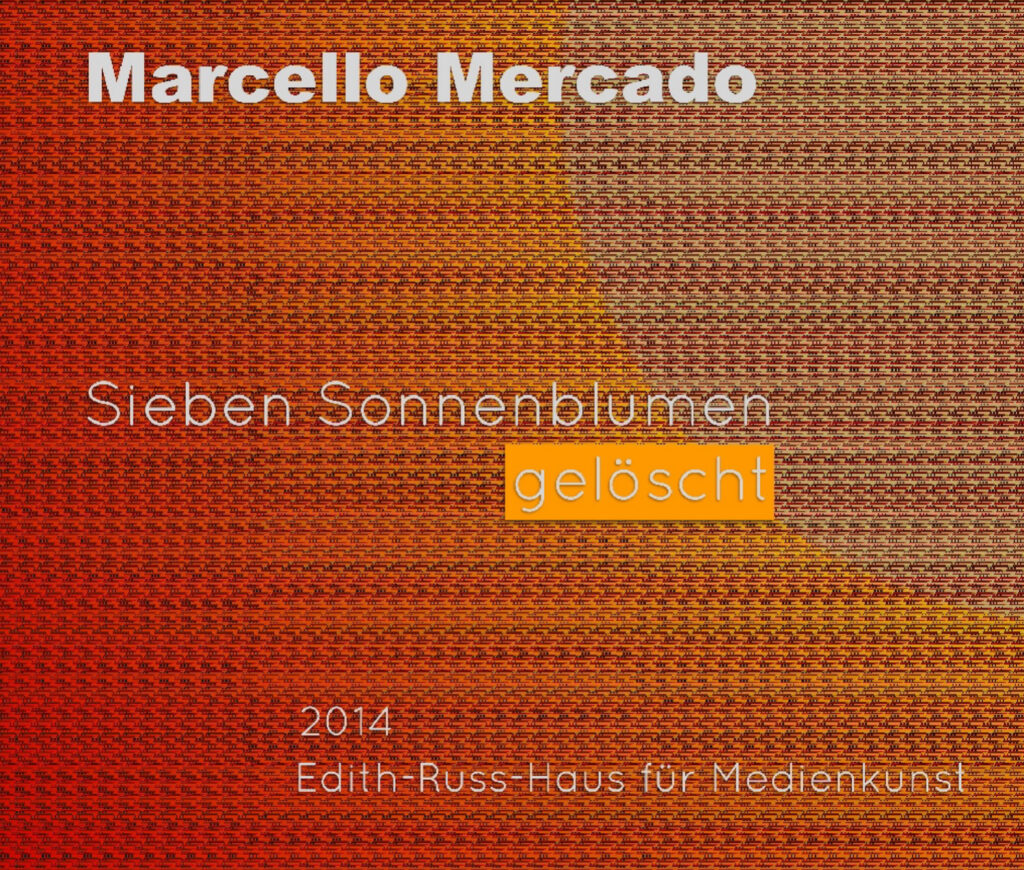

fig.32, 33. “Seven sunflowers deleted”, 60 pages, 25,5 cm x 20,5 cm, 500g, 2014
Book containing 115 hand-painted variations in acrylic, ink, and oil, derived from the seven Sunflowers paintings.
No stable image is maintained.
The sequence accumulates through repetition.
Archive Method: Scriptorium


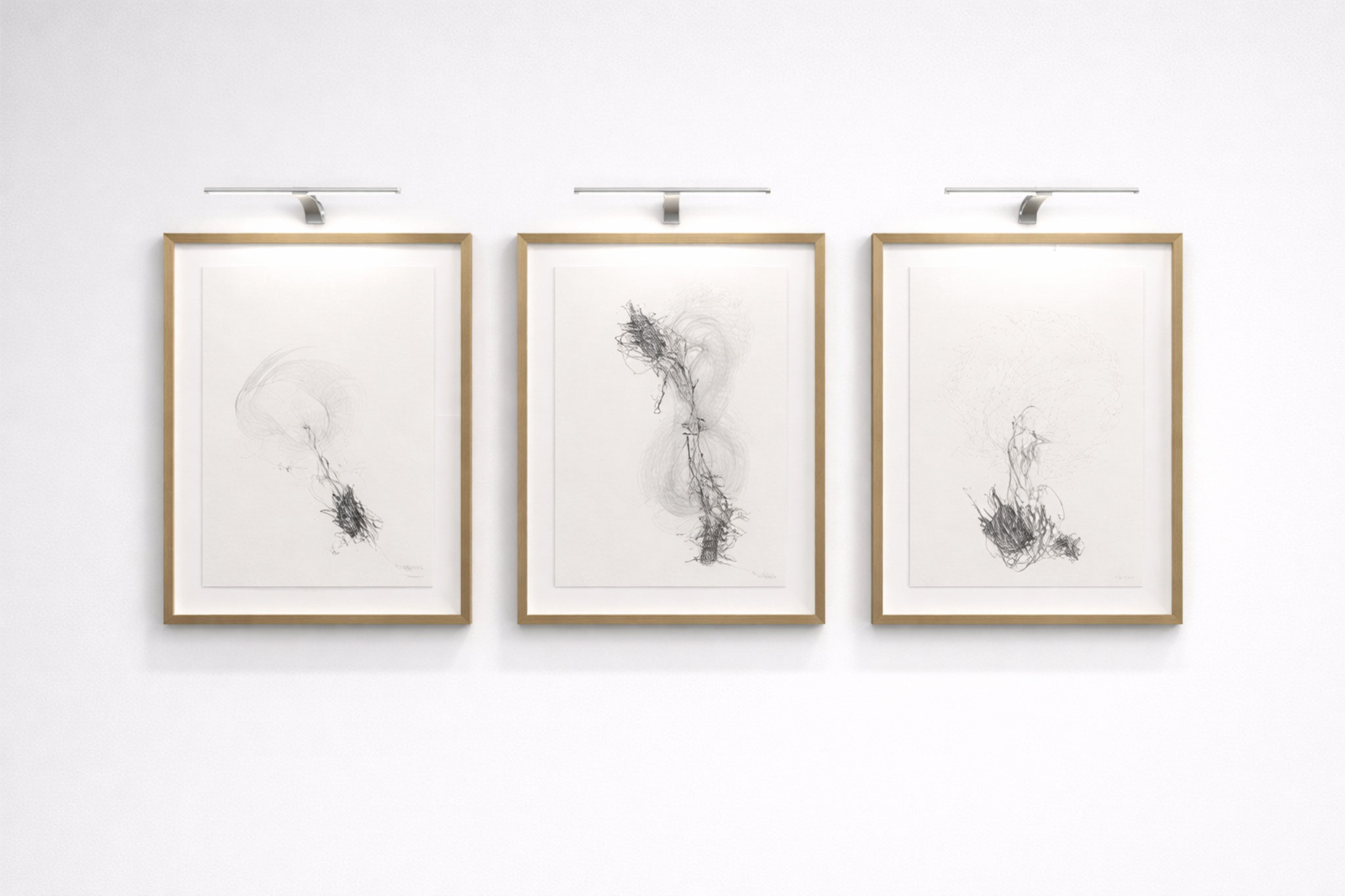
Three sunflowers are drawn by six robots using small motors.
The process is semi-autonomous.
No stable form is maintained.
The drawing operates as a trace generated by mechanical repetition.
Archive Method: Semi-autonomous robotic drawing


A book recording the project process and its variations.
The sequence is not stabilized.
The archive remains open.
Archive Method: Process log

This variation introduces a discontinuous relation between the name “Van Gogh” and the project. The connection is not genealogical. It is nominal, temporal, and contingent.
The event remains as a minimal record within the system.


In recent years, I have “liked” paintings by Lieuwe van Gogh on Facebook. Lieuwe is the great-great-grandson of Theo van Gogh, Vincent’s younger brother.
The action is minimal. It does not produce an image or a material transformation. It registers a trace within a platform-based system.
The relation is mediated by naming and interface.
The work circulates as visibility

Creation of a PDF document compiling the curriculum vitae of Vincent van Gogh.
File size: 61 KB.
The work is reduced to a minimal digital record.
The archive is defined by its weight.

800+ paintings
1 sale
Production ≠ transaction
The archive exceeds the economy.
Archive Method: Economic discontinuity
Van Gogh’s anomaly—big production, minimal transactions—makes him uniquely suited to symbolize a “failure archive”: an accumulation of cultural output that exists almost entirely outside the artist’s lifetime economy, yet inside the collective imagination.

I visited the Pinakothek der Moderne in Munich and stood before Vincent van Gogh’s Sunflowers (Vase with Fifteen Sunflowers) (1888), temporarily on display from the collection of the Neue Pinakothek.
The encounter does not produce a new image.
It establishes a reference point within the system.
# Input: distributed records of the painting
# (images, scans, color samples, descriptions, reproductions)
def sunflower_protocol(archive):
chromatic_field = extract_yellows(archive)
structural_logic = detect_flower_distribution(archive)
degradation_model = simulate_loss(
color_shift=True,
data_noise=True,
fragmentation=True
)
uncertainty = allow_variation(threshold=»non-identical»)
instance = generate_image(
chromatic_field,
structural_logic,
degradation_model,
uncertainty
)
return instance
# Rule:
# The output is not a reconstruction.
# It is a valid continuation of the work.

fig.51.Photograph taken at the Pinakothek der Moderne (temporary display, collection of the Neue Pinakothek):
Sunflowers (Vase with Fifteen Sunflowers), Vincent van Gogh, 1888.
Variations Van Gogh (2014)
7-channel video and sound installation, color
Duration: 8 minutes (loop)
Display options:
– Seven LCD flat panels mounted on a shelf
– or projected onto seven walls in a dark, carpeted room
Channels are unsynchronized.
Amplified stereo sound.
Continuous loop.
7-channel video installation (screens or monitors)
– 7 LED monitors, Full HD, 16:9, 46″
– 7 headphones
– 7 DVD players or equivalent playback devices
Environment:
– White walls



Marcello Mercado
Jumping – Drawing
Performance
2002
Denmark

Marcello Mercado
Hydantoin-derivative-Ich muß…
4´color stereo
1996

Marcello Mercado
The information about humans
Performance – Denmatk
2004


Marcello Mercado
Human Genome re-Activation
Performance Streaming: Low Lives 3 International Festival of Live Networked Performances
5´27″
mono 4:3 colour
2011
30.04.2011
Buenos Aires 16:11h, Los Angeles 12:11h,
Berlin 21:11h, Cape Town 21:11h,
Salt Lake City 13:11h, Miami 15:11h
keywords:
bioart, genome, finger, soundart, genetics, synthetic voice,
DNA – Sequence alignment, chromosome 1, DNA, Nucleotides,
adenine (A), cytosine (C), guanine (G), thymine (T), DNA-Bases
In 2011, as part of the real-time performance festival Low Lives 3, Marcello Mercado presented Human Genome Re-Activation, a live-streamed procedural work exploring the convergence of human biology, sonic information, and technological mediation.
The point of departure was an early corporeal trauma: the loss of the artist’s right-hand little finger at the age of eight. Embracing a strictly processual methodology, the performance sought to stimulate latent regenerative knowledge encoded within the human genome. DNA fragments were translated into sound frequencies, while an artificial voice recited selected genomic sequences aloud, producing an acoustic field aimed at activating dormant biological memory.
Drawing upon Siegfried Zielinski’s variantology—a theory of alternative technological genealogies—Human Genome Re-Activation treated the genome as a primordial archive, a deep technological substrate available for contemporary experimental reading. Rather than constructing symbolic meaning or narrative resolution, the work operated as a live laboratory, where media archaeology and speculative biotechnology intersected in real time.
The artificial voice’s recitation transformed the informational material of the genome into vibrational events, expanding the body’s perceptual field beyond the purely tactile. In doing so, the performance displaced traditional notions of embodiment, situating the body within a continuum of sonic, biological, and computational agencies.
Far from proposing an image of figurative regeneration, Human Genome Re-Activation created a material and procedural condition: a space for investigating the body’s possible responsiveness to acoustic fields of information. The live-streaming medium—integral to the work’s realization—amplified this experiment by dissolving spatial boundaries, dispersing the vibratory intervention across decentralized receivers while maintaining an intense immediacy between transmission and corporeal reception.
Without projecting utopian promises or restorative fantasies, Human Genome Re-Activation constructed a model of speculative regeneration: an experimental archaeology of biological loss, mediated through the hybrid entanglement of obsolete and contemporary communication systems.
.
https://vimeo.com/29938829
1.
Siegfried Zielinski — Deep Time of the Media
«Technology is not a linear progression but a constellation of missed possibilities, alternative paths, and latent potentials waiting to be reactivated.»
(Deep Time of the Media, 2006)
2.
Jens Hauser — Art, Biology and Politics (essay)
«Bioart does not symbolize life processes: it intervenes in them, manipulates, and actualizes their potential as living, dynamic systems.»
(in Art and Biotechnologies, 2007)
3.
Bruno Latour — An Inquiry into Modes of Existence
«Modernity has always misunderstood its hybrids: it has tried to cleanse what was inevitably composite.»
(An Inquiry into Modes of Existence, 2012)
4.
Amelia Jones — Body Art: Performing the Subject
«Performance art refuses the closure of representation. It opens the body as an unstable, permeable site for the enactment of process and becoming.»
(Body Art, 1998)
5.
Carolyn Christov-Bakargiev — The Brain and the Algorithm
«When machines speak for us, they do not replace human presence; they alter the modalities of embodiment and distribution of knowledge.»
(Documenta 13 Catalogue, 2012)

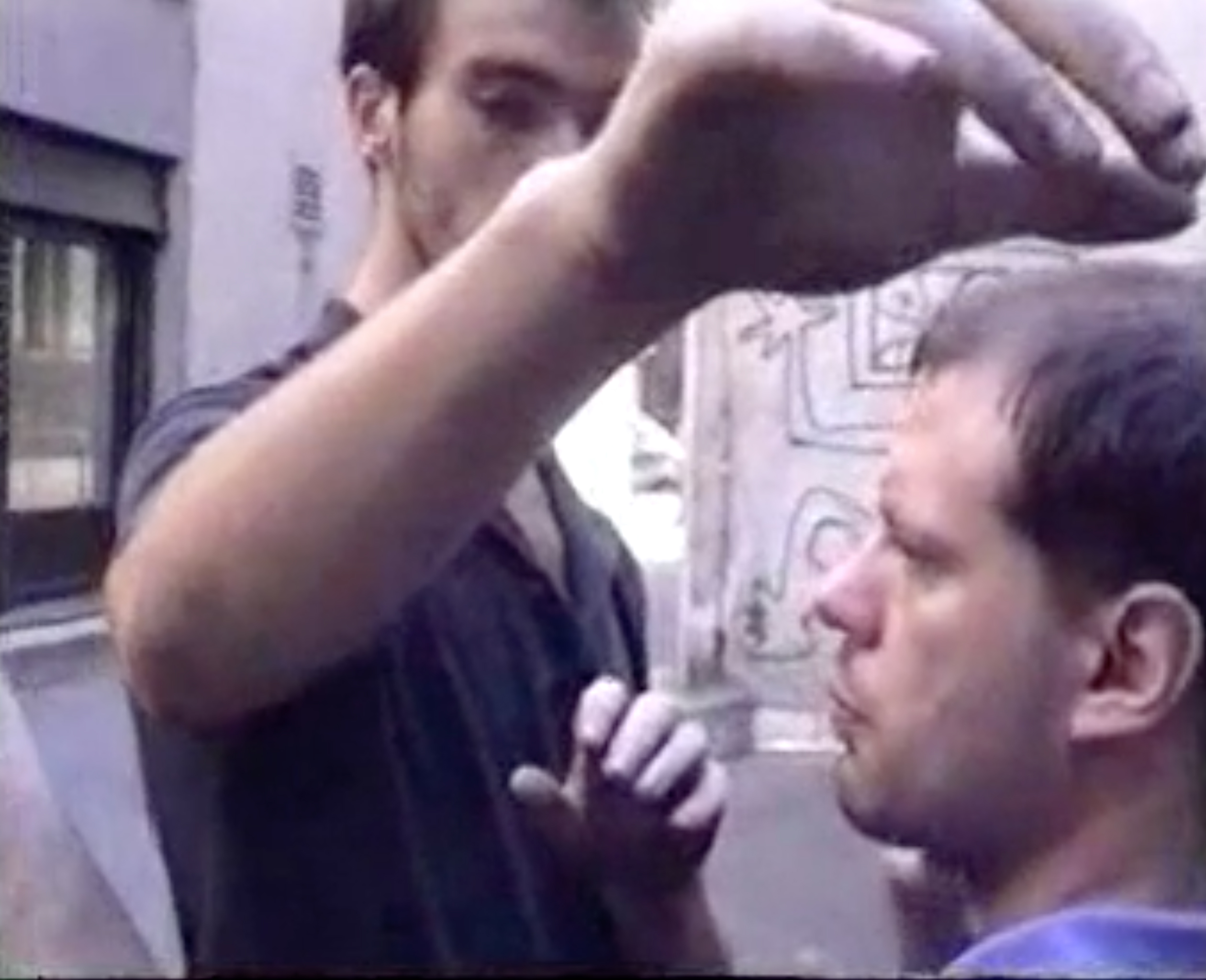
Marcello Mercado and Sebastian Sánchez Zelada
A Vanishing Quantity in the mathematical sense
12´colour stereo
Performance, Köln
1999