05.07.2011
Antenne aus dem Hause Goethe is a cultural discussion platform created by
the Goethe Institute and Ullens Center for contemporary art
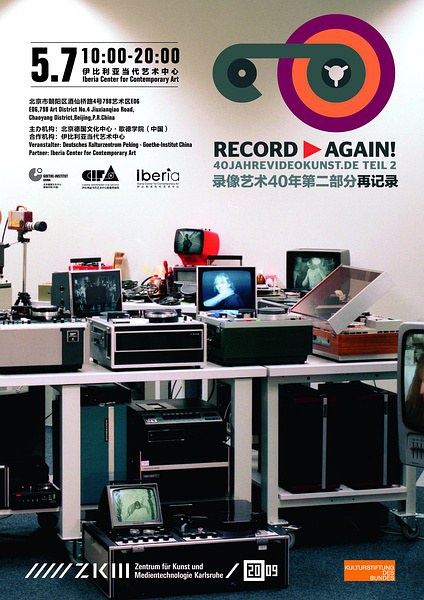
40 Years of Video Art: Record>Again!: About the Artists
Ullens Center for contemporary art Auditorium
Curators:
German Curators:Peter Webel, Christoph Blase
Chinese Curator: Li Zhenhua
Partner :Goethe Institute
China
Special Support: Experimental Art Department of CAFA
Languages German with Chinese translation
Free entry
Ullens Center for contemporary art
798 Art District, No. 4 Jiuxianqiao Lu,
Chaoyang District,
Beijing, China 100015
特别放映计划 Special Screening Program
“天线•歌德版”是北京德国文化中心•歌德学院(中国)与尤伦斯当代艺术中心携手打造的中德文化深度讨论的平台。我们接收新信息,发散新内容,涉及内容领域包括科学技术、历史文学、艺术及媒体等各方面。
德国录像艺术40年II 在联邦文化基金会推动的下,由卡尔斯鲁厄的艺术和媒体技术中心,亚琛的路德维希论坛,德雷斯顿艺术馆、奥尔登堡的伊迪丝?罗斯媒体艺术馆联合策划完成。
2009年7月德国录像艺术40年II在德国展出。自 2010 年起,歌德学院推出了由6个DVD合集组成,收录了超过50部艺术作品的“德国录像艺术40年II”巡展版,其中大部份作品出自20世纪70年代和80年代,也有部份当代作品。
2011 年北京德国文化中心•歌德学院(中国)聘请自由策展人李振华,结合录像艺术在中国的情况,在UCCA和中央美术学院美术馆,完成该系列在北京的展出。同时 策划与展览相关的专业论坛。德方策展人 Christoph Blase 也会出席展览及论坛。本期在UCCA的讲座,我们将请到中德策展人李振华与Christoph,艺术家武权,导演宁瀛及来自中央美术学院的乔加与我们共同 分享与讨论录像和新媒体艺术。
/
中方策划人李振华叙述:
2010 年10月的时候,我曾经和来自德雷斯顿的女馆长(克里斯蒂娜?梅尼科-施瓦茨)有一个放映、对谈的项目,这个项目旨在从中德不同文化领域、地缘发展的录像 艺术做一个对应,她很认真的介绍了不同类型的艺术家的作品。我当时放映的就是两个阶段策划的中国录像艺术系列,虽然不能完全对应德国艺术家的年代和类型, 但是就专有的针对单屏影像作品的线索,还是有所探寻。
2011年朱子娟和歌德学院再次邀请我主持这一项目,因为有了之前的放映的讨论,此次除了放映,还有特邀的Christoph Blase的讲座之外,就是邀请来自不同领域的中国艺术家、策划人,与放映、讲座之外进行互动。
第 一个部分旨在展示中国现场音视频艺术的一个侧面,邀请武权、杨韬进行30分众的演示,两个人分别来自不同的文化背景和现场领域,武权是FM3、窦唯等人的 合作伙伴,经常与实验、电子、环境等领域的音乐家一道表演,他的工作多涉及转换日常、公共审美趣味。杨韬的工作更趋向于算法和虚拟空间的抽象领域,同样基 于音视频领域,他们两人将带来一个延续影像、现场、即兴的项目。
第二个部分旨在还原和探索影像与城市的关联,首播宁瀛的短片作为这个项目 的开端。宁瀛之前的北京三部曲《找乐》、《警察故事》、《我爱北京》(夏日暖洋洋),除了影像展示的剧情中人物的喜怒哀乐,还有就是对这20年来北京城市 发展、文化变迁的影像临摹。这一部分可以被看作是影像之外的延伸,是镜头中折射出的潜藏在导演、艺术家内心的倾向和愿望。
第三个部分旨在 复原第一个录像艺术展览《影像?现象》,特约邱志杰进行深度的讨论,同时回放1996年第一个录像展览的资料和作品。这可以被看作是对应来自文献整理、保 藏、研究这一领域的工作。邱志杰是一名重要的推动影像艺术、数码艺术、互动艺术在中国的艺术家、实践者、教育者、作家和策划人。
第四个部 分是介绍来自中央美术学院乔加女士针对新媒体教育的工作,乔加曾经就读于ZKM,后出版一本关于ZKM的书。她的工作也许可以为我们理解 ZKM这一机构,以及当代新媒体教育在中国的情况,互为关联和参照。也可以被看作是接续了来自中德两个国家,这一媒材领域的交汇。也是对这一领域成长和发 展最好的说明。
/
关于德国艺术家及作品(简要说明,以德文原文为准)
注:此介绍为展览的艺术家和作品,在这个项目中并不全部播放。
Michaela Buescher和Gerd Conradt
1985 年,Michaela Buescher与Gerd Conradt一起拍摄了一部关于德国二十世纪六十年代学生运动领袖Gretchen Dutschke-Klotz 的纪录片。Gretchen在片中讲述了她的童年以及她在欧洲的生活。23年之后,这些过时的素材第一次与Gretchen和她已经长大的三个孩子见面, 他们在观看中的种种反应都被摄影机记录了下来。作品(放映装置)由5个带基座的屏幕组成,其中4个屏幕分别展示三个已经长大的孩子以及母亲的画面,另外一 个较大的、正对其他屏幕摆放的屏幕放映那一次历史性的采访。
Joseph Beuys
1972年10月8号,documenta 5(第五届卡塞尔文献展)以一场骚动拉上帷幕:Joseph Beuys这位世界知名的艺术家,以当时51岁的年龄与比他小30岁的学生Abraham David Christian进行了一场拳击比赛。这场战斗在文献展的主展厅Fridericianum艺术馆展开,共进行了3轮,耗时将近10分钟。当时,人们并 不知道这次行为表演是艺术作品。Beuys更希望借此能让人们记住他已经在文献展上宣传了100天的“通过全民公决实现直接民主组织”,能够再次引起人们 的关注。于是,这场拳击赛就变成了一次带有娱乐性质的政治宣言。
Michael Bielicky和Ricardo Peredo
众 所周知,艺术作品会被载入史册常常是它与某项轰动一时的事件有所关联,甚至可能引发了无法预料的后果。当这一类轰动事件在日后又为新的创作注入动力时,就 变得特别有趣了。Michael Bielicky和Ricardo Peredo在1987年联合摄制的作品《Die Fettecke》就是这样。短片以纪录的方式报导了Joseph Beuys在杜塞尔多夫学院安装的著名作品“Fettecke”的拆卸过程:Beuys同时代的入在其中的发言被加以剪切和交叠镜头,使其看起来仿佛是一 部艺术制作。
Claus Böhmler
1974年用《Wir malen mit dem Rot des Kohls》(《我们用红卷心菜画红色》)创造了一种视觉诗歌和互动艺术作品的融合。在表达关于语言、颜色和材料的主题时,水果和蔬菜种类作为发现点服务 于艺术家。在作品中也常常出现对于影像媒介的批评,当观众发出“快去把你的电视机的蓝色调高”这种指令时,批评达到了高潮。不仅是语言突然可以解释颜色, 当时彩色电视的技术也很明显地能让观众去阐释他们的色彩。
Klaus vom Bruch
《Die Entführung eines Kunsthändlers ist keine Utopie mehr》(《绑架一个艺术品商人不再是乌托邦》)。单是这个题目就已经将Klaus vom Bruch的用意表露无遗。观看这部1975年的短片简直就是体验一部惊悚片。著名电影《The Pink Panther》(《粉红豹》)的原声音乐总是恰到好处地响起,一步步提高了影片的紧张感。观众们自然会想起间谍片:一个神秘的陌生人手持一把枪站在镜头 前,除了他的武器上刻着“008”之外,我们对他一无所知⋯⋯同时,作品和字幕也都暗示了当时的历史:1975年不久前RAF绑架Peter Lorenz事件。(Red Army Faction,译注:红色旅,德国恐怖组织)
Holger Czukay
作为传奇摇滚 乐队Can的组建者之一,就像是一个来自外星的人。他梦游似的操纵调节器、电话机和鼓,乐声应和着他对着麦克风发出的高声叫喊和低声沉吟。表面上来看,这 部片子仅是对于1982年的回顾,但实际上,Czukay已经总结了整个20世纪的历史。他试图传达的信息如同断奏一般、冲撞着观众们。上述录音室场景持 续出现在Czukay最著名的歌曲之一《Cool in the Pool》中。当然,作品不同于乐迷熟知的1980年MTV版本,而是至今尚未公开发表过的1978年的初版。
Lutz Dammbeck
1984 年的《Herakles》(赫拉克勒斯)中批判性地探讨了独裁统治体系,他说这是受到Heiner Müller的《Herakles 2 oder Die Hydra》(《赫拉克勒斯 2或者许德拉 》)以及格林童话《Das eigensinnige Kind》(《固执的孩子》)的启发:拉克勒斯身上古典时期的道德美德,被法西斯艺术对恶的诠释混淆在一起。Dammbeck想通过这一组合来实现对“超 人”这一理想化愿景的解构,并呈现潜在的法西斯愿望。他的作品将话题最终引向体制批判。
Klaus Peter Dencker
1970 年为巴登-巴登的西南广播电台所制作的影片《Starfighter》(“星”式战斗机)中,将“具体诗”的方法运用到影像媒体上来:他用文字游戏的方式 以“Starfighter”这个词为基础创造出许多新词,并开发出新的声音效果,然后在视觉上将它们组合成字-画链。在他的画-音拼贴中,他使用故事片 和广告片作为影片素材,给它们配上Mungo Jerry乐队的歌曲《Mighty Man》和来自英语课本中的语言序列、新闻和自己制作的声音素材。其中很多特效都是通过当时还很新的蓝盒子技术(虚拟演播室系统)完成的。
Flatz
FLATZ 拍摄于1981年的作品时间极短、仅有10秒钟,影像格外吸引人,只是它无穷无尽的Loop循环方式着实让人厌烦。影片中,Toni是一位慕尼黑著名的设 计师,同时也是一个镇静剂药物的受害者。当观众看到他站在一堵墙前享受地吸烟,就会很快明白,Toni并不认为自己是一个受害者,与此相反,他是一个在享 乐中挥霍生命的人。影片的背景香烟品牌万宝路的广告语。此片正是在当时的电视媒体上的香烟广告。
Gusztav Hámos
1983/1987 年的作品《Fiction II: Der Unbesiegbare》(《小说2:不可战胜者》),观众将与Alex Raymond所创造出来的超级英雄Flash Gordon共同经历一场冒险。影片进行中,艺术家还以特殊的方式探讨了录像与电影的关系,以及两种形式带来的不同的境遇。不同的Mise en Scène(舞台调度)——作品时而使用客观的特写镜头,时而使用主观的镜头——目的便是直接表现这种两种方式,还能引起紧张的链接效果,使整部作品在声 音和画面的情节令人印象深刻。
Rudolf Herz和Ruth Toma
在制作1980年的短片《Das Haus der Kunst abtragen》(《铲平美术馆》)时,Rudolf Herz和Ruth Toma的目标是想毁掉慕尼黑美术馆——因其纳粹背景而象征性保留下来的建筑,如今是世界最著名的展览馆之一。他们很谨慎地展开行动,设法弄到建筑平面 图,征求爆破专家的意见,或者研究美术馆中私人的习惯。他们的作品探索了录像这种媒介操控现实的能力:看似客观的纪录方式,带出了虚构的历史和现实。
Jochen Hiltmann
1972 年的《Werk Für Künstler》(《给艺术家的作品》)可以被看作是一部录像中的录像,它的主题是关于艺术家的角色以及他们与媒体的关系。作品营造出较为压抑甚至幽闭 恐怖的气氛:拍摄于一个过于狭小的场地,所以从屏幕上看起来像是一个封闭的空间,艺术家被关在里面。唯一的出路只能是:竭力解放自己!继而这种窘况发展到 了颠覆性的一幕,将荧幕(空间)砸个粉碎。它表现了一种对媒体的深度批评,并且不留任何情面地抨击了电视以至整个媒体体系。
Nan Hoover
1975 年的《Movements in Light》(《光中的运动》)是Nan Hoover的早期作品之一,也是她放弃绘画转而从事录像的标志。利用灯光和阴影效果,和听起来危险、阴沉的声音处理,人类身体的形象被当作一些已知的和 熟悉的形。个别身体部位,如脸、手背或手指,几乎看不出它们本来的形状,在片尾最后的剖析中,它们将自己解放,变成了怪异的风景。在如今这个影像泛滥的时 代,Hoover的作品更要求我们以不同的方式来对待:放慢观看,让目光在屏幕上慢慢地流转。
Wolf Kahlen
所有到场嘉 宾的神经都高度紧张,每个人都屏住呼吸⋯⋯然后,突然一声“注意,开拍”的叫喊打破了局面。1980年2月1号,当Wolf Kahlen在东柏林的一家画廊拍摄这部作品,多次大声喊出这两个词时,与它相似的一幕肯定曾经发生过无数次。紧接着,Kahlen将镜头固定于一点,情 景和影像画面通通定格,然后Ralf Winkler,艺名 A.R. Penck,便马上使用这些画面进行即时现场创作。这部录像作品不仅是对这一行为表演的纪录,而且也是一部与行为一致的佳作。
Andree Korpys和Markus Löffler
1995 年的行为艺术《Sammelstelle für Alt-Fernsehgeräte》(《旧电视机收集处》)是对媒体艺术颇具幽默的批判,后成为录像作品的源头。这次行为是在卡尔斯鲁厄 MultiMediale 4(第四届多媒体节)的背景下产生,相反讽刺了媒体艺术不断被推向博物馆化。这一行为是与其他艺术家好友有意识地作为互动雕塑在公共空间进行的,与当时通 常对媒体艺术的设想和在MultiMediale 4中展出的作品相对立。
Gerd Kroske、Ulrich Wüst、Mario Persch、Uwe Baumgartner和Jürgen Kuttner
1988/1989 年的短片《Cassiber》(《密信》)是东德艺术家Gerd Kroske、Ulrich Wüst、Mario Persch、Uwe Baumgartner和Jürgen Kuttner与联邦德国-英国摇滚乐队Cassiber合作的结果。受到上述艺术家到Akademie der Künste(柏林艺术大学)录制新专辑的邀请,Cassiber来到了东柏林。一系列独一无二的音乐录影带就此产生——既是对音乐制作过程的纪录,又是 天然的艺术作品。影像就像一个实现了的乌托邦片段,可能这是只能在荒谬的民主德国的社会主义的最后一个时期才有的。
Edmund Kuppel
1975 年的的短片《filmen – filmer – In 4 Minuten um die Welt》(《拍电影-电影人-4分钟环游世界》)用伪实验(Pseudo-Experiment)的方法在短短几分钟内环游地球。实验人即是艺术家本 人,装扮成科学家。只见他脚步轻快地穿过一片草地,向地平线走去,直到消失在视野之外。片刻之后,人们又看到他从后方进入镜头。这个死角本来是无法用摄影 机拍到的,但在一套镜子设备的辅助下完成了。一次环游世界的幻觉堪称完美。
Urs Lüthi
当时26岁的Urs Lüthi坐在摄影机前陷入梦境,看到了幻想中的远方。当José Feliciano的歌曲响起的那一秒,一只手突然从画面下方出现;保养良好的纤纤玉手和手镯让人猜测这一定是个女人。她的手轻柔地抚摸艺术家,从肩膀到 下巴、脖子、脸颊、额头和头发,并温柔地触摸她周遭的客观环境。在这部摄于1973年的录像中,Lüthi消除了性别界限:视线所渴望的对象不再是女性 的,而是男性。艺术史传统的女人(被动)与男人(主动)的关系被赋予了全新的处理。
Digne Meller Marcovicz
1985 年作品《Über Wilhelm Reich – Viva Kleiner Mann》(《关于Wilhelm Reich-小男人万岁》)中,Digne Meller Marcovicz编织了一张用参考材料组成的网,使修复一部自传成为可能——这位命运多舛的知名学者的一生。女艺术家在片中追寻着著名心理学家 Wilhelm Reich的足迹,并向许多与他同时代的先驱人物询问了关于他的生活和失败,其中包括他的战友和对手、亲戚、朋友以及与他合作多年的律师。所有这一切发生 在Wilhelm Reich去世将近30年之后,但赶在了大家把他忘记之前,所以说,这部作品真是相当及时。
Marcello Mercado
阿 根廷导演Marcello Mercado1999年来到欧洲的时候,带来了数以千计的照片和电影。它们都是从阿根廷警察局的垃圾筒里搜集而来,有关暴力犯罪的受害者的画面。从技术 角度上看,这是材料非常传统,结合了现代电脑软件的图像拼贴。媒体艺术作品随之形成。就像 Karl Marx从来没有完成他的《资本论》,Mercado也一直在更改他的数码制作的、视听版的《资本论》——直至今天仍在继续。不存在最终结论,只留下片 段。《资本论》一直在随着时间流逝,但是至少我们能够感知它的现在。
Ernst Mitzka
Valeska Gert(1892-1978)从1920年起便是一名著名的、但非传统的舞蹈家和演员。她的表演已经预先体现出许多60年代艺术的本质特点。1969年 Ernst Mitzka成功说服她,在摄影机前表演两个段落。Valeska Gert面对镜头,在短短几分钟时间里,她的脸上清晰地倒映出人生的开始和结束:出生和死亡。然而,这部短片在当时从未放映过。直到拍摄后大约40年的今 天才又再次出现,并被修复。
Michael Morgner
在观看电影《M. überschreitet den See bei Gallenthin》(《M穿越Gallenthin湖》)时,观众变成了目击者,参与它这种颠覆性的、充满政治火药味的表达方式:你将看到的是民主德 国最初期的电影表演之一,即Michael Morgner于1981年9月27日,在诸多嘉宾在场的情况下,如Klaus Staeck,用一台走私来的录影机拍摄的作品。影片中,Morgner趟进一个养鸭的水塘,直到只有他的头和向上伸的胳膊还在水面上为止。这个画面看起 来就好像他将如一个救世主般,预言某种新事物的到来;而此时正是民主德国社会主义体制的繁荣时期。
Heike Mutter
1998 年的《Ekstase 1》(《心醉神迷1》)是关于在特别亲密兴奋时刻候对人体的探索。一个只穿三角内裤的女人被扔到一张铺了豹皮的塑料床上。她一动不动地躺在那里,直到她的 手指开始抽动。抽动越来越剧烈,并传导到全身。当兴奋程度达到顶点的时候,这副被折磨过的身体渐渐恢复平静,再次保持安静状态。短片以无尽循环的方式批判 了约束身体的纪律,进而批判了作为媒体的权利文本。
Michael Geissler和Susanne Ofteringer
Nico(1938-1988) 这位与众不同的女歌手,是靠与The Velvet Underground(地下丝绒)乐队合作而为人熟知,两部关于她的、非常罕见的片子。第一个是录像先锋人物Michael Geissler1974年在她的演唱会中拍摄的。画面与Nico的嗓音一样,有着令人印象深刻的阴暗但又美丽的特质。
第二个是女电影人 Susanne Ofteringer1993年用她的Hi 8摄影机录制的Nico的足迹。影片以短暂的采访进入,后又展开为一种深层次的纪录。这个短片脚本最终成了Ofteringer1995年拍摄的纪录片的 框架,后者于1997年获得Adolf-Grimme-Preis(阿道夫-格里姆奖)。
Marcel Odenbach和Gábor Bódy
1978 年的录像短片《Gespräche zwischen Ost und West 》(东西方对话)中批判性地将冷战时期经典东西方对话归结为:敌对的双方本来除了陈词滥调就没什么可说的,这是纯粹形式化的废话。德国人和匈牙利人只因这 种机缘相遇了一次——虽然是在一个共同朋友在巴黎的住宅里。作品利用参照物反映了当时电视中常见的严肃的政治报道,同时通过极简主义,成功地表达出了他们 的媒体批判观点以及政治态度。
C.O. Paeffgen
1975年,C.O. Paeffgen的作品《Umwicklungen》(包装纸)为他赢得了观众瞩目,这一组作品中包括《Hemd》(T恤)和《Kunst》(艺术)。艺 术家刚刚脱下来一件T恤在片中被用作材料。它被金属线缠绕起来,成雕塑状,随后被安装在一面墙上。观众可以实时共同体验这种变形——如此普通的一个物品到 艺术作品的升华。然而,行为结束时,制作过程又被撤销了:这件T恤雕塑被从墙上取下来,除去缠绕物,然后被重新穿在了身上。Paeffgen将这种 Duchamp(杜尚)式的理念在作品中做了进一步扩展。
Klaus Rinke
水和身体是Klaus Rinke70年代作品的核心元素。1971年他与Gerry Schum共同在游泳池里制作了一组录像短片。只见Rinke在水面,接着沉入水中,屏住呼吸,片刻之后再次浮出水面。在他游出泳道之前,这串动作被重复 了18次,每次潜水时间越来越短,艺术家也越来越疲惫。《Inhalation》(《吸气》)的第一部分结束。第二部分则颠倒过来。我们看到Rinke头 部的侧影,他抓起一个水杯,一次性喝了1升水。于是,水作为危险的根源,又成为了生命的必需。
Rosenbach Bruch
Ulrike Rosenbach越过Klaus vom Bruch的肩膀,朝一块玻璃板吐牛奶。每吐一次之后,Klaus vom Bruch都会低声耳语道:“为更好的艺术祝你好运!”整个片子有点单调。除了玻璃板上的牛奶越来越多之外,其他什么都没发生。1977年,当这部录像短 片完成时,录像和行为艺术的第一个十年正接近尾声。许多身体行为和媒体批判的探讨好像已经够了。所以“为更好的艺术祝你好运!”这句话在最后一吐之后,又 被大声地、以回声的方式重复了一遍,暗喻:做更好的艺术吧!
Ulrich Rückriem和Gerry Schum和Ursula Wevers
《1. Teilungen》(《1.分离》)、《2. Kreise》(《2.圆圈》)和《3. Diagonalen》(《3.斜线》)三部短片是1970/1971年Ulrich Rückriem与Gerry Schum和Ursula Wevers共同制作的。简洁的题目已经暗示了作品中所遵循的解构美学:铺张的拍摄手段被有意去除。背景是刻意简洁的图像,艺术家关注简单的情节,比如他 怎样借助自己的身体画圆圈和斜线,如何折断木板。Rückriem宣称自己的目的是由此把注意力有意识地转向制作过程本身。
Reiner Ruthenbeck
科 隆的新市场如Reiner Ruthenbeck的《Objekt zur teilweisen Verdeckung einer Videoszene》(《挡住画面一部分的物体》)描绘的那样嘈杂和繁忙,这部摄于1972/1974年的录像短片却有着冥思式的弦外之音。观众先是在 片中看到追赶着跑过去的人或听到城市交通的噪音。在这忙碌的环境中,突然出现了一个很小的、但是很美的“安静岛”:由一个展览架子撑住的黑色的区域,被放 入这喧闹与杂乱之中,或者说:“外部是繁忙,内部是绝对静止的安静。”黑色,这个场景画面的遮挡物,会是一种有潜力颠覆未来观感经验的尝试吗?
Walter Schröder-Limmer
Walter Schröder-Limmer1977/1978年的作品《Debatte》(《辩论》)以它概念性、实验性的特征,让人注意到充斥在作品中、把影像当 作媒介的技术可能性。作品中涉及“Lauschaffäre Traube”(一个涉及到秘密监视的丑闻,最终导致当时的内务部长 Maihofer的被迫辞职)的新闻节目片段。借助音效设备和影像合成器,声音和图像轨迹被抽离:圆圈、椭圆和菱形,以及错用的暗色、音调的降低和暗影效 果都被用到其中。这样便产生了独特的影像拼贴,部分原始素材被修饰得面目全非。
Gustav Adolf Schroeder
1980 年代初,西柏林一方面是一个得到国家高额资助、但文化氛围相当无聊的城市;另一方面,另类文化正在兴起。谁也不知道,这种文化将会走向何方。在这种混乱的 局势下,1981年9月4日,在一个马戏团的帐篷里,“大毁灭表演——业余天才节”开幕了。这一活动在近代音乐史中被视为德国朋克音乐的里程碑。
Gustav Adolf Schroeder当时带了一台很老的摄影机,用黑白画面主要记录下了Einstürzenden Neubauten(倒塌的新建筑)乐队的演出。他成功地在混乱和完美的舞蹈片段之间,拍摄下深刻的、具有历史意义的画面。
HA Schult
1978 年中有14天的时间,HA Schult几乎每天都用一辆客车载着他的观众们,驶向不同的目的地。其中一个地点是“媒体屋”,这是杜伊斯堡的一座五口之家的住宅,到处扯满了电线。 HA Schult在屋前的小花园里设置了9台电视,分别与屋内的摄像机相连。每个房间都安装了摄像机,实时将屋内一家人的全部日常生活转播给在花园里的每一个 人。Schult当时评论道:“这是一所内部包裹住外部的房子。”但他肯定没有预料到,他的理念在20年之后会衍生出 “Big brother”这类电视真人秀节目。
Gerry Schum
1972年,这是他去世前一年,录像艺术收藏家Gerry Schum在访谈中谈到了录像艺术的乐观前景,以及市场化即将到来的可能性。他比较了“视频”和画布这两种媒介,并解释说,如绘画一样,视频也允许对创作 出的东西迅速进行控制处理。对于他来说,录像不是一项技术或者一种纪录,而是一种独立的艺术形式。他提到了如Rinke和Rückriem这样的与他合作 过的艺术家,但这两个人在Schum去世之后便远离了录像这一媒介。这恰恰证明了,Schum在德国扮演着怎样一种孤寂的角色,也许他所下的论断是正确的 ——但只适用于他生前的时代。
Wolfgang Stoerchle
Wolfgang Stoerchle(1944-1976)16岁便随父母移民美国北部,虽然他在欧洲几乎没有一点名气,但在美国却属于上世纪70年代最重要的录像艺术先 锋。他保留下来的作品有唯一一部名为《Selected Videos 1970–1972》(《1970年-1972年录像短片选》)的作品集和13部录像作品。其中一部拍摄的是Stoerchle本人,他穿过一个黑暗的大 厅,脚步声在室内回响。手电筒灯光随着他的步伐晃动,这是整个场景内唯一的照明。走到大厅的尽头后,他转过身,走回到摄影机前。在手电筒的灯光中,他的脸 变得越来越清晰,直到最后看起来像是被吸进了镜头中。
Telewissen
1971年12月,达姆施塔特的步行街上停着一辆宝马 汽车,它的后挡板敞开着,所以行人能从窗子往里看。令他们吃惊的是,他们看到的竟是自己,这在当时是一件非常不寻常的事。2007年,以Herbert Schuhmacher为核心的Telewissen小组再一次温顾了这一特征。 同之前一样,他们用现代化设备将当今观众们的反应记录了下来。于是,原始素材、新的摄制内容和布置展览的影像组成了一部纪录片,不仅展现了当年的作品,而 且还包括了大约40年之后的公众们“镜头前举止”的变化。
Ulay
Ulay原名Frank Uwe Laysiepen,1943年出生于在索林根 。他在1975年用影像记录下了他最初的一次“照片处理”表演。房间很昏暗,红色的灯光提供照明,画面上能隐隐约约地分辨出站在照片幕前的那个女人。突然 之间,闪光灯亮了一下。房间被瞬间照成了白色。Ulay一身白衣出现,在画上涂抹显影剂。渐渐地,女人的阴影显现出白色的轮廓,其他部分仍然是黑的。在一 段时间内, 这个白色的轮廓区域与Ulay的身形极为相符,就像他消失在了刚刚创作出的图像里。
UTV
UTV(Unser Fernsehsender)(我们的电视台)是1995年由Hans-Christian Dany、Stephan Dillemuth和Joseph Zehrer一起在科隆成立的、与商业电视台相对的另类媒体小组,作品以VHS(家用录像系统)录像带的形式出售。围绕着“Arbeit und 1. Mai 1996”(工作和1996年5月1日)主题,观众们在《Wochenschau I 》(《一周纵览1》)节目中领略当前最为吸引人、而且突然的综合信息。电视新闻与剧情片的场景互相交替,街头采访与陶土人偶动画片交错出现,短片从策划好 的小型纵火事件到巴黎索邦大学的课堂讨论,再到Hip Hop和Rap,最后所有这一切被安排在一个大派对中展出。很显然,这是永远不会在电视台播出的电视节目。
Franz Erhard Walther
10 米长的布料上有30个口袋。Franz Erhard Walther会往每一个口袋里钻进去几秒钟。一开始的时候,他手里还拿着一块表,后来就没有了。艺术作品的时间已经被设定好。Walter在展览之后与 观众的谈话中解释,他只是建议了“一种可能的使用框架”。这部纪录短片是1972年7月5日 在documenta 5(第五届文献展)上拍摄的。Walter当时展示了他如今世界著名的作品《1. Werksatz 》(《1.模板》)。为了给参观者演示他的作品,每两周都去一次卡塞尔。最后他还是认为:“我所讲解的还是远远不够的。”他讲解得简单明了,但也许只是太 超前了。
Peter Weibel
1969年4月,“Multi Media I”(多媒体一)展览在维也纳的Junge Generation(“丛林一代”)画廊拉开帷幕,这是欧洲最早的媒体艺术活动之一,同时也是最早将公众观看短片拍摄下来再次展出的行为艺术。 Peter Weibel站在入口处,与摄影机前的参观者讨论关于展览的话题,而且谈话实时在显示器上播放。一方面,这就是《Das Publikum als Exponat》(《公众作为展品》)的组成部分,但另一方面正如他在其中的一次谈话中提到的,这也是“实验之夜”的第一个批评者。大家都在控制着自我, 在摄像机前隐藏自己的意见。
Ursula Wever
Ursula Wever1979年的短片《Horizontales/Vertikales Springen》(《横向/纵向跳跃》)让人回忆起体育课或者运动场上的午后时光:只见一个人的臀部在蹦床上跳跃。横向一次,竖向一次,有节奏地出现在 由两个并排摆在一起的屏幕所组成的画面中。表演发生在惯常的白色空间中,使得画面在理念上十分切合白立方(white cube)的概念。短片不仅进行了类型实验,如平面/空间和画面/雕塑,而且还探讨了新的艺术表达和说明形式。
Wiersbinski
画 面中出现这样一幕:不知是一位美术馆馆长或者一名艺术家正挥舞着鞭子,驱赶着一群收藏家穿过不断坍塌的大厅。镜头飞快地从一件模糊的艺术品转到另一件。画 面晃动不止,声音也是快进式的。只看画面,观众几乎什么也明白不了,幸好通过字幕,你会经常读到“Isn’t it Leipziger Schule?”(这不是莱比锡学派吗?)因为如果不是的话,就一点收藏价值也没有了。无论中间穿插多少类似“You have to communicate with the art work!”(你得跟艺术作品交流!)这类关于艺术环境的夸夸其谈,他们到最后总要回到这个问题:“How much does it cost?”(这个多少钱?)艺术品市场装腔作势的特点已经尽显无遗。