

ERODE (2025–ongoing)
ERODE operates as a sequential system of 20 operational cases.
Each case transforms a human trace into algorithmic and biological signals.
ERODE translates human memory loss into signal.
Drawings produced by Alzheimer’s patients are converted into algorithms,
then into microbial activity,
and finally into radio transmission.
ERODE is a system of progressive translation.
In a digital era defined by an obsession with total recall and the permanent storage of human data, ERODE proposes a radical return to the right to disappear. The project originates from a concrete and fragile archive: drawings made in 2020 by elderly residents diagnosed with Alzheimer’s disease during the period of strict isolation caused by the COVID-19 pandemic in a care facility in Chaco, northern Argentina.
Six years later, ERODE translates these gestural traces into algorithms that are programmed to degrade and ultimately erase themselves. The algorithms do not attempt to simulate Alzheimer’s disease, nor to repair memory. They follow its logic. They fragment, compress, repeat, and lose information because the memories they accompany are already in the process of disappearing. Technology is not used to fix memory, but to remain with it as it fades.
1. The Alzheimer drawings archive
2. The algorithmic transformation of memory traces
3. The Bacterial Radio (biological signal device)
The work does not present the original images in full. All materials are anonymised and converted into encrypted visual datasets that prevent identification of individuals or institutions. This methodological choice foregrounds ethical care and human dignity while shifting attention away from biography toward collective conditions of memory, aging and institutional life during the pandemic.
Conceived as a sequential, browsable publication, ERODE allows viewers to move through twenty cases, each unfolding across multiple algorithmic states within a carefully designed page structure. The project deliberately avoids opaque or technically excessive systems. Instead, it emphasizes readable and transparent computational operations whose effects can be directly observed and compared from page to page. The digital book format ensures that the work is both technically realizable and publicly accessible, allowing audiences to engage slowly with processes of algorithmic transformation rather than immersive spectacle.
ERODE extends a long-term artistic investigation into erasure, residue and algorithmic memory initiated with the artist’s earlier project DELETE (2012), which received a Special Mention at Ars Electronica. While DELETE examined the impossibility of removing information within digital language systems, the present work relocates those operations into a post-pandemic environment of care. Here, forgetting becomes not a private neurological event but a procedural and collective condition shaped by social infrastructures, medical routines and digital mediation.
By situating computation within lived human contexts, ERODE uses digital technologies to foster reflection on vulnerability, aging and collective responsibility; proposes culturally grounded alternatives to technological abstraction; and frames algorithms as tools for ethical inquiry rather than optimization or control. The project offers a quiet, durable form of digital engagement—one that transforms fragile traces into a shared space for contemplating memory, care and post-pandemic life.
The Alzheimer Drawing Archive
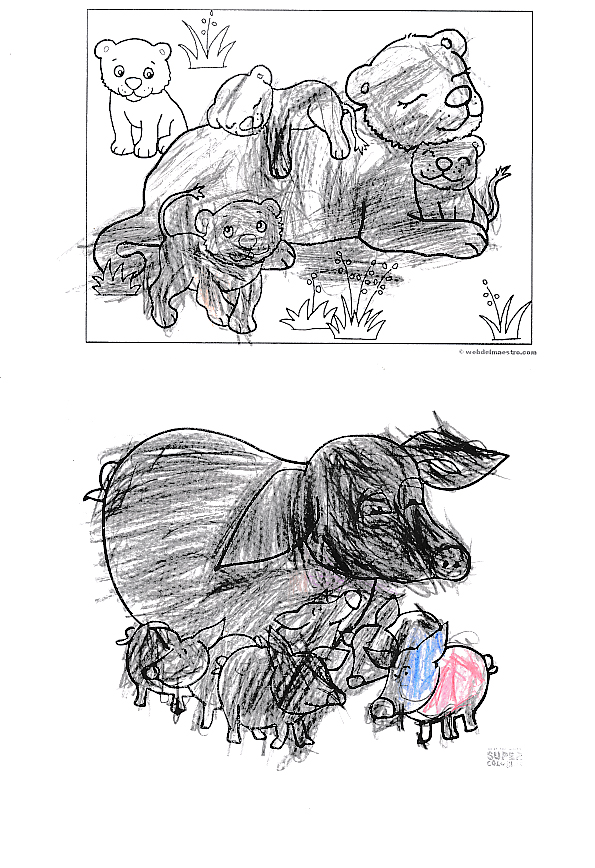
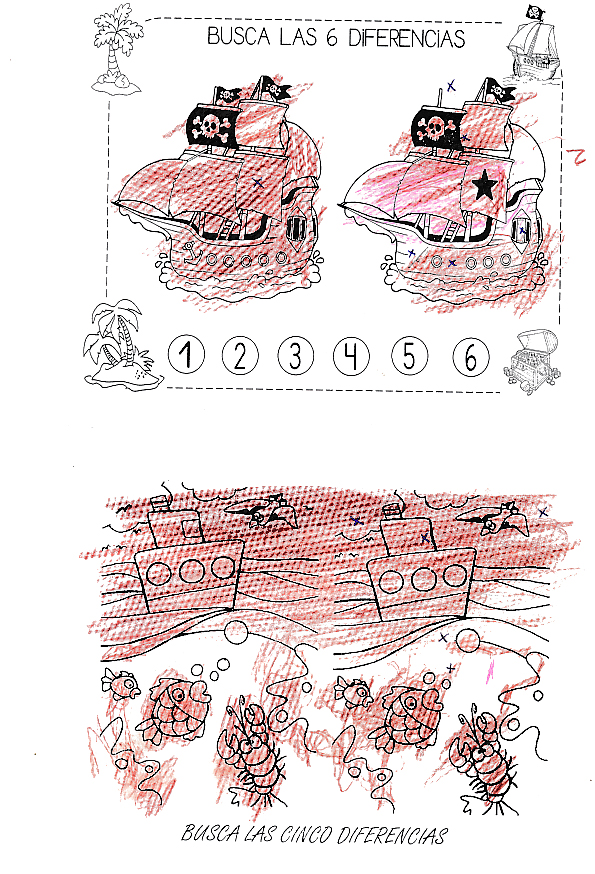
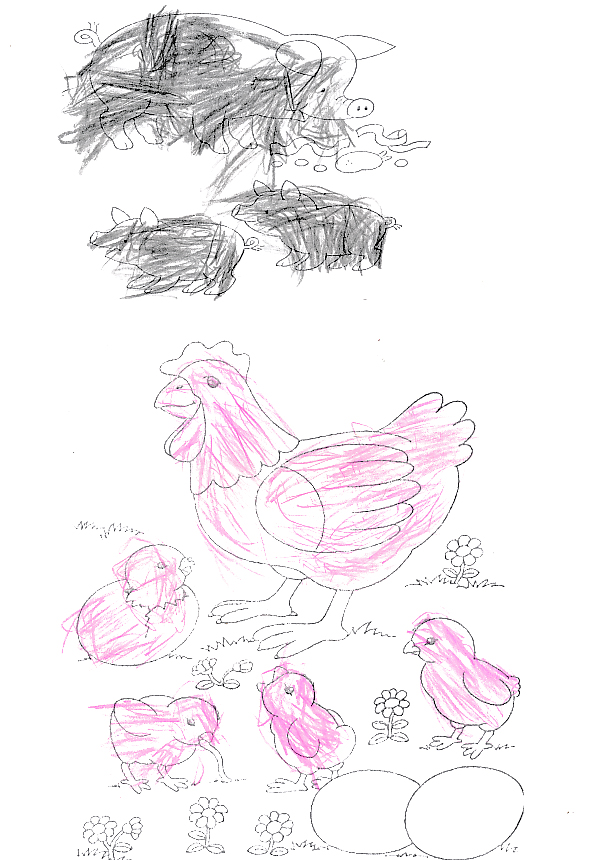
The drawings presented here represent only a partial selection from a larger archive produced during cognitive stimulation sessions with Alzheimer patients. Within the ERODE project, this archive functions as the human dataset from which processes of algorithmic and biological erosion emerge.
The Bacterial Radio
Algorithmic drawings are converted into biological radio signals.
The Bacterial Radio constitutes the final and decisive stage of ERODE. It is the point at which the project abandons representation entirely. What began as fragile hand-drawn marks—produced by patients living with Alzheimer’s disease and later translated into algorithms programmed to erase themselves—reaches here a terminal transformation. Digital code and human gesture no longer exist as readable data. They are converted into biological and electromagnetic matter.
The radio does not function as a memory device, nor as an archive. On the contrary, it affirms the physical reality of disappearance. It marks the moment in which the “subject” dissolves and information ceases to belong to language, image, or computation, entering instead a state of pure material process.
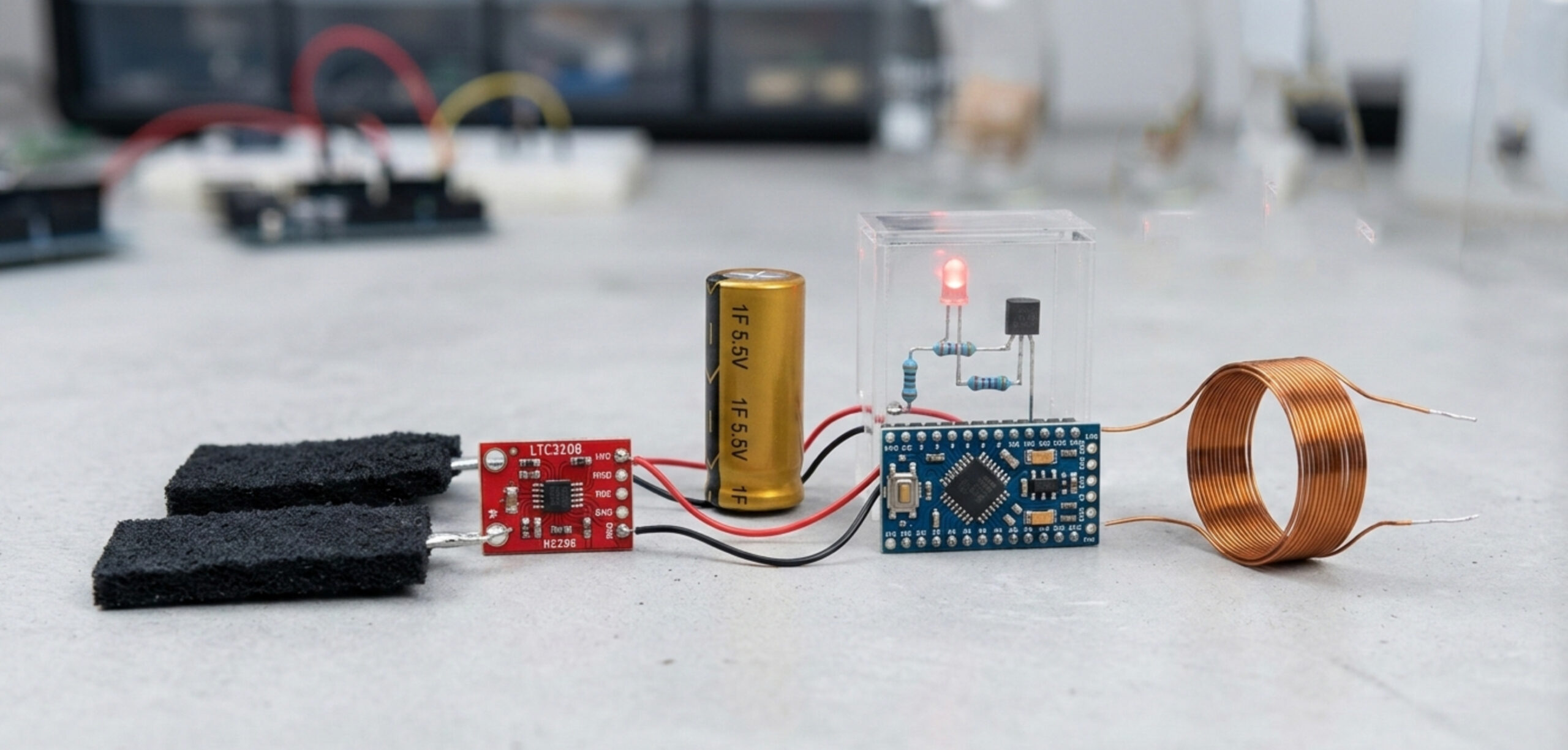
This radio is not an industrial or optimized object. It is a deliberately fragile, hybrid artifact. Its core is biological: bacterial cultures housed in glass containers act as a living, unstable element within the circuit. Their metabolic activity—growth, decay, movement—directly alters electrical resistance. Information is no longer modulated symbolically but biologically, through life processes that cannot be stabilized or controlled.
An exposed copper antenna radiates the signal without shielding. Environmental conditions—humidity, temperature, and the physical proximity of the audience—affect transmission. The surrounding space becomes part of the circuit. The electronic system itself is intentionally rudimentary: low-complexity radio-frequency components, hand-wound coils, and germanium transistors evoke an aesthetic of precarious or survival technology, resisting efficiency and permanence.
Within the installation, the Bacterial Radio receives the final output of the twenty algorithms that structure ERODE. Each algorithm ends by deleting its own file. This act of erasure generates a last electrical impulse, which is routed into the radio system. Computational absence becomes physical signal. As the current passes through the bacterial cultures, the signal is continuously distorted, fragmented, and reconfigured by living matter.
The radio transmits on shortwave or AM frequencies, outside commercial broadcast bands, at extremely low power. Its reach is limited to the immediate exhibition space. This is not a broadcast intended to circulate widely; it is a transmission of proximity. As one moves away from the installation, the signal dissolves into static.
What is transmitted is neither speech nor music, nor the original drawings themselves. What remains is modulated white noise, fluctuating with bacterial activity, punctuated by erratic pulses—micro-discharges that echo the final firings of neural or computational systems. The listener hears not information, but its disappearance.
In this final stage, ERODE refuses the fantasy of total recall that defines contemporary digital culture. The Bacterial Radio operates as a quiet form of resistance to the cold logic of the archive. When the algorithm erases itself, the bacteria inherit the silence and transform it into frequency. What persists is not memory, but connection—temporary, fragile, biological—affirming the dignity of finitude as a material condition.
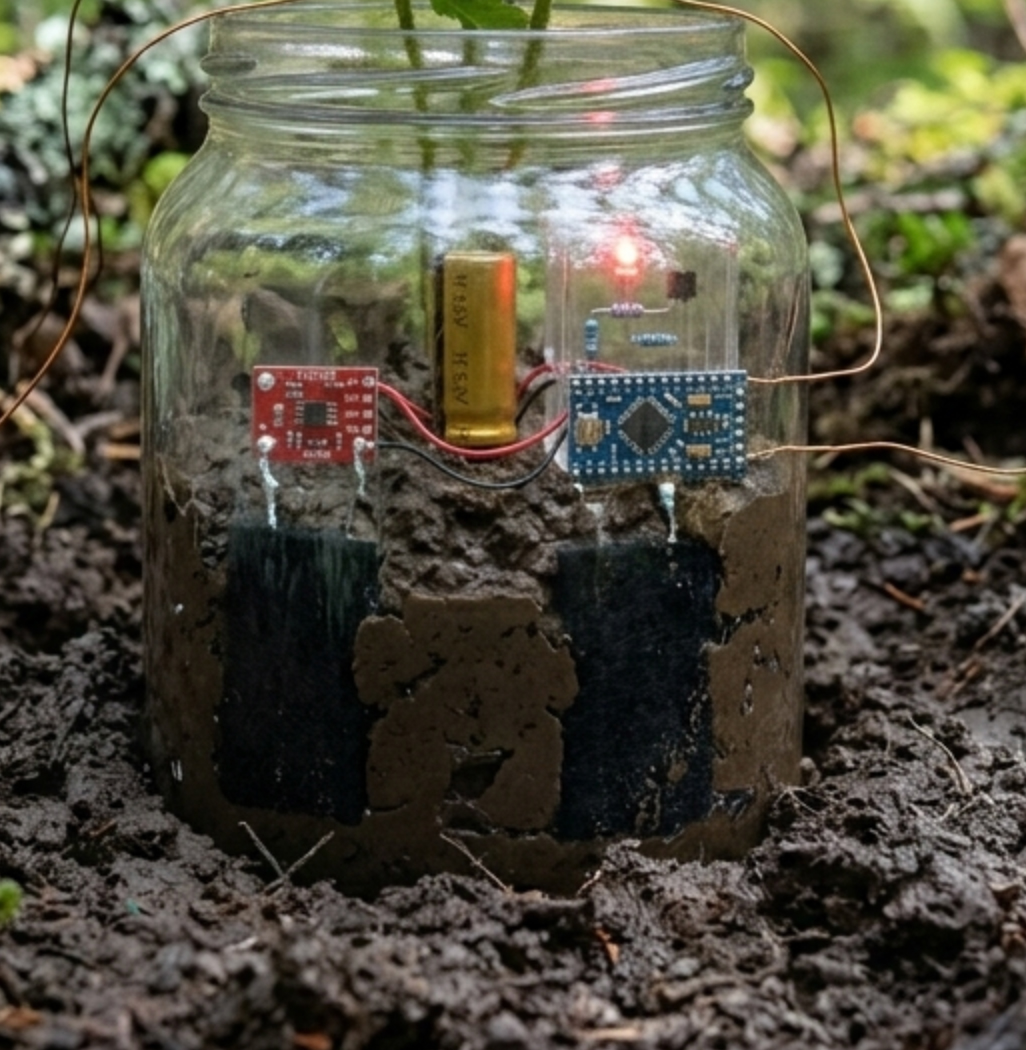
The Bacterial Radio is the final and transcendent component of the ERODE installation. It represents the transmutation of information: the point at which digital code and human gesture cease to exist as legible data and become instead a biological and electromagnetic frequency.
It functions as the physical confirmation of the death of the “subject” and its passage into a state of pure matter.
Rather than preserving memory, the radio operates as an irreversible threshold: once data reaches this stage, it cannot return to representation.
Technical Architecture of the Bacterial Radio
The radio device used in ERODE is a minimal bio-electrochemical system designed to translate microbial metabolism into weak electromagnetic transmission.
At the base of the system lies a microbial fuel cell composed of carbon electrodes submerged in organic mud.
Microorganisms living in this substrate release electrons as part of their metabolic activity.
These extremely small electrical potentials — typically only a few millivolts — are collected by an ultra-low voltage energy harvesting module (LTC3108).
The module amplifies this biological energy and gradually charges a supercapacitor, which functions as a temporary reservoir for the collected electrical charge.
When the stored voltage reaches a minimal threshold, a microcontroller (Arduino Pro Mini) briefly awakens from deep sleep.
At this moment the system executes a short transmission sequence.
The algorithm derived from an Alzheimer’s drawing is translated into a series of electrical pulses.
These pulses are emitted through a copper coil, generating a very weak electromagnetic field.
Rather than transmitting information through conventional radio communication, the signal is directed toward a living plant, where the electromagnetic disturbance interacts with the plant’s vascular structure.
In this final stage the archive ceases to exist as stored data.
The signal enters a biological organism that does not preserve information.
It absorbs it.
PROJECT METADATA
Title: ERODE
Artist: Marcello Mercado
Year: 2020 – 2026
Format: Digital book / sequential algorithmic publication
Medium:
Scanned drawings, generative image-processing algorithms, digital publishing system
Location of source archive:
Residential care facility, Chaco Province, Argentina (institution anonymised)
Participants:
Anonymised elderly residents diagnosed with Alzheimer’s disease; caregivers and institutional context (non-identifiable)
Scale:
20 anonymised cases × multiple algorithmic states per case
Public presentation format:
Browsable digital publication (web-based or interactive PDF) + short documentation video
Ethical safeguards:
Full anonymisation; no medical records; no personal identifiers; original drawings not presented in full; algorithmic transformation applied before publication